Netherlands plans sovereign Saab GlobalEye purchase with 2031 delivery

3 min read
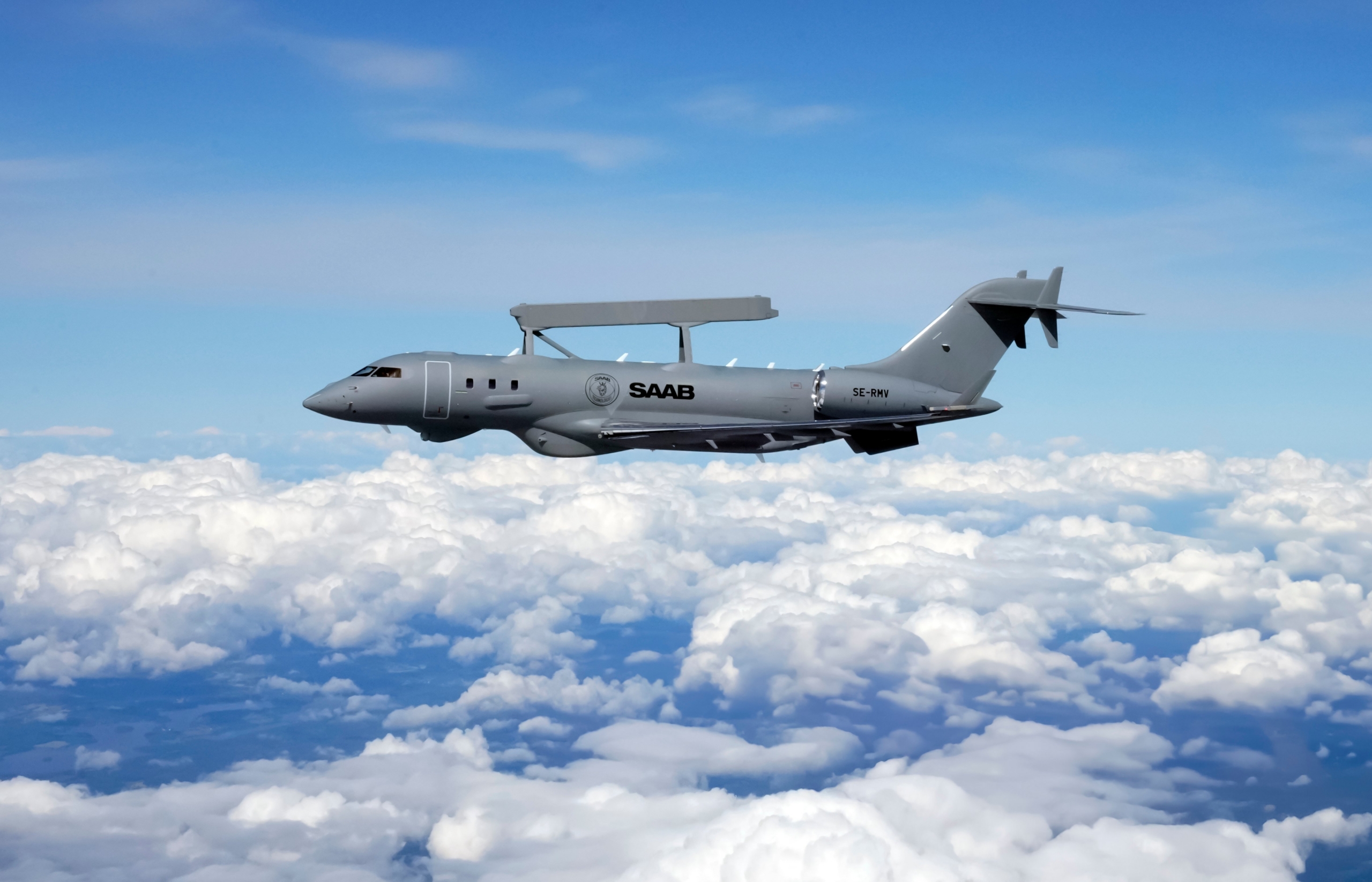
In addition to its contribution to purchasing up to ten Saab GlobalEye AEW&Cs aircraft, the Netherlands now plans to purchase a single sovereign aircraft for its own air force.
Saab has today (10 September) announced the Netherlands has signed a Letter of Intent to purchase its GlobalEye Early Warning and Control (AEW&C) aircraft. It adds that the parties have not yet signed a final contract and that Saab has not yet received and official order from the Netherlands.
Micael Johansson, President and CEO of Saab, said, “We welcome today’s announcement by the Netherlands of its intention to procure GlobalEye.”
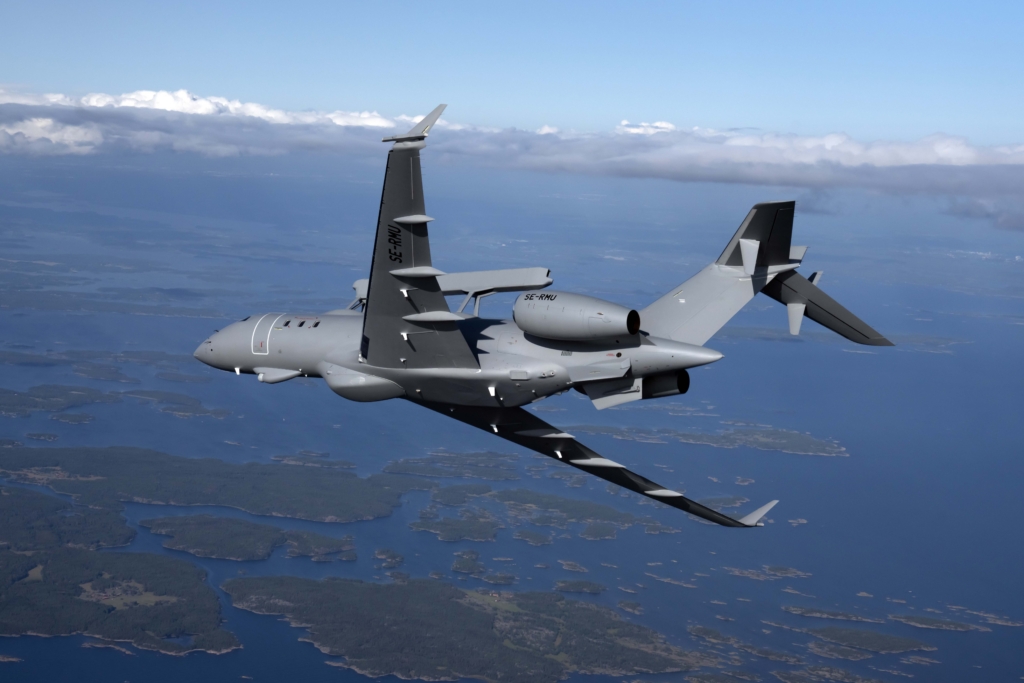
Johansson explained that the aircraft will boost the situational awareness and early warning capabilities of the Dutch forces across multiple domains. It will also strengthen NATO’s ability to operate in an “increasingly complex security environment.”
He said that Saab “stands ready to support this capability with Swedish innovation and expertise.”
Dutch to have sovereign AEW&Cs capability by 2031
The Swedish Government announced that the delivery of the Dutch aircraft is planned for 2031. However, from 2028, Dutch crews will have the ability to train on the GlobalEye in the Swedish Air Force.
While the price of the aircraft is not disclosed and is likely still being negotiated, past contracts suggest around a $400-450 million package cost per aircraft.
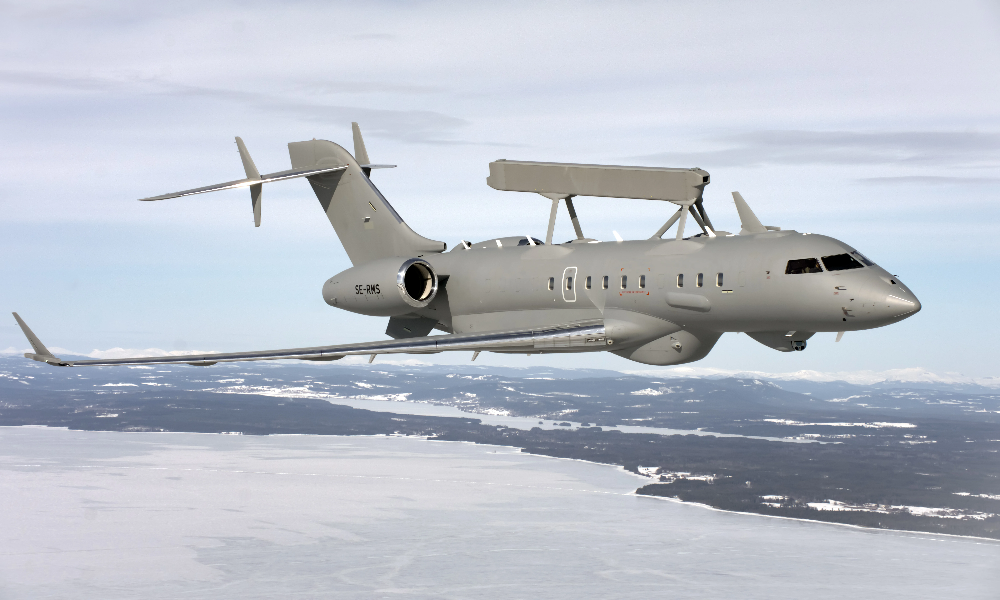
It appears the intention is for the Netherlands to purchase a single aircraft. Currently, the Netherlands lacks an AEW&C capability and relies on the shared NATO fleet of aging E-3 Sentry radar airplanes.
In July 2026, NATO Secretary General Mark Rutte announced that 11 European NATO allies (including the Netherlands) will jointly procure up to ten GlobalEye to replace NATO’s fleet of E-3 Sentries.
Popularity of the Saab GlobalEye
In recent years, the Saab GlobalEye has become popular for a range of converging factors. One factor is that existing fleets of AEW&Cs are ageing and are in need of replacement.
Another factor is the rising defence budgets in Europe as the continent responds to a deterioration in security and confrontation with Russia.
| Customer | Number of aircraft | First delivery date | Status / Notes |
| United Arab Emirates | 5 | April 2020 | All delivered (2020–2024) |
| Sweden | 3 | 2027 | On order (2 in 2022 + 1 in 2024) |
| France | 2 (+ option for 2) | 2029 | Firm order (Dec 2025); deliveries 2029–2032 |
| Undisclosed Middle East | 2 | 2030 | Firm order (July 2026) |
| Netherlands | 1 | 2031 | Letter of Intent with Sweden (Sept 2026); early access to Swedish aircraft from 2028 |
| Canada | 6 | Not yet announced | Selected as preferred supplier (May 2026); negotiations ongoing |
| NATO (11 allies) | Up to 10 | ~2030 (if contract signed soon) | Selected July 2026; formal negotiations with Saab/NSPA ongoing |
The primary alternative to the Saab GlobalEye (mounted on a Canadian Bombardier Global 6000/6500 business jet) is the more powerful Boeing E-7 Wedgetail in service with the Royal Air Force, the Royal Australian Air Force, and others.
However, geopolitical tensions have pushed European states to prioritize “made in Europe” where feasible, and the GlobalEye is essentially the only option. Canada has also announced its intention to potentially purchase GlobalEye, likely as part of ongoing negotiations to purchase Saab Gripen fighters.
At the same time, the US Air Force announced it would cancel its order for E-7s in 2025, purchase E-2Ds Hawkeyes as an interim, and focus on space-based assets. The US also withdrew from the European effort to replace the alliance’s Sentries with Wedgetails.
Without the US, the remaining European NATO participants cancelled the E-7 and announced they will purchase the smaller, cheaper, European GlobalEye.
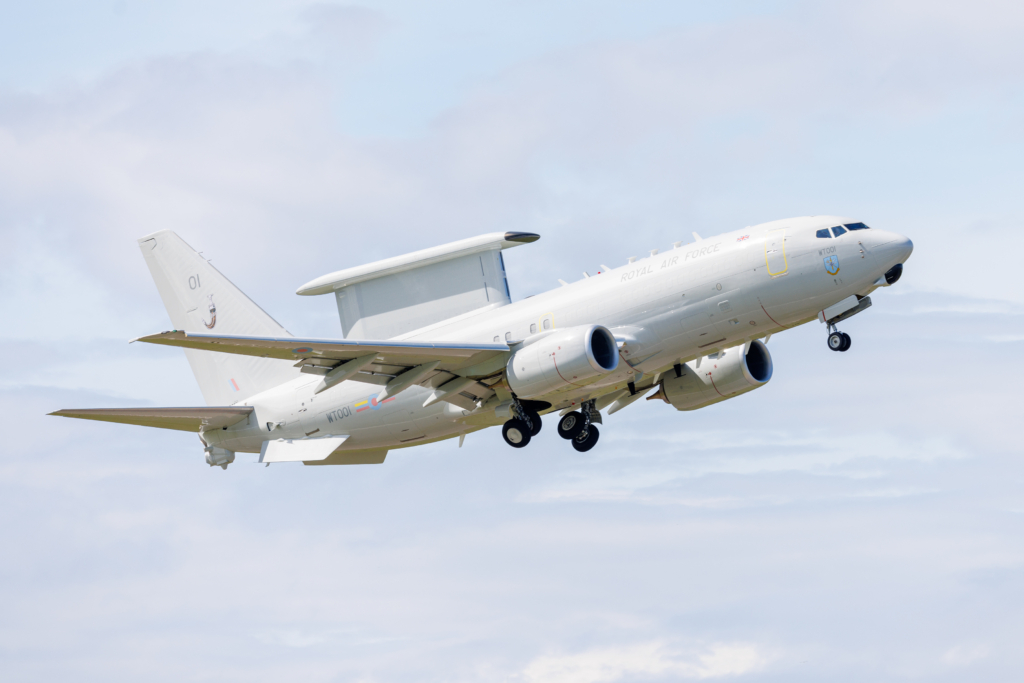
Importantly, the US Air Force announced in 2026 that it has reversed its decision and will purchase the E-7s, but for Boeing’s potential sales to Europe, much of the damage has likely been done.
In the longer run, the US is planning to move beyond aircraft and into space for much greater capabilities to detect and track stealthy assets. However, the technology is not yet mature, and aircraft are needed to maintain redundancy and resilience.
Sign up for our newsletter and get our latest content in your inbox.


More from


October 17, 20264 min read