


NATO set to choose Saab GlobalEye to replace ageing E-3A AWACS fleet

6 min read
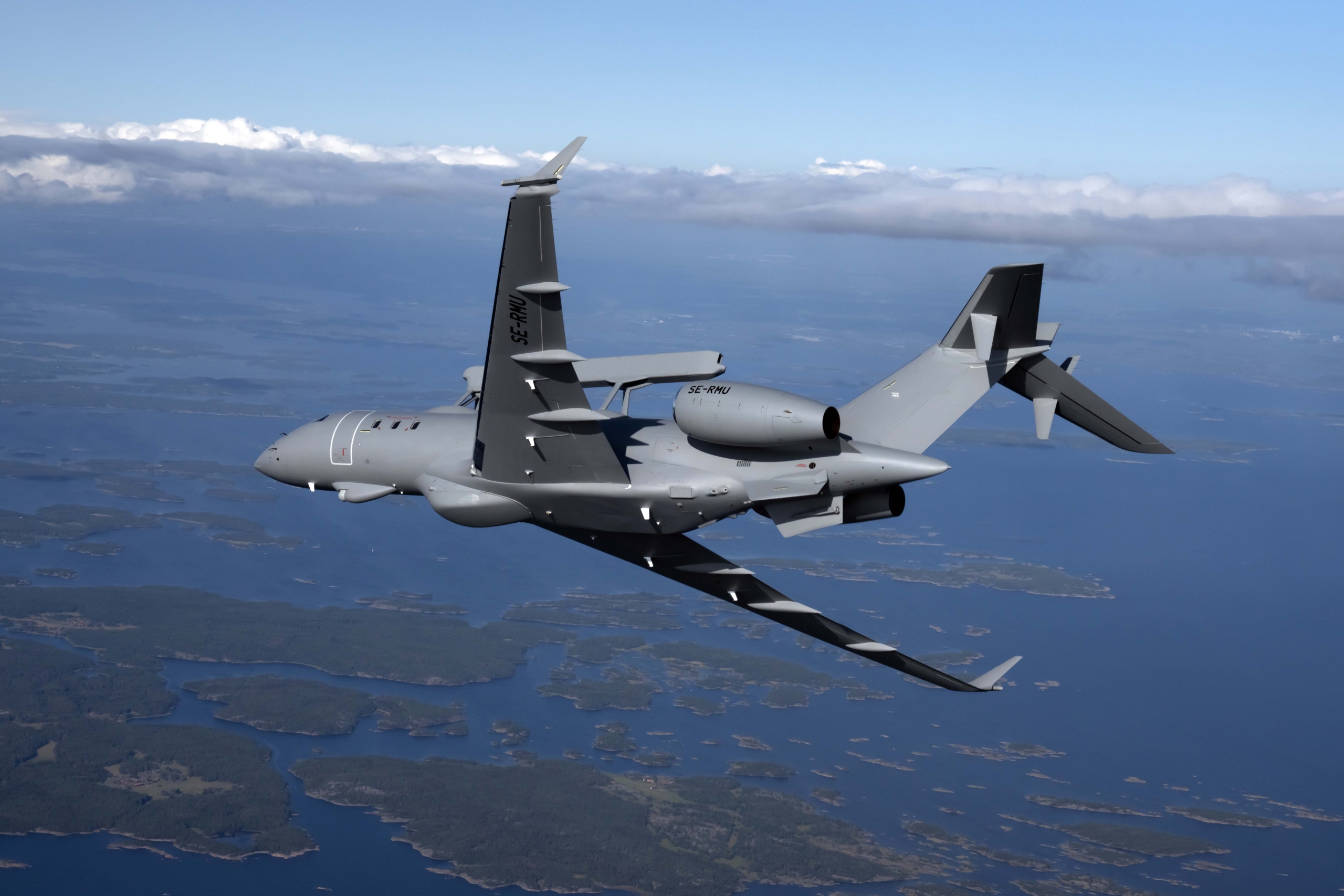
NATO is preparing to replace its ageing fleet of Boeing E-3A Sentry Airborne Warning and Control System (AWACS) aircraft with Saab’s GlobalEye airborne early warning and control platform.
According to a Reuters report citing four sources familiar with the decision, a decision is expected to be announced at the NATO Summit in Ankara on 7-8 July.
Reuters reported that NATO is expected to acquire around 10 to 12 aircraft, although the final number could depend on whether the alliance selects a version equipped for air-to-air refuelling.
The fleet is expected to remain based at Geilenkirchen, preserving the home of NATO’s airborne surveillance force while introducing a new generation of capability.
If confirmed, the move would mark the alliance’s biggest change in airborne surveillance capability in more than four decades and its first common AWACS fleet not based on a Boeing aircraft.
A NATO spokesperson confirmed that a decision on the future of the alliance’s airborne surveillance fleet would be unveiled during the summit but declined to provide further details. Saab also declined to comment on the Reuters report.
The development follows months of uncertainty surrounding NATO’s Alliance Future Surveillance and Control (AFSC) programme.
Earlier this year, French defence publication La Lettre reported that NATO had already selected the Bombardier Global 6000-based GlobalEye as the successor to the E-3A Sentry fleet.
However, Saab quickly rejected reports that a contract had been signed, while NATO said member states were continuing to evaluate options under the AFSC programme.
Aerospace Global News reported at the time that no formal order had been placed and that the competition remained open.
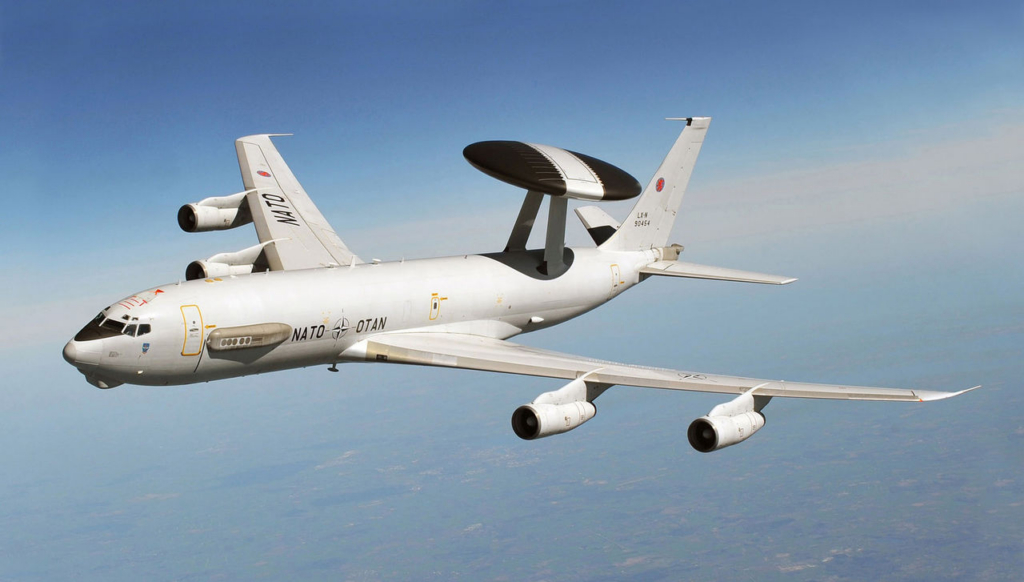
NATO’s E-3A AWACS fleet has been the alliance’s eyes in the sky for 40 years
The aircraft that GlobalEye is expected to replace have formed one of NATO’s most recognisable and strategically important capabilities since entering service in the early 1980s.
Based at Geilenkirchen Air Base in Germany, NATO operates a fleet of 14 Boeing E-3A Sentry aircraft through the NATO Airborne Early Warning and Control Force (NAEW&CF).
Unlike most military aircraft used in alliance operations, the E-3As are owned and operated directly by NATO rather than by individual member states.
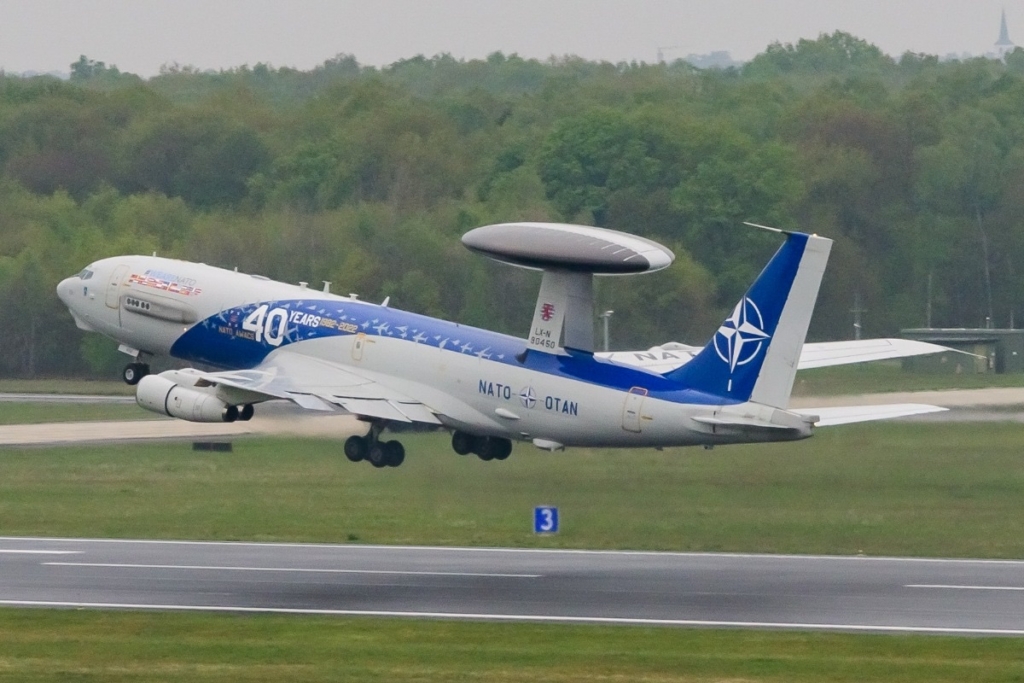
The modified Boeing 707 aircraft, distinguished by their large rotating radar domes, provide long-range air surveillance, command and control, battlespace management and communications.
Their radar and passive sensors can detect and track aircraft, ships and other surface contacts over long distances, while sharing information in near real time with forces operating in the air, on land and at sea.
Over four decades, the fleet has supported NATO operations ranging from air policing and counter-terrorism missions to operations in the Balkans, Afghanistan and Libya.
Since Russia’s full-scale invasion of Ukraine in 2022, the aircraft have played an increasingly prominent role along NATO’s eastern flank, conducting surveillance missions over the Baltic and Black Sea regions and contributing to the alliance’s Eastern Sentry activity.
Although the E-3A fleet is undergoing a final modernisation programme to keep the aircraft operational until around 2035, NATO has been planning its successor under the AFSC initiative since the 2016 Warsaw Summit.
Rather than simply replacing one aircraft with another, the programme has examined future surveillance architectures combining airborne, space-based, ground and uncrewed systems.
NATO moved away from Boeing’s E-7 Wedgetail
For much of the past three years, Boeing’s E-7A Wedgetail appeared destined to become NATO’s next common airborne early warning platform.
In November 2023, the alliance selected the E-7A as its preferred replacement, with an initial purchase of six aircraft expected to enter service during the early 2030s.
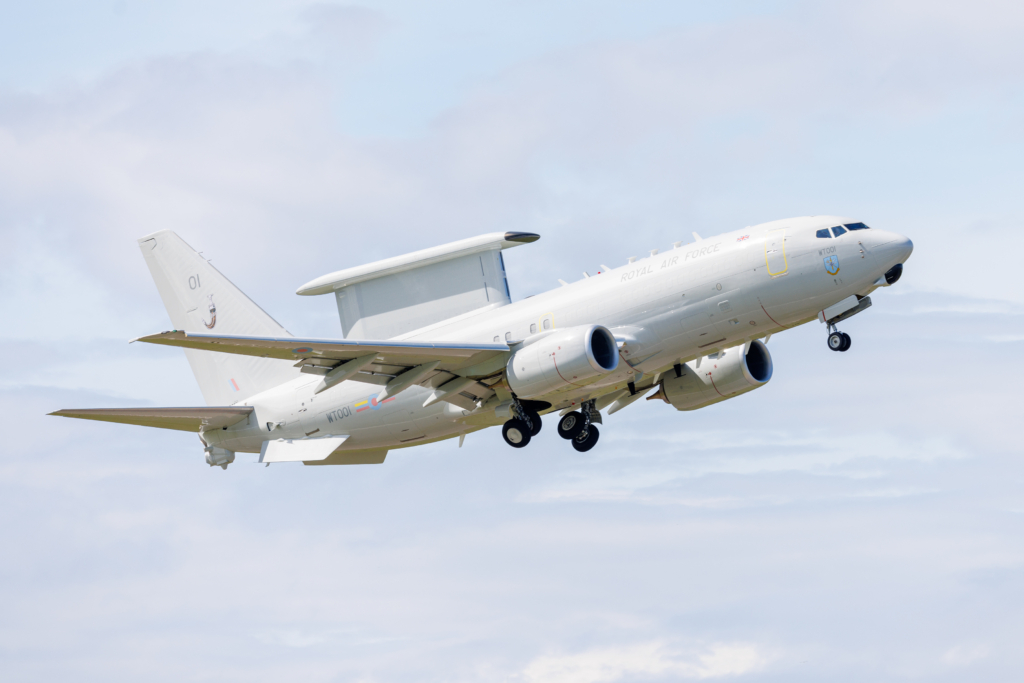
That plan began to unravel in 2025 after the US Air Force abandoned its own large-scale Wedgetail acquisition in favour of greater investment in space-based surveillance capabilities.
Without the United States as the programme’s principal customer, the economic and strategic case for a NATO-wide purchase weakened considerably.
By late 2025, AFSC partner nations had also stepped away from the E-7 proposal, reopening the competition and creating an opportunity for Saab’s GlobalEye to emerge as the leading alternative.
Saab GlobalEye brings a new approach to NATO airborne surveillance
If NATO proceeds with the purchase, Saab’s GlobalEye will introduce a markedly different surveillance platform from the Boeing E-3A it is expected to replace.
Instead of a modified commercial airliner carrying a rotating radar dome, GlobalEye is built on the Bombardier Global 6500 business jet and uses Saab’s Erieye Extended Range active electronically scanned array (AESA) radar mounted above the fuselage.
The system is designed to detect and track airborne, maritime and ground targets simultaneously, while providing long-endurance surveillance with lower operating costs than older AWACS aircraft.
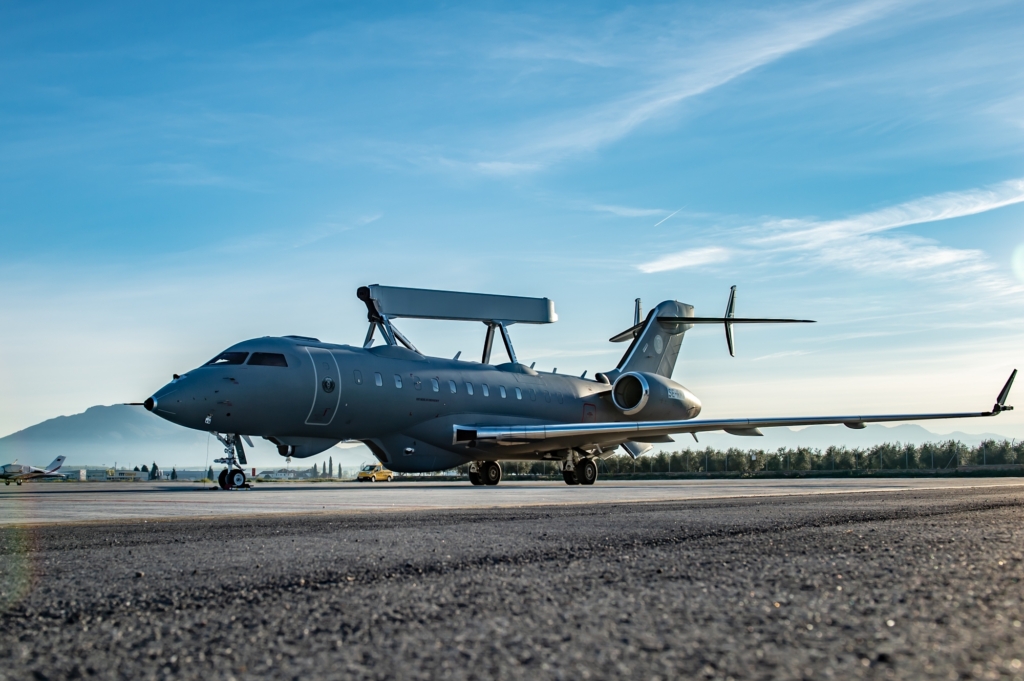
GlobalEye entered operational service in 2018 and is already in use with the United Arab Emirates, while Sweden has ordered the aircraft for its own armed forces.
Canada recently selected the platform as part of its own airborne early warning modernisation programme, further strengthening its position in the international market.
According to the NATO Association of Canada, the aircraft’s AESA radar can detect targets at distances of up to 550 km, while the more fuel-efficient Global 6500 airframe provides extended endurance and reduced operating costs compared with the E-3A fleet.
NATO’s AFSC plan goes beyond a single AWACS aircraft
The Alliance Future Surveillance and Control programme was never intended to identify a simple one-for-one replacement for the E-3A.
Since 2017, NATO has examined a range of concepts combining airborne platforms with space-based sensors, ground systems and uncrewed capabilities as part of a wider “system of systems” approach to future surveillance. Six industry teams were invited to develop competing concepts before the alliance narrowed its options.

Although Boeing’s E-7 Wedgetail became the preferred solution in 2023, NATO’s reassessment created an opportunity for GlobalEye, whose smaller airframe, modern sensor suite and growing international customer base have increasingly attracted attention as alliances seek more flexible surveillance capabilities.
Saab GlobalEye selection would carry political and industrial weight
Beyond the operational advantages, the reported selection carries broader industrial and political significance.
Reuters noted that the decision could prove uncomfortable for US President Donald Trump, who has repeatedly urged NATO allies to purchase more American defence equipment while criticising Europe’s dependence on US security guarantees.

A move away from Boeing for one of NATO’s most prominent common-funded capabilities would therefore represent a notable shift in alliance procurement.
At the same time, the aircraft would not be entirely European. GlobalEye combines Saab’s surveillance system with Bombardier’s Canadian-built Global 6500 business jet, reflecting the multinational industrial partnerships that increasingly characterise major NATO programmes.
Featured image: Saab


