


Why no aircraft has ever replaced the SR-71 Blackbird

12 min read
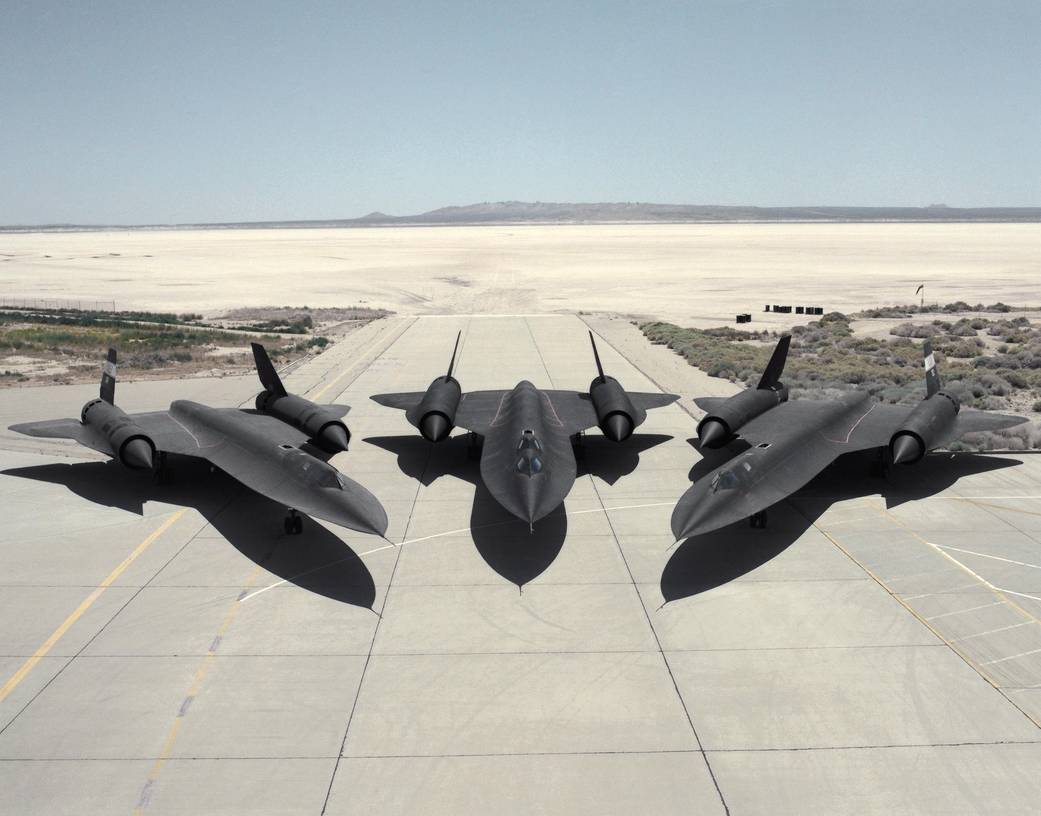
Nearly three decades after its final flight, the Lockheed SR-71 Blackbird remains the world’s fastest operational jet aircraft remains without a direct successor. Now, reports that NASA is exploring a return to flight for a retired Blackbird have revived an intriguing question: why has modern aviation never produced another aircraft quite like it?
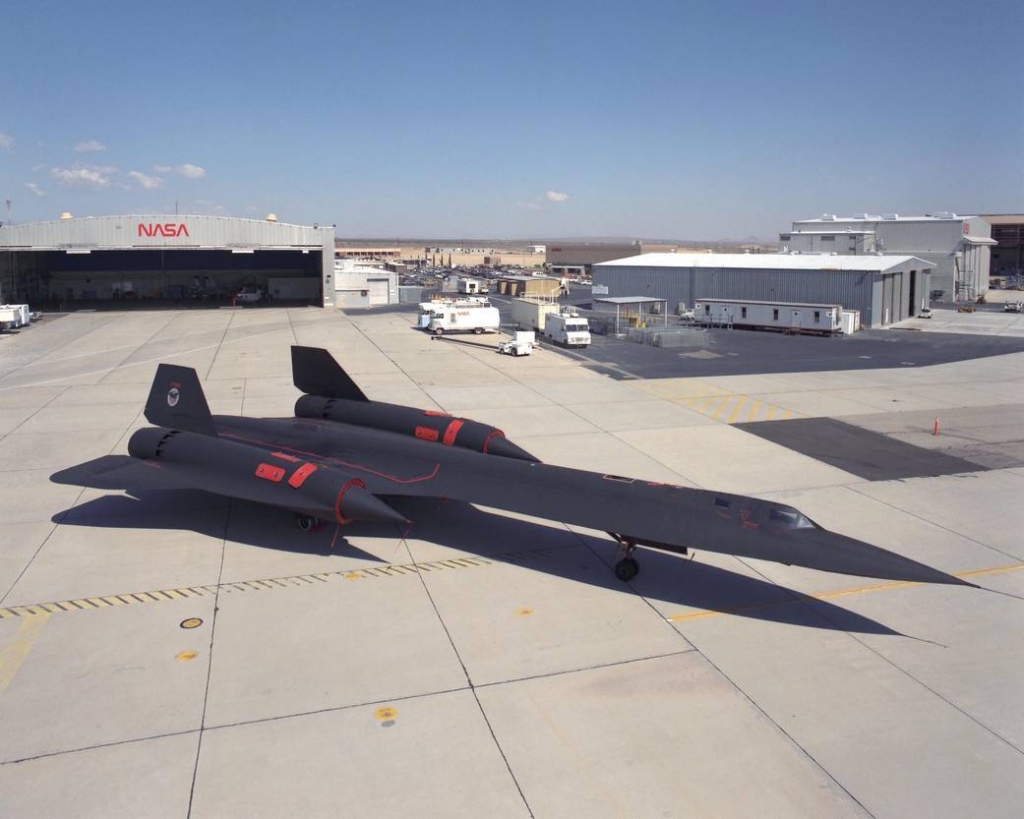
For nearly 27 years, a Lockheed SR-71 Blackbird stood outside NASA’s Armstrong Flight Research Center in California, a reminder of an extraordinary period in aviation when flying at three times the speed of sound was an operational reality.
Then, earlier this year, the aircraft disappeared from its display.
What initially looked like an unusual movement of a retired aircraft has turned into one of the more intriguing developments in American flight research. According to an investigation by Aviation Week, NASA has approached former SR-71 engineers about helping return the aircraft to the skies.
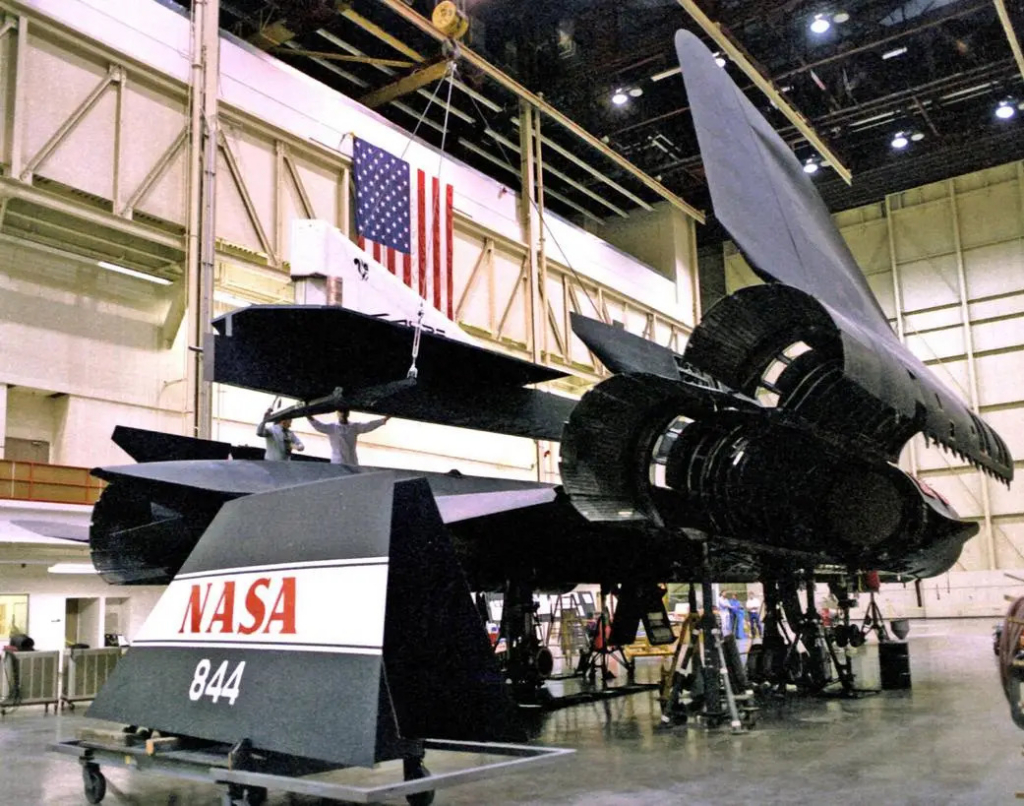
The aircraft in question, known as NASA 844, last flew on 9 October 1999. It was the final flight of any Blackbird. If the reported effort succeeds, an aircraft designed more than six decades ago could once again become a flying laboratory for technologies that engineers are still struggling to master.
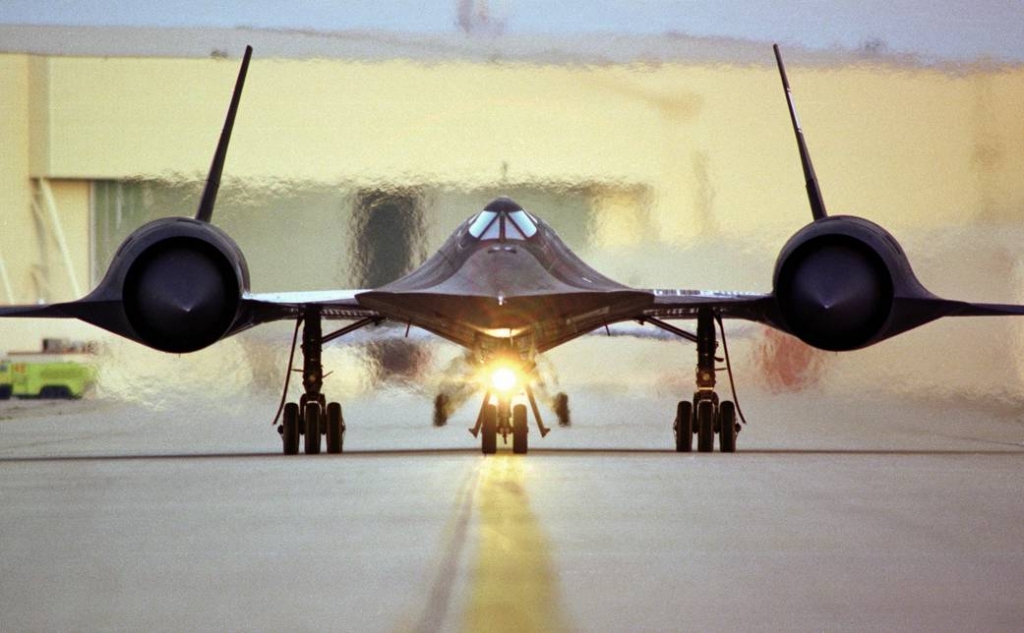
But the bigger story is not simply whether NASA can make an old aeroplane fly again.
It is why, despite enormous advances in aviation, computing, materials and propulsion, no aircraft has taken the SR-71’s place.
A secret attempt to bring the Blackbird back
The latest developments emerged in a 29 September report by Aviation Week defence editor Steve Trimble, who revealed that NASA officials had approached several former Blackbird personnel about a possible return to flight.
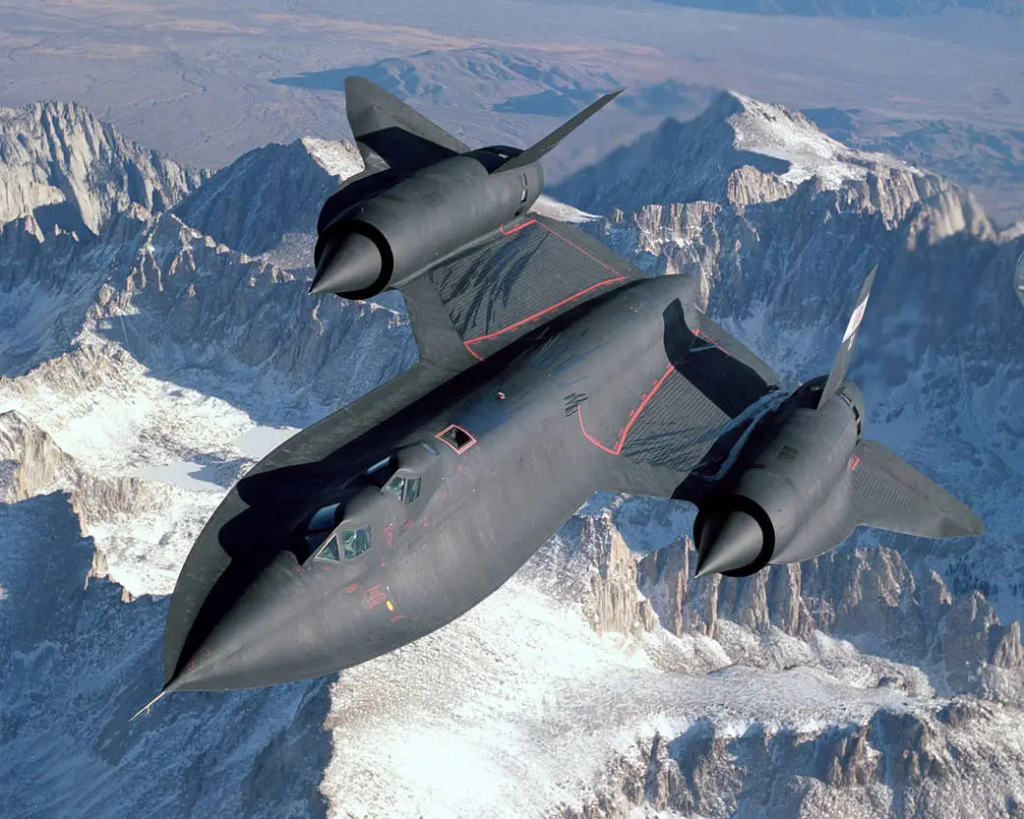
Among them was Mike Relja, a former US Air Force and NASA test engineer now in his late 70s. Relja told the publication that David Ash, a NASA special projects director, had contacted him about helping revive the aircraft.
Relja was doubtful that such an undertaking could succeed after so many years.
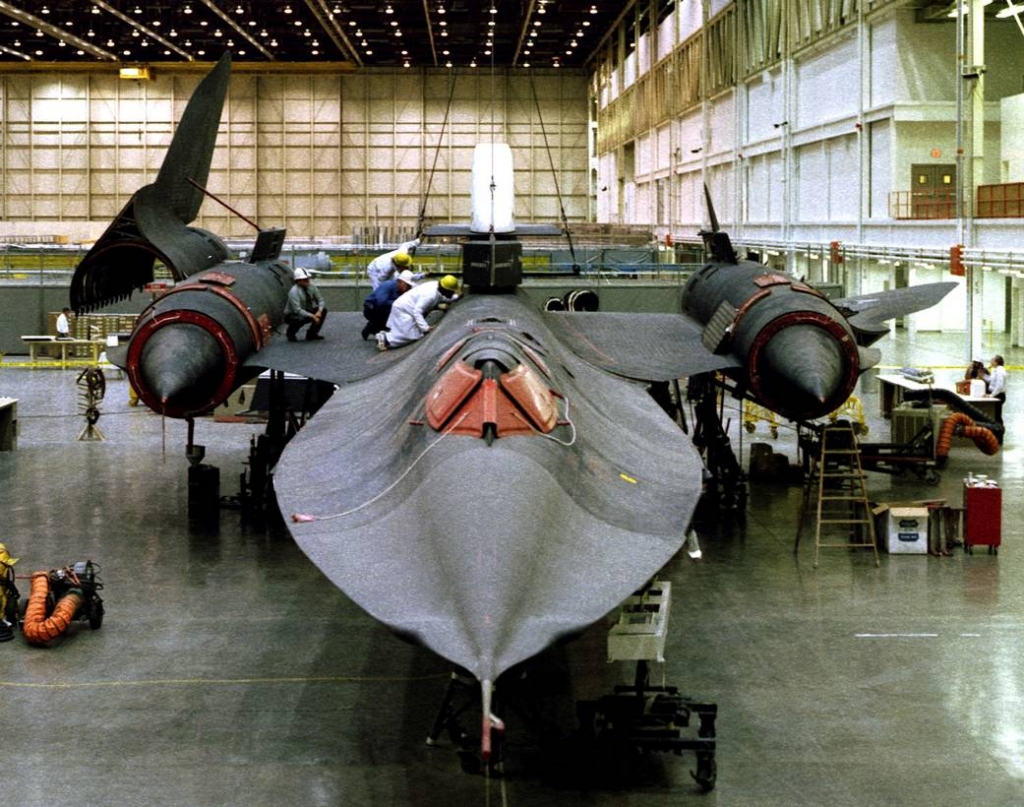
Aviation Week also reported that NASA had moved the aircraft into a hangar formerly used for the Space Shuttle at Edwards Air Force Base. Satellite imagery indicated that it had been removed from its display position earlier in the year.
The agency has not publicly confirmed a return-to-flight programme or explained what it intends to do with the aircraft.
The timing, however, has attracted attention.
At September’s All-In Summit in Los Angeles, NASA Administrator Jared Isaacman spoke about rebuilding the agency’s experimental aircraft fleet. A presentation included the silhouette of an aircraft resembling the Blackbird.
“In the service of the first ‘A’ in NASA, we are rebuilding our X-plane fleet,” Isaacman said, according to Aviation Week.
“It will not be long before NASA is once again flying as high and as fast from decades past—and then even more.”
As AGN reported in September, the disappearance of the aircraft and NASA’s renewed interest in high-speed research have raised the possibility of a Blackbird comeback.
There is still no public confirmation of what such an aircraft would be used for. It might help test new propulsion systems, materials or experimental equipment rather than signal any return to Cold War reconnaissance missions.
The aircraft that could outrun danger
To understand why the SR-71 remains so unusual, it helps to return to the circumstances in which it was created.
During the Cold War, the United States needed intelligence about Soviet military installations, missile developments and other strategically important activities. Reconnaissance aircraft could gather information that was difficult to obtain by other means, but flying over hostile territory carried enormous risks.
The shooting down of a CIA-operated U-2 reconnaissance aircraft over the Soviet Union in May 1960 demonstrated the vulnerability of aircraft that relied principally on altitude for protection.
Lockheed’s Skunk Works, led by Clarence “Kelly” Johnson, pursued a different approach.
Instead of simply flying higher, the new aircraft would combine extraordinary altitude with sustained speed. The idea was to make interception so difficult that an aircraft could complete its mission and escape before enemy defences could effectively engage it.
The programme began with the A-12, which first flew in April 1962. The SR-71 followed, making its maiden flight on 22 December 1964.
The Blackbird eventually entered US Air Force operational service in 1966. Its performance remains remarkable even today.
At those heights, the aircraft flew above most conventional air traffic and in an environment that imposed extraordinary demands on engines, structures and crew.
The SR-71 was not invisible to radar, nor was it invulnerable. But its combination of speed, altitude and electronic countermeasures made it extremely difficult to intercept.
It may be noted here that no SR-71 was lost to enemy action during its operational career.
Why building another SR-71 is so difficult
The Blackbird was built around a problem that still challenges aircraft designers: what happens when an aeroplane flies so fast that the air itself becomes an enormous source of heat?
At Mach 3, friction and compression of the surrounding air generate temperatures that conventional aircraft structures cannot tolerate for long.
Lockheed used titanium alloys extensively in the SR-71’s construction. Its engines, fuel system and airframe were designed to operate in conditions far beyond those encountered by ordinary jet aircraft.
The two Pratt & Whitney J58 engines were particularly unusual.
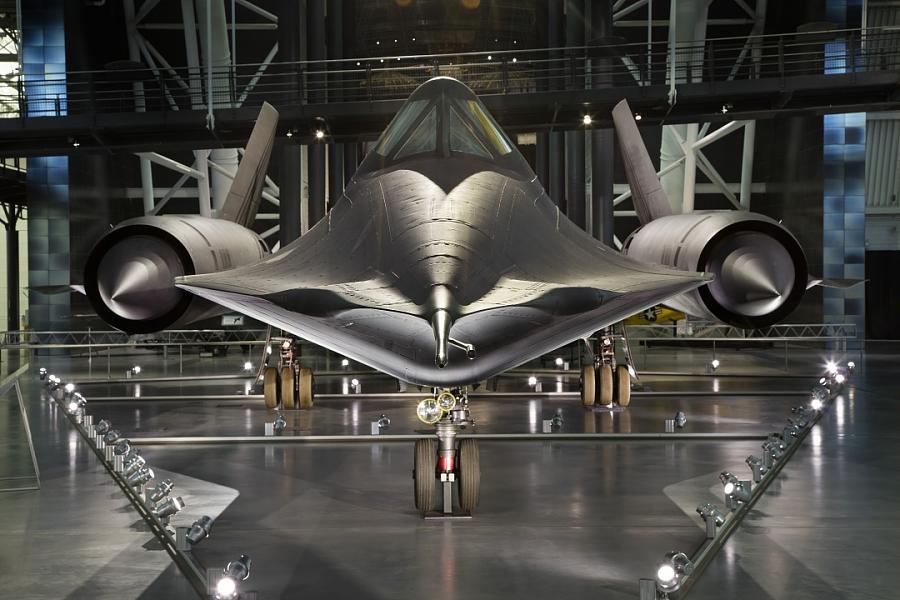
Each produced around 32,500lb of thrust, but the engines alone were not responsible for the aircraft’s remarkable performance.
NASA explains that, during Mach 3 cruise, less than 20% of the total propulsive thrust came from the engine core. Much of the remainder resulted from the carefully controlled airflow through the inlet and exhaust system.
Movable cones at the front of the engine nacelles helped manage the supersonic airflow. The entire propulsion installation worked as an integrated system rather than simply a pair of powerful jet engines. Even the aircraft’s fuel presented difficulties.
The SR-71 used specially developed JP-7 fuel, chosen partly for its ability to withstand the high temperatures associated with sustained supersonic flight. The aircraft also needed a separate chemical, triethylborane, to ignite its engines under certain operating conditions.
Its fuel tanks could leak while the aircraft was on the ground because gaps in the structure were designed to close as the metal expanded during high-speed flight.
These were not faults that could be eliminated without affecting the aircraft’s design. They were consequences of operating at speeds that few other aircraft have attempted to sustain.
Why the US Air Force chose a different path
The SR-71 was retired from regular US Air Force service in 1990, although a small number returned to service during the decade before the military programme finally ended in 1998.
Operating costs, maintenance requirements and changing intelligence priorities all contributed to its retirement.
By then, the Cold War had ended, and the technology available for gathering intelligence had changed considerably.
Satellites could monitor vast areas without exposing aircrews to enemy defences. Unmanned reconnaissance aircraft offered long endurance, while advances in stealth made it possible to approach heavily defended areas without relying entirely on speed.
The emphasis increasingly shifted from outrunning enemy defences to avoiding detection.
The Northrop Grumman RQ-4 Global Hawk, for example, was developed to remain airborne for extended periods while collecting intelligence over large areas. It could not match the SR-71’s speed, but it was designed to meet a different operational requirement. The Lockheed U-2 also outlived the Blackbird.
As AGN reported in June, the US Air Force is seeking to retire its remaining U-2 Dragon Lady reconnaissance aircraft by the end of fiscal 2027.

That aircraft first flew in 1955, yet its ability to carry sophisticated sensors at high altitude has kept it relevant for decades.
The contrast is revealing. The SR-71 was considerably faster, but speed alone was no longer sufficient to justify maintaining such a specialised fleet.
There is also an important distinction between replacing an aircraft and replacing its mission.
America has developed increasingly capable intelligence systems since the Blackbird’s retirement. What it has not publicly fielded is another operational reconnaissance aircraft combining sustained Mach 3 flight, extreme altitude and long-range performance.
The speed record nobody has broken
One of the most striking reminders of the SR-71’s capabilities came on 1 September 1974.
That day, an SR-71A flew from New York to London in just one hour, 54 minutes and 56.4 seconds.
The aircraft, serial number 61-7972, was flown by US Air Force Majors James V. Sullivan and Noel F. Widdifield. It was heading to the Farnborough International Airshow in Britain. The record remains unbeaten.
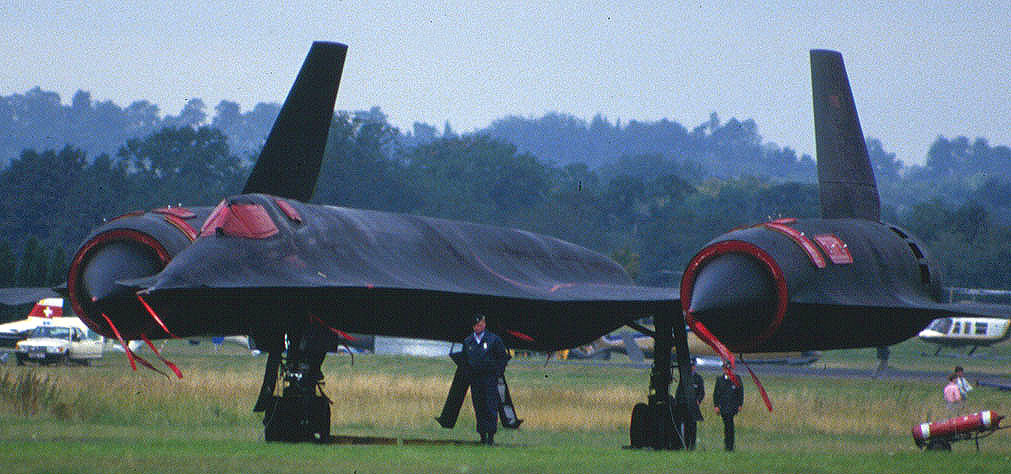
As AGN examined in a September feature, the Blackbird averaged approximately 1,806mph over the recognised route, despite slowing for aerial refuelling.
That achievement is remarkable when compared with modern commercial aviation.
Concorde, which entered passenger service in 1976, could cross the Atlantic in under three hours at around Mach 2. Yet even Concorde proved expensive to operate and was eventually retired in 2003.
Building an aircraft capable of sustained Mach 3 flight was possible in the 1960s. Building one that made commercial or military economic sense in later decades was another matter.
The SR-71’s record has survived largely because the world stopped needing aircraft designed to perform that particular task.
NASA’s flying laboratory
The Blackbird’s usefulness did not end when its reconnaissance career finished.
During the 1990s, NASA operated SR-71 aircraft at its Dryden Flight Research Center, now named Armstrong, to investigate problems associated with high-speed flight.
According to NASA’s historical records, the aircraft supported research into aerodynamics, propulsion, structural heating, atmospheric conditions and sonic booms.
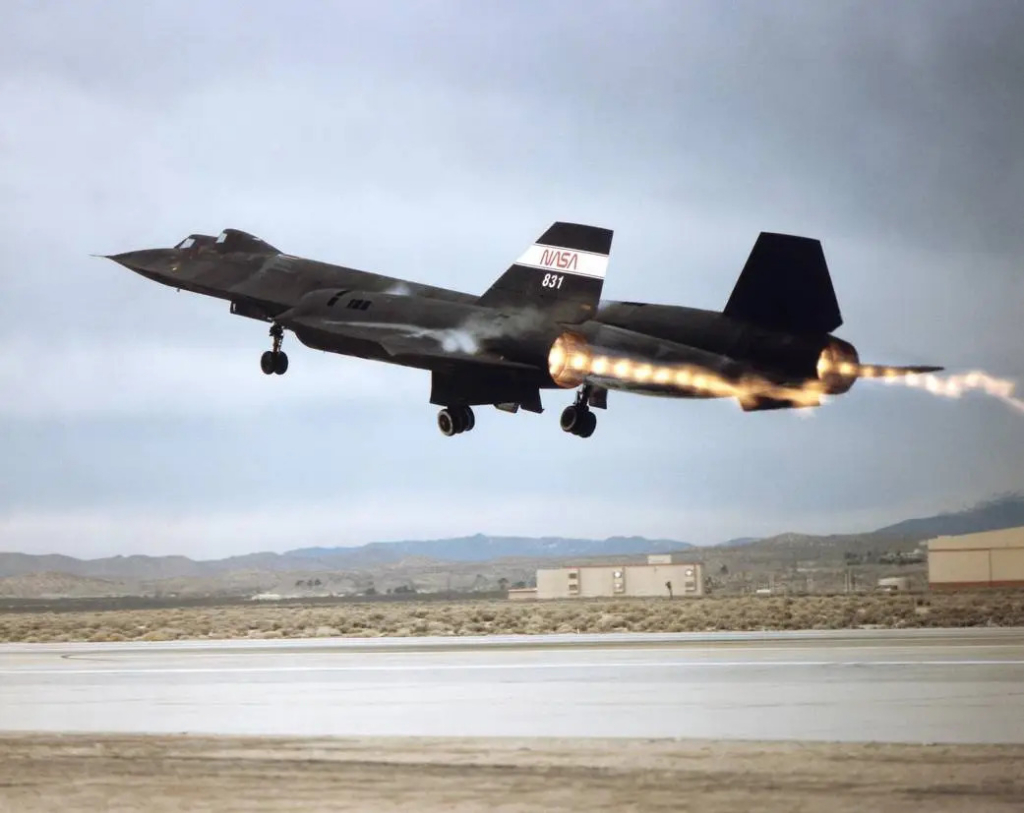
One programme used laser-based instruments to measure airflow and atmospheric particles at altitudes exceeding 80,000ft.
Another involved research into reducing the intensity of sonic booms heard on the ground, an issue that continues to influence efforts to develop quieter supersonic aircraft.
Perhaps the most unusual experiment was the Linear Aerospike SR-71 Experiment, or LASRE.
NASA mounted a small experimental lifting-body structure incorporating a linear aerospike rocket engine on the aircraft’s back.
The Blackbird became a flying test platform for studying how such a configuration behaved at high speeds.
The rocket engine was not fired during flight, but the programme generated aerodynamic and handling data.
The same aircraft now attracting attention, NASA 844, had been modified to support this research.
As AGN reported in its examination of the aircraft’s history, the modifications included structural reinforcement, special attachment points and engines selected for their performance.
Those changes could provide a useful starting point if NASA is attempting to return the aircraft to flight.
They do not, however, resolve the enormous difficulties associated with reviving a machine that has spent almost three decades out of service.
Can a 59-year-old aircraft really fly again?
The practical challenges facing any revival are considerable.
According to Aviation Week, former SR-71 personnel have questioned how NASA could restore the aircraft without an established supply chain, specialised ground equipment or the maintenance infrastructure once required to keep the Blackbird flying.
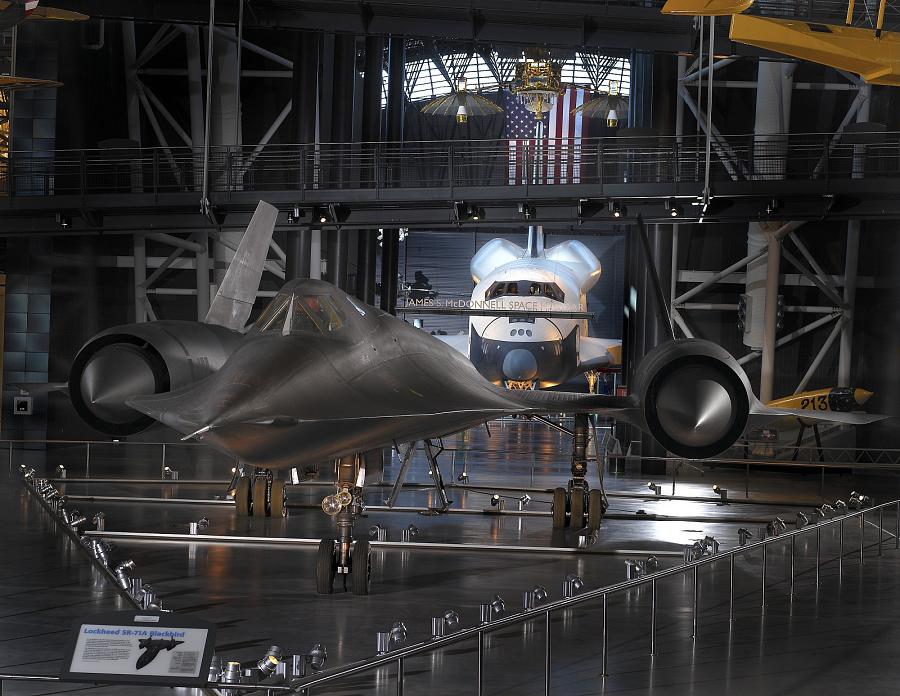
The publication reported that the US Air Force and NASA destroyed a stock of Blackbird spare parts valued at approximately $600 million in 2007.
The aircraft’s engines would require extensive examination, while components that have been exposed to the elements for decades could need replacement.
There is also the question of finding people familiar with the aircraft.
Many of the engineers, technicians and pilots who operated the SR-71 have retired. Rebuilding their expertise would be almost as demanding as restoring the aircraft itself.
Modern manufacturing techniques, including digital engineering and additive manufacturing, might help reproduce some obsolete components. But any replacements would still have to meet the safety requirements of flight at extreme speeds and temperatures.
For NASA, the exercise could therefore become an engineering research project in its own right.
Even if the Blackbird never flies again, examining its design and attempting to rebuild its systems could provide useful lessons for future high-speed aircraft.
Could the next Blackbird fly even faster?
Interest in high-speed aviation has not disappeared.
Lockheed Martin has previously discussed the SR-72 concept, an unmanned aircraft intended to operate at hypersonic speeds, potentially around Mach 6.
Unlike the SR-71, which used a highly specialised turbojet and inlet arrangement, such an aircraft would require propulsion technology capable of operating efficiently across a much wider speed range.
That remains a formidable challenge.
Other companies are also pursuing high-speed experimental aircraft.
Hermeus is developing its Quarterhorse aircraft series as part of a broader effort to demonstrate technologies for faster flight.
Australian company Hypersonix Launch Systems is working on hydrogen-fuelled scramjet technology.
These programmes show that engineers are still interested in the speeds the Blackbird made famous, and in eventually exceeding them.
But experimental aircraft and announced concepts are not the same as an operational successor.
The difficulty lies in combining speed with range, payload, reliability, survivability and acceptable operating costs.
NASA’s own X-59 programme is pursuing a different goal: making supersonic flight quieter by reducing the disruptive sonic boom.
The SR-71 demonstrated what was possible when speed was the overriding priority. Today’s research programmes must also consider whether the resulting aircraft would be practical to operate.
The Blackbird’s unfinished story
There is something extraordinary about the possibility that NASA may turn to a 1960s aircraft to help investigate the future of high-speed flight.
The SR-71 was designed when engineers worked with far less computing power, less sophisticated simulation tools and materials that were difficult to manufacture.
Yet they produced an aircraft whose combination of speed, altitude and endurance has never been directly matched by another publicly known operational jet.
Its disappearance from the display at Edwards does not guarantee that the Blackbird will return to the skies. NASA has made no such public commitment.
But the renewed attention has brought an important chapter of aviation history back into focus.
The SR-71 was not retired because engineers had suddenly discovered how to build something better. It was retired because the world around it had changed, and other technologies offered more practical ways of accomplishing its intelligence mission.
That may be the real reason it has never been replaced.
For all the advances made since its first flight in 1964, the Blackbird remains a reminder that technological progress does not always mean flying faster. Sometimes it means finding a different way to do the job.
And if NASA does succeed in returning one to flight, the remarkable achievement may not be that an old aircraft can still reach Mach 3.
It may be that, after more than 60 years, engineers are once again turning to the Blackbird to learn how to fly faster.






