


From Green Pine to Arrow 3: Israel’s Arrow Weapon System explained

4 min read
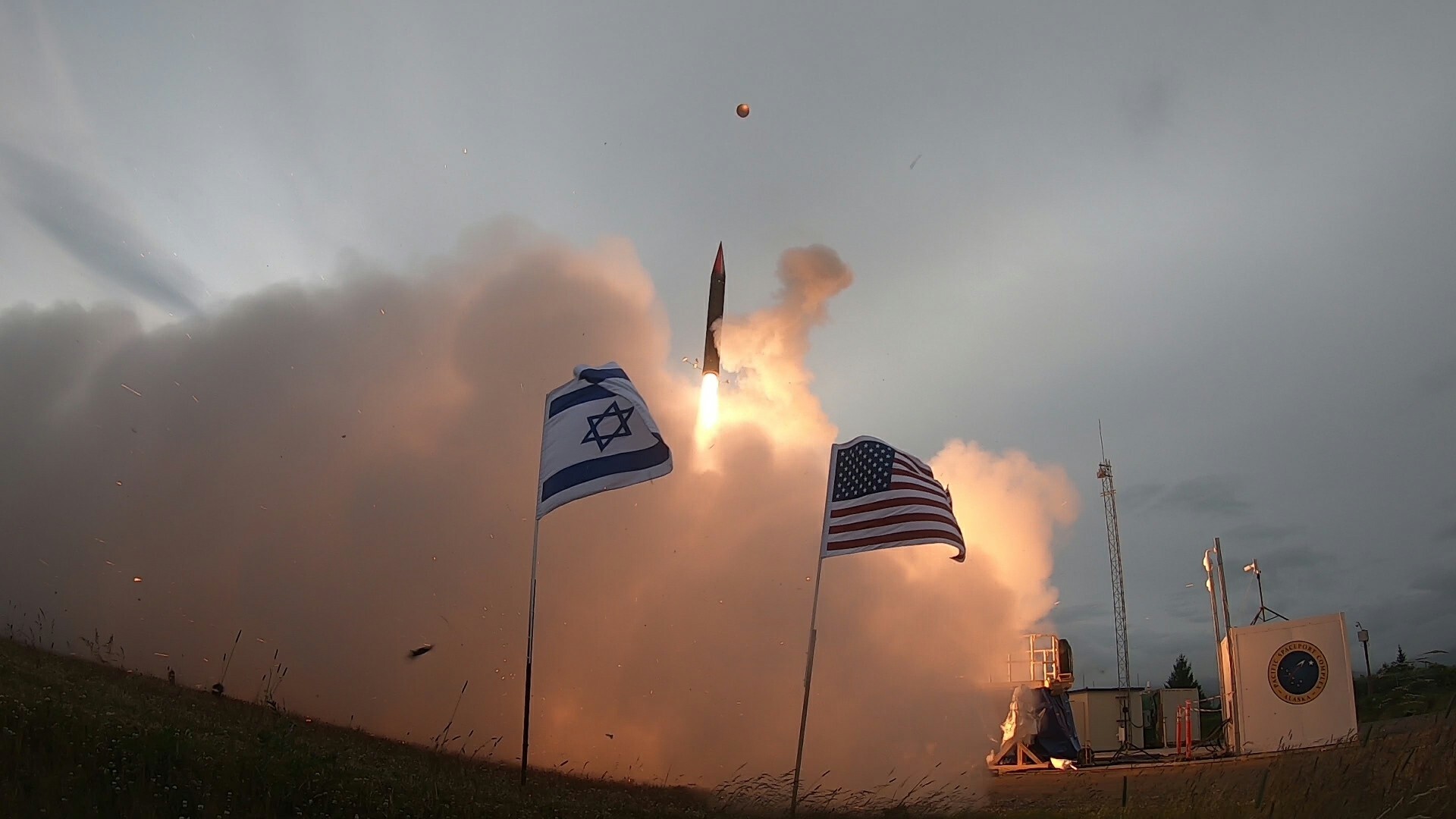
In popular imagination, Israel’s highly layered air defence network is often greatly misunderstood. The Iron Dome system has become an almost household name and is the inspiration for the naming of the US’s very different Golden Dome.
But Iron Dome is one of the lowest tiers and is not “the” Israeli air defence. The highest layer of the Israeli system is the Arrow 3 system.
Understanding Israel’s layered air defence system
Israel’s layered air defence system provides different systems to intercept different threats, as well as some overlapping opportunities to defeat the same threat.
At the lowest level is the new Iron Beam directed-energy weapon to defeat threats like rockets, mortars, UAVs, and other close-range threats. It is unclear how effective this new layer is yet.
The lower tier is provided by the mature Iron Dome system, which provides defence against short-range rockets, artillery rockets, and some UAVs and cruise missiles.
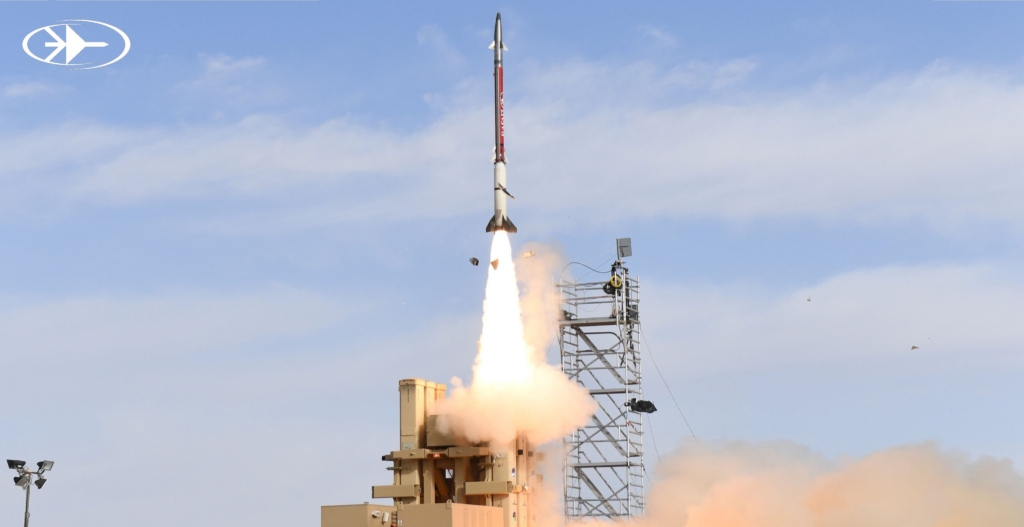
A video in 2025 appeared to show it defeating an Iranian ballistic missile. This is not its regular role, and it may be an edge capability and a last-ditch effort.
The middle layer is provided by David’s Sling, which is the main system that replaced Patriot in Israeli service, although part of the role was also absorbed by Arrow 2. David’s Sling defeats medium-range threats like large rockets, SRBMs, cruise missiles, and aircraft.
The upper-to-lower layer is the Arrow 2. Arrow 2 offers high-altitude and end-game air defence against ballistic missiles. The highest layer is the Arrow 3 system.
Israel’s top-tier Arrow 3 air defence
Arrow 3 is designed to operate in exo-atmospheric interception against long-range ballistic missiles. It is the Israeli counterpart to the US Army’s THAAD, although THAAD has both endo- and exo-atmospheric capability.
The Arrow system is built by Israel Aerospace Industries and is designed to destroy ballistic missiles during the midcourse portion of the trajectory. The system allows Israel to have an interception opportunity very early in the threat’s flight.
IAI describes it as “designed to intercept and destroy the newest, longer-range threats, especially those carrying weapons of mass destruction.”
The system is composed of Green Pine/Super Green Pine radars, battle-management and command systems, fire-control systems, Arrow 3 interceptors, and associated communications/networking.
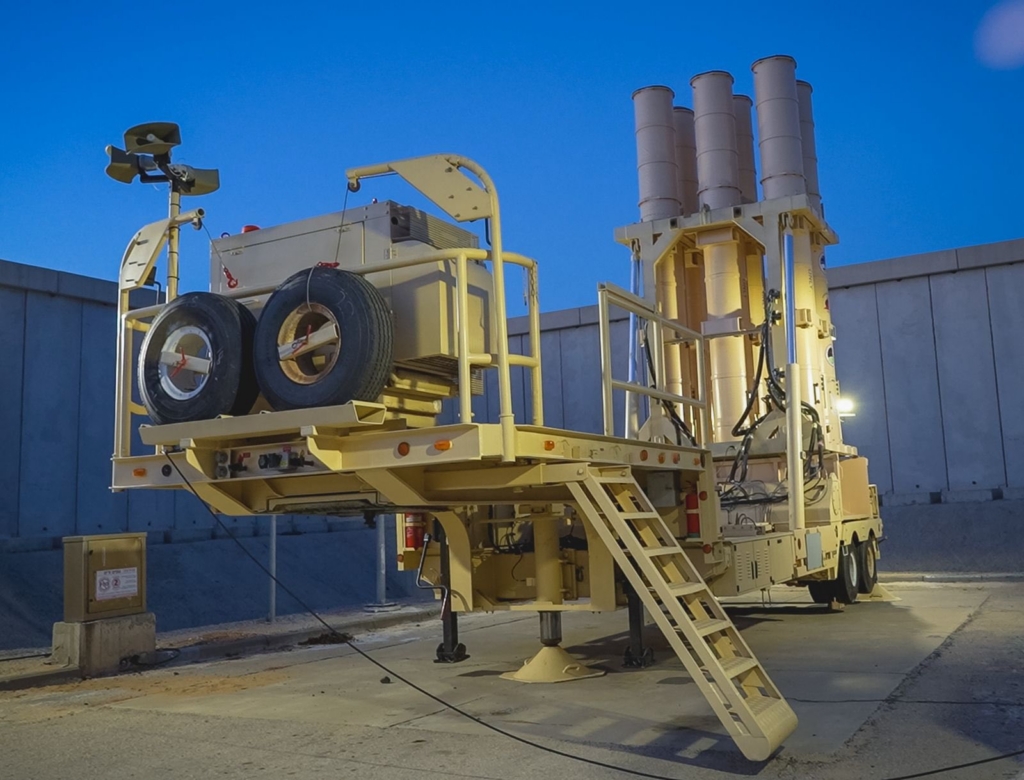
The contractor, IAI, says, “At the heart of the Green Pine Radar Systems lies the revolutionary Active Electronically Steering Array (AESA) technology.” This is Arrow 3’s long-range sensor that detects and tracks incoming ballistic missiles and provides the initial trajectory data.
If the radar is the eyes of the system, then the Battle Management & Command (BMC) is the brain. It takes radar tracks and calculates the engagement solution, coordinates the interception, and performs other roles.
The Fire Control systems handle the detailed fire-control functions that are needed to actually execute an Arrow engagement.
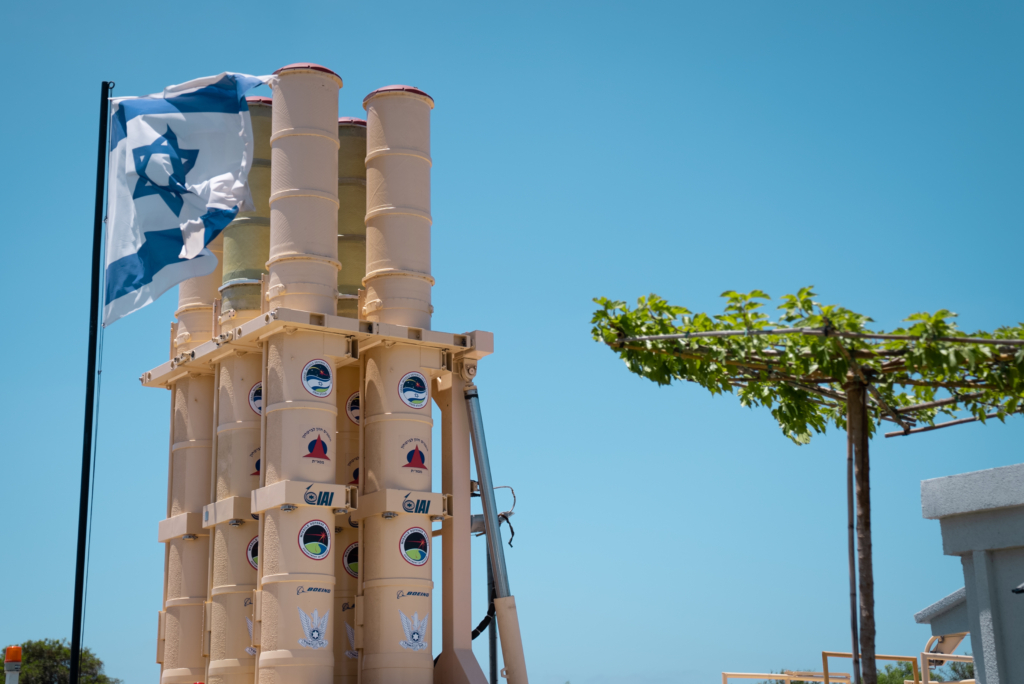
Finally, there’s what most images of the Arrow 3 system focus on: the Arrow 3 interceptor and launcher. The launcher houses the Arrow 3 missiles in sealed canisters. The interceptor missiles are highly manoeuvrable and use the hit-to-kill method.
The Arrow 3 system is itself a part of the larger Arrow Weapon System architecture that includes the lower-tier Arrow 2. They are complementary and have some interchangeable components.
The success of the Arrow 3 system
The Arrow 3 system took part in the June 2025 war with Iran and the subsequent 2026 war. From what is available publicly, the system proved successful in shooting down a large number of Iranian missiles, although the number attributable to Arrow 3 and its specific interception rate have not been disclosed.
Some analysts suggested that Israel’s air defence network encouraged Iran to target Arab neighbours more heavily than Israel in 2026. This was likely for a range of reasons. It allowed Iran to use its more numerous shorter-range systems, achieve higher hit rates, and apply other points of geopolitical pressure.
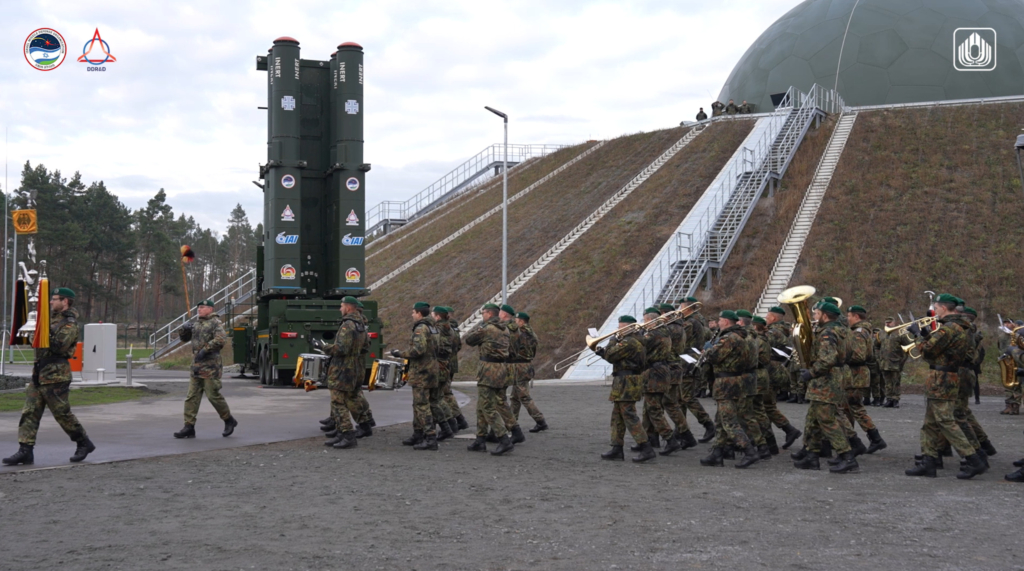
On the export market, the Arrow 3 system is also proving a success. Half of its success is by virtue of existing and being available at the right time. With defence budgets rising and security declining across Europe and elsewhere, a growing list of countries are purchasing various tiers of Israeli air defence systems.
The principal Western alternatives include the US’s THAAD and the SM-3/Aegis family, although these have different roles. THAAD is a very capable system, but it also comes with long lead times. Other Western and Western-aligned countries have simply not invested in building an analogue.
For countries like Greece that want a high-tier proven air defence system in a reasonable amount of time, the list of options is very short.
So far, the only confirmed foreign customer for the Arrow 3 is Germany, which signed the contract in 2023 for around €3.8 billion. Israel handed over the first systems in December 2025, at which point Germany increased its Arrow 3 order, doubling the estimated contract value.
Greece has not purchased the Arrow 3, but it has signed a contract for Achilles Shield that includes David’s Sling, BARAK MX, and other lower-tier systems along with radars. Finland is another David’s Sling customer.
Arrow 3 is an Israeli-designed and produced system. But it is also worth noting that, as with all of Israel’s air defence systems, there is substantial US participation, and the US maintains export controls and provides critical components.





