


Frankfurt Airport helps deaf passengers hear gate announcements with Bluetooth Auracast trial

4 min read

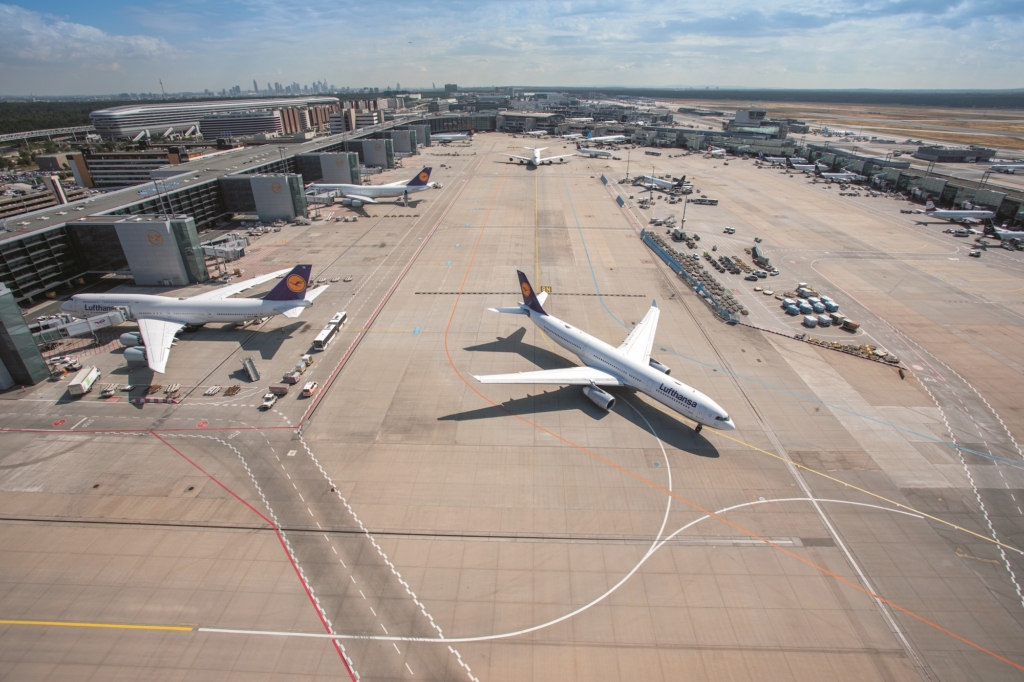
Frankfurt Airport has launched a world-first trial designed to help deaf and hard-of-hearing passengers clearly receive gate announcements, without relying on loudspeaker audio that can easily get lost in terminal noise.
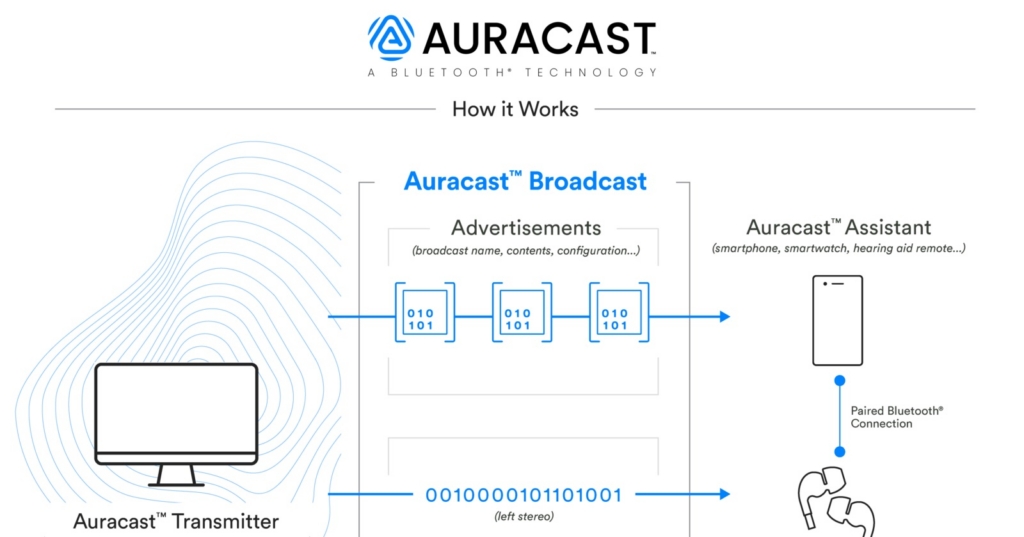
The airport operator Fraport says the initiative uses Auracast broadcast audio, a new Bluetooth technology that allows travellers to receive announcements directly to their hearing aids, earbuds, headphones, or smartphones.
The trial is currently underway at two gates in Terminal 1 – A16 and A17 – and will be evaluated over the coming weeks based on feedback from passengers and airport staff.
Why airport announcements can be difficult to hear
Busy airport terminals are filled with competing sounds—rolling suitcases, conversations, boarding queues, and general background noise—that can make PA announcements difficult to understand, even for passengers without hearing loss.
For many deaf and hard-of-hearing travellers, announcements can be especially challenging, potentially causing them to miss key updates such as:
- last calls for boarding
- gate changes
- delays and schedule disruptions
- security or operational instructions
Fraport’s goal is to ease traveller stress by improving accessibility.

“As the airport operator, we want our passengers to have a comfortable and relaxing stay at our terminals,” said Alexander Laukenmann, Senior Executive Vice President Aviation at Fraport AG. “By bringing clear, personalised announcements directly into passengers’ own hearing devices, we are offering another attractive service to our customers while at the same time taking an important step towards a more inclusive airport.”
How Auracast works at the gate
Auracast is a Bluetooth capability that converts public audio into a direct audio stream that passengers can tune in to on their own devices—similar to listening to a call or media feed.
Auracast-enabled earbuds or headphones work with a supported smartphone, such as a Pixel or a Samsung, or with an Auracast-enabled GN hearing device. Instead of relying on a single overhead speaker system serving everyone, the gate’s audio is transmitted so eligible passengers can access it as a personal stream, improving clarity and reducing interference from surrounding noise.
Fraport said this could significantly improve confidence among passengers with hearing loss, especially during high-stress moments such as late gate changes or final boarding calls.
Peter Justesen, President, GN’s Hearing division, said the aim is to give “passengers with hearing loss clearer access to gate information and a smoother, more confident journey. Our hope is that this pilot will inspire many more airports to embrace the next era of connected and accessible travel.”
JM Choi, Corporate Vice President and Head of Connectivity R&D, Mobile eXperience Business, Samsung Electronics, said the company’s technology “ensures a seamless, robust connection even in high-density airport environments, while significantly improving battery efficiency…enhancing accessibility and confidence for travellers.”
Partners for the Frankfurt Airport Auracast trial
The trial is part of a digital accessibility initiative funded by Distr@l, a public funding program from the German state of Hesse designed to support innovative digital projects and industry-research collaboration.
Fraport said the project is being carried out in collaboration with Sittig Technologies and Frankfurt University of Applied Sciences.
Johannes Sittig, CEO US at Sittig Technologies, which provides Frankfurt Airport’s PAXGuide announcement platform, described the system as a shift in how airports communicate:
“Auracast fundamentally changes how announcements work in airports,” he said, adding that the goal is to transform gate announcements into “a direct, personal audio service delivered straight to passengers’ own devices.”
A step toward “silent airports”
One potential long-term benefit is support for “silent airport” concepts, where loudspeaker announcements are reduced in favour of digital notifications and passenger-controlled information.
Auracast could make those quieter environments more practical by ensuring passengers still receive essential boarding announcements—but in a more targeted and accessible way.
Over the next two months, the airport and its partners will assess how well the technology performs in a real-world operational setting, including whether it improves comfort, accessibility, and passenger confidence.
If successful, the Frankfurt trial could become a blueprint for how airports worldwide modernise announcements to better support deaf and hard-of-hearing travellers — while also creating calmer, quieter terminal environments for everyone else.
Featured Image: Fraport


