Etihad completes A380 comeback as final superjumbo returns home after nearly six years

3 min read
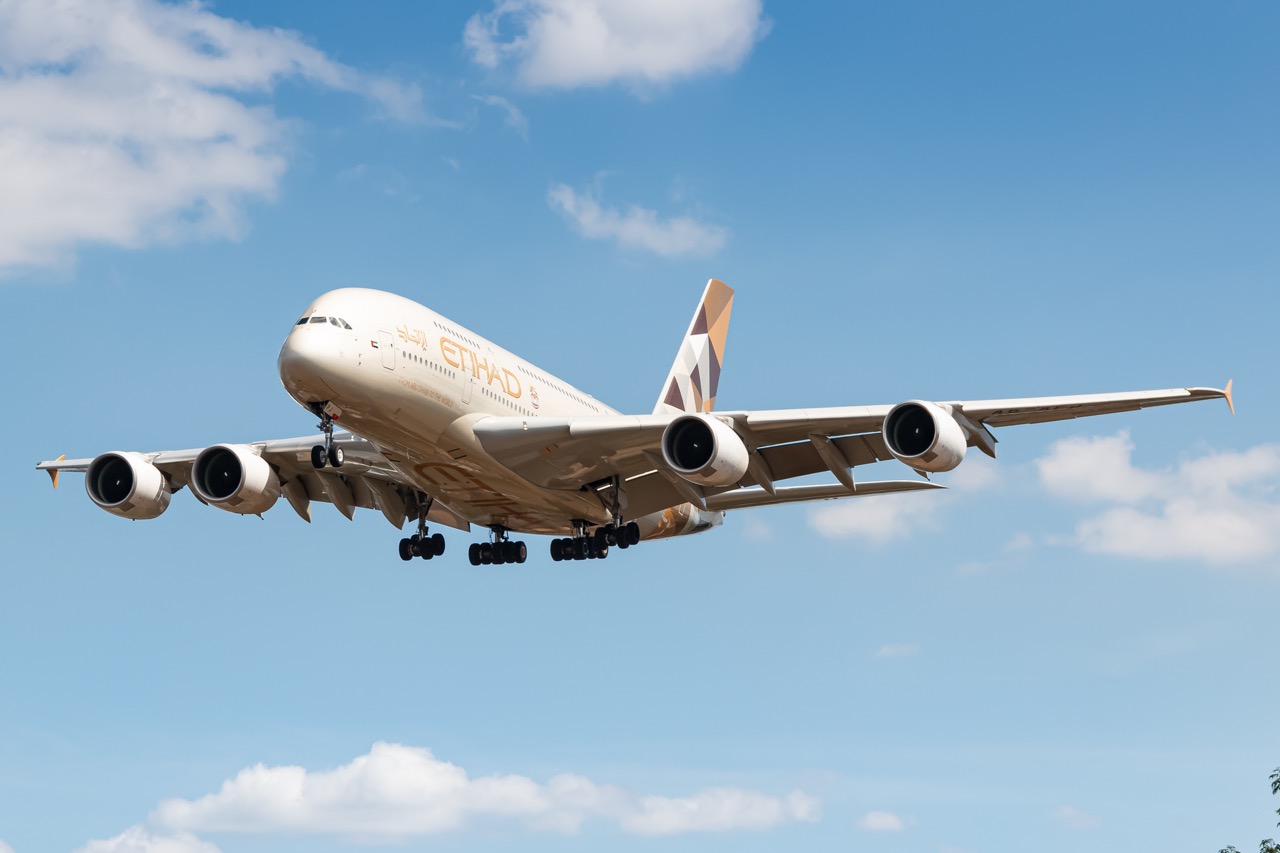
Etihad Airways has brought its final Airbus A380 out of long-term storage, marking an end to its post-Covid recovery plan for the superjumbo fleet.
The UAE carrier’s revival of its double-decker fleet saw the A380-800, registered A6-APB, depart Tarbes-Lourdes-Pyrénées Airport in southern France on September 17.
Etihad A380 returns to Abu Dhabi after six years
The widebody flew to Etihad’s Abu Dhabi hub where it will eventually be redeployed on passenger services.
The aircraft had been stored at Tarbes airport – one of Europe’s primary aircraft storage facilities – since December 2020, meaning it had spent almost six years on the ground.
The A380 had been dispatched to the airport during the Covid pandemic, having spent the first nine months parked in the UAE, when it became clear that a swift recovery in travel demand would not be realised.
A6-APB is the ninth and final A380 to be returned from Etihad’s storage, and comes despite the broader impact of the Iran conflict on airlines in the Gulf.
From an initial fleet of 10 A380s, only one was set to scrapheap
The airline originally operated 10 of the double-deck aircraft, all of which were grounded during the Covid-19 pandemic as international travel collapsed. One of the aircraft, A6-APA, was subsequently scrapped in 2025.
The latest aircraft is not expected to immediately return to passenger operations. It will undergo further heavy maintenance in Abu Dhabi before carrying passengers.
Etihad had indicated during the pandemic that its A380s may never return to service.
The fuel-hungry aircraft were permanently dropped by several operators following Covid, with the aircraft requiring large loads to justify its deployment on a given route.
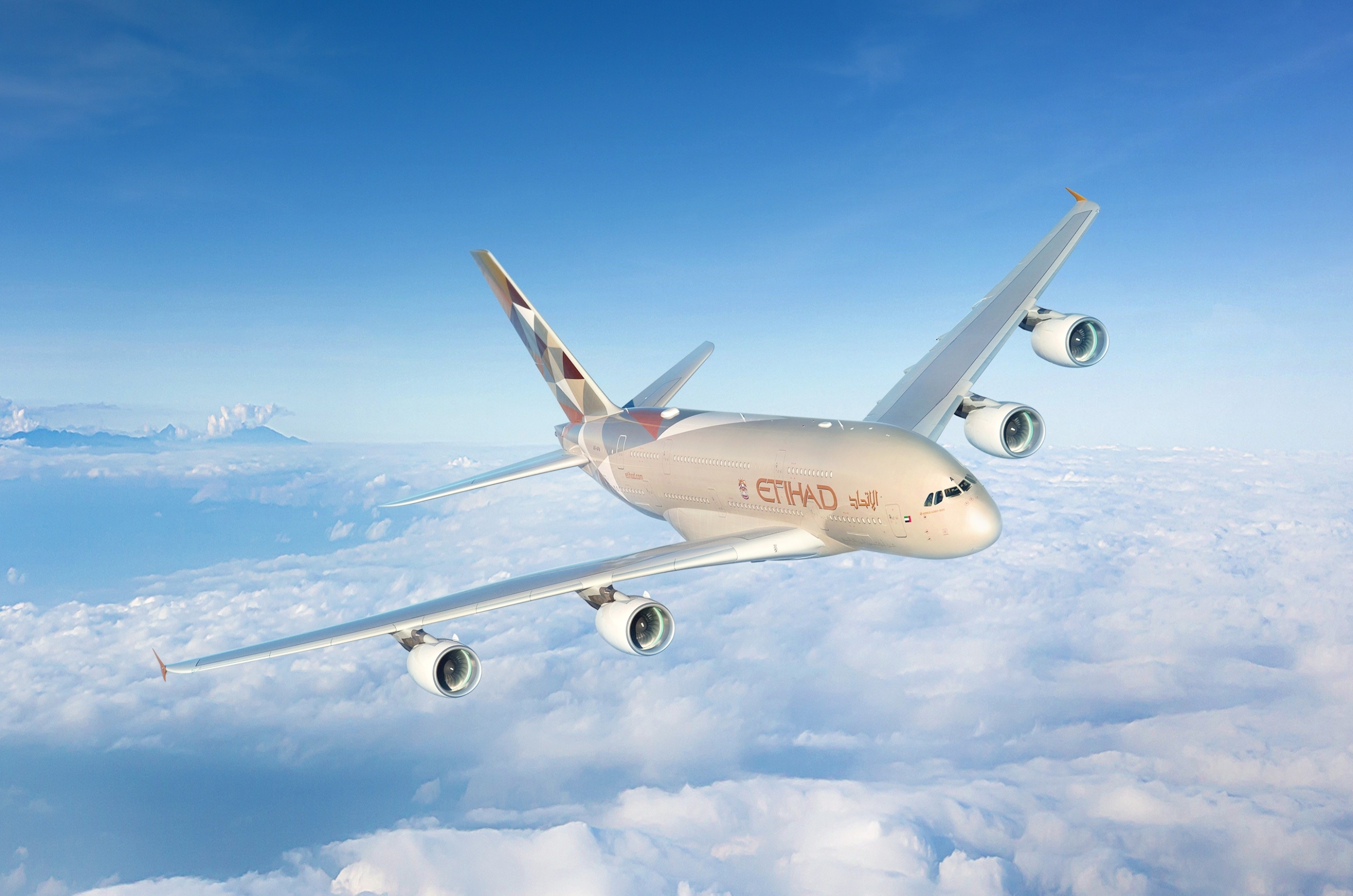
However, the big three Middle Eastern carriers have found a use for the hugely popular aircraft, supported by a recovery in long-haul and premium travel.
How Etihad has made the A380 work
The A380 – central to fellow UAE carrier Emirates’ business model – has become an increasingly important part of Etihad’s premium offering, particularly because of its distinctive cabin, which includes The Residence.
Accommodating up to two passengers, The Residence features a private living room, a separate bedroom, and an ensuite bathroom complete with a private shower.
Etihad currently deploys its A380s on some of its highest-demand routes. The aircraft operates to destinations including London Heathrow, Paris, Toronto, Singapore and Tokyo, with Paris receiving two daily A380 services during summer 2026.
The carrier has also indicated that it intends to keep its A380s flying into the next decade, despite the type’s higher operating costs compared with newer twin-engined aircraft.
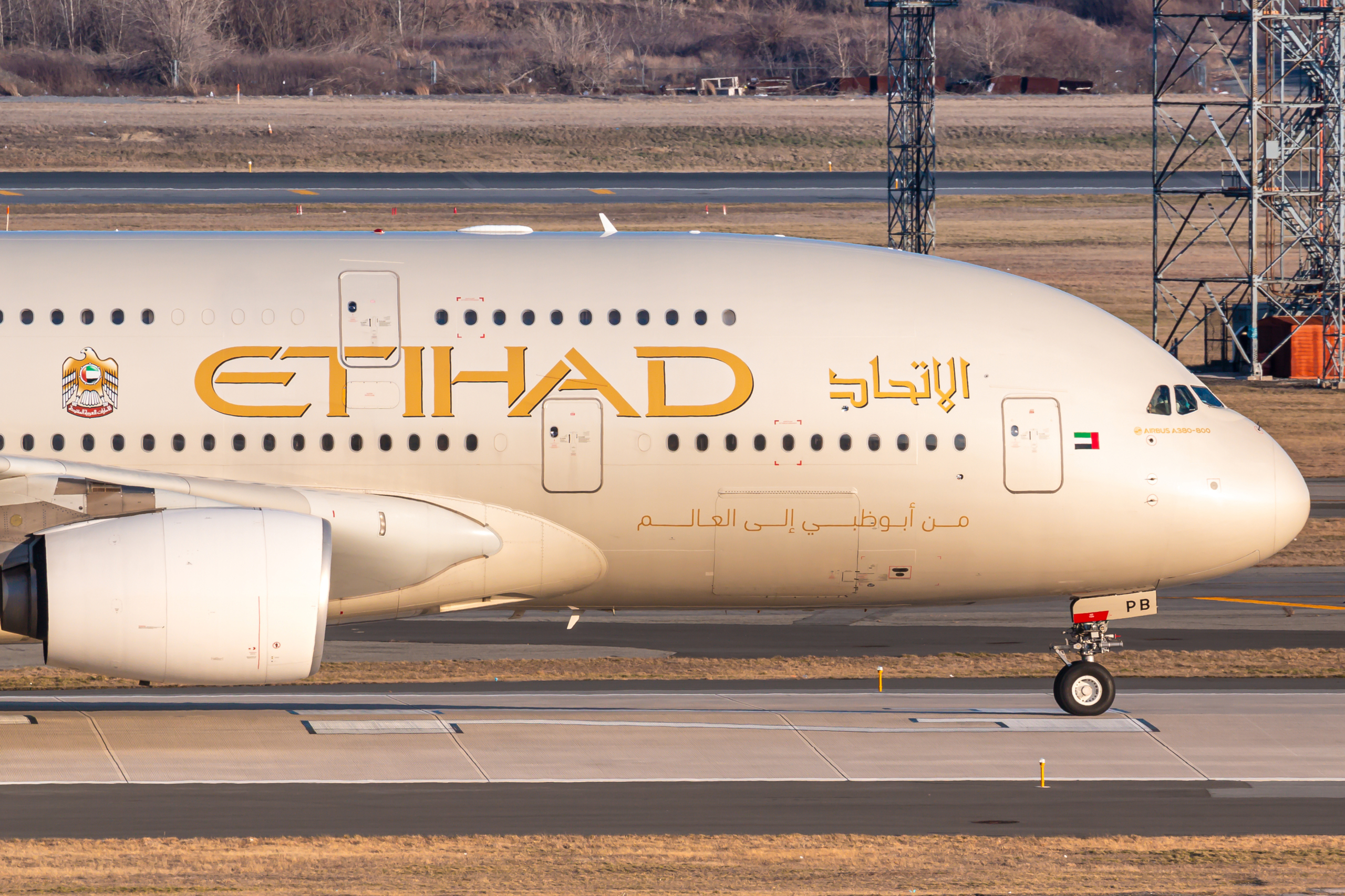
The return of A6-APB means all nine of Etihad’s surviving A380s will eventually be back in operation.
Etihad sent its A380 to Tokyo for the first time this summer, with the aircraft having touched down for the first time at Tokyo’s Narita International Airport on 18 June.
Etihad restores two A380s in a single year
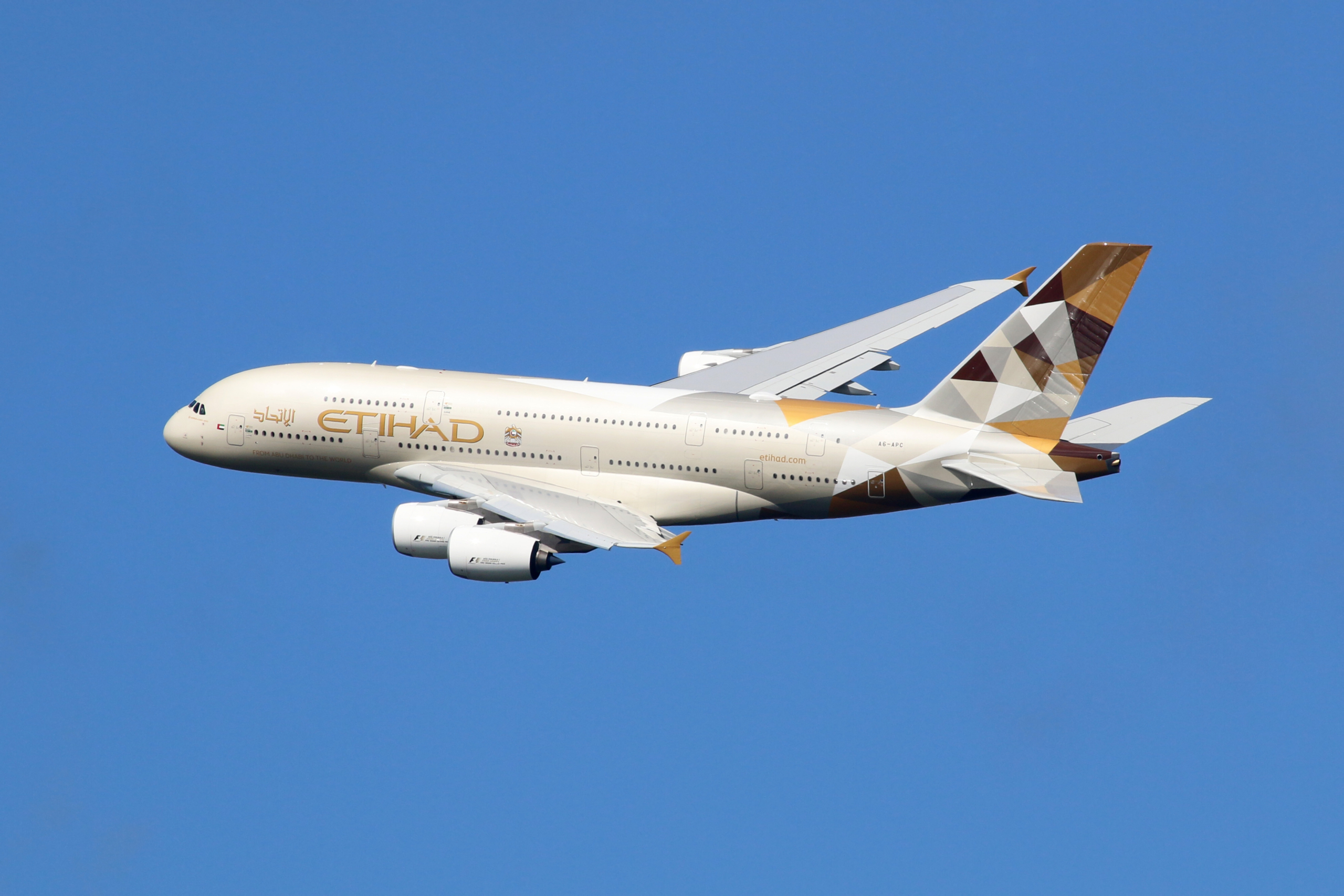
A6-APB is the second Etihad A380 to be reactivated this year. In January, A6-APC was flown from Tarbes-Lourdes to Etihad’s home base.
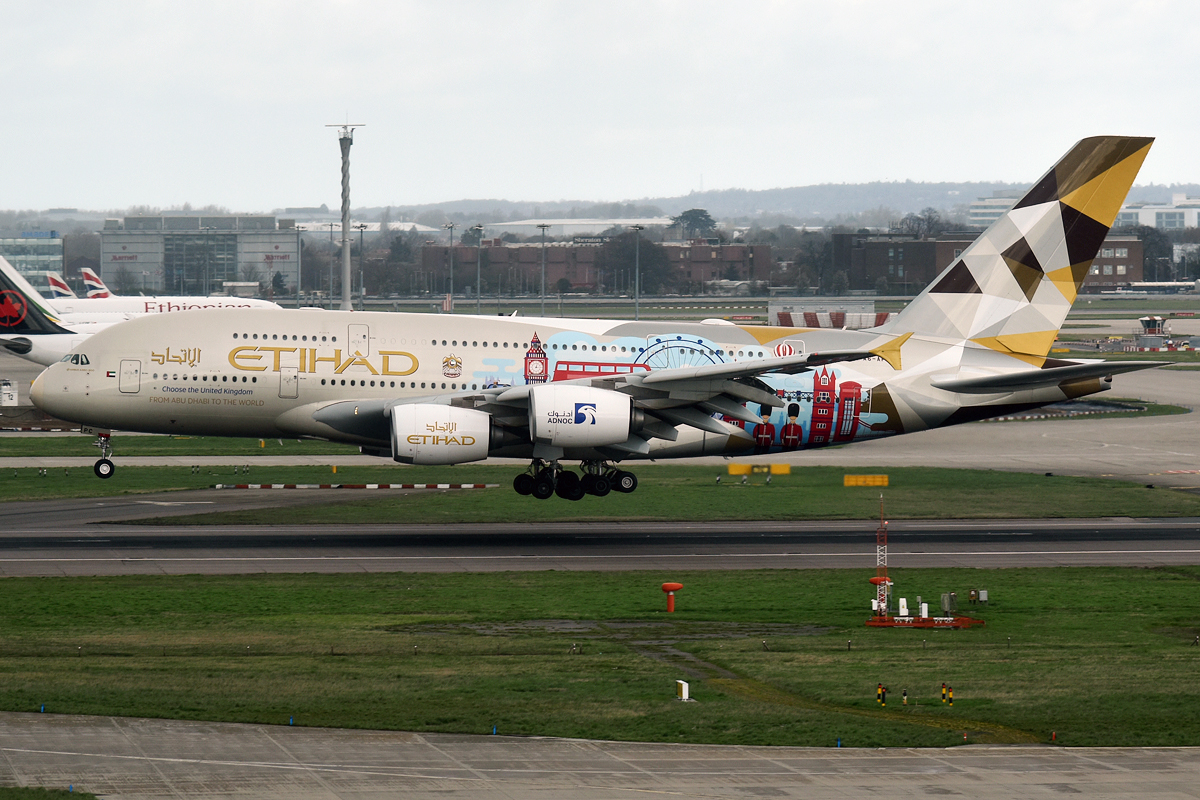
That Airbus A380 was one of two that received the ADNOC ‘Choose the UK’ livery. The liveries in this series were part of a partnership between Etihad and ADNOC (Abu Dhabi National Oil Company), celebrating key partners around the world.
Etihad returned its first A380 to revenue service in 2023, initially on flights between Abu Dhabi and London Heathrow, where premium demand and slot constraints made the aircraft particularly attractive.
Since then, Etihad has expanded A380 operations as part of its focus on rebuilding capacity.
Sign up for our newsletter and get our latest content in your inbox.


More from

October 11, 20263 min read