


Could future fighters fly without pilots?

3 min read
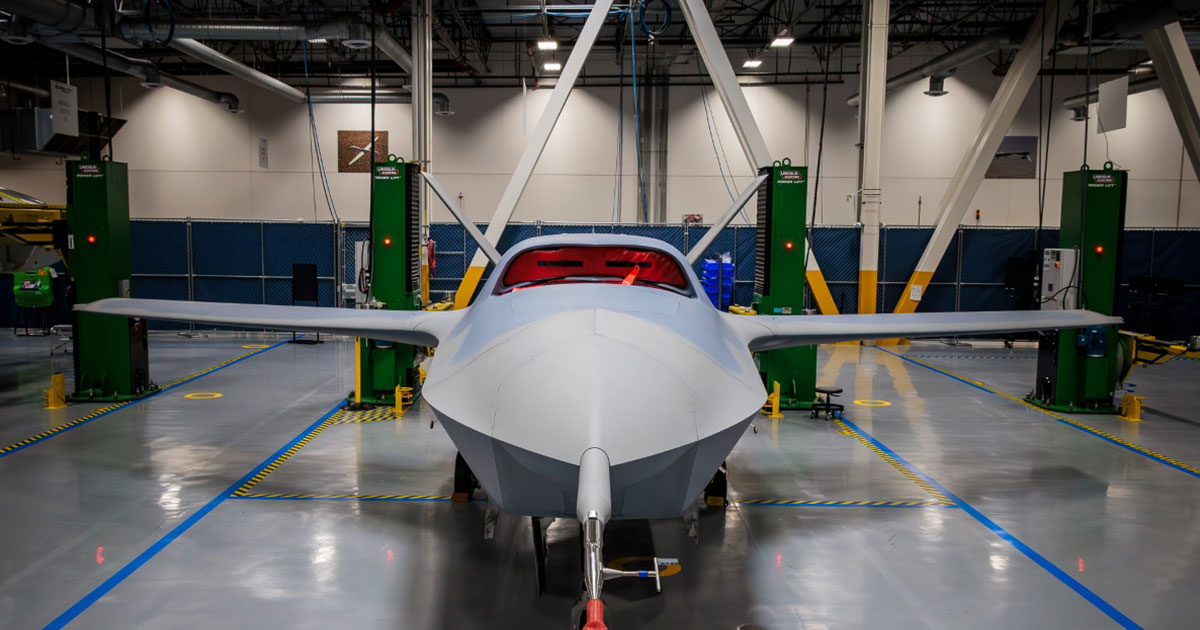
For generations, fighter aircraft have depended on pilots to fly, assess threats and make decisions in combat. But that could all change as artificial intelligence (AI) and autonomous flight technology reshape military aviation.
The United States is already testing uncrewed combat jets, while the UK, Italy and Japan are developing a next-generation fighter designed to work with uncrewed aircraft. So, could future fighters really fly without pilots?
US uncrewed fighter jets take shape
The US Air Force’s Collaborative Combat Aircraft (CCA) programme is developing two uncrewed jet prototypes: the YFQ-42A, built by General Atomics, and the YFQ-44A, developed by Anduril.
These aircraft are intended to support crewed fighters by scouting ahead, identifying threats, carrying weapons or acting as decoys. Their purpose is to give air forces more aircraft and tactical options without requiring a pilot in every cockpit.
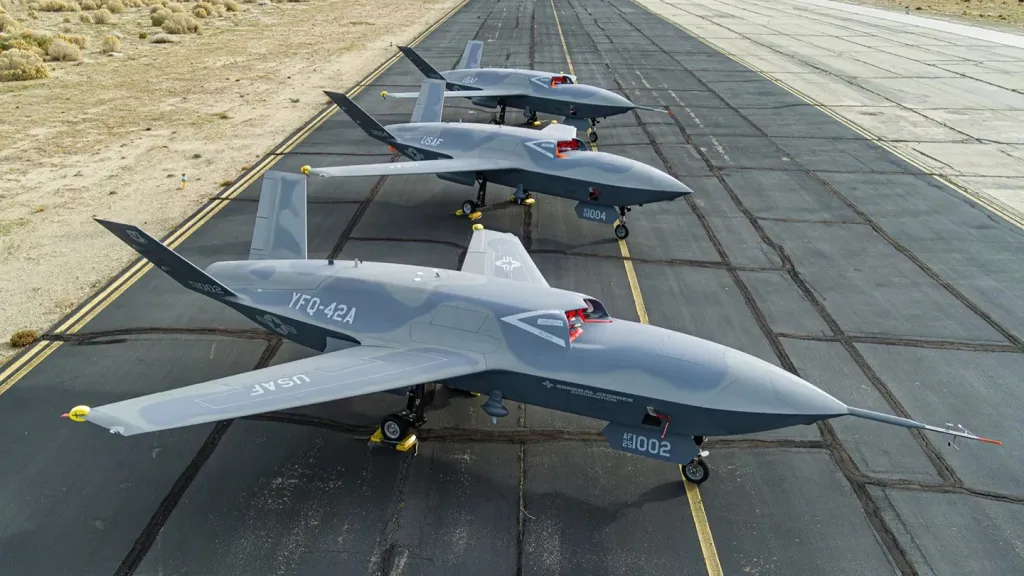
The YFQ-42A completed its first flight in August 2025. The wider programme aims to develop aircraft that can work alongside existing fighters, although their final capabilities and operational roles are still being established.
How does AI control a combat aircraft?
An autopilot can maintain altitude and follow a flight path. An autonomous combat aircraft needs more advanced software to interpret sensor information, respond to changing conditions and carry out assigned tasks.
AI can help process information from radar and other sensors, allowing an aircraft to identify possible threats and share information with its crewed partners. Secure data links connect aircraft with pilots and command centres, while mission software determines how the aircraft responds to instructions.
The technology must also cope with electronic jamming, communication failures and misleading sensor data. If an aircraft loses contact with its operator, it needs a safe and predictable way to respond.
The UK’s sixth-generation fighter plans
The UK’s Global Combat Air Programme (GCAP), developed with Italy and Japan, aims to bring a next-generation combat aircraft into service from 2035.
Unlike the American CCA prototypes, GCAP centres on a crewed fighter. Its planned capabilities include stealth features to reduce radar detection, advanced sensors, high-speed data sharing and AI-assisted decision-making.
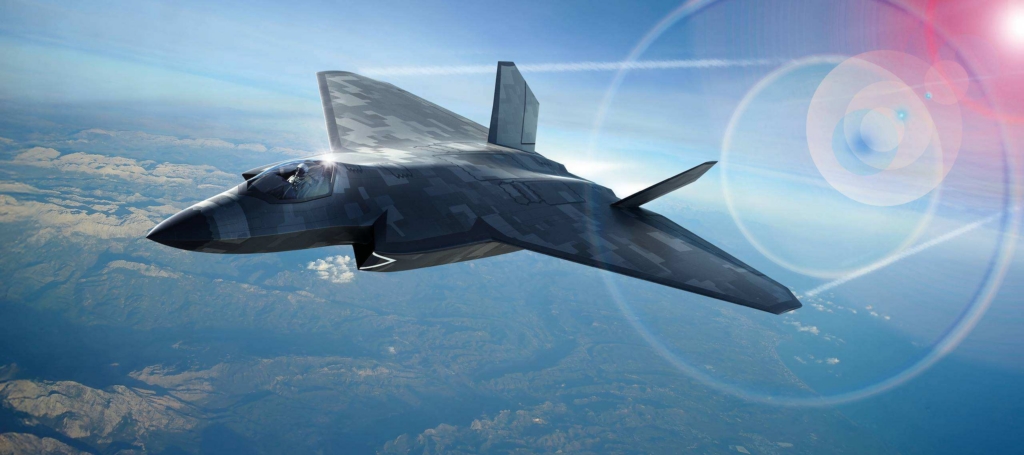
The wider programme is also intended to connect the fighter with uncrewed aircraft and other military systems. These aircraft could extend its reach, gather intelligence or carry additional equipment, allowing the crewed jet to coordinate a broader mission.
Can autonomous fighters be trusted?
Removing the pilot could reduce the risk of human casualties and allow air forces to deploy more aircraft. But uncrewed jets still require engines, maintenance, sophisticated sensors and secure software, so their overall costs will depend on how they are built and operated.
There are also serious questions about the use of weapons. Software may identify a potential target, but determining whether an attack is lawful requires careful judgement. Governments therefore need to establish clear rules for when a machine can act independently and when human approval comes into play.
What comes next for fighter aircraft?
The most immediate change is likely to be cooperation between crewed fighters and uncrewed combat aircraft, rather than the complete disappearance of pilots.
A future fighter pilot could coordinate several aircraft, assigning tasks while onboard software manages routine flight and selected mission functions. That would change the pilot’s role from controlling one jet to overseeing a wider team of machines.
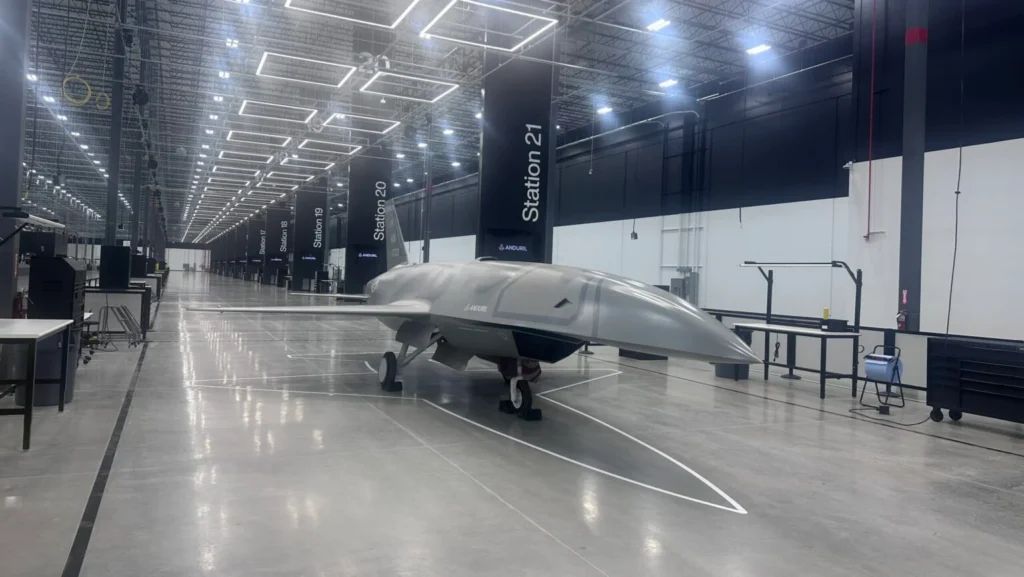
For aerospace manufacturers, the challenge will be to combine reliable aircraft engineering with software that performs safely under pressure.
The technology is advancing, but deciding how much independence to give a combat aircraft will still be as important as making it fly.
Sign up for our newsletter and get our latest content in your inbox.


More from

October 30, 20264 min read


