Why the Airbus A380 remains a passenger favourite 20 years after its first flight

5 min read
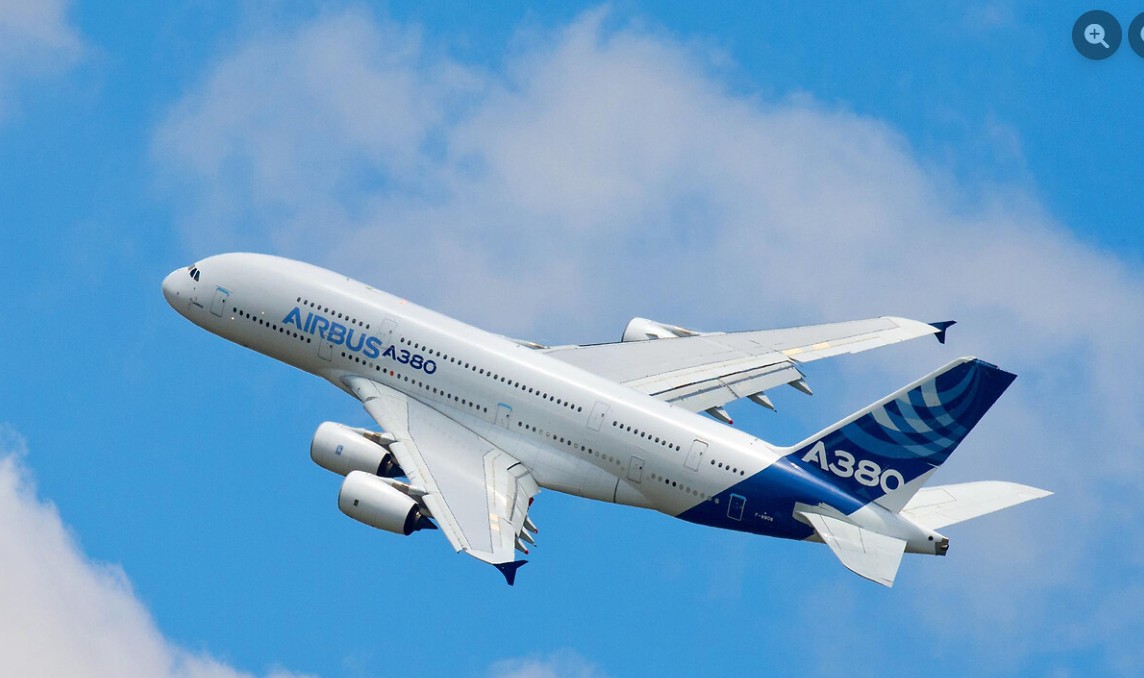
When the Airbus A380 took to the skies for the first time in April 2005, it embodied aviation’s biggest ambitions.
Over twenty years later, despite the end of production, the double-deck giant remains a passenger favourite thanks to its spacious cabins, quite ride and unique onboard experience.
Here’s why the superjumbo is one of the industry’s most enduring icons.
Why do passengers still love flying on the Airbus A380?
A technological milestone, the A380 features a full-length double-deck design, advanced fly-by-wire systems, extensive use of lightweight composite materials and quieter, more fuel-efficient engines.
The design also focuses heavily on passenger comfort, with wider seats, larger windows, and space for lounges, showers, and suites.
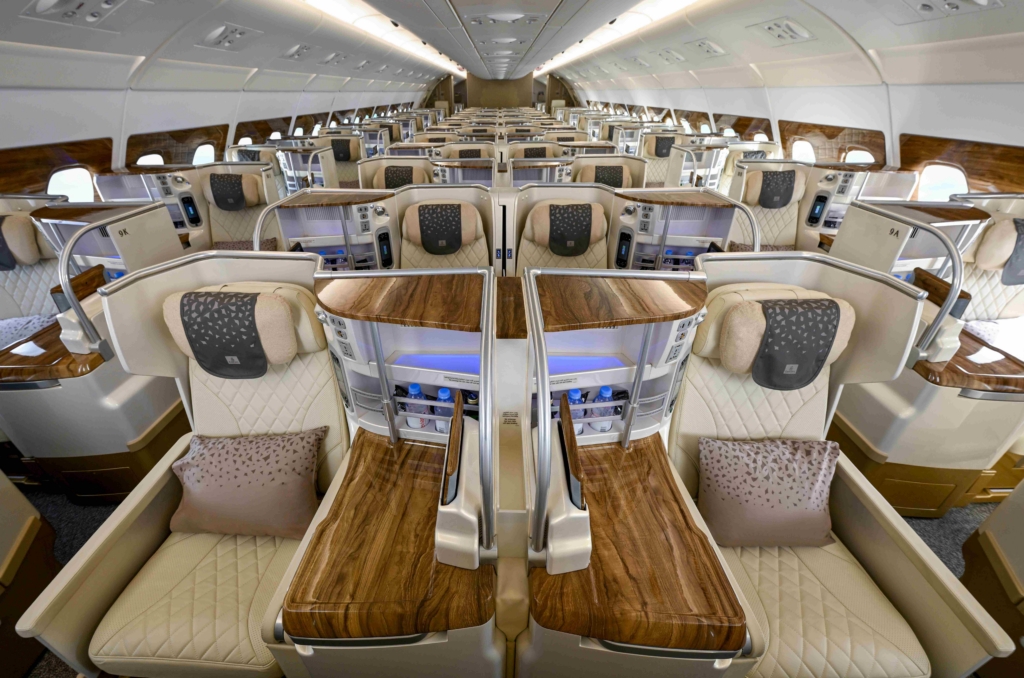
Part of the A380’s enduring appeal comes down to physics. The largest plane ever built, measuring 73 metres long with a wingspan of nearly 80 metres, its sheer size and weight give it a stability in the air that smaller jets can’t match.
As a result, turbulence often feels like a gentle wobble on the A380. For anxious passengers in particular, that smooth ride, quiet engines and spacious cabins are all part of its appeal.
The A380 also raised the bar for environmental standards with its low fuel consumption per passenger, which surpassed equivalent aircraft in size and passenger capacity.
Innovative technologies also reduce noise levels, as well as CO2 and NOx emissions, while lightweight composites and sophisticated engine technology improve fuel performance and efficiency, consuming about 3.1 liters of fuel per 100 passenger-kilometres.
What is it like to fly on an Airbus A380?
Featuring a two-deck design that can accommodate up to 850 passengers in an all-economy layout, space is also integral to the A380’s appeal.
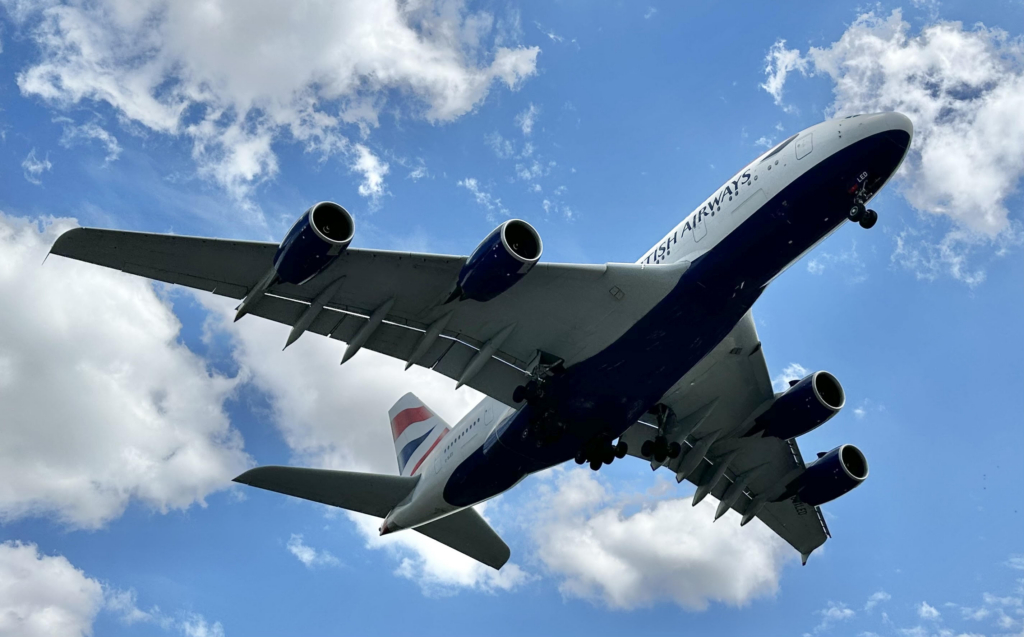
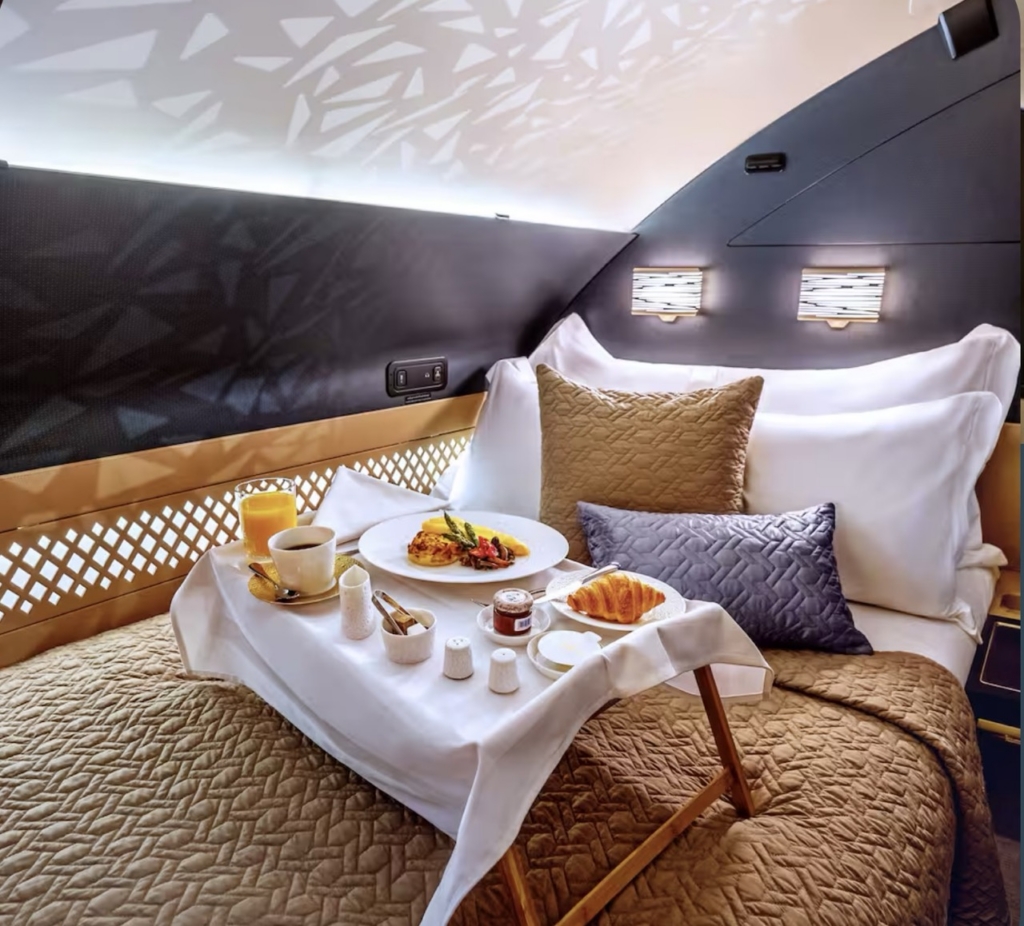
It is the only widebody in regular service with a full-length upper deck, and airlines have used that extra space well. Onboard bars, shower spas in first class, luxurious suites, wider seats, more personal space, and higher standing height help even economy feel less cramped.
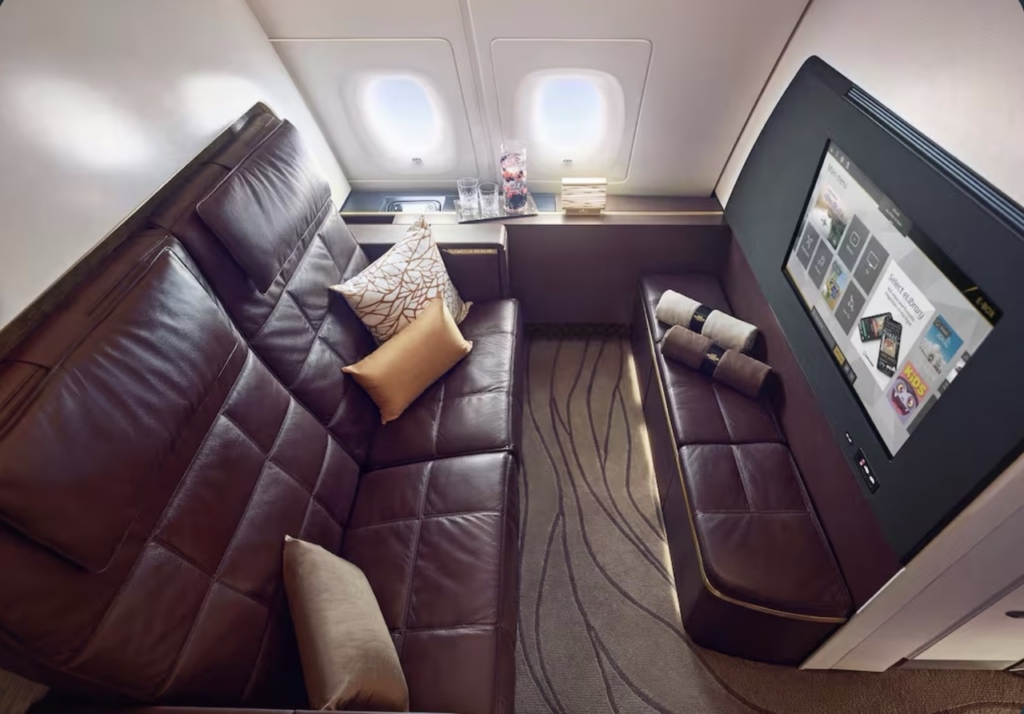
Every seat has a window, and the cabin features LED mood lighting and air exchange every 2-3 minutes to improve passenger comfort. The double-decker airliner gives passengers room to move and adds to the sense of occasion that isn’t matched on single-aisle or twin-aisle jets. That “glamour factor” has become part of the aircraft’s identity.
The A380’s main deck typically features a large section dedicated to economy seats in a 3-4-3 configuration. The upper deck often offers a mix of business and first-class seating, with configurations ranging from 2-4-2 in economy to 1-2-1 in business class.
When did the Airbus A380 enter service and why was it significant?
First rolled out to the world’s media in January 2005, the A380 entered passenger service in 2007. Singapore Airlines flew the first commercial flight from Singapore to Sydney. Airbus went on to build 251 of the aircraft type before ending production in December 2021.
Why did Airbus stop producing the A380?
Airbus began developing the A380 in the early 1990s to meet demand for rapidly increasing passenger travel, but by the time it launched in 2007, the market was already shifting away from the hub-and-spoke model the aircraft was designed for. By 2019, demand was declining, and the COVID-19 pandemic further impacted operations across the global A380 fleet.
High production costs – estimated at between US$26,000 and US$29,000 per hour – proved an economic challenge, particularly if flights weren’t operating at capacity.
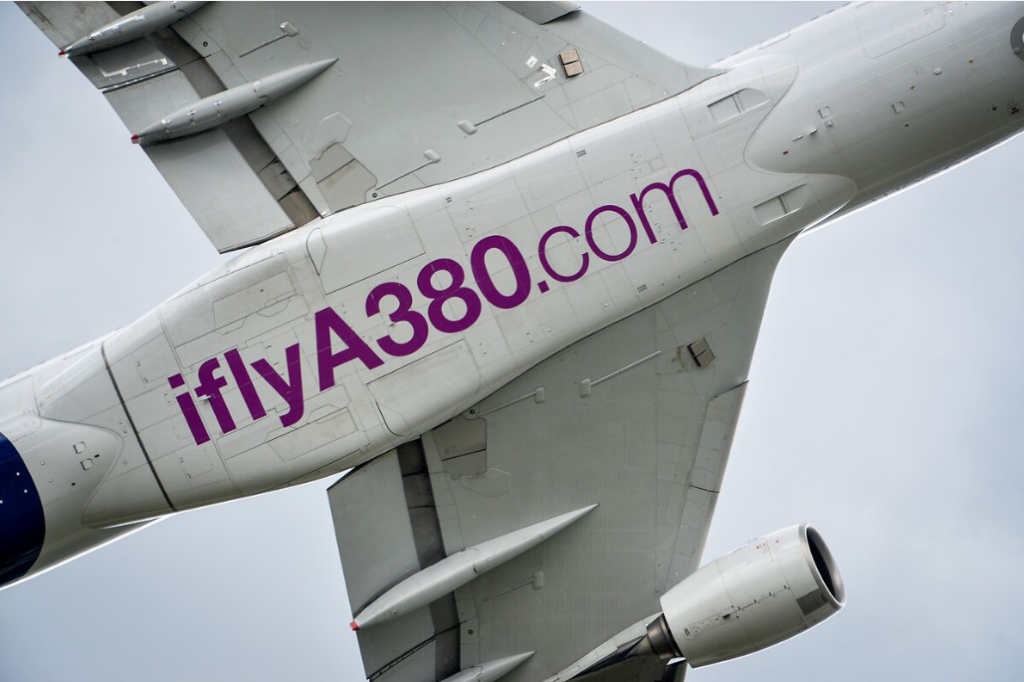
The aircraft’s size also required substantial ground infrastructure modifications to accommodate the aircraft type. This included widening runways, reinforcing taxiways, and expanding terminals, which limited its operational viability to a small number of major international airports.
How many Airbus A380s are still flying today?
Despite that production line closing five years ago, the A380 remains an icon of the skies and is enjoying something of a second act. As of early 2026, there are still 190 active A380s plying the world’s airways across 10 operators, including Emirates, Singapore Airlines, British Airways, Qatar, All Nippon Airways, Qantas, Korean Air, Air France, Etihad and Malaysia Airlines.

Airports including Dubai and Heathrow, which are constrained on take-off and landing slots, have found the A380’s huge passenger capacity to be an efficient way to maximise revenue per movement.
Why is Emirates still investing in the Airbus A380?
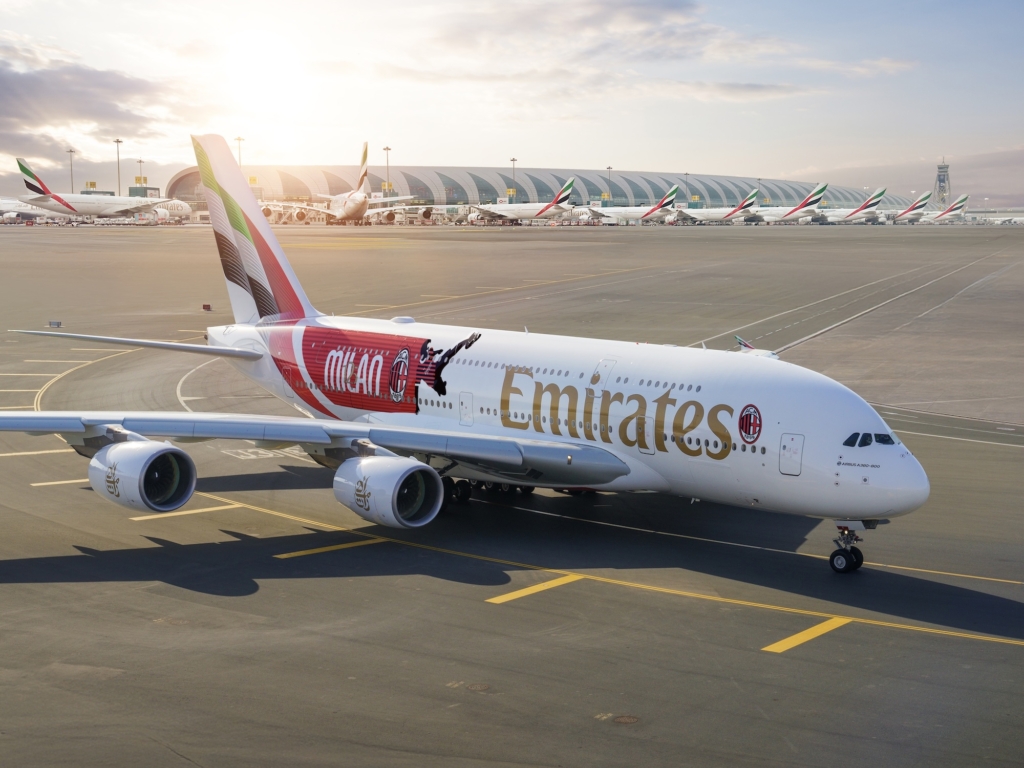
No airline is more associated with the A380 than Emirates. Of the 251 aircraft built, 123 of them went to the Dubai-based carrier. It still operates 116 of them today, with Dubai anchoring the busiest A380 routes globally, including its high-frequency service to London Heathrow.
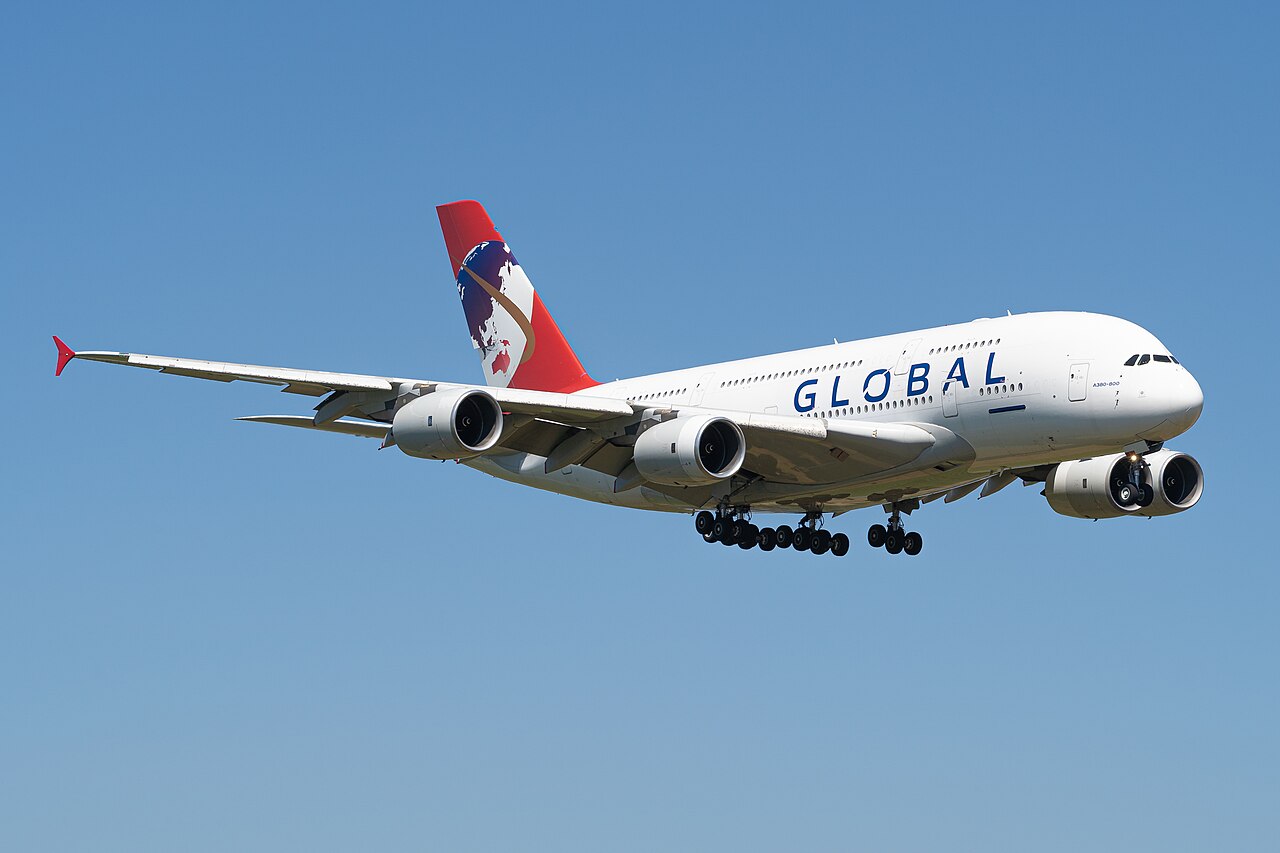
More recently, Global Airlines, a UK startup, bet on the A380 as its launch aircraft specifically to bridge the Atlantic on high-traffic routes between the UK and New York.
In conjunction with Hi Fly Airlines of Malta, the company’s single A380, a former China Southern aircraft registered as 9H-GLOBL, operated four charter flights under Hi Fly Malta’s Air Operator’s Certificate, branded as Global Airlines, in May 2025. However, the aircraft has not carried any further fare-paying passengers since then and remains in long-term maintenance.
What aircraft will replace the Airbus A380?
While there is no direct successor to the A380, both Airbus and Boeing have moved toward twin-engine widebodies instead. This includes the Airbus A350-1000 and Boeing’s 777X, both of which offer much of the range and capacity airlines need with lower fuel burn and operating costs, but without the complexity of four engines.

Rather than a single aircraft replacing the A380 seat-for-seat, airlines are expected to lean on these next-generation widebodies, deployed in greater numbers as their A380 fleet eventually ages out.