Boeing MH-139 Grey Wolf finally cleared for US Air Force nuclear security missions

4 min read
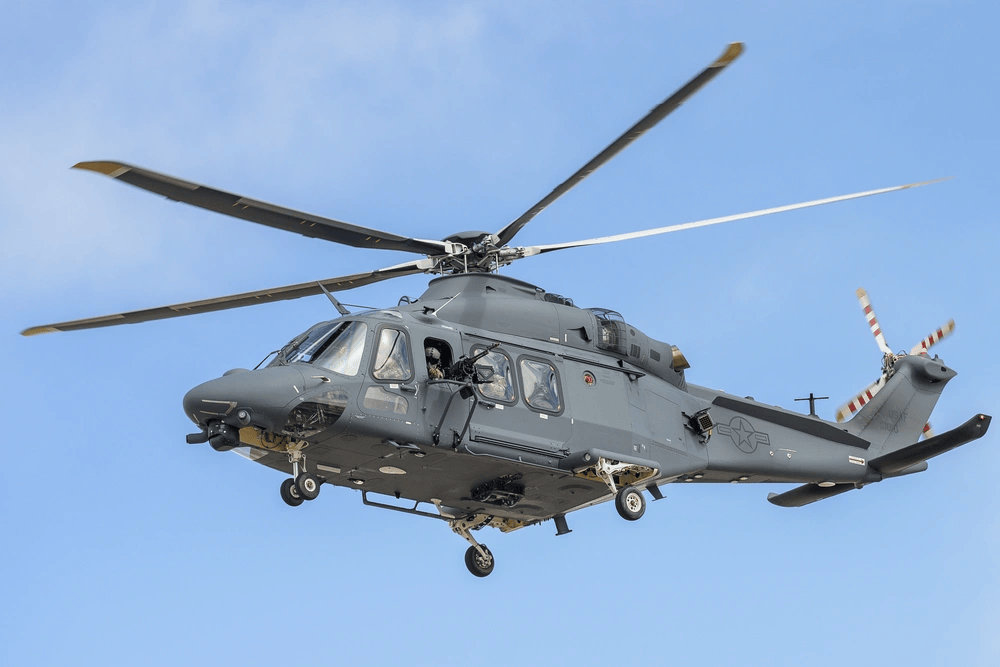
The US Air Force’s (USAF) long-awaited transition to a new helicopter type for its nuclear security mission has reached a major milestone.
The Boeing MH-139A Grey Wolf officially achieved Initial Operational Capability (IOC) on 10 August, marking the beginning of its operational replacement of the Vietnam-era UH-1N Huey in the USAF’s Global Strike Command’s nuclear security operations.
The MH-139A Grey Wolf enters USAF service
The milestone is a significant event for the USAF as the new helicopters have a demanding job in helping protect the United States’ land-based nuclear deterrent.
For more than five decades, UH-1N Hueys have supported security forces responsible for safeguarding the nation’s intercontinental ballistic missile (ICBM) fields. The Grey Wolf is intended to bring substantially greater speed, range, payload, and survivability to that mission.
The MH-139A is based on the commercial Leonardo AW139 helicopter, but it has been modified by Boeing for military requirements. The USAF selected the aircraft to replace the UH-1N, which entered USAF service in 1970 and has remained a fixture of nuclear security operations ever since.
The replacement is not simply about retiring an ageing aircraft. The USAF operates missile fields spread across enormous areas, where security forces may have to respond quickly to incidents many miles from their home base.
At Malmstrom Air Force Base, Montana, for example, the missile complex covers approximately 13,800 square miles (35,740 sq km) and includes more than 100 launch facilities.
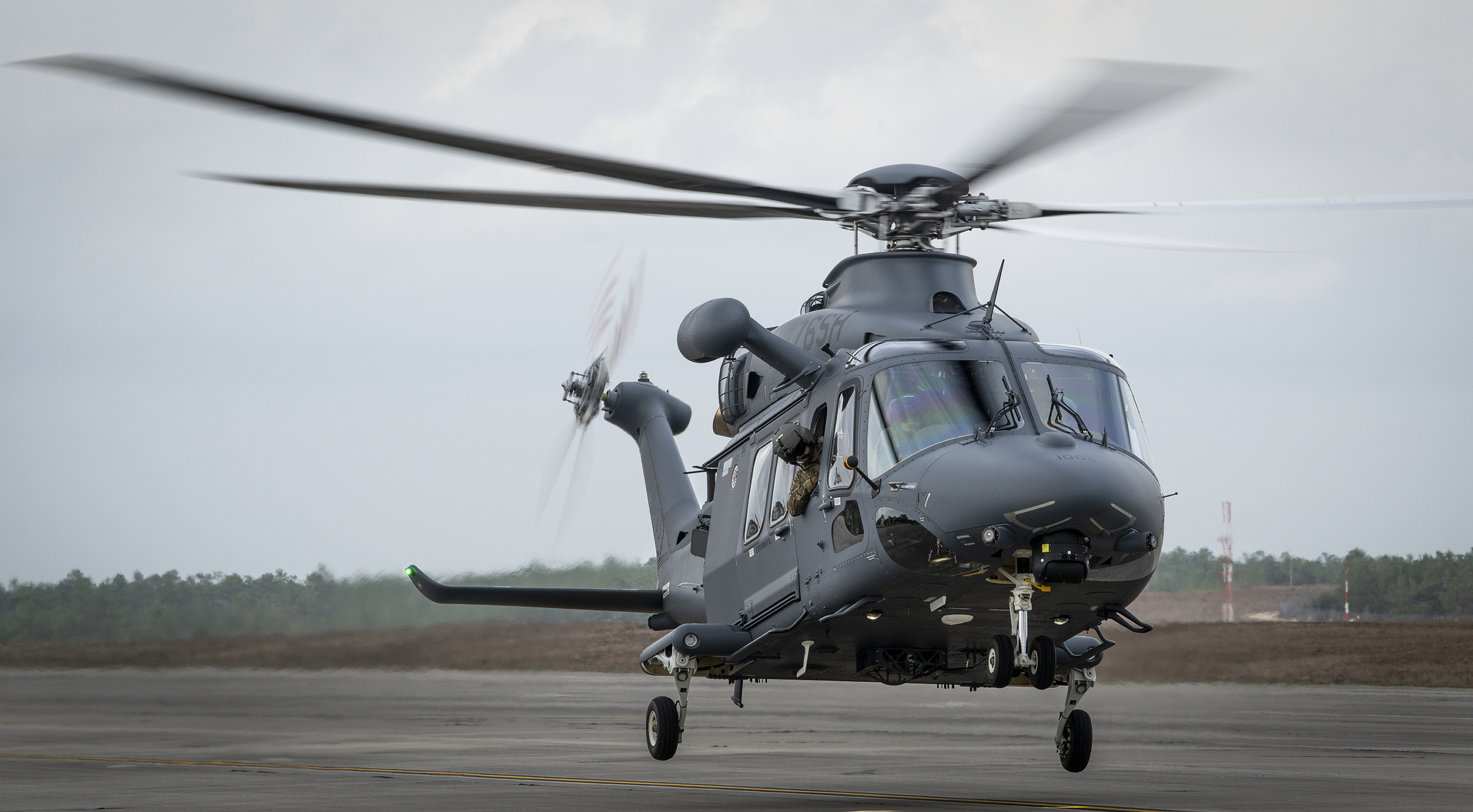
That geography places a premium on speed and endurance. According to a USAF statement, the Grey Wolf is nearly 50% faster than the UH-1N, can carry twice as many troops, and incorporates enhanced defensive systems.
Those improvements are intended to allow security personnel to reach threatened locations more quickly and with greater capability.
Tasked to escort ICBM convoys
One of the Grey Wolf’s most important duties is supporting ICBM convoy security. Missile maintenance and security vehicles regularly travel through the vast missile fields to reach launch facilities.
These convoys can cover considerable distances, making helicopter support an important part of the USAF’s ability to protect personnel and critical nuclear infrastructure.
The Grey Wolf demonstrated this capability in January this year when two MH-139As from the 40th Helicopter Squadron supported their first operational Minuteman III ICBM convoy at Malmstrom.
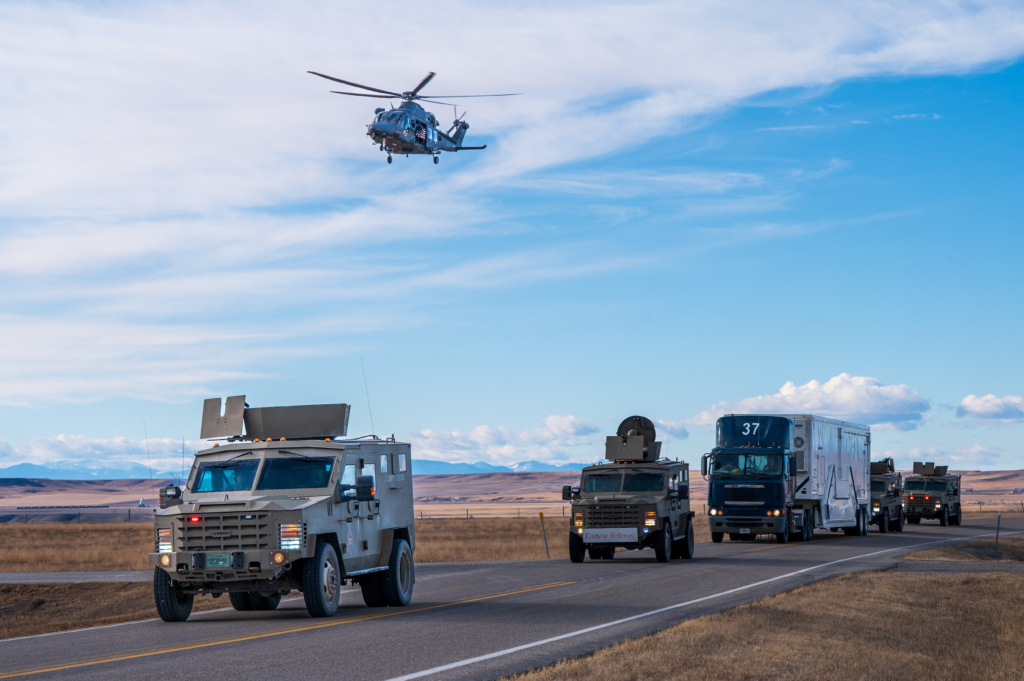
The helicopters accompanied missile maintenance and armoured security vehicles to and from a launch facility more than 100 miles (160 km) east of the base. The six-hour mission was completed without the helicopters needing to refuel.
The operation provided an early demonstration of why the USAF wanted a more capable helicopter. Greater range and speed allow the Grey Wolf to cover the huge distances associated with the missile fields while providing airborne support to ground forces.
Rapid response and launch facility security
The Grey Wolf’s mission extends beyond escorting convoys. It is also designed to provide rapid emergency response when a nuclear security incident occurs.
USAF testing has specifically examined scenarios involving convoy support, emergency response, and the recapture and recovery of launch facilities.
These exercises are designed to determine how quickly crews can get airborne and deliver tactical response forces to locations where additional security is required.
In practical terms, the helicopter gives missile-security forces an airborne means of moving personnel and combat power rapidly across difficult terrain.
Its improved avionics and forward-looking infrared system also provide crews with better situational awareness while supporting operations on the ground.
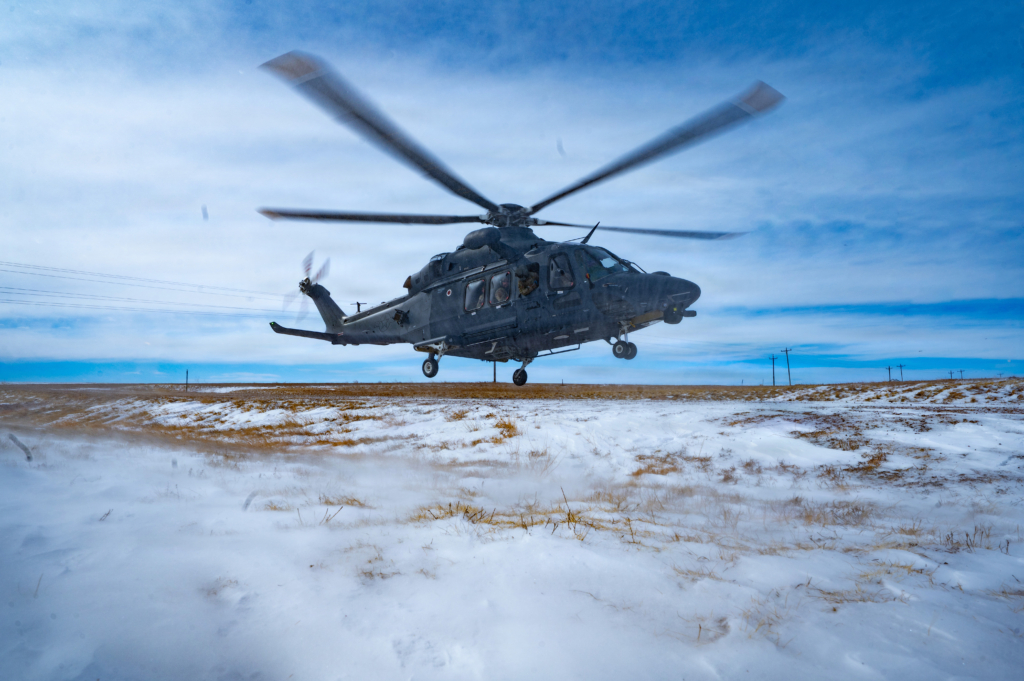
This is particularly important because the nuclear security mission demands continuous readiness. A helicopter may spend much of its time waiting for a mission, but when an emergency occurs, the ability to get airborne quickly and reach the affected site can be critical.
Beyond nuclear security, the Grey Wolf can support missions such as civil search and rescue, airlift, National Capital Region operations, survival-school activities, and test support. The Air Force has planned to procure up to 84 MH-139As along with associated training and support equipment.
A more capable nuclear security platform
The Grey Wolf’s arrival also comes at an important point in the modernisation of the US nuclear deterrent. The USAF is preparing to introduce the Sentinel ICBM to replace the Minuteman III, meaning the infrastructure and forces that protect the land-based leg of the nuclear triad are being modernised alongside the missiles themselves.
The MH-139 therefore represents more than a new helicopter. It is part of a broader effort to ensure that the security forces responsible for protecting nuclear assets have equipment capable of operating across enormous distances and responding rapidly to threats.
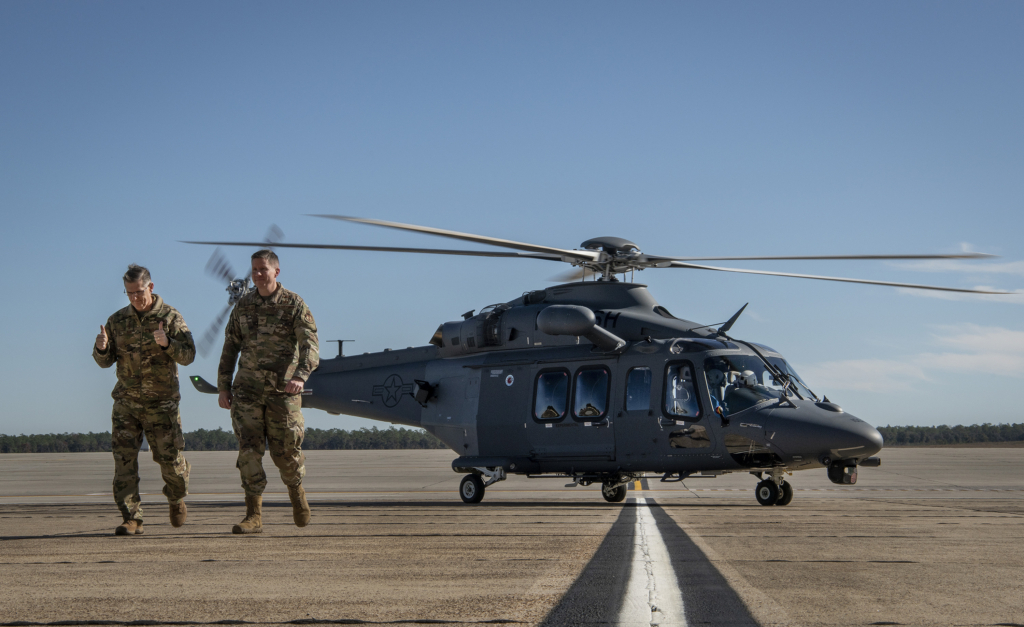
The aircraft’s first operational ICBM convoy mission in January was an important step, but achieving IOC in August 2026 is the bigger milestone. It means the Grey Wolf has moved beyond being primarily a developmental and testing program and has entered the operational phase of its service life.
For the USAF, the transition is ultimately about maintaining the reliability and security of the nuclear deterrent. The UH-1N Huey provided that capability for generations.
Now, the MH-139 Grey Wolf is taking over with greater speed, capacity, range and defensive capability, giving the USAF security forces a significantly more modern tool for protecting America’s ICBM force. After years of development, testing and training, the Grey Wolf is finally ready to take on the mission for which it was designed.
Sign up for our newsletter and get our latest content in your inbox.


More from


October 17, 20264 min read