


British Airways A321neo strikes tail during Heathrow landing

3 min read
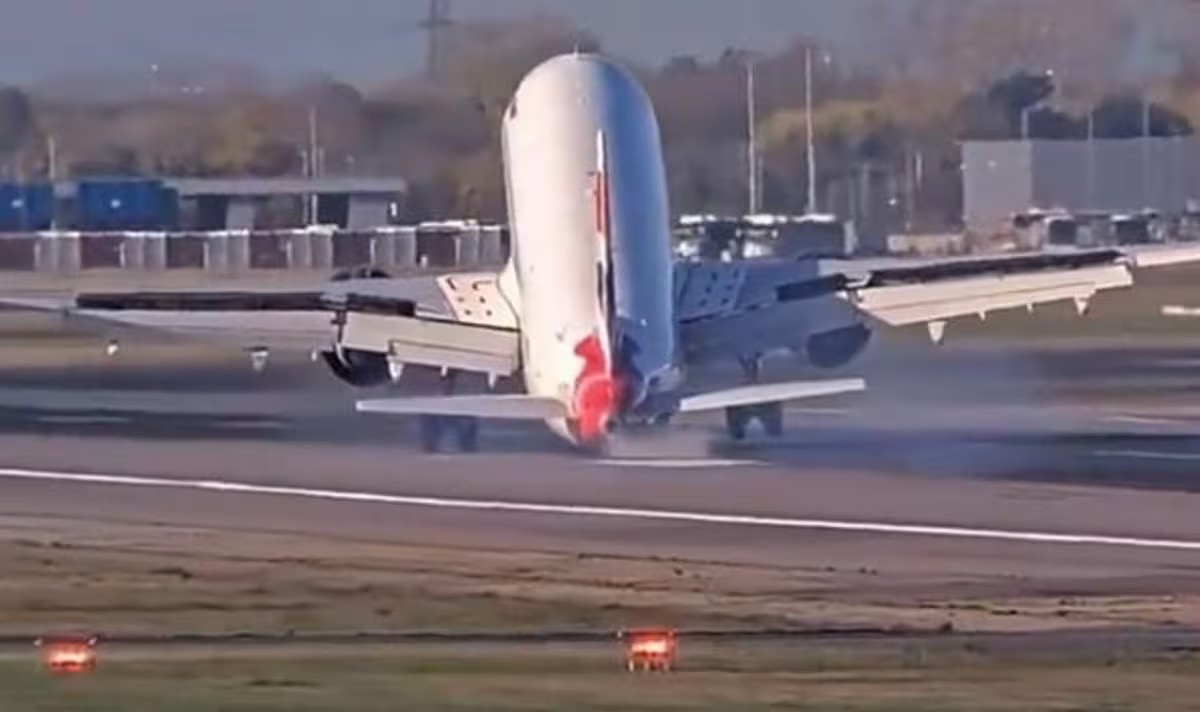
A British Airways Airbus A321neo went around and landed safely on its second approach to London Heathrow after its tail struck the runway during an attempted landing on Thursday, 12 November.
The jet, registered G-TNEB, was operating flight BA431 from Amsterdam Schiphol. Passengers disembarked normally after it landed on the second attempt. The aircraft was taken out of service for inspection.
Footage from Big Jet TV appears to show the aircraft bouncing and the underside of its tail contacting the runway twice before it climbs away. It is not yet clear what damage G-TNEB incurred during the tail strike.
Caught live on our 24/7 Camera BA431 encountered a double tail strike upon landing at Heathrow Airport this morning. What happened here? #aviation #avgeek https://t.co/NRUY3r9GfL
— BIG JET TV (@BigJetTVLIVE) November 12, 2026
“The aircraft landed safely, and we’re assisting the AAIB with its investigation and are legally unable to comment further at this stage,” a British Airways spokesperson said in a statement reported by the Daily Express.
Why the A321neo’s tail can hit the runway
A tail strike happens when the aircraft’s rear underside hits the runway. The A321neo’s long body means its tail is closer to the ground when the nose rises.
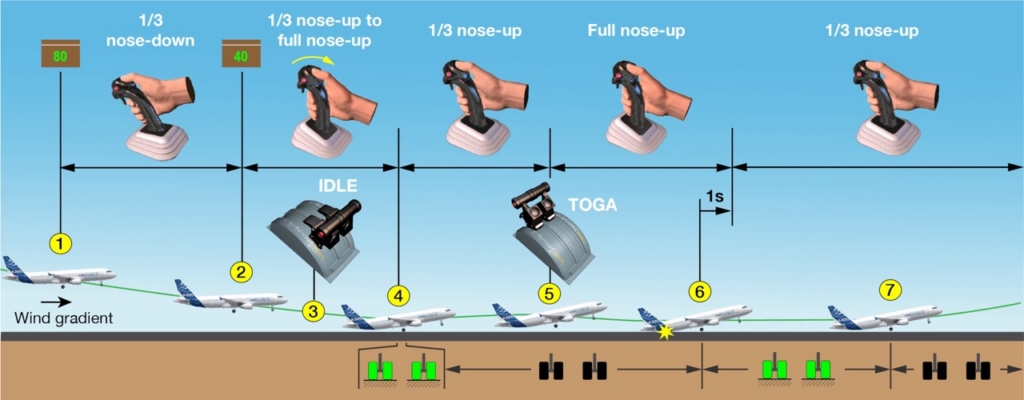
According to Airbus’s guidance, on go-arounds close to the ground, if the nose rises while the main wheels are still on or close to the runway, the tail moves down before the aircraft gains height. The landing gear also compresses under the aircraft’s weight, changing the clearance as it moves along the runway.
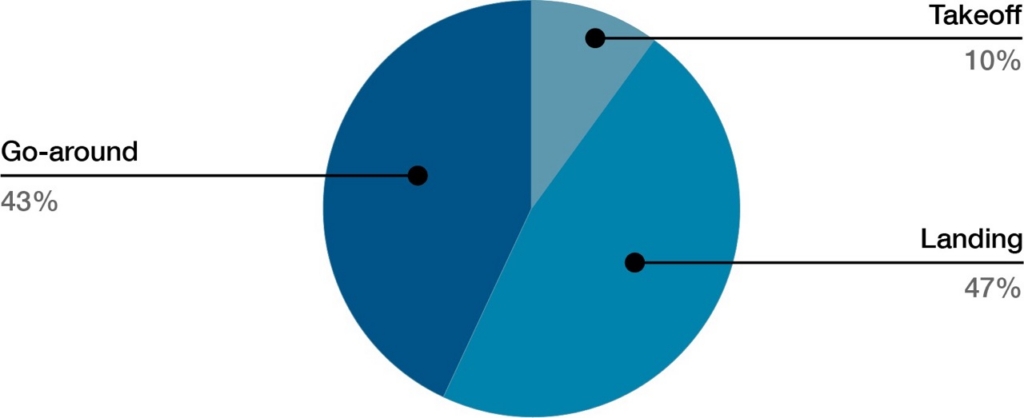
Airbus received reports of 49 tail strikes between January 2022 and September 2024, including 23 during landing and 21 during low-altitude go-arounds.
What happens after an A321neo tail strike?
Airbus advises crew who suspect a tail strike while the aircraft is still in the air to reduce cabin pressure and land as soon as possible. A strike could damage the fuselage, and the pressure difference between the cabin and outside air can put extra stress on the structure.
Before the aircraft can carry passengers again, engineers must inspect its rear section. They check whether the damage is limited to the outer skin or has reached the internal structure. The results determine what repairs are needed and whether the aircraft is safe to fly.
A 2024 report by Ireland’s Air Accident Investigation Unit (AAIU) examined an A321neo tail strike at Dublin Airport, in which the crew made a normal second landing, and passengers disembarked. Inspectors found torn and perforated skin along a 3.4-metre-long section, as well as cracks in the supporting structure.
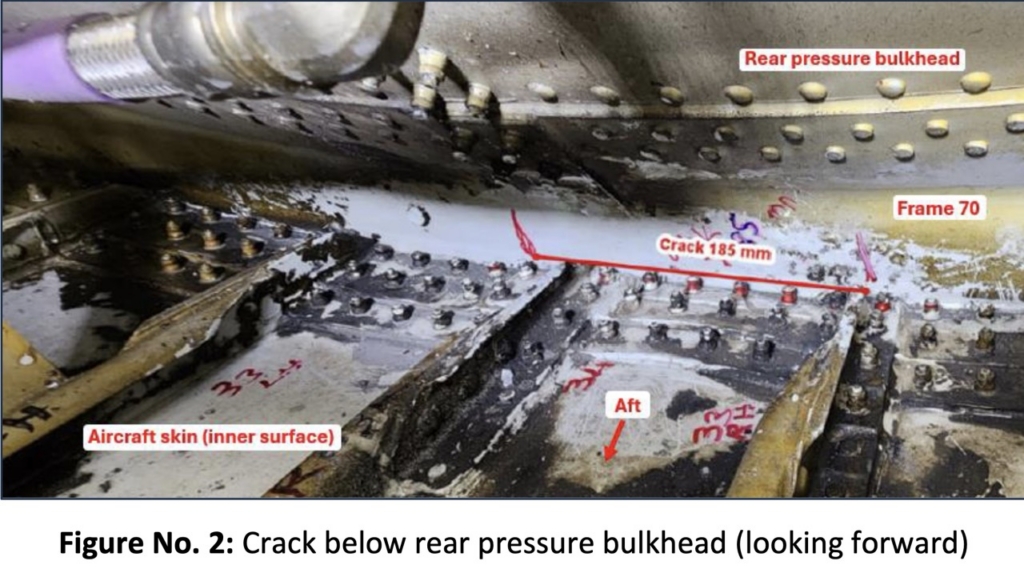
Much of the damage was in the pressurised part of the fuselage. Engineers made major temporary repairs in Dublin. The aircraft then flew unpressurised, without paying passengers, to a maintenance facility for permanent repairs.
British Airways has yet to disclose what its aircraft’s inspection found or when the jet will return to service.
The latest incident occurred on the day the UK Air Accidents Investigation Branch published its report on a separate tail strike at Heathrow. That case, which occurred in October 2025, involved an Airbus A300 freighter, previously covered in AGN’s tail-strike explainer. The freighter also went around and landed on its second approach.
IATA’s 2025 Annual Safety Report shows about six reported tail strikes per million flights, or roughly one in 167,000 flights, as the average monthly rate in the data it analysed from January 2022 through June 2025. About 69% of these occurred during landing or a rejected landing.
Tail strikes severe enough to be classified as accidents were rarer. In 2024, IATA recorded 12 tail-strike accidents, equivalent to 0.30 per million flights, or about one in 3.3 million. Eleven occurred during landing or a go-around, and none were fatal.


