Airbus A220 to get military-grade navigation system to counter GPS jamming

5 min read
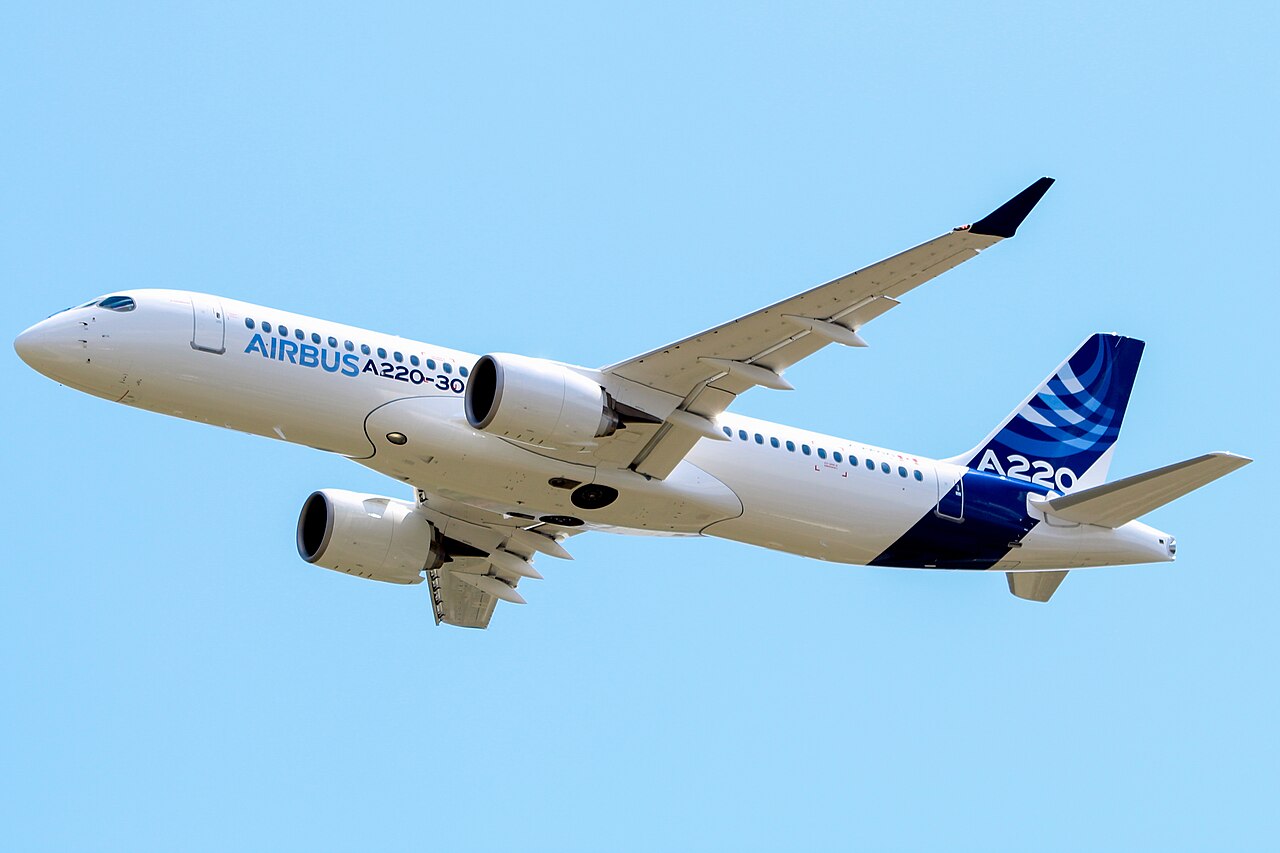
Airbus is bringing military-grade navigation technology to its A220 passenger jet to help aircraft maintain accurate navigation when GPS signals are jammed, disrupted or deliberately falsified.
The European aircraft manufacturer has selected SkyNaute, an inertial navigation system developed by Safran Electronics & Defense and already used on military platforms. The system is expected to enter service on the A220 around 2030, according to Aviation Week, which reported the timetable following an announcement by Safran executive Benjamin Declety on 21 October.
The decision comes as interference with satellite navigation becomes a growing problem for commercial airlines, particularly on routes passing near military conflicts. Aircraft may suddenly lose reliable GPS information or receive false position data, leaving crews to rely on other navigation systems.
SkyNaute is designed to address that problem by combining satellite navigation with sensors that can independently calculate an aircraft’s movement. When satellite signals become unreliable, the system can continue providing navigation information without depending on GPS.
For Safran, the A220 will be SkyNaute’s first application on a commercial airliner.
Why GPS jamming and GNSS spoofing are growing threats for airlines
Commercial aircraft use satellite navigation to establish their position and support flight management systems. GPS is the best-known service, but it is part of a wider group of satellite navigation networks collectively called Global Navigation Satellite Systems, or GNSS.
These systems have become important to modern airline operations because they provide accurate positioning across long distances, including over oceans and remote regions where ground-based navigation aids may be limited.
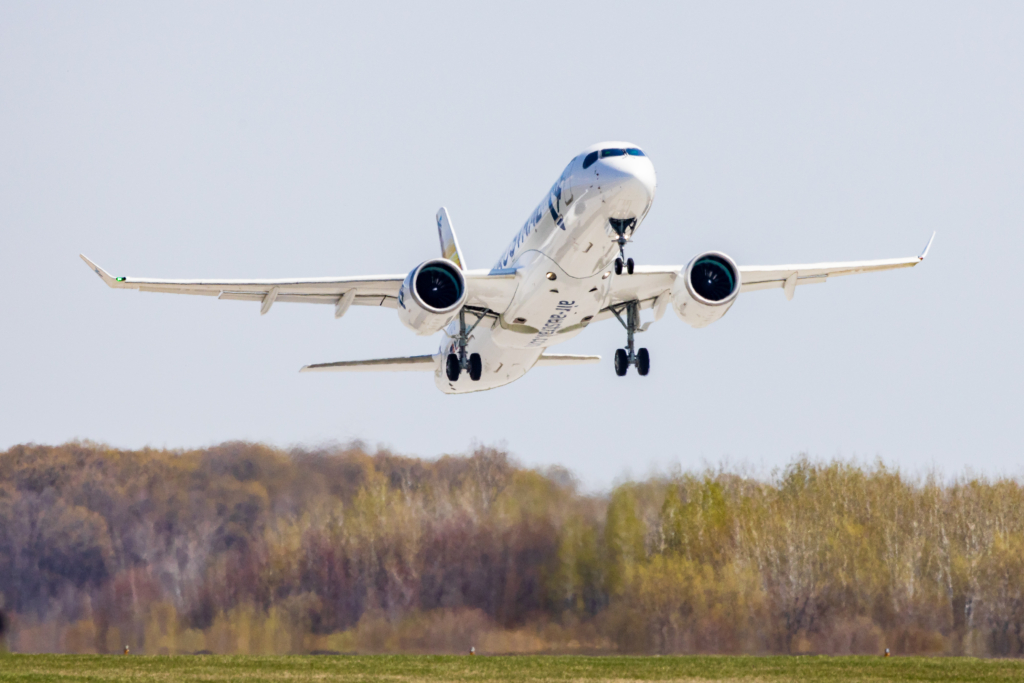
The problem arises when satellite signals are deliberately interfered with.
GPS jamming involves transmitting radio signals that overwhelm or block the genuine satellite signals received by an aircraft. The result can be a loss of reliable satellite positioning.
Spoofing is more deceptive. Instead of simply blocking the signal, it involves transmitting false navigation information that can mislead a receiver about the aircraft’s location or time.
The distinction matters. A crew may recognise that GPS has become unavailable, but false position information can be harder to identify, particularly if different aircraft systems begin showing conflicting information.
Interference has become a recurring concern around conflict-affected regions, where military forces use electronic warfare equipment to disrupt satellite-guided weapons, drones and other systems. Civilian aircraft operating in or near these areas can also be affected.
The eastern Mediterranean, the Middle East and areas around the Black Sea and Baltic region have all experienced reports of satellite navigation interference.
Such incidents do not mean an aircraft immediately loses the ability to navigate. Airliners already carry other navigation equipment, and crews have procedures for dealing with unreliable satellite information. However, interference can increase cockpit workload, affect navigation accuracy and complicate operations that depend on satellite positioning.
It is against this background that Airbus is introducing SkyNaute on the A220.
How Safran’s SkyNaute works without GPS
SkyNaute uses a different method of navigation when satellite signals cannot be trusted.
At the centre of the system are three hemispherical resonator gyroscopes, or HRGs, developed by Safran. These sensors measure changes in the aircraft’s orientation using vibrations inside a small, precisely engineered component.
Working with other inertial measurements, the system calculates how the aircraft is moving and estimates its position from a known starting point. It does not need to receive a continuous signal from satellites to do this.
Under normal conditions, SkyNaute combines inertial information with GNSS data to maintain an accurate position. Satellite updates help correct the small errors that gradually accumulate in inertial navigation.
When GNSS information appears unreliable, SkyNaute can identify the discrepancy and rely on its inertial measurements instead.
“We created it for our defense applications, and it brings us the capability to find spoofing situations with a high level of certainty,” Declety told Aviation Week. “Then, the system switches to inertial.”
That does not mean an aircraft can navigate indefinitely without any loss of accuracy. All inertial systems accumulate some error over time. The advantage is that the aircraft retains an independent source of navigation information when satellite signals are lost or manipulated.
Safran says the HRG technology also offers reliability benefits because the gyroscope has no mechanical parts subject to wear.
SkyNaute weighs approximately 3kg, occupies three litres of space and consumes 20 watts of electrical power, according to Safran’s published specifications. Its relatively small size and low power requirements make it easier to integrate into an aircraft without adding substantial weight.
Military technology moves into commercial aviation
SkyNaute was developed for military applications, where aircraft and other platforms must continue operating despite electronic warfare.
Safran says the technology has already been selected for military aircraft, helicopters and drones operated by European armed forces.
These platforms face different operating conditions. Helicopters must cope with strong vibrations, while combat aircraft can experience high manoeuvring loads and deliberate attempts to interfere with their navigation. Uncrewed aircraft may also need to navigate accurately when radio signals are disrupted.
The underlying requirement is the same: a reliable way to establish position and movement without depending entirely on external signals.
The A220 will be the first civil aircraft equipped with SkyNaute. Before introduction, Airbus will need to complete integration testing and the necessary certification work.
Safran also intends to offer the system for retrofit installation, although no airline customers or retrofit timetable have been disclosed.
Safran expands production in France
The move into commercial aviation comes as Safran increases production of the gyroscopes used in SkyNaute.
The technology is developed and manufactured at Montluçon in central France, where the company announced a €120 million ($135 million) investment in June 2026 to expand and modernise its facilities.
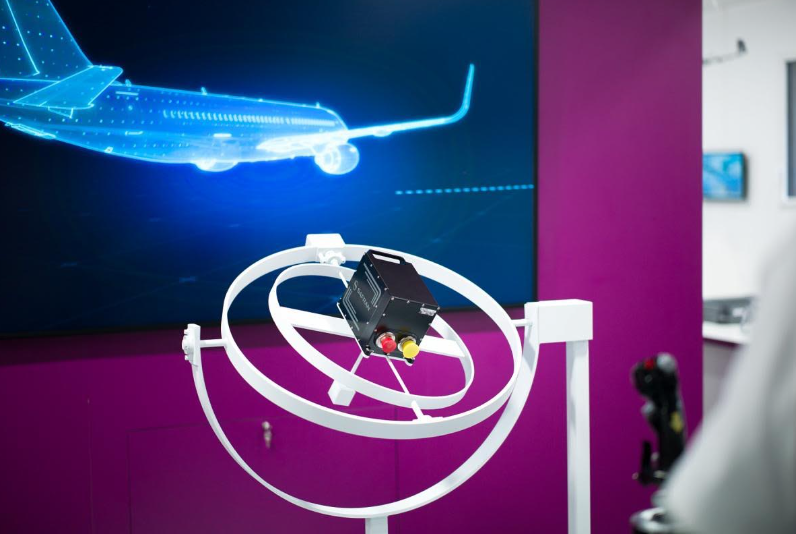
Safran plans to increase annual HRG production from 10,000 units to 30,000 by 2032, supporting demand across military and civilian applications.
“Seeing SkyNaute take its place on board the Airbus A220 is a source of immense pride for our teams: for the first time, our inertial navigation system will fly on an airliner. This is a strong signal for French industrial expertise. We sincerely thank Airbus for its trust,” Declety said in Safran’s announcement.
The A220 selection comes as aviation authorities are pressing airlines and manufacturers to prepare for more frequent satellite navigation disruptions.
In March 2026, the European Union Aviation Safety Agency (EASA) and EUROCONTROL published a joint action plan to improve aviation safety during GNSS interference. EASA followed in July with updated guidance addressing the growing severity and sophistication of jamming and spoofing.
The guidance covers crew training, alternative navigation methods, reporting procedures and better coordination between pilots and air traffic controllers.
Sign up for our newsletter and get our latest content in your inbox.


More from

October 25, 20266 min read