Sydney opens first major new airport in 50 years as international flights begin

7 min read
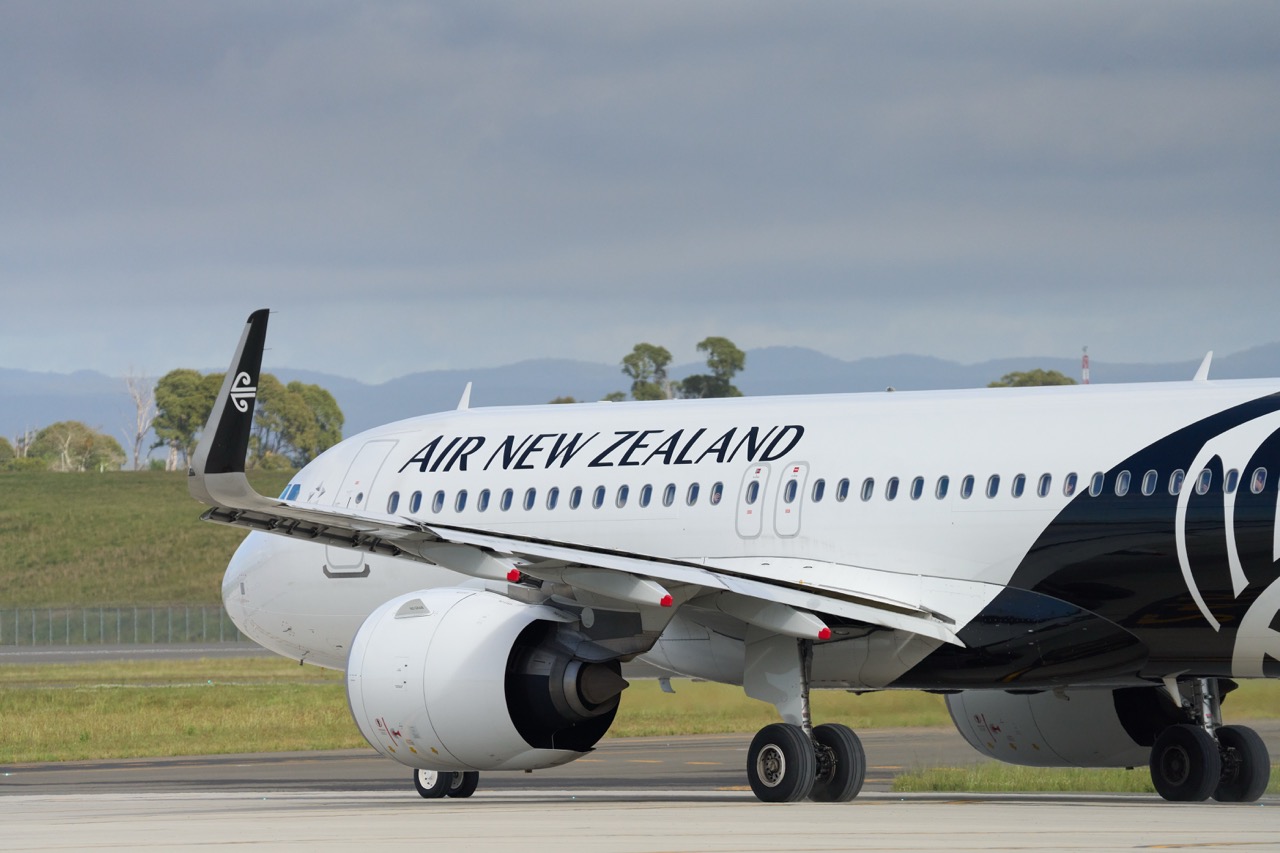
Sydney’s new Western Sydney International Airport has welcomed its first international passenger flights, marking the opening of Australia’s first major new airport in more than 50 years.
Air New Zealand flight NZ165 from Auckland landed at Western Sydney International (Nancy-Bird Walton) Airport on Monday, 26 October, becoming the first international passenger service to arrive at the new airport.
The aircraft later departed for Auckland as flight NZ166, inaugurating a three-times-weekly international connection operating on Mondays, Wednesdays and Fridays.
The milestone follows the airport’s opening to domestic passengers on Sunday, 25 October, when Jetstar operated the first scheduled passenger departure to the Gold Coast.

The A$5.6 billion airport is located at Badgerys Creek, about 60 kilometres west of central Sydney. It was designed to relieve pressure on the city’s existing Kingsford Smith Airport and provide additional capacity for domestic and international aviation.
Sydney’s second airport opens after decades of planning
Western Sydney International has been under development for decades. The Australian government identified Badgerys Creek as the location for Sydney’s second major airport in 1986.
Construction took seven years, with more than 13,000 workers involved in delivering the airport and its associated infrastructure.
The airport’s opening gives Sydney a second major passenger gateway, with facilities designed to accommodate up to 10 million passengers annually in its initial configuration.
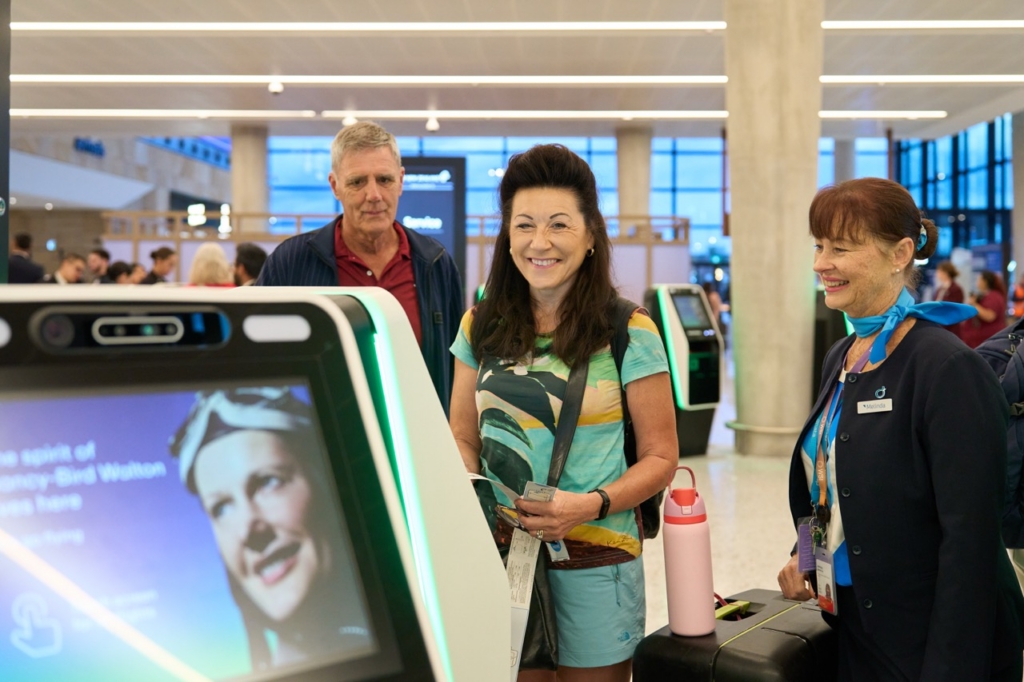
The terminal incorporates more than 40 check-in kiosks and 34 automated baggage-drop kiosks, with domestic and international services operating under the same roof.
Its 3.7 km runway can accommodate large long-haul aircraft, allowing the airport to expand its international network as airline demand develops.
The Australian government marked the first passenger departures on 25 October, describing the opening as a milestone for Western Sydney and Australia’s aviation network.
Which airlines will fly from Western Sydney International Airport?
Air New Zealand is the first international airline to operate passenger services from Western Sydney, but several other carriers have confirmed plans to use the airport.
Singapore Airlines is scheduled to begin daily nonstop flights to Singapore Changi Airport on 23 November 2026.
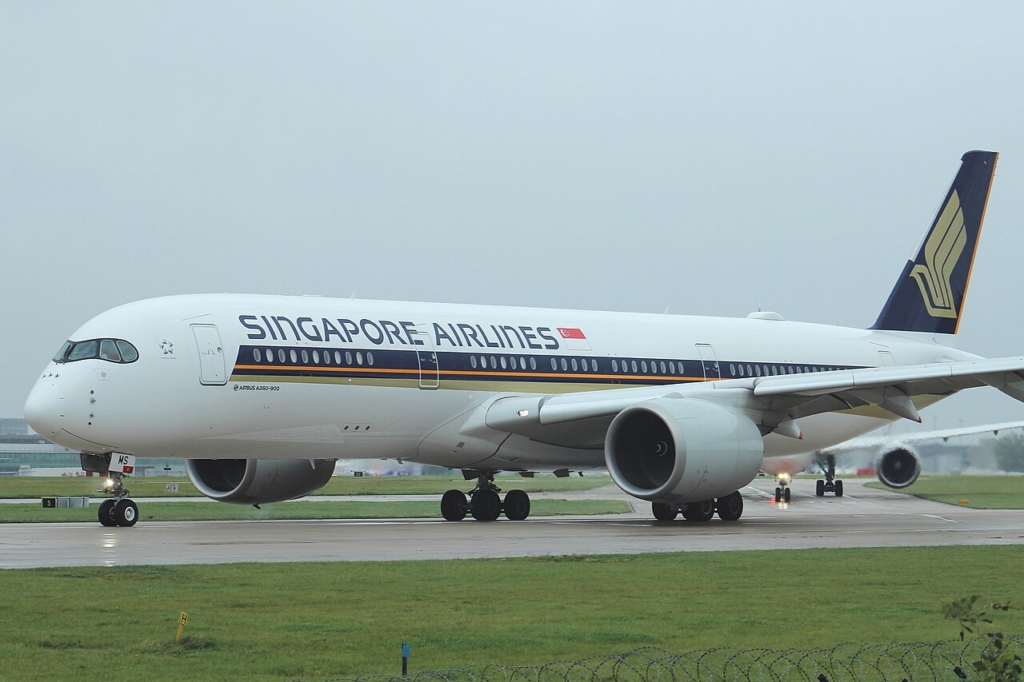
International services are expected to expand further in 2027, with Vietjet planning flights to Ho Chi Minh City in January and Fiji Airways expected to introduce flights to Nadi in March.
Qatar Airways has also announced plans to serve Western Sydney, adding another potential long-haul connection through its Doha hub.
Domestic operations began with Jetstar, which is introducing services to Melbourne, Brisbane and the Gold Coast. The airline’s initial schedule includes up to 14 weekly flights to Melbourne, four to the Gold Coast and three to Brisbane.
Qantas is scheduled to begin operating from the airport on 28 March 2027, using QantasLink Embraer E190 aircraft on services to Melbourne and Brisbane. The airline plans four weekly flights on each route.
Facilities at Western Sydney International Airport
WSI’s terminal was designed for seamless, stress-free and intuitive passenger journeys. The airport will offer several passenger facilities, including retail, food and beverage and lounges.
WSI will open with a selection of cafes and food outlets, with additional venues opening as flight services and passenger numbers grow.
The terminal’s retail offering includes two duty-free shopping areas, various speciality retail outlets, including EyeLove and Tech2Go, and three RELAY stores that offer fresh food, drinks, travel essentials and convenience products.
WSI’s first international lounge—The Rayleigh Lounge—will open in November and be operated by dnata. Eligible Singapore Airlines passengers will enjoy a premium dining and lounge experience, with expansive views of the airfield, fast WiFi, ready access to power outlets to charge their devices, and three private showers.

The terminal was also designed for accessibility and inclusivity, including dedicated sensory spaces for travellers experiencing anxiety or sensory stress, designed by specialist firm Creative Sensory Spaces.
There are also pet relief rooms for arriving and departing passengers with accredited assistance animals. These rooms are wheelchair accessible and include artificial grassed relief areas, water bowls, waste bags and handwashing facilities.
Hearing Loop Technology lets travellers with hearing aids or implants hear live announcements and PA messages. People can use the AFILS system by switching their hearing aid or cochlear implants to T switch or telecoil position.
Dedicated family rooms let parents and carers feed, change and care for infants. Changing places support travellers with complex disability and high support needs beyond the accessible toilets located throughout the airport terminal.
The airport also has multi-faith, quiet rooms, and ablution rooms available.
Sydney’s new airport can operate 24 hours a day
One of Western Sydney International’s main operational advantages is its ability to accommodate aircraft movements around the clock.
Sydney Kingsford Smith Airport operates under an overnight curfew restricting most aircraft movements between 11 pm and 6 am.
Western Sydney International does not have the same curfew restrictions, giving airlines greater flexibility to schedule international flights, particularly services connecting Australia with Asia, the Middle East and other long-haul markets.
The airport also has a dedicated 24-hour cargo precinct, which began operations in July 2026.
According to the Australian government’s 26 October announcement, the facility increases Sydney’s air cargo capacity by approximately 33%.
The additional freight capacity is expected to support importers, exporters and logistics operators across Western Sydney.
Western Sydney Airport designed for future growth
The airport forms part of a wider A$18 billion government investment programme in Western Sydney, including road improvements and a new rail connection.
Road access was improved through the M12 motorway. The planned Sydney Metro–Western Sydney Airport line will provide a direct rail connection to the terminal. However, the metro service is not expected to open until late 2027, so passengers will initially have to use road transport, buses and connections to existing rail services.
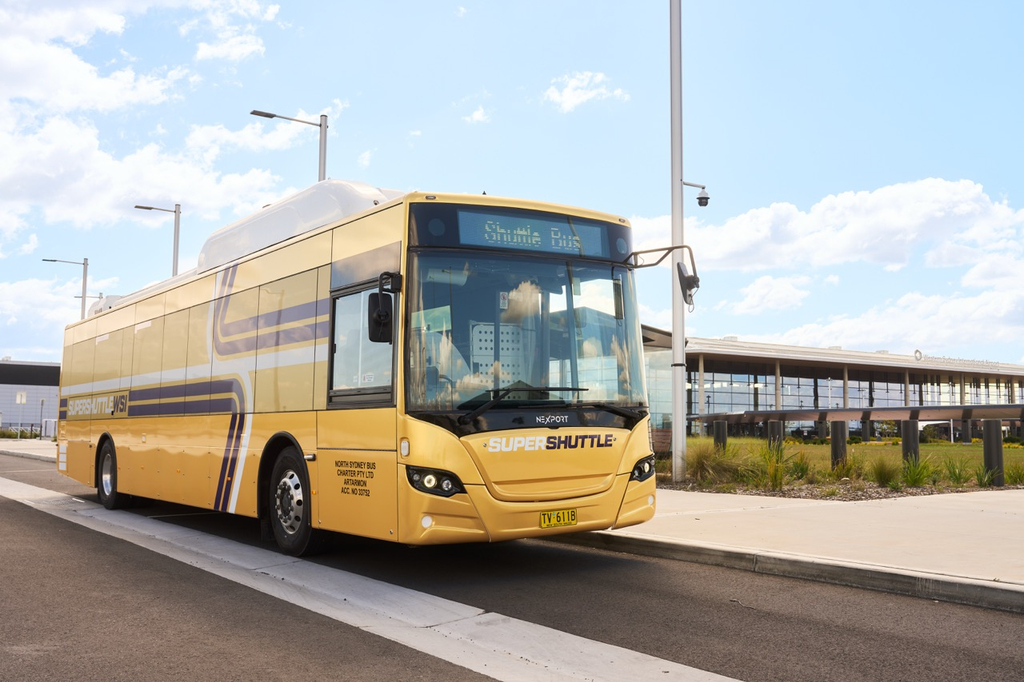
The airport has been designed for phased expansion beyond its initial annual capacity of 10 million passengers.
For airlines, the new gateway offers additional opportunities to serve Sydney’s western suburbs without relying entirely on Kingsford Smith Airport.
Its location could also make it more convenient for residents and businesses in Western Sydney. Passengers travelling to central Sydney will need to consider the distance and available ground transport.
According to the Australian Government, the “WSI project created over 12,800 jobs,” with around half of those going to local workers.
Construction contributed $500 million to over 360 Western Sydney-based businesses, “including local tradies and construction companies, caterers, and security guards.”
Who was Nancy-Bird Walton and why is Sydney’s new airport named in her honour?
The airport is named after pioneering Australian aviator Nancy-Bird Walton (1915–2009), who became one of the country’s first female commercial pilots.
Born in New South Wales, she learned to fly under Sir Charles Kingsford Smith, whose name is carried by Sydney’s first international airport. She gained her pilot’s licence in 1933 and her commercial licence the following year, becoming the youngest female commercial pilot in the British Commonwealth.
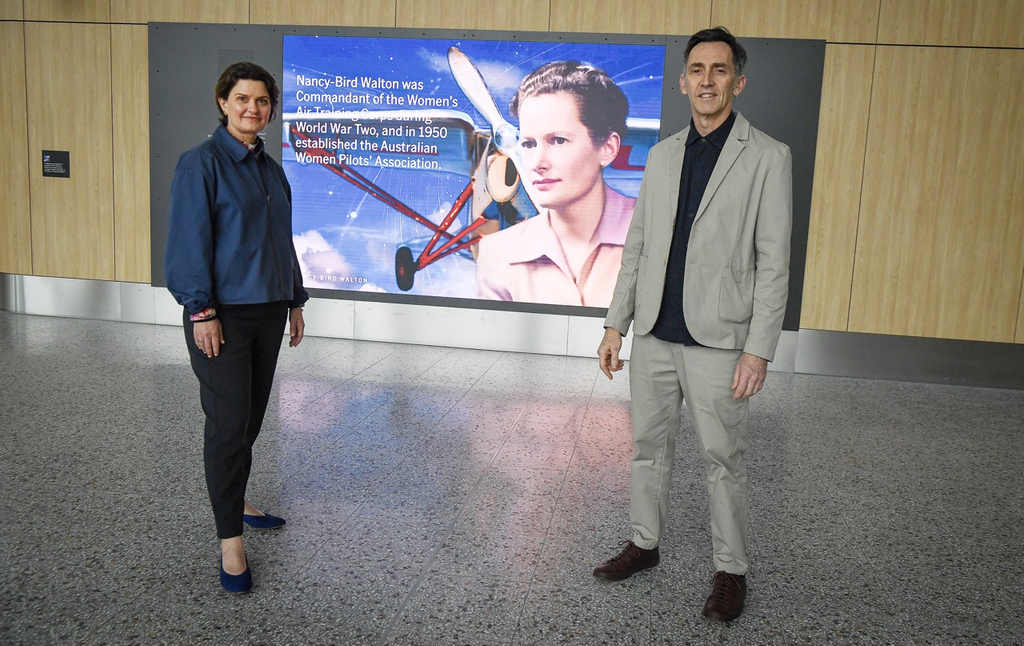
Walton earned the nickname “Angel of the Outback” for flying medical personnel to remote communities in New South Wales during the 1930s. She later trained women during the Second World War and founded the Australian Women Pilots’ Association in 1950.
The Australian government announced the airport’s name in March 2019, recognising her achievements and contribution to Australian aviation.
The airport also celebrates her legacy through artwork and installations in its passenger terminal.
“It is fitting that having recognised Charles Kingsford Smith at Sydney Airport that we now recognise Australia’s greatest female aviation pioneer, Nancy-Bird Walton, in the naming of Western Sydney Airport,” then Prime Minister Scott Morrison said when the airport’s name was announced.
First international flights mark new chapter for Australian aviation
The Australian government expects Western Sydney International to support tourism, trade and employment as additional airlines begin services.
In the official statement welcoming the first international flights, Prime Minister Anthony Albanese said: “Western Sydney is now connected directly to the world, bringing more jobs, more visitors and more opportunities for local businesses.”
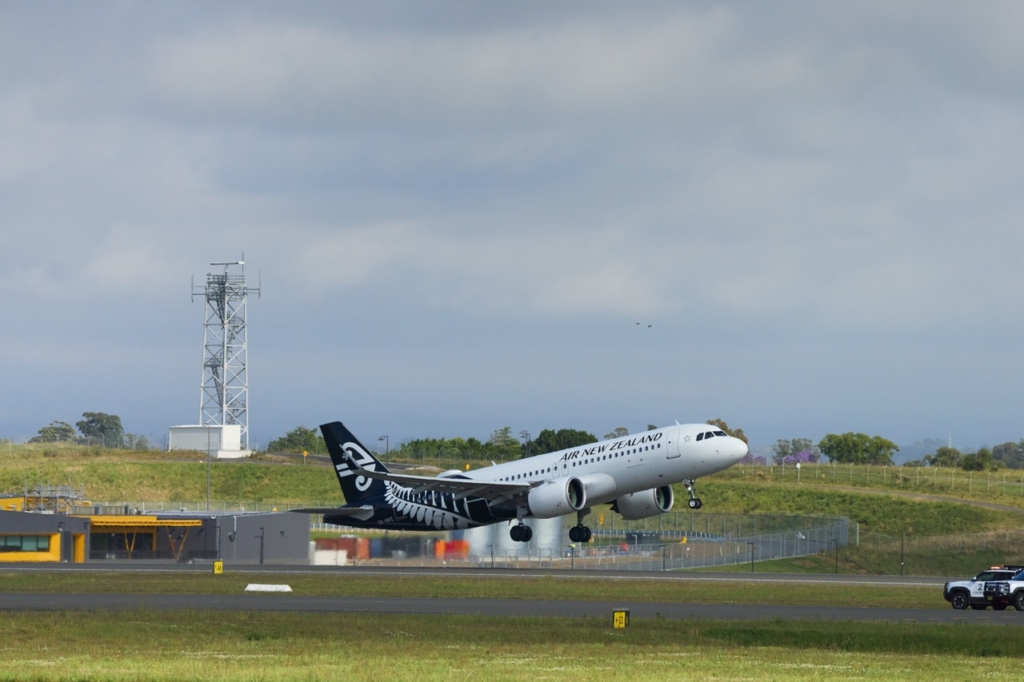
The airport’s next major international connection will launch on 23 November, when Singapore Airlines begins its daily Singapore service.
“It can’t be overstated how big a moment this is for Western Sydney, for its people, for its economy and its industries,” said Catherine King, Minister for Infrastructure, Transport, Regional Development and Local Government, during the launch of Jetstar’s domestic services on Sunday. “Today is a real milestone in our country’s travel history, and with tomorrow seeing the first international flight leave the tarmac for Auckland—the sky is the limit.”
Sign up for our newsletter and get our latest content in your inbox.


More from

October 25, 20266 min read

October 25, 20265 min read