Riyadh airport targeted by Houthi ballistic missile one day after reopening

3 min read
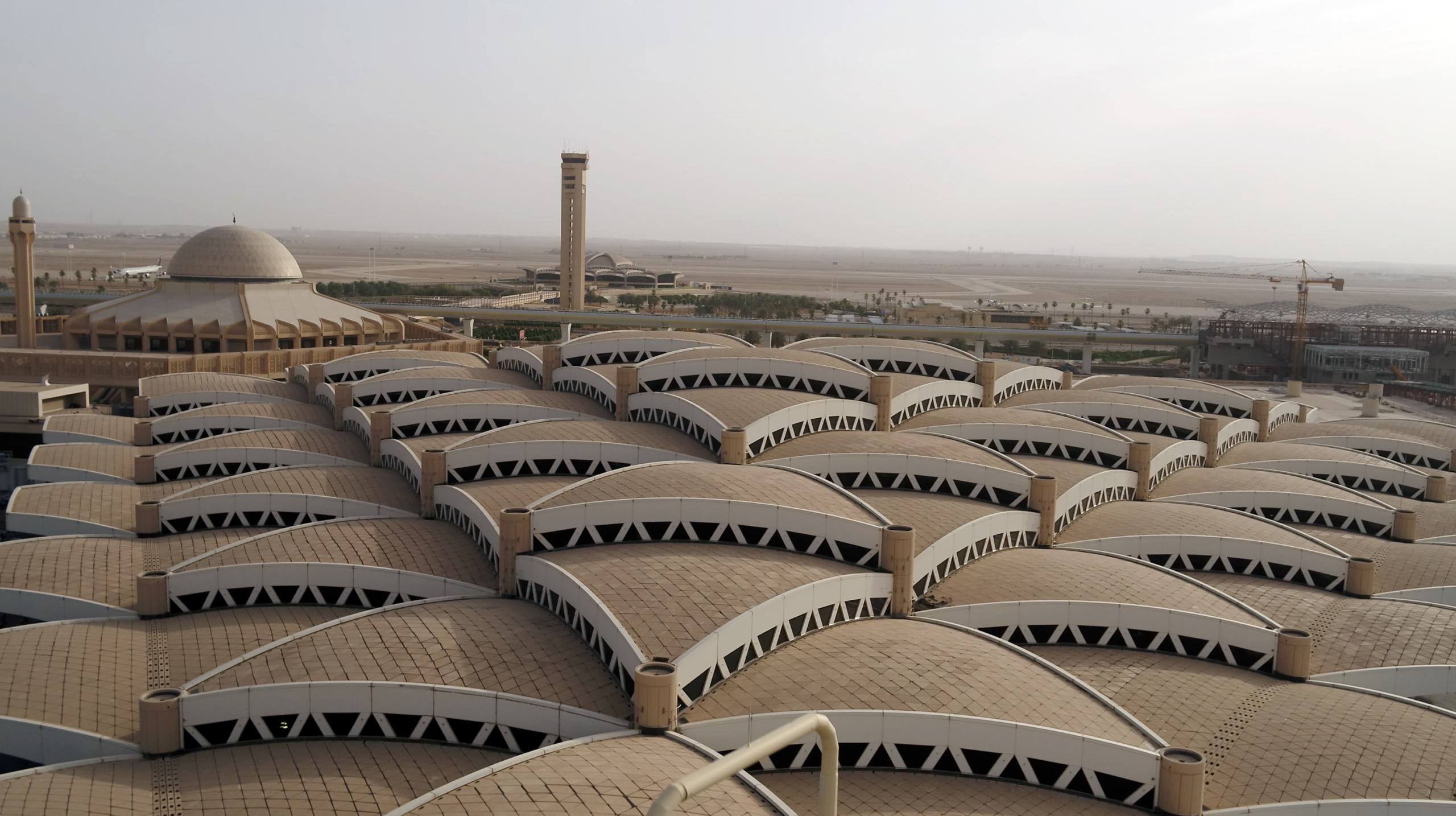
Yemen’s Houthi movement says it has targeted Riyadh’s King Khalid International Airport with a ballistic missile. This comes just a day after the Saudi airport partially resumed operations following weeks of disruption.
The latest Houthi missile attack highlights the continuing security challenges facing Saudi Arabia’s aviation sector, with airlines, regulators and airports still assessing the risks posed by an escalating campaign of missile and drone strikes.
Houthi military spokesperson Yahya Saree claimed in a statement on X today (26 October) that the group launched a ballistic missile at King Khalid International Airport. He said they also carried out drone attacks against pumping stations along Saudi Arabia’s strategic East-West pipeline.
Saree said the attacks achieved their intended objectives, but at the time of publishing the claims had not been independently verified.
The announcement came less than 24 hours after Riyadh airport restarted limited operations. The airport had been closed following a series of Houthi attacks earlier this month that caused casualties and widespread disruption to commercial aviation.
Before the reopening, Saree warned international, regional and domestic airlines, along with airport employees and passengers, not to use the facility, describing it as “unsafe” and a military target. He also said the Houthis would continue striking the airport.
Saudi Arabia said its air defences successfully intercepted the latest attack. Saudi military spokesperson Turki Al-Malki said a Houthi ballistic missile bound for Riyadh had been destroyed and confirmed Saudi forces had subsequently carried out strikes against missile launchers and storage facilities inside Yemen.
Airport reopens amid continuing threats
King Khalid International Airport had partially reopened on 25 October, with limited domestic flights and selected international services operated by Saudi carriers.
Under the airport’s phased reopening plan, Terminal 1 has been designated for domestic services, while Terminal 2 is handling international flights operated by national airlines.
Will airlines restart Riyadh flights this weekend? @IndiGo6E has extended Riyadh cancellations until 31 October, while several other carriers are approaching key suspension deadlines. Here’s the latest 👇 https://t.co/JGPelnBUPW
— Aerospace Global News (@Aero_GlobalNews) October 23, 2026
Despite the official reopening, flight activity remains significantly below normal levels. According to airline data experts Cirium, King Khalid International Airport has seen 86% of scheduled flights cancelled since 8 October, with 4,071 of 4,736 scheduled services withdrawn.
International flight cancellations continue
Several international carriers have continued to suspend operations to Riyadh despite the reopening. Last week, IndiGo extended its Saudi Arabia cancellations, while a number of other airlines have postponed the resumption of flights to the Saudi capital.
Operational restrictions also remain in force. Under NOTAM A3650/26, operators require prior approval from Saudi Arabia’s General Authority of Civil Aviation (GACA) for arrivals and departures. A separate notice, A3651/26, prevents airlines from designating Riyadh as a diversion airport.
Advice for passengers
The European Union Aviation Safety Agency (EASA) recently advised operators to avoid designated areas of Saudi airspace and exercise caution because of missile and drone activity, air defence operations and the risk of misidentification.
The US Federal Aviation Administration has issued separate guidance warning carriers of military activity and potential interference with satellite navigation systems.
According to reports, King Khalid International Airport has been targeted around 20 times since the beginning of October.

Riyadh Air shifts flights to Al Qassim
In light of the attacks, Saudi startup carrier Riyadh Air has confirmed it is temporarily transferring passenger operations from King Khalid International Airport to Prince Naif bin Abdulaziz International Airport in Al Qassim.
In a notice to passengers, Riyadh Air said flights serving Cairo, Dhaka, Jeddah, London Heathrow, Lahore and Islamabad will operate from Al Qassim until further notice.
This means the carrier can continue its international services while security concerns continue around Riyadh.
The move makes Riyadh Air one of the highest-profile airlines to alter operations as a direct result of the attacks and demonstrates the operational challenges facing carriers serving Saudi Arabia.
Sign up for our newsletter and get our latest content in your inbox.


More from

October 25, 20266 min read

October 25, 20265 min read