Why the race back to the Moon is heating up
5 min read
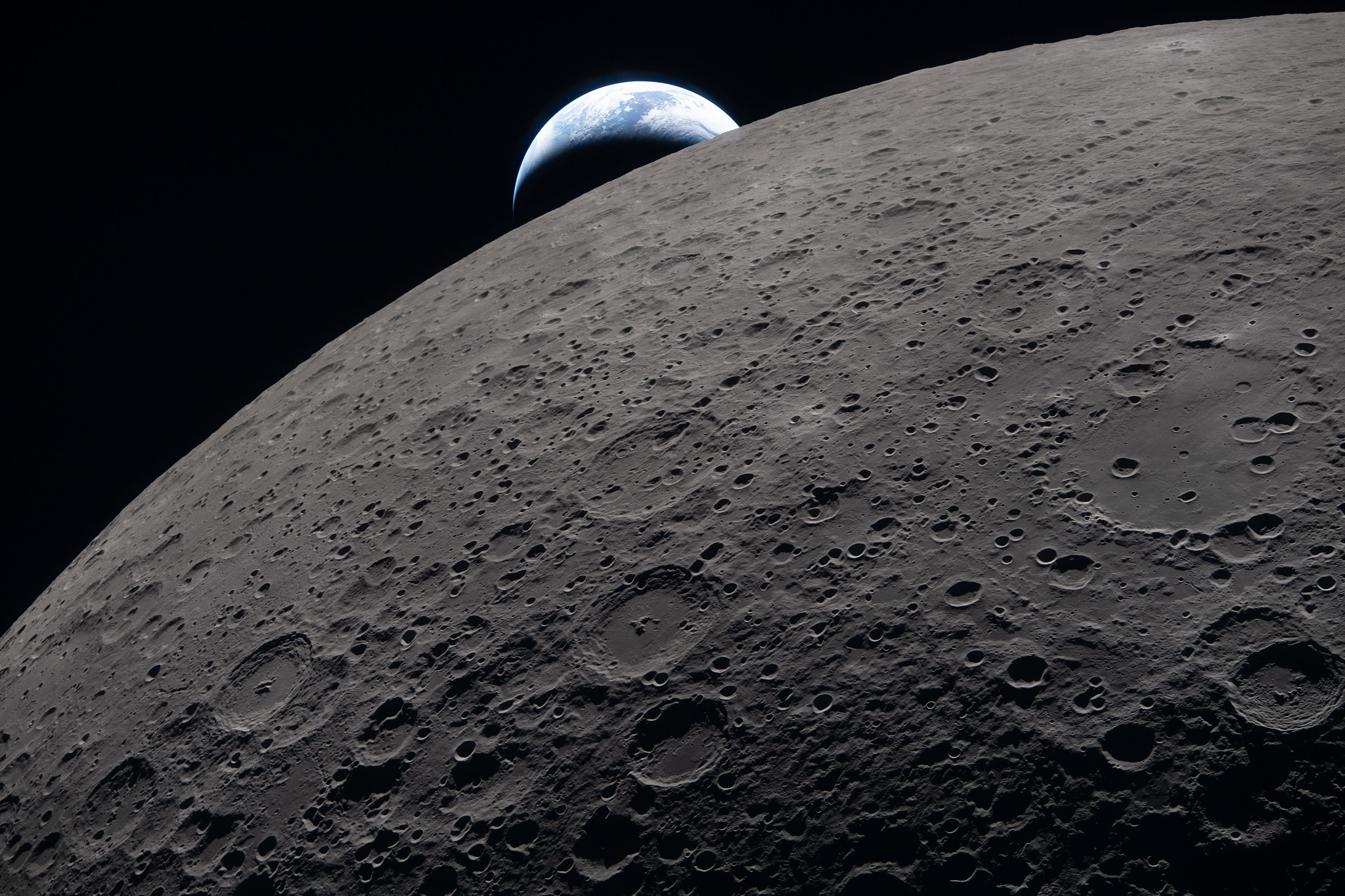
The Moon has never stopped capturing imaginations, but for decades it seemed largely absent from humanity’s plans. That is changing fast.
Governments are preparing new crewed lunar missions, private companies are building hardware capable of reaching deep space, and a new race is emerging over who will shape the next era of exploration.
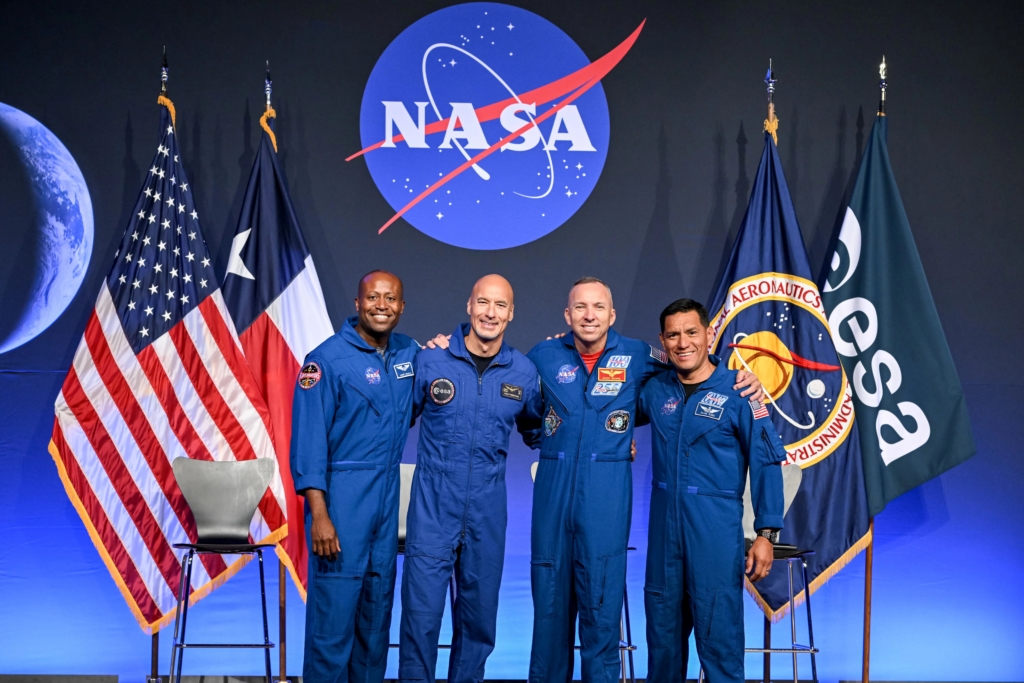
NASA is aiming to return astronauts to the lunar surface in 2028, having completed the crewed flyby in 2026. China is planning to land its astronauts on the lunar surface before 2030, and India says it will follow suit around a decade later.
For the first time, private space companies are developing to the point where they can discuss their own missions to the Moon or even Mars.
Here’s why nations and companies are racing back to the Moon
Why they went to the Moon in the first place
Before answering the question of why “everyone wants to go back to the Moon,” it’s useful to answer why they went there in the first place.
In the 1960s, the Cold War, geopolitical competition, and Kennedy’s internal politics were central.
Although the Apollo missions conducted important scientific experiments and returned invaluable lunar samples, public attention focused overwhelmingly on the symbolism of humanity’s first steps on another world.
That said, developing the entire Apollo ecosystem was in itself a major scientific windfall.
In 1957, the USSR’s Sputnik shocked the US. In 1961, the Soviet Union sent Yuri Gagarin into orbit before the United States could launch its first astronaut, securing another major propaganda victory in the Space Race, a feat that remains central to Russia’s national narrative.
Today’s context has substantially changed
Now, there are two credible missions to return to the Moon, and while the world has changed, it continues to bear many striking parallels to the 1960s.
Some actors are familiar, such as the United States and its NASA, while others are gone (the USSR).
Russia inherited the Soviet space programme, but it no longer possesses the resources or momentum that once enabled direct rivalry with NASA and currently has no clear independent pathway to a crewed lunar landing.
Russia’s greatest likely contribution is that of a major junior partner to China’s missions. Europe and Japan have major space programmes, but they contribute to the US-led Artemis mission.
India is perhaps the country worth watching the most after the US and China. Like China, it has powerful motivations to one day send a crewed mission independently to the Moon.
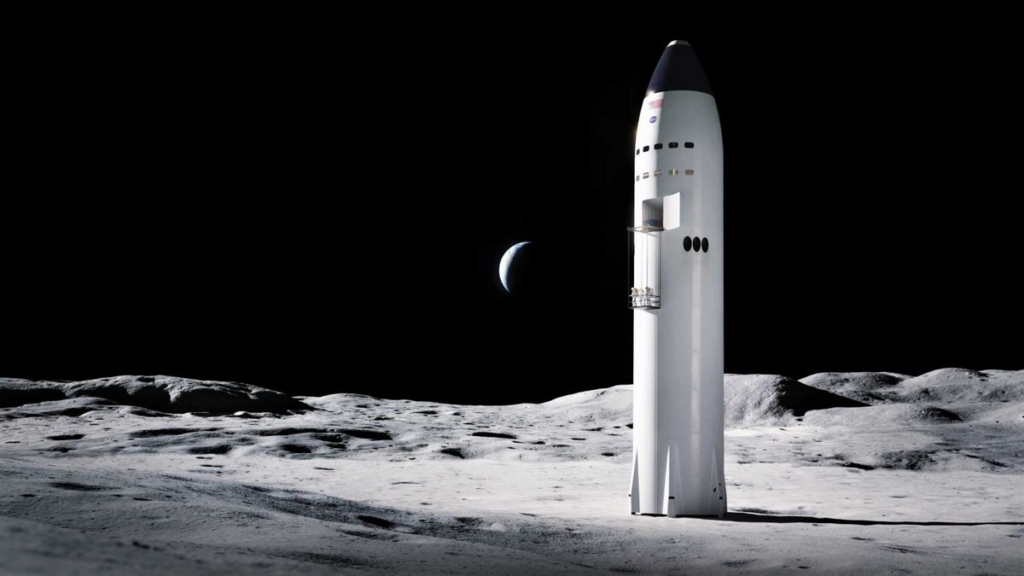
At the same time, there are powerful and capable private companies like SpaceX and Blue Origin that can contemplate their own self-funded or privately funded missions.
The canceled SpaceX dearMoon (Yusaku Maezawa’s privately funded project) lunar flyby and SpaceX’s long-term plans to visit Mars are examples.
All this means that the motivations of each of these countries and major companies should be discussed separately as they have different motives.
Why the US wants to return to the Moon
The US accomplished what it wanted with the Apollo programme; it established that it was the pre-eminent spacefaring nation. The inability of the USSR to challenge that, followed by its collapse, meant its position was secure without another expensive new programme.
But China is now challenging the US for that mantle. If the US does nothing and lets China go to the Moon, then it will always be able to claim it was the first, but the conversation becomes past tense. This could reinforce notions of the US as a country in decline.
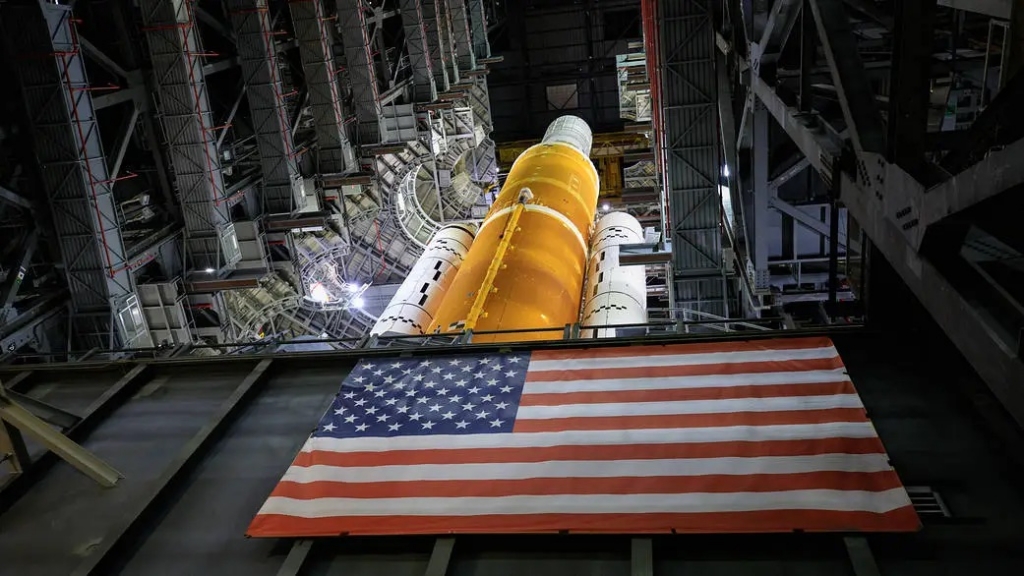
Many analysts argue that returning astronauts to the Moon before China would help the US reinforce its position as the world’s leading space power.
It should also be stressed that the US has other motivations that include science and industrial base, but China still looms large.
Japan is enormously important, perhaps the third most important after the US and China. However, it has chosen to support the US effort instead of going it alone.
Unlike in the 1960s, mining and other commercial interests are becoming increasingly important. In 2023, Reuters reported, “NASA is looking to develop resources on the moon that initially include oxygen and water, and eventually may expand to iron and rare earths, and has already taken steps toward excavating moon soil in 2032.”
Why China and India want to go to the Moon
For many observers, putting astronauts on the Moon would be highly symbolic for China. It fits into broader narratives of national rejuvenation and the country’s ambition to establish itself as a leading technological and geopolitical power.
China plans to put astronauts on the Moon before 2030; delays to the Artemis mission mean the missions are now likely to be very close.
Russia currently appears unlikely to mount an independent crewed lunar programme, making cooperation with China its most realistic route to returning cosmonauts to the Moon.
| Programme | United States — Artemis | China — crewed lunar programme | India — Space Vision 2047 |
| Target for first crewed landing | Early 2028, NASA target | Before 2030 | 2040, tentative target |
| Lead agency | NASA | China Manned Space Agency (CMSA) | ISRO |
| Current human-spaceflight capability | Crewed orbital flights and lunar missions; Apollo landed astronauts in 1969–72 | Crewed orbital flights and operational space station; no crewed lunar mission yet | Human-spaceflight programme in development; no Indian crewed orbital flight yet |
| Heavy-lift rocket | Space Launch System (SLS) | Long March 10, in development | Next Generation Launch Vehicle (NGLV), in development |
| Crew spacecraft | Orion | Mengzhou, in development | Gaganyaan spacecraft, in development |
Working as a junior partner with China allows Russia to claim it remains an important actor in space.
Perhaps the most overlooked major space power is India.
India has said it will put astronauts on the Moon by 2040, making it the third major power with a declared crewed lunar ambition.
India’s motivations differ from China’s but similarly include national prestige, technological development and the desire to demonstrate its emergence as a major global power.
The big two companies: SpaceX and Blue Origin
Private companies, especially US-based ones, change the narrative significantly. These companies are essential to national efforts like Artemis, but they are also forces in their own right.
SpaceX has a goal of long-term expansion of human spaceflight, Elon Musk’s dreams of colonizing Mars, and sees commercial opportunities (e.g., mining, tourism). Blue Origin is similar and is guided by Jeff Bezos’s vision, tourism, and plans for long-term space industrialization.
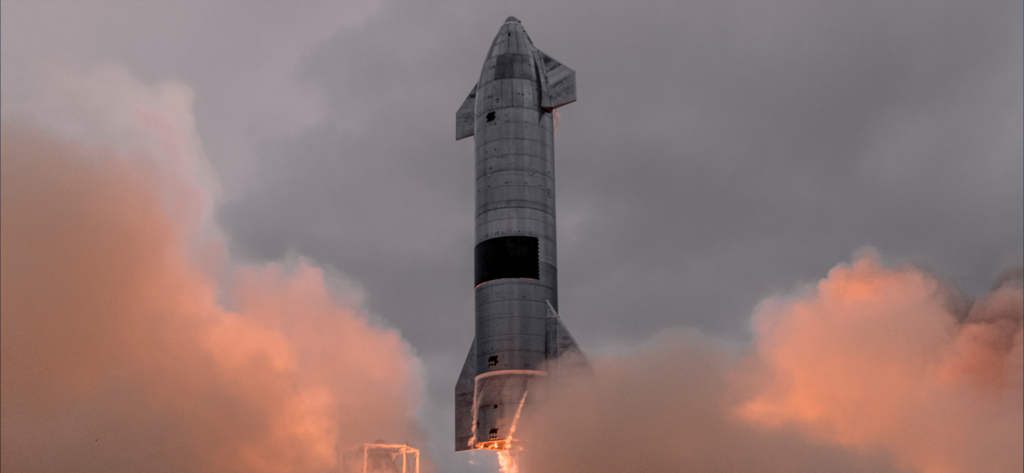
Other notable companies include Intuitive Machines, Firefly, and Astrolab, although SpaceX and Blue Origin are the two companies with (or developing) the needed hardware.
These companies do not yet have confirmed self-funded programmes to land people on the Moon. However, as the canceled dearMoon mission shows, once SpaceX has its Starship fully operational, it can start chartering lunar flybys within a short time.
Sign up for our newsletter and get our latest content in your inbox.


More from

October 25, 20265 min read