Artemis II crew faced cabin leak scare minutes before crucial Moon burn

4 min read
NASA’s Artemis II astronauts received a suspected cabin leak warning just 15 minutes before a critical engine firing that would send them towards the Moon, raising the possibility that their historic mission could be cut short before it had even left Earth’s vicinity.
The incident, which occurred on 2 April this year, was disclosed by Artemis II pilot Victor Glover during a discussion with former astronaut Chris Hadfield at the Starmus VIII festival in Tenerife on 18 October.
The warning came as the Orion spacecraft approached the lowest point of its elongated orbit around Earth, preparing for the manoeuvre that would commit its four astronauts to a journey around the Moon.
“If it had happened five minutes later, we may not have been able to have that burn,” Glover told the audience, according to Space.com.
The crew and mission controllers had to establish whether the warning indicated a genuine loss of cabin pressure. A real leak could have forced the astronauts to abandon their lunar journey, put on their spacesuits and prepare for an early return to Earth.
The warning was eventually determined to be false, allowing Orion to complete its engine firing and begin a journey that would carry humans further from Earth than ever before.
A warning at the worst possible moment
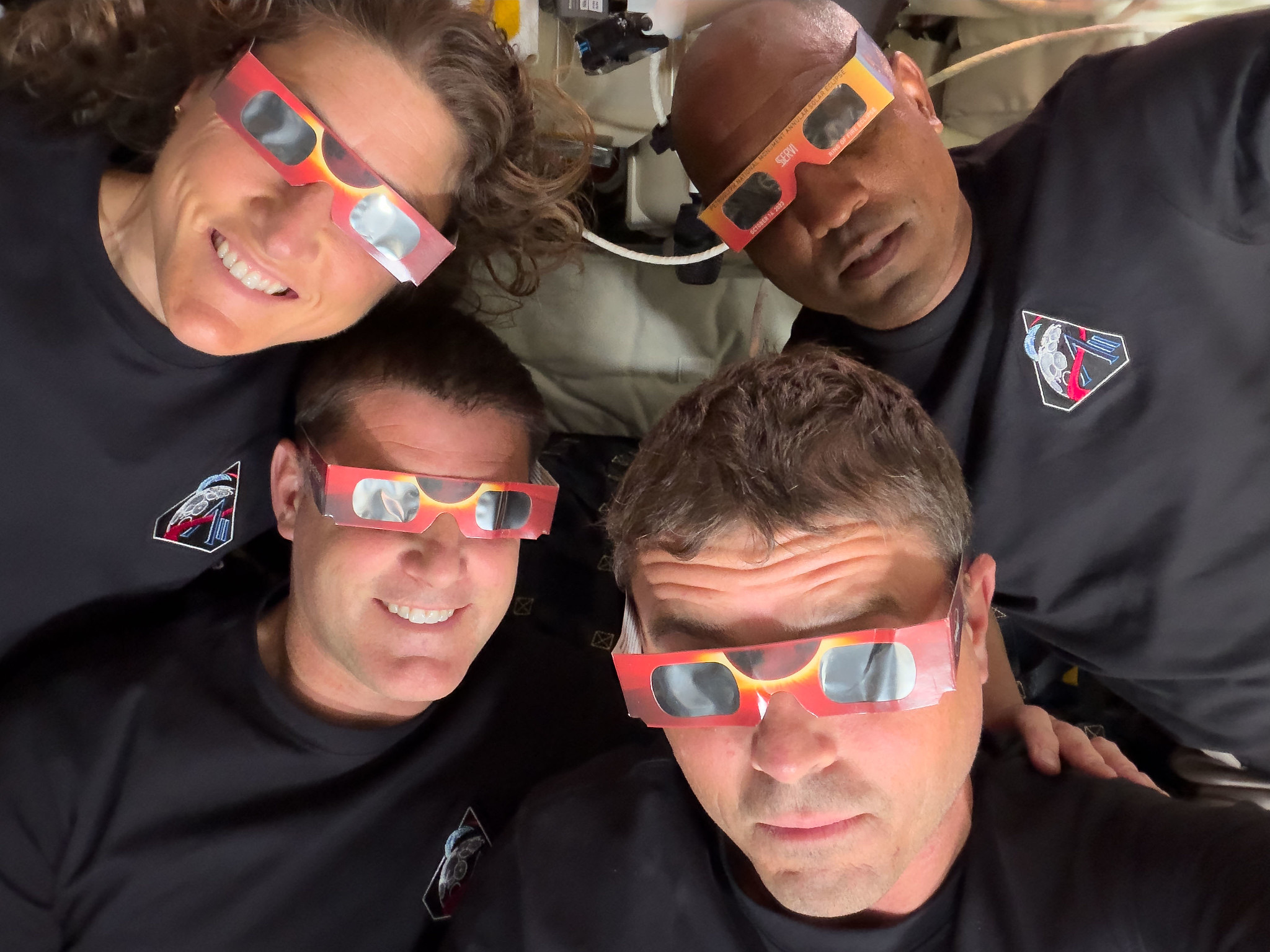
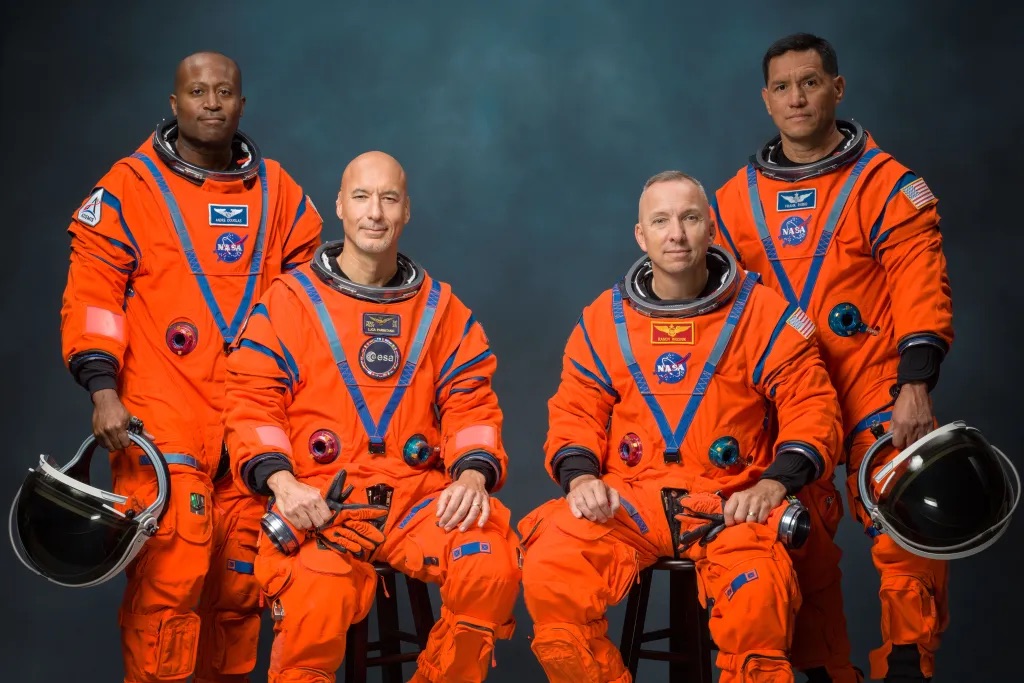
Artemis II had launched on 1 April aboard NASA’s Space Launch System rocket, carrying commander Reid Wiseman, pilot Glover, mission specialist Christina Koch and Canadian Space Agency astronaut Jeremy Hansen.
Rather than heading directly for the Moon, Orion first entered a highly elliptical orbit around Earth. The trajectory gave the astronauts and flight controllers time to check the spacecraft’s life-support systems, communications and handling before committing to deep space.
By 2 April, Orion had travelled roughly 38,000 miles from Earth and was returning towards the planet for its planned translunar injection burn.
The manoeuvre was timed to take place near the spacecraft’s closest approach to Earth, at an altitude of about 100 miles.
At that point, Orion was travelling rapidly, making it an efficient place to fire the engine and gain the additional speed needed for the lunar journey.
Glover recalled Hansen looking through the window as Earth grew closer beneath them.
“I think we’re going to run smack dab into the middle of Earth,” Hansen remarked, according to Glover’s account reported by Space.com.
The crew also had to contend with an environment containing more orbital debris and satellites as Orion descended towards its lowest altitude.
Then came the cabin leak alert.
Determining whether the warning was genuine became an immediate priority. The astronauts could not ignore a possible loss of cabin pressure, but delaying the engine firing could also mean missing the planned opportunity to head towards the Moon.
NASA flight director Judd Frieling subsequently confirmed during an April briefing that the alert had been a false alarm.
A record-breaking journey beyond the Moon
The successful burn began a mission that would take the four astronauts farther from Earth than any previous human crew, surpassing the record established by Apollo 13 in 1970.
As Aerospace Global News reported following Orion’s safe return, the spacecraft reached a maximum distance of 252,756 miles from Earth, exceeding Apollo 13’s record by more than 4,000 miles.
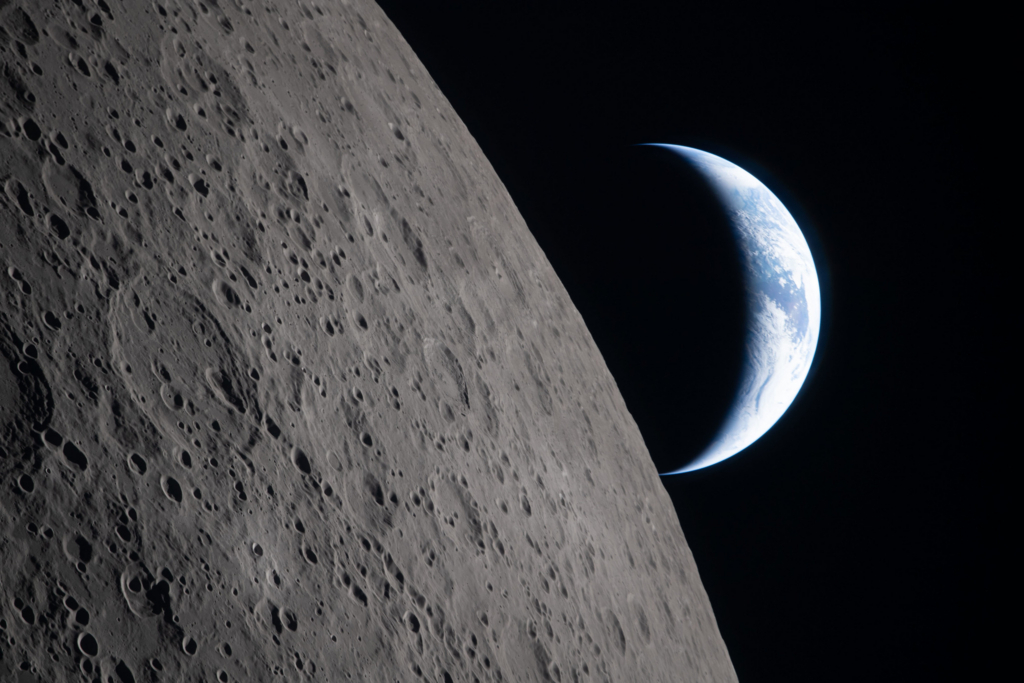
During the lunar flyby on 6 April, Orion passed approximately 4,067 miles above the Moon’s surface. The astronauts photographed the lunar landscape and carried out observations intended to support future exploration.
Over the nearly 10-day mission, Orion travelled more than 694,000 miles, completing life-support checks, spacecraft handling exercises and scientific investigations.
The mission also marked the first time humans had travelled beyond low Earth orbit since the Apollo programme ended in 1972.
Artemis II was not designed to land on the Moon. Its primary purpose was to demonstrate that Orion and its supporting systems could safely carry astronauts into deep space and bring them home.
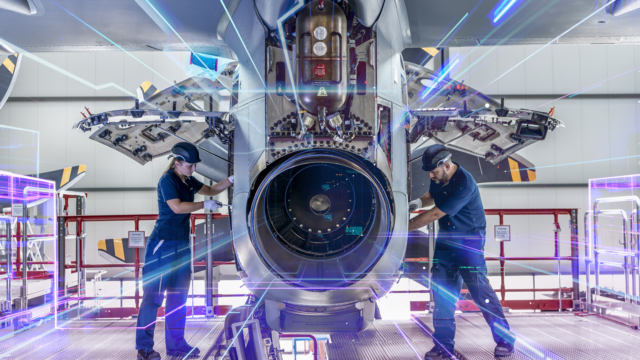
A major contribution came from the European Space Agency’s European Service Module, built under ESA leadership and largely assembled by Airbus Defence and Space in Bremen. It supplied propulsion, electrical power, air, water and thermal control during the flight.
The module performed with sufficient precision that two planned trajectory correction burns were no longer needed, according to ESA officials.
Orion’s return clears the way for future missions
Artemis II concluded on 10 April when Orion splashed down in the Pacific Ocean off San Diego, completing NASA’s first crewed lunar mission in more than half a century.
The spacecraft endured temperatures of approximately 5,000°F during atmospheric re-entry, followed by a planned communications blackout lasting just over six minutes. Its parachutes then deployed successfully, bringing the crew safely to the ocean.
The cabin leak warning, now described publicly by Glover, offers a reminder of how easily the mission’s outcome might have changed.
Artemis II went on to break the record for the greatest distance travelled from Earth by humans before returning safely on 10 April.
The incident also showed why NASA had taken the precaution of checking Orion’s critical systems in Earth orbit before sending four astronauts on their journey around the Moon.