The world’s all-premium airlines: From business-class-only flights to private jet-style travel

5 min read

Flying in luxury no longer necessarily means booking first class on a major airline or chartering a private jet. A small group of airlines offer aircraft with all-premium cabins, fewer passengers and top-shelf service throughout.
The latest entrant is Magnifica Air, a US start-up planning to introduce its new “Private Class” service in 2027. The airline intends to combine spacious Airbus cabins, private airport facilities and personalised hospitality with flights sold by the seat.
Magnifica joins a market already served by all-business-class airlines such as La Compagnie and beOnd, as well as semi-private operators including JSX and Aero.
The concept has a mixed history. Several all-premium airlines launched in the 2000s but failed to survive. Today’s operators are pursuing different markets, from transatlantic business travel to luxury holidays.
Magnifica Air: A new take on private luxury
Florida-based Magnifica Air plans to operate Airbus A220-300 and ACJ321neo aircraft with approximately 45–54 seats.
Its proposed cabins include private suites and premium recliners. The A220 will feature two suites, while the larger A321neo will have four. The airline also plans to eliminate overhead luggage bins to create a more spacious interior.

Passengers will use private airport facilities, with dedicated security screening, lounges and transfers to the aircraft. Magnifica aims to let travellers arrive about 30 minutes before departure.
The airline is positioning its “Private Class” product between commercial first class and private charter. It plans to sell individual seats on a luxury jet, instead of requiring travellers to hire an entire aircraft.
Magnifica plans to begin operations in 2027, though its aircraft interiors, regulatory approvals and commercial launch are still works in progress.
La Compagnie: All-business-class flights across the Atlantic
French airline La Compagnie has operated all-business-class transatlantic flights since 2014.
The carrier uses Airbus A321neo aircraft with 76 seats, all of which convert into fully flat beds. Its routes connect Newark with Paris, Milan and seasonal services to Nice.
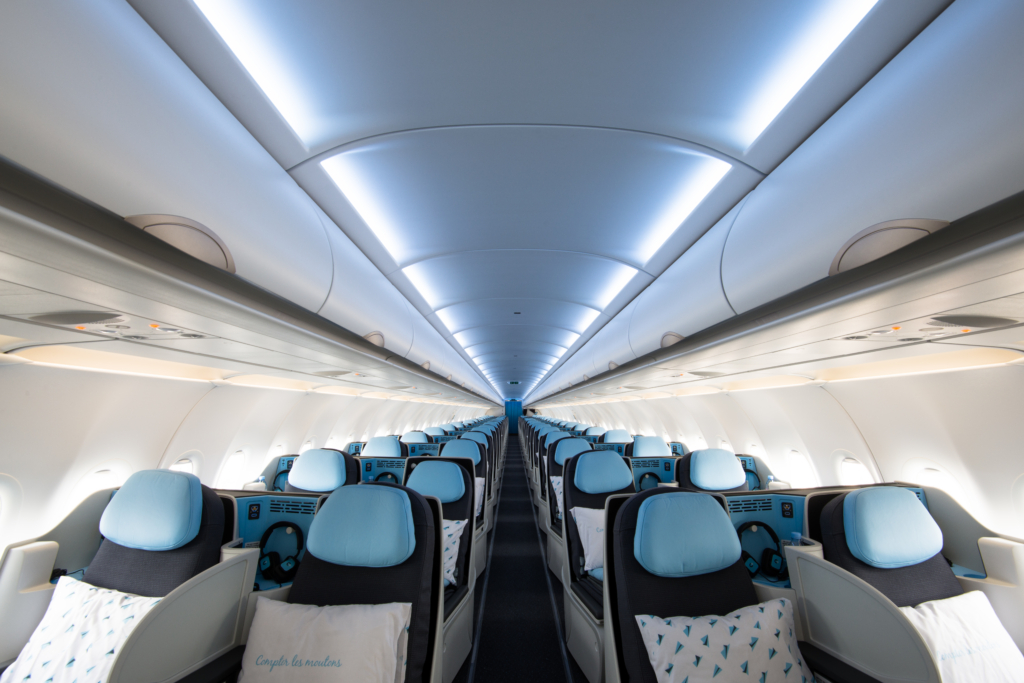
La Compagnie offers scheduled airline service and uses commercial airport terminals rather than private airport facilities. Its main attraction is an exclusively business-class cabin, often marketed at fares below those of larger international airlines.
The airline has survived for more than a decade in a market where several earlier competitors failed.
Its narrowbody aircraft let it operate transatlantic routes with fewer passengers than a conventional widebody would need to fill.
beOnd: Luxury flights to and from the Maldives
beOnd launched in 2023 with an all-business-class product aimed primarily at luxury leisure travellers.
The Maldives-based airline operates Airbus A319 and A321 aircraft with 44 and 68 seats respectively. Both feature lie-flat seating, premium dining and cabins designed around long-haul comfort.

beOnd serves destinations including Zurich, Munich, Milan and Dubai, connecting affluent travellers with the Maldives.
Unlike La Compagnie, which serves a substantial corporate travel market, beOnd concentrates on passengers travelling to high-end resorts.
Its smaller aircraft and limited capacity support an exclusive passenger experience.
JSX: Semi-private flying in the United States
US operator JSX offers a different interpretation of premium flying.
The company operates public charter flights using regional jets, generally configured with around 30 seats. Passengers book individual seats and use smaller private-terminal FBO facilities instead of larger airport terminals.

JSX advertises check-in as little as 20 minutes before departure. Its onboard product includes comfortable seating, complimentary refreshments and a more personal service than passengers typically encounter on short domestic flights.
The operator offers more convenience than luxury. For travellers flying shorter routes, avoiding crowded terminals and lengthy airport procedures can be as valuable as the onboard experience.
JSX is not a conventional scheduled all-business-class airline. It operates as a public charter, unlike operators like La Compagnie and beOnd.
Aero: Private aviation without chartering the whole aircraft
Aero offers luxury flights sold by the seat aboard smaller aircraft with premium interiors.
The company targets affluent leisure travellers flying to selected resort and holiday destinations, particularly in the western United States.
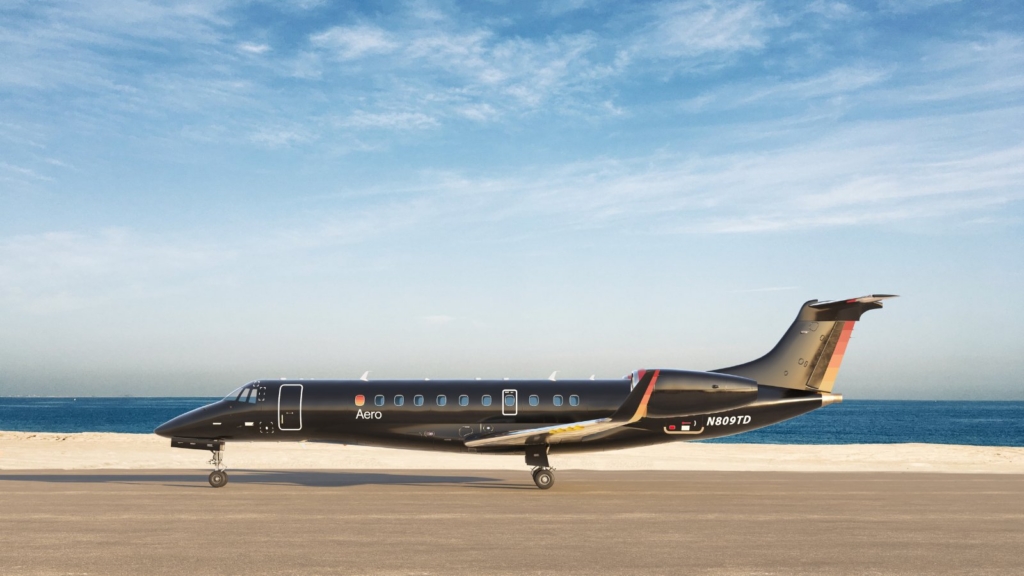
Its service includes private-terminal arrangements, limited passenger numbers and personalised onboard hospitality.
Aero also offers private charter services, but its shared flights let customers buy individual seats.
The product is closer to private aviation than conventional airline business class, although passengers still share the aircraft with other travellers.
The all-business-class airlines that didn’t survive
All-premium airlines have a difficult history, particularly on transatlantic routes.
In the mid-2000s, Eos Airlines, MAXjet and Silverjet launched services designed to compete with the business-class cabins of established international carriers.
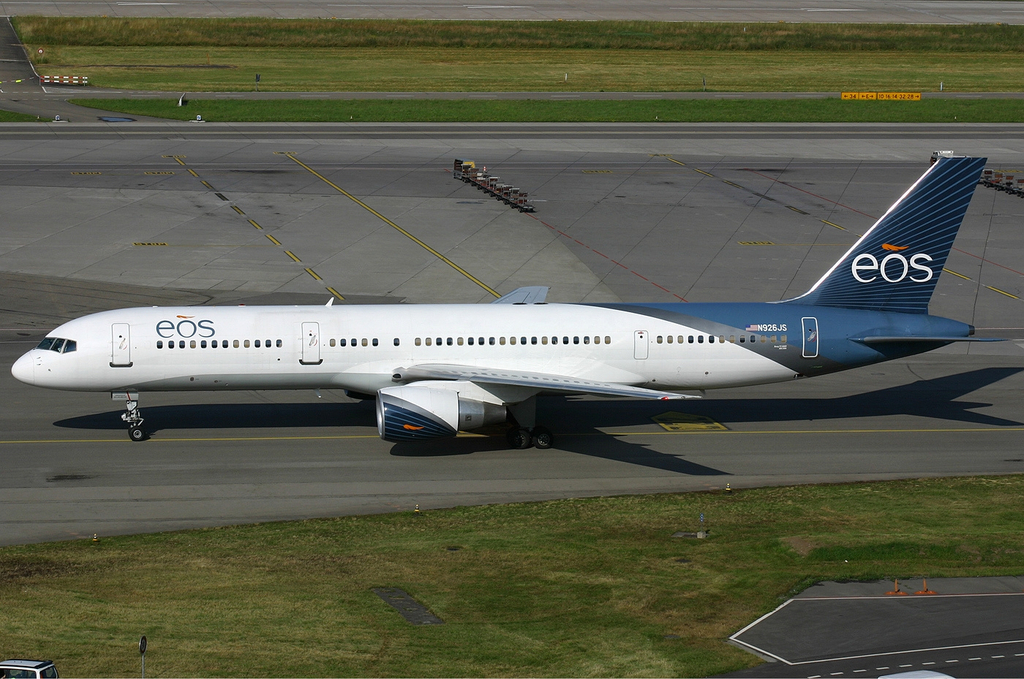
Eos operated spacious Boeing 757 cabins between London and New York. MAXjet pursued a lower-cost business-class model, while Silverjet offered premium flights linking London with New York and Dubai.
All three ceased operations between 2007 and 2008, affected by rising fuel prices, financial pressures and competition from larger airlines.
Other ventures also disappeared or changed direction.
French all-business-class carrier L’Avion was acquired by British Airways and incorporated into OpenSkies, which subsequently adopted a mixed-cabin model.
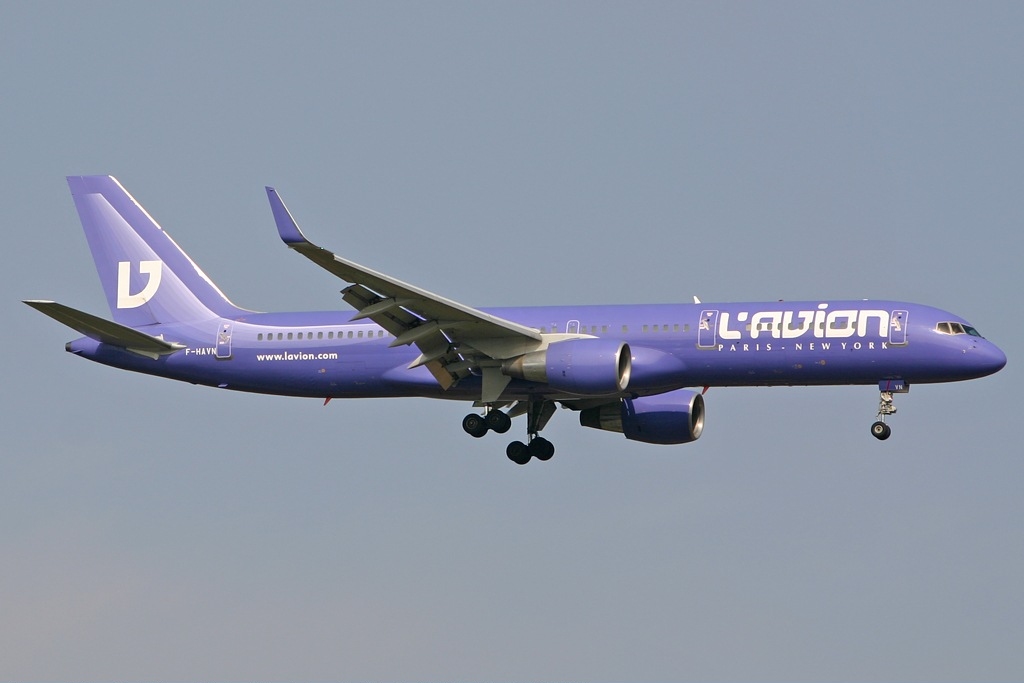
British Airways itself operated an all-business-class Airbus A318 service between London City and New York until 2020.
While smaller, premium-only cabins appealed to a select group of travellers, these operators struggled with the economics of operating limited fleets and route networks.
Can today’s all-premium airlines succeed?
The current generation of premium operators has adopted different business models.
La Compagnie competes for transatlantic business travellers. beOnd targets luxury holidaymakers. JSX and Aero concentrate on convenience, smaller airports and private-aviation-style service.
Magnifica Air intends to combine premium commercial airline cabins with private airport facilities, positioning itself between these existing models.
All face the same basic financial challenge. Aircraft with fewer seats must generate sufficient revenue per passenger to cover operating costs.
They also compete with established airlines investing heavily in private business-class suites, improved lounges and premium onboard services.
For passengers willing to pay more for comfort, privacy and convenience, options exist beyond commercial airline business and first class. One downside is that these carriers serve fewer routes than their larger commercial counterparts.