


SpiceJet lines up 20 leased aircraft as it rebuilds fleet for winter

4 min read
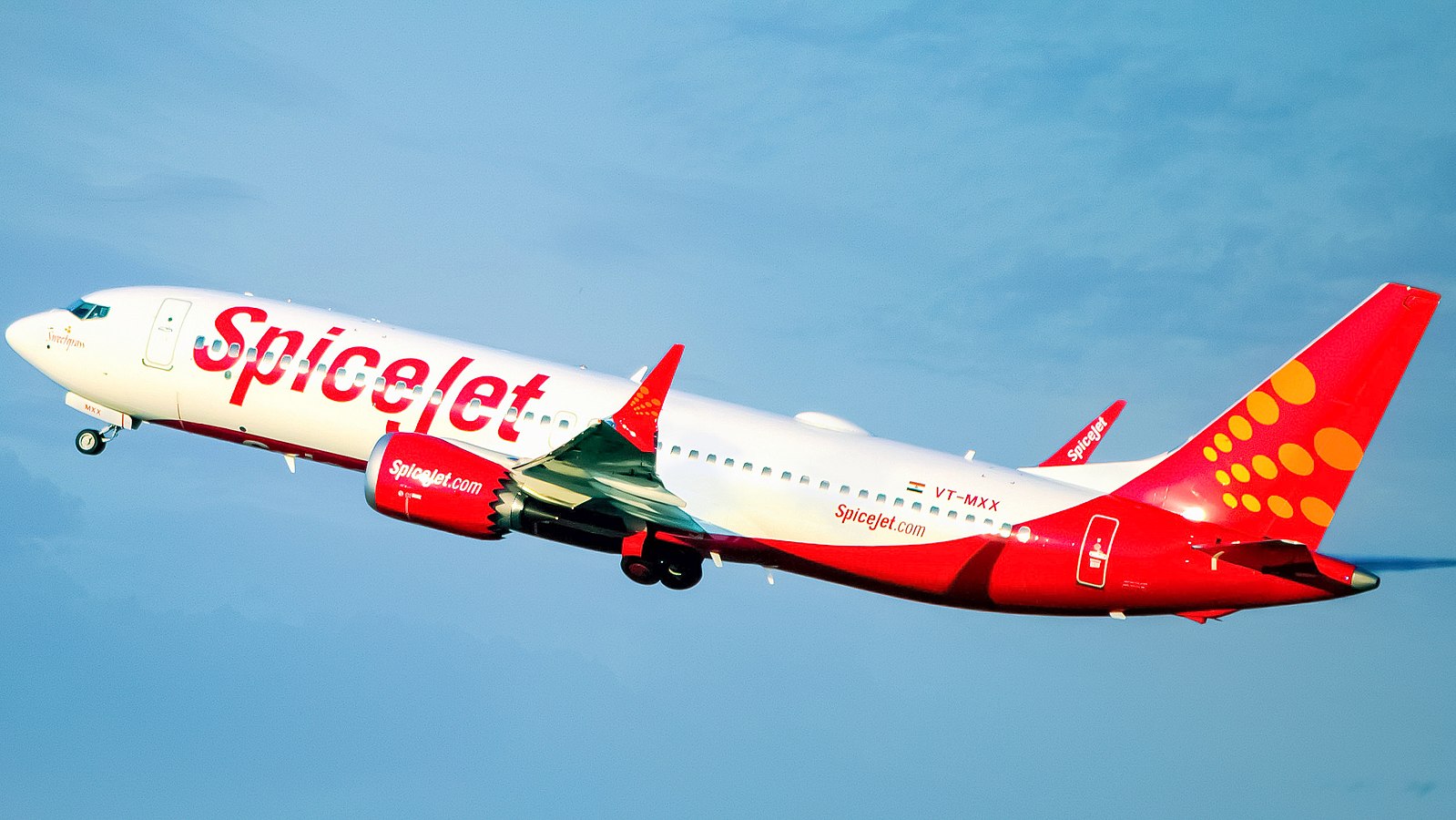
Indian low-cost carrier SpiceJet has finalised agreements with three aircraft operators to bring in 20 leased aircraft between mid-October and mid-November, as it seeks to rebuild capacity and increase its schedule to around 200 flights a day this winter.
The latest package covers 15 Boeing and five Airbus aircraft under wet- and damp-lease arrangements. The Airbus aircraft will include the higher-capacity A321, giving SpiceJet additional seats for routes with stronger demand.

The aircraft will arrive in phases ahead of India’s festive and winter travel period and are expected to remain in operation through the following summer peak.
“We are preparing for the winter season with a clear focus on adding capacity where our passengers need it most,” SpiceJet chief business officer Debojo Maharshi said.
“The 20 aircraft we are bringing in will allow us to strengthen our network, add frequencies and offer more travel options during the peak season.”
The leases provide SpiceJet with a relatively quick way of adding flying capacity without waiting for new aircraft deliveries.
Under a wet lease, the aircraft is generally supplied with crew, maintenance and insurance, while a damp lease typically involves the lessor providing the aircraft and some, but not all, of those elements.
A fleet rebuilding effort that has gathered pace
The 20-aircraft agreement is the latest step in a fleet rebuilding programme that has taken on greater urgency after SpiceJet’s operational fleet fell sharply.
As recently as late June, the airline had only 11 aircraft in active service after two wet-leased Boeing 737-800s were returned to Corendon Airlines at the end of their lease.
The remaining operating fleet at the time comprised nine Boeing 737s and two De Havilland Canada Dash 8-400 turboprops.
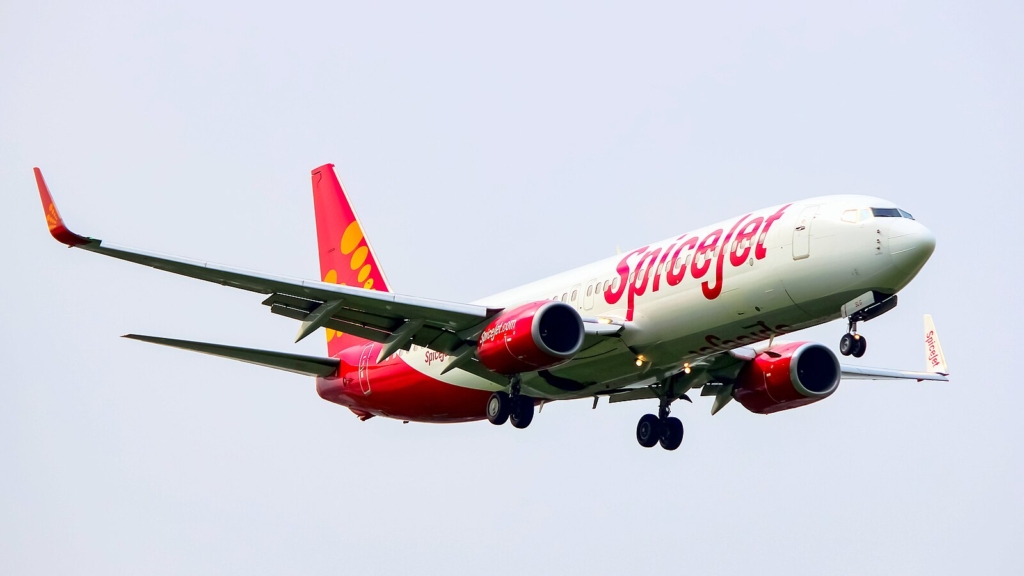
That was a fraction of SpiceJet’s wider fleet. In September 2025, only 18 of 53 aircraft were reported to be active, with other aircraft grounded amid supply-chain bottlenecks and engine overhaul delays.
SpiceJet has since been trying to increase the number of available aircraft through two routes: bringing in leased capacity and returning its own grounded aircraft to service.
The airline’s board earlier approved a plan to build the fleet back to around 60 aircraft using a combination of wet and damp leases and the phased restoration of grounded aircraft. In February, SpiceJet also received a memorandum of understanding covering the induction of 10 aircraft.
By June, it had announced plans to bring in three damp-leased Airbus A320s and return a Boeing 737 MAX to commercial service.
The latest 20-aircraft agreement is therefore significant not because it introduces a new fleet target, but because it puts contracted capacity behind the rebuilding effort.
Airbus aircraft add another type to winter operations
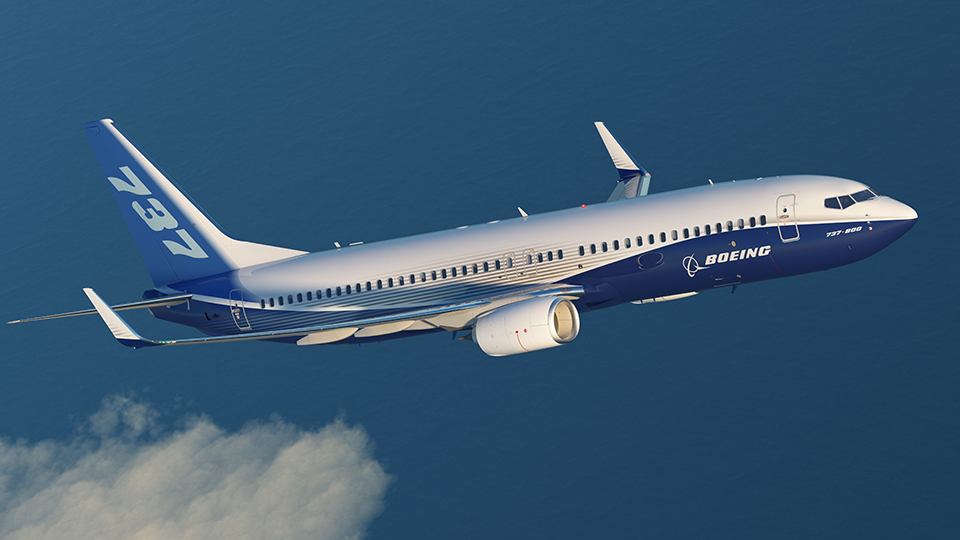
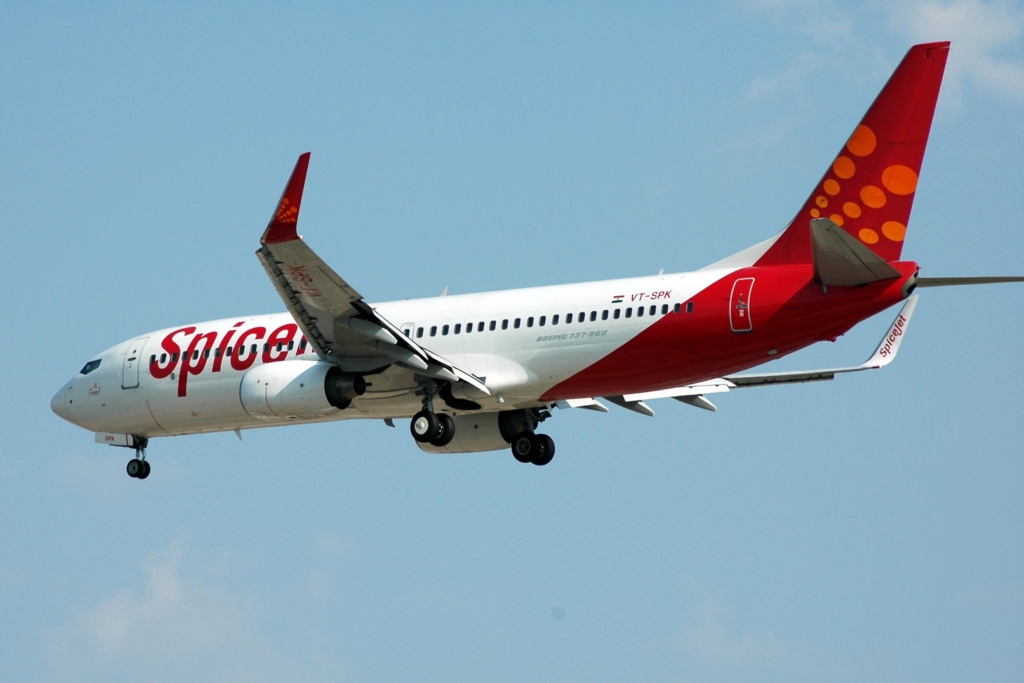
SpiceJet’s established fleet is centred on the Boeing 737 family, alongside Dash 8-400 turboprops used on shorter regional sectors. Its 737 fleet has included the 737-700, 737-800, 737-900ER and 737 MAX 8.
The use of Airbus narrowbodies marks a broader mix for the carrier’s leased operation. Three damp-leased A320s had already been planned earlier in the year, while the latest agreement adds five Airbus aircraft, including the A321.
The A321’s larger seating capacity gives SpiceJet an option for sectors where it wants to add seats without relying solely on additional frequencies. The airline has not disclosed the individual Boeing variants covered by the latest leases or the identities of the three operators supplying the 20 aircraft.
Winter target of around 200 daily flights
SpiceJet says the additional aircraft will be used to increase frequencies on selected domestic and international routes and restore capacity during the peak travel period.
Its immediate target is around 200 daily flights during the coming winter schedule.
That is below an earlier ambition announced in February, when the airline said it intended to operate more than 300 flights a day by winter 2026 and increase capacity to around 2.20 billion available seat kilometres (ASK). At the time, SpiceJet said its capacity had almost doubled, from 550 million to 1.05 billion ASKs, a standard industry measure of airline capacity.
The revised 200-flight target provides a clearer indication of the scale at which SpiceJet now expects to operate during the coming season.
Maharshi, was quoted by Safari India, as saying that the leased aircraft would support operations through both the winter and summer peaks.
“Our aim is to reach around 200 daily flights this winter, while continuing to build our operations in a measured and sustainable manner,” he said.
SpiceJet’s domestic market share had risen from 1.9% in September 2025 to 4.3% by December after the airline added 16 aircraft during the quarter and increased capacity.
The next stage of the recovery will depend on how quickly the newly leased aircraft enter service and how many of SpiceJet’s grounded aircraft can be returned to flying.
The first of the 20 newly contracted aircraft are due to begin arriving in mid-October, with all scheduled to join by mid-November.


