FLY91 orders 40 ATR 72-600s in $1bn deal to fuel India regional growth

5 min read
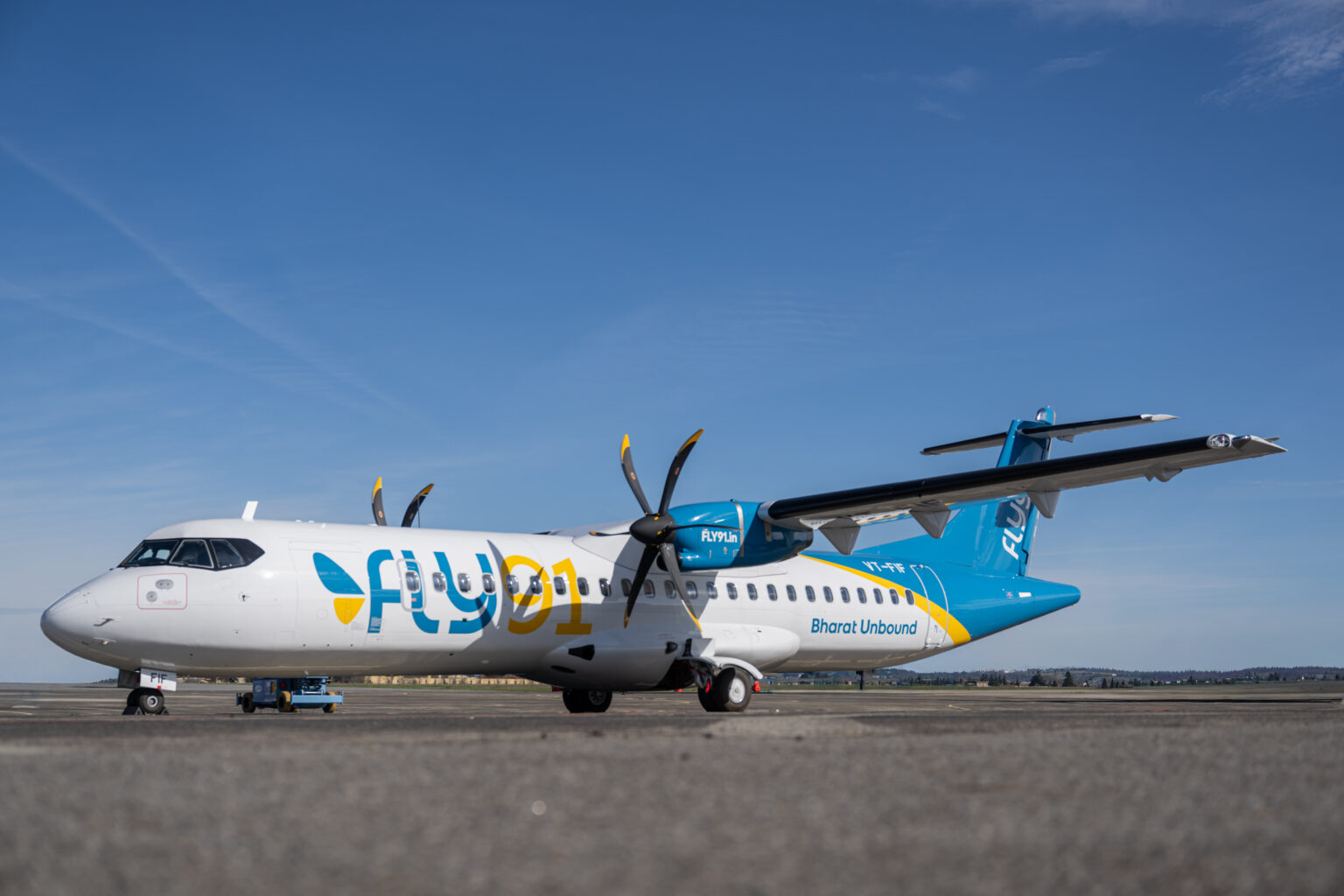
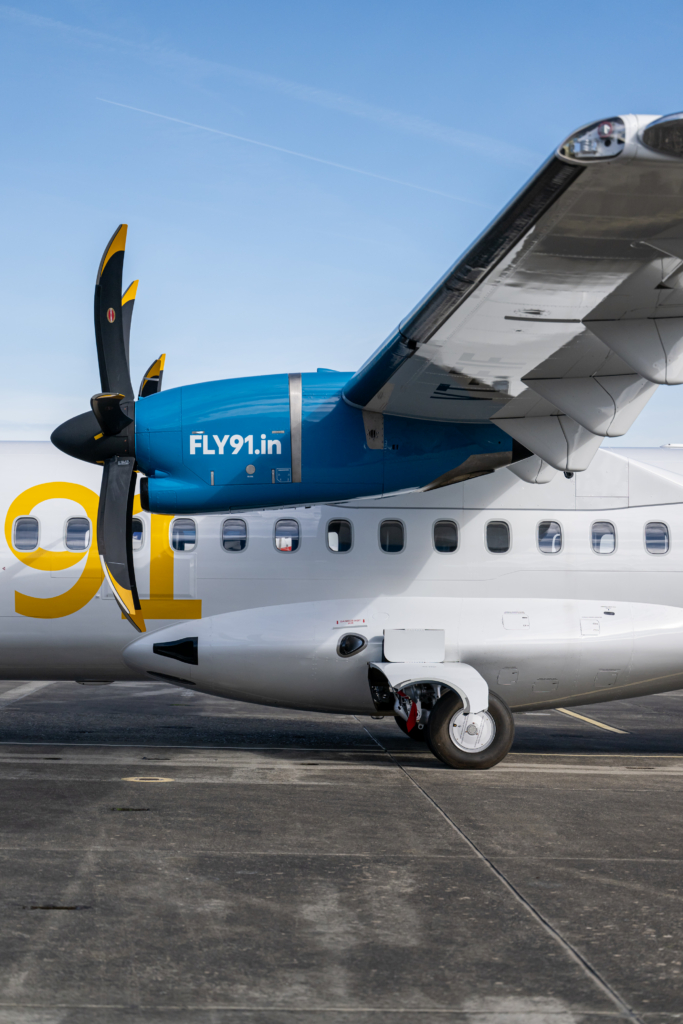
Indian regional carrier FLY91 has placed a firm order for 40 ATR 72-600 turboprops worth around $1 billion, setting out a five-year expansion plan that would take the Goa-based airline from a six-aircraft operator to a fleet of about 60.

The deal is the largest firm ATR order in almost a decade and the biggest placed by a regional airline, according to the manufacturer. Deliveries are due to begin in the second half of 2027 and run through 2032. It also takes ATR’s firm order intake for 2026 to 54 aircraft, already above its 50 net orders for the whole of last year.
For FLY91, which began operations in March 2024, the significance goes beyond the size of the order. The airline has so far depended on leased aircraft available on the secondary market. A direct order gives it a delivery schedule around which it can plan routes, funding and capacity several years ahead.
“This is a very important day because I think this day now cements our long-term strategy,” founder, managing director and CEO Manoj Chacko said.
“When we started off, we were dependent on the secondary market to acquire aircraft on lease. Now we have complete control over when the aircraft are going to be delivered. So we can plan our entire strategy. We know exactly how we grow, when we’ll grow, our funding requirements, all of those things.”
FLY91 plans another fleet increase before its new ATRs arrive
FLY91 currently operates six ATR 72-600s and flies more than 280 services a week to 13 destinations, including Bengaluru, Goa, Hyderabad, Kochi, Pune, Tirupati, Vijayawada, Rajahmundry and Agatti in the Lakshadweep Islands.
The airline does not intend to wait until 2027 to expand. It plans to lease another six to eight ATRs from the existing market before deliveries from the new order begin, potentially giving it a fleet of 12 to 14 aircraft by late next year.
The expansion is a substantial step for a carrier that has been flying for less than three years and is not yet profitable. According to Reuters FLY91 has raised $26.3 million and is seeking another $26.3 million.
Financing for the 40-aircraft purchase has yet to be finalised, while initial payments are being met from the airline’s own resources as it talks to lessors and financiers.
Chacko expects the airline to reach cash break-even by the end of the current financial year, followed by profit-and-loss break-even a year later.
“FLY91 was built on a singular conviction: India needs a focused, dedicated regional aviation network that connects emerging cities directly and efficiently,” Chacko said. “We have grown deliberately and consistently since our inception and this 40-aircraft order is the catalyst for our next phase of expansion.”
India’s smaller airports provide the market FLY91 is chasing
The scale of the order rests on a straightforward assumption: much of India’s future aviation growth will have to come from outside the large metropolitan markets already served extensively by narrowbody aircraft.
India has more than 160 operational airports, but Chacko estimates that larger narrowbody aircraft regularly serve only around 70 of them. FLY91 is targeting the smaller markets where passenger volumes may not initially support an Airbus A320 or Boeing 737 but can sustain a 70-seat turboprop.
The government’s UDAN regional connectivity scheme is part of that equation. About 35% of FLY91’s current weekly services receive viability-gap funding under the programme.
Civil Aviation Minister Kinjarapu Ram Mohan Naidu said the order comes as the government prepares to roll out UDAN 2.0.
“Regional connectivity is a fundamental pillar of India’s aviation growth story, and bridging smaller cities with major economic hubs remains a national priority,” Naidu said.
There is still a sizeable gap between India’s population and the number of journeys made by air. ATR estimates that only 3% of the country’s 4.6 billion annual inter-city journeys are currently flown. More than 90% of those journeys are under 400 nautical miles, while its analysis identifies as many as 420 potential new routes within the range it considers suitable for turboprops.
ATR forecasts demand for 210 new turboprops in India by 2044.
Large Indian order adds pressure to ATR’s production ramp-up
The FLY91 deal is equally important for ATR. Around 70 of its aircraft are already operating in India, meaning the 40-aircraft commitment alone would increase that installed fleet substantially.
ATR CEO Nathalie Tarnaud Laude said the deal reinforces the company’s long-term commitment to India.
“It’s the first-largest aircraft order for a regional airline and the third-largest order ever for ATR. It’s a big order in India today, and we are very happy because we believe that we have a big ambition in India, and this is another step of this ambition.”
“We already have 70 aircraft flying in India, and with this order of 40 more, it’s more than a 50% increase. It shows the relevance of the aircraft in India and for the Indian market, connecting communities and people.”
Laude said ATR is continuing to talk to other potential customers in the country.
“We already have some customers in India operating aircraft, and we are very professional in operating ATR in India. Of course, we are looking for more and having discussions, but at the moment we are concentrating on today’s order because it’s a big step.”
But winning orders is only part of the challenge facing the Airbus-Leonardo joint venture.
ATR took 60 gross and 50 net orders in 2025, ending the year with a backlog of more than 160 aircraft. It delivered just 32, however, after supply-chain shortages disrupted production.
The manufacturer is targeting a 20% increase in deliveries this year. It has reopened production stations, worked on final assembly line flow and says parts shortages have fallen to about one-third of their early-2025 level.