SpiceJet’s fleet falls to just 11 aircraft as airline works to rebuild capacity

2 min read
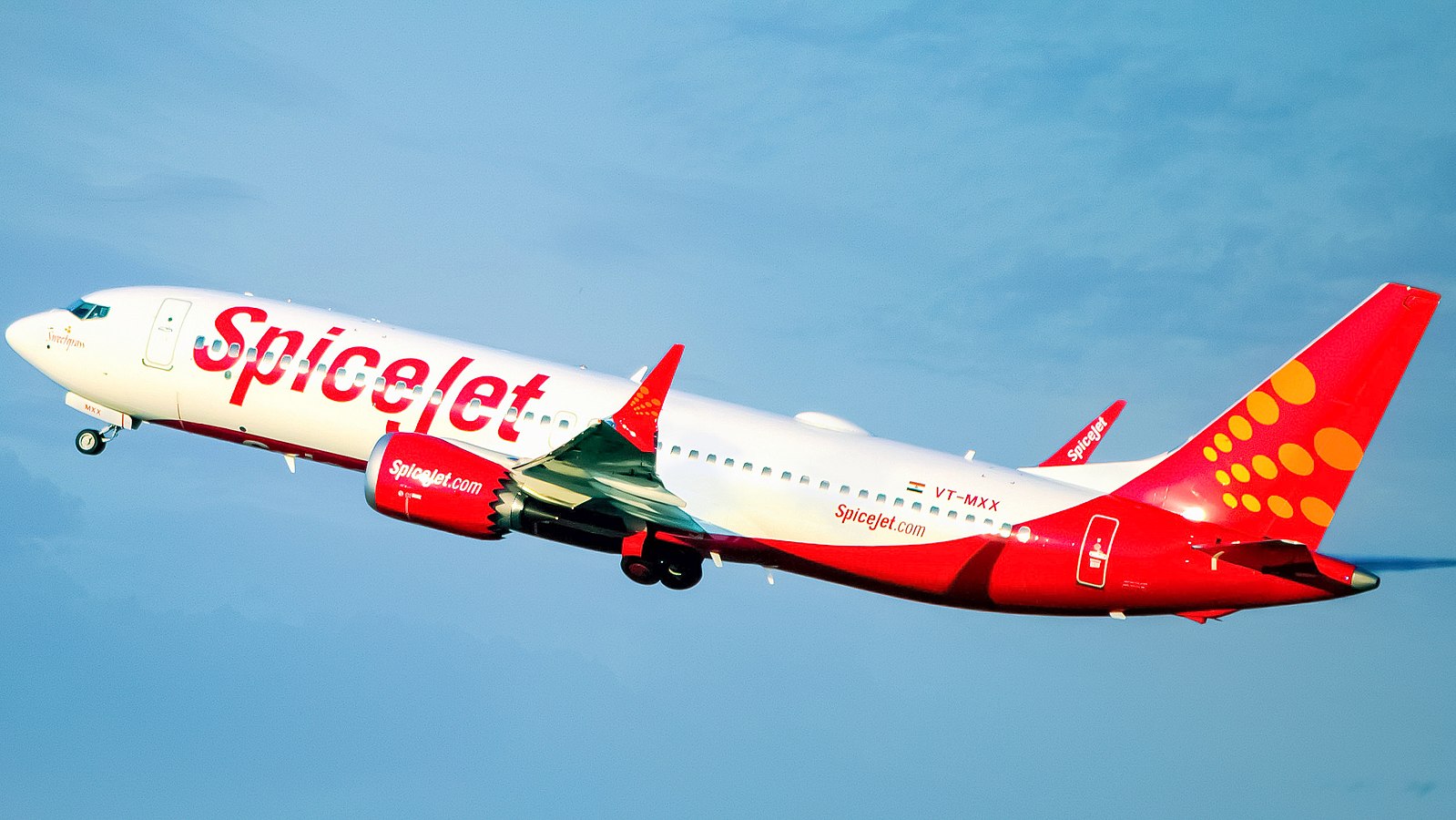

SpiceJet’s in-service fleet has shrunk to just 11 aircraft following the departure of its remaining wet-leased Boeing 737-800s.
The two aircraft, 9H-TJF and 9H-CXD, were ferried back to Europe on 26 June after the wet lease arrangement with Corendon Airlines came to an end.
SpiceJet’s fleet shrinks amid financial and regulatory woes
The low-cost Indian carrier now has just two De Havilland Canada DHC-8-400s and nine 737s in its in-service fleet. The latter comprises two Boeing 737-700s, three Boeing 737-800s, three Boeing 737 MAX 8s and one Boeing 737-900ER.
The LCC has faced a series of challenges, including financial, operational, and regulatory issues, but is attempting to rebuild its operations.
The latest reduction further demonstrates the dramatic reduction in the airline’s fleet in recent months.
The airline once operated dozens of aircraft across an extensive domestic and international network, but has steadily lost capacity amid financial difficulties, aircraft groundings, lease terminations and supply chain constraints.

The shrinking fleet has forced the airline to reduce frequencies and suspend a number of routes, while rivals have continued to expand.
As a point of comparison, last September, just 18 of SpiceJet’s 53 aircraft were in active service, according to Planespotters data.
The remainder were grounded due to supply chain bottlenecks and engine overhaul delays.
In another marker of how far SpiceJet’s fleet has shrunk, the airline now operates fewer aircraft than the much newer Akasa Air.
Indian LCC’s recovery plan
The carrier is now attempting to reverse that trend. Earlier this month, SpiceJet announced plans to induct three damp-leased Airbus A320s, alongside the return of a Boeing 737 MAX to commercial service.
Indian media reported that the three Airbus A320s were scheduled to join the airline’s fleet in July.
In February, SpiceJet signed a memorandum of understanding for the induction of 10 aircraft.
The carrier said this was part of a “calibrated ramp-up” of the fleet to 60 aircraft through a mix of wet and damp leases, along with the phased return to service of existing grounded aircraft. As of June, this had not yet materialised.
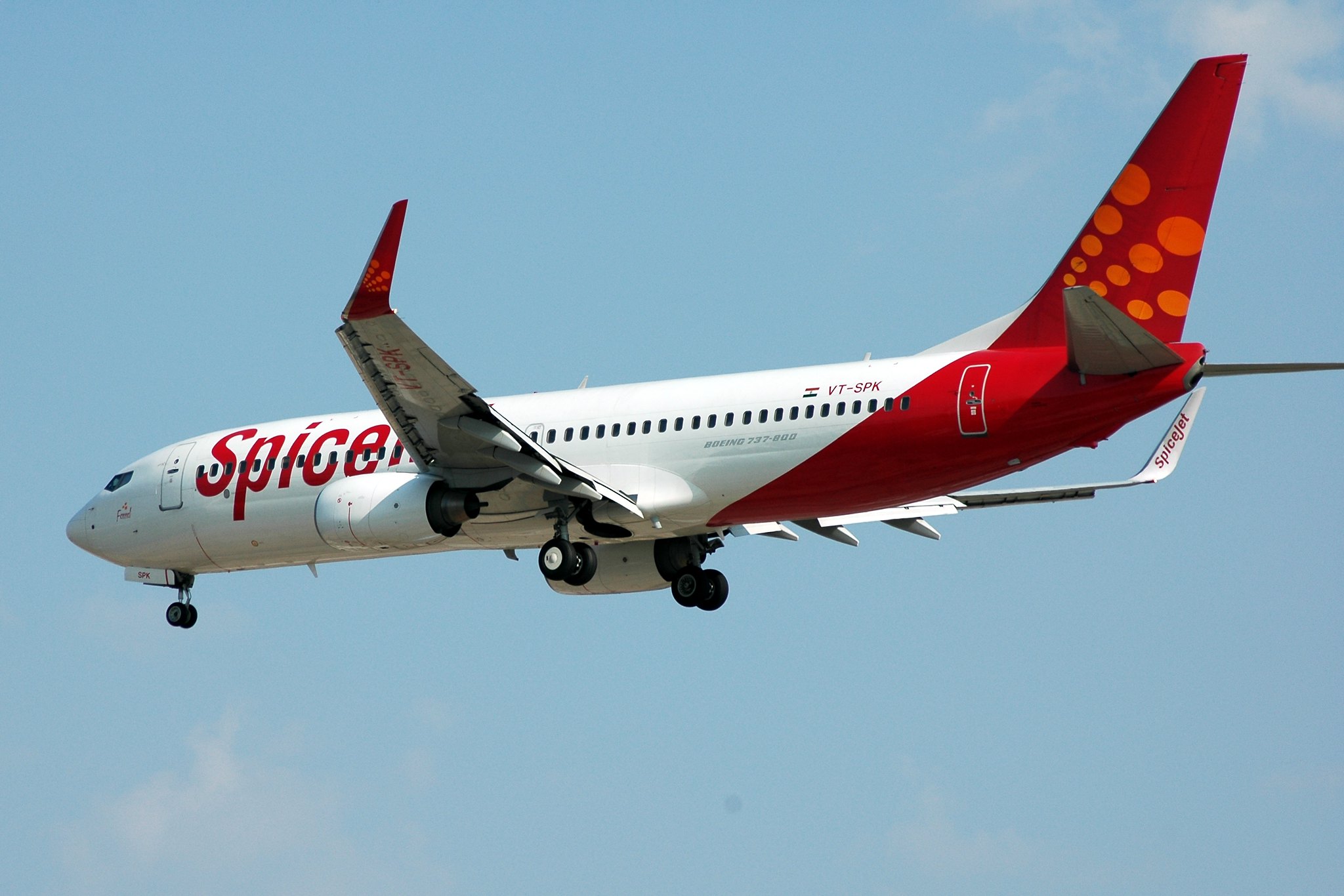
SpiceJet claimed its recovery had “gathered pace in recent months”, with the airline doubling its capacity over the 2025-26 winter with Available Seat Kilometres (ASKMs) doubling.
Debojo Maharshi, Chief Business Officer, SpiceJet, said there was “growing confidence in the business and strong demand across the network”.
He added, “We continue to rebuild and expand our operations in a measured manner. Our focus remains on restoring capacity, strengthening connectivity and improving reliability for our passengers.”
Featured image: Md Shaifuzzaman Ayon / Wikimedia