


What happens when a new aircraft enters airline service?

4 min read
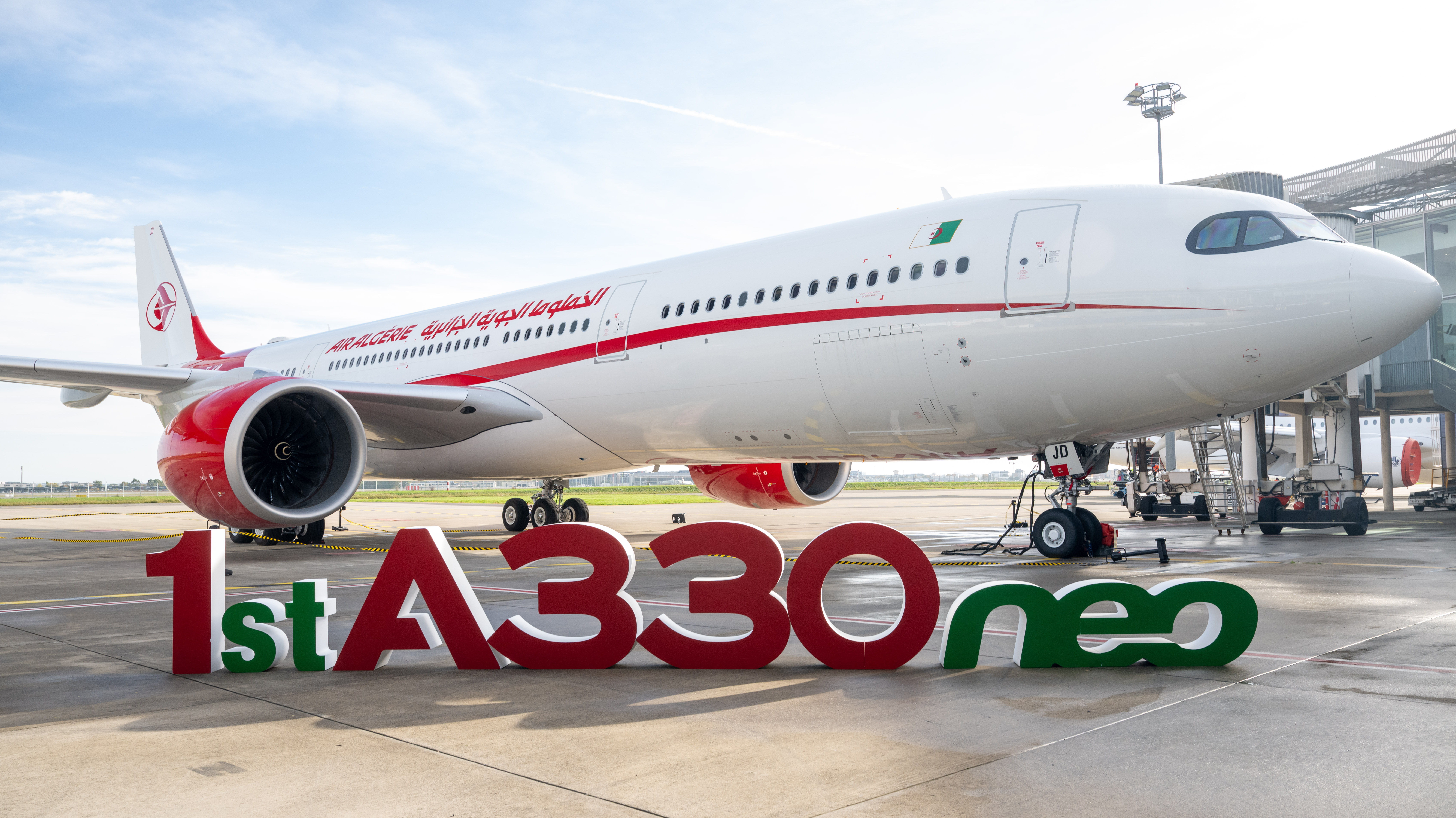
When a brand-new airliner rolls into its airline’s home base, it may look ready to fly. But before the first passengers can take their seats, there’s still a lot of work to do.
Putting a new aircraft into service is a months-long process, bringing together pilots, cabin crew, engineers, ground teams, operations staff and regulators, all working to get the aircraft ready for its first flight.
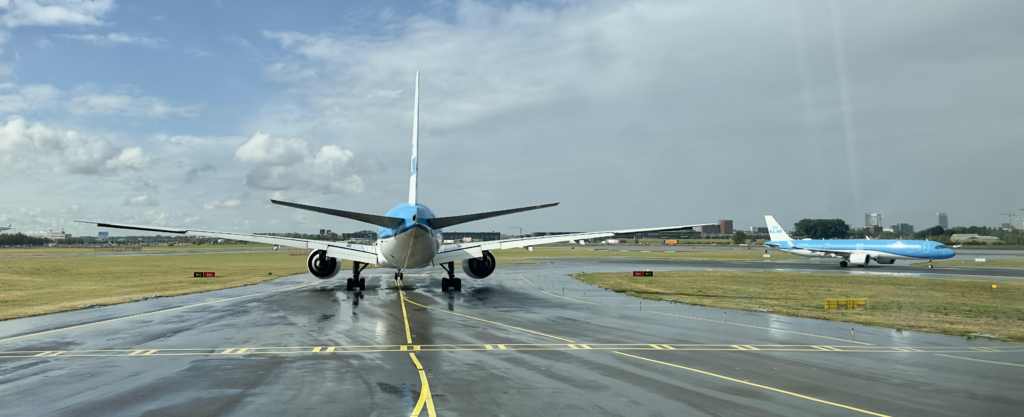
What happens before an airline receives a new aircraft?
Before the airline even sees the aircraft, the manufacturer’s production test pilots will have flown it. Any issues identified during these flights should be resolved before the customer acceptance flight.
This is carried out by a specially trained crew from the airline, with the manufacturer’s pilots also on board. The crew checks to make sure the aircraft meets its specification and tests systems including engine shutdowns and relights in flight. They can also deploy the cabin oxygen masks – known as the “rubber jungle”.
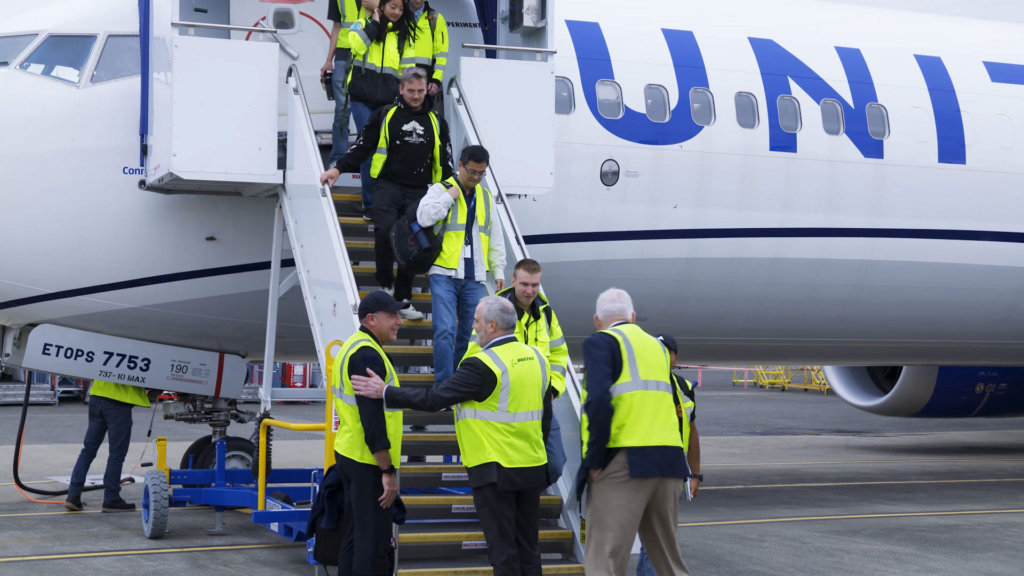
At the manufacturer’s delivery centre, representatives from Flight Operations, Technical and Engineering, and Quality inspect and accept the aircraft. An aviation authority, for example the CAA, may send a representative too.
Once technical acceptance is complete, the aircraft receives its Certificate of Airworthiness and registration and can be added to the airline’s Operations Specifications.
After payment, ownership passes from manufacturer to airline and the aircraft is prepared for its delivery flight. The flight may be operated by the airline or a specialist ferry company, such as Nomadic Aviation Group.
For a first-of-type delivery, media may also be invited to cover the aircraft’s arrival at its new home.
Preparing a new aircraft for airline service
The airline then adds its own equipment, including safety cards, headrest covers and other cabin fittings.
While all this is going on, engineers and technicians undertake type-specific familiarisation and training. Ground-handling teams, loading crews and catering-truck drivers must also understand the aircraft and the procedures involved in working around it.
Additionally, operational and office staff need to be prepared for the new arrival. Aircraft-specific manuals have to be produced, incorporated into company procedures and approved by aviation authorities. Spare parts and maintenance stocks must also be available before the aircraft enters service.
How do pilots train for a new aircraft type?
Pilots training to fly a new aircraft type go through a mix of classroom learning, simulator sessions and real flight training. KLM’s introduction of the Airbus A321neo is a good example of how much work this can involve when an airline has no previous experience with an aircraft family.
The airline had mainly operated Boeing 737s and Embraer E-Jets on its European network, so its short-haul pilots were new to the Airbus A320 family. Before KLM received its A321neos, its instructors and training captains completed type-rating training at the Airbus Training Centre in Toulouse.
They then needed to complete six take-offs and landings in an A320-family aircraft to qualify for their licence type rating, with KLM using aircraft operated by Spanish low-cost carrier Volotea for this training. Airlines can also invest in their own simulators, but setting one up takes considerable time and planning. KLM has documented the process in its “Training our pilots on the A321neo” Cockpit Tales video:
Building experience with the new aircraft
Airlines sometimes use shorter flights to build crew experience. When British Airways introduced the Airbus A380, it operated the aircraft on routes from London Heathrow to destinations including Frankfurt and Madrid. These shorter sectors gave pilots more take-offs and landings before they moved into long-haul flying.
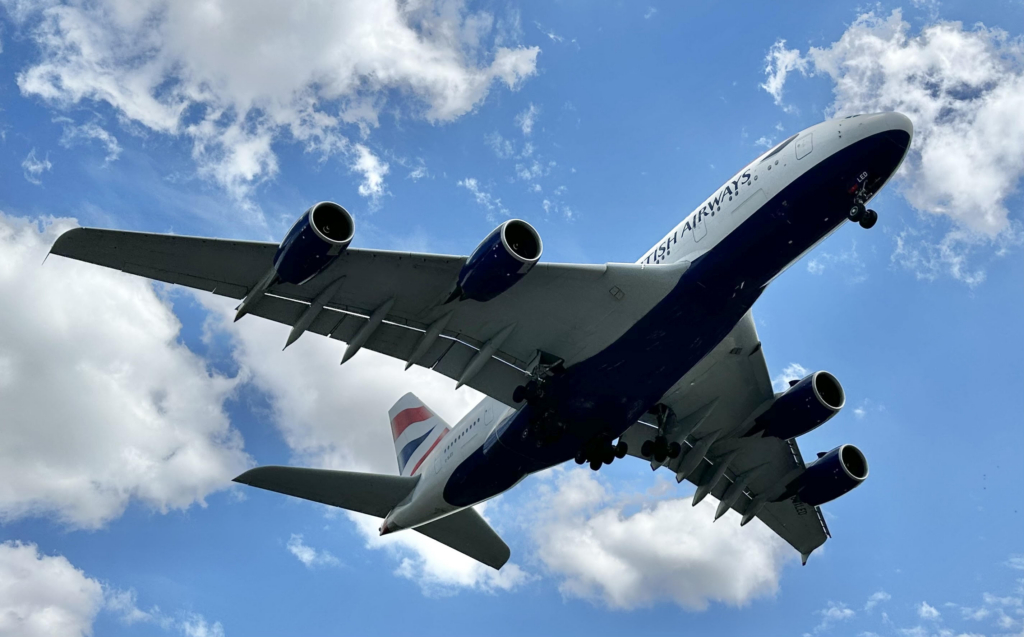
The initial BA A380 pilots already had experience on the airline’s short-haul Airbus fleet. When the A350 arrived later, BA’s trainers had A380 experience, with the two aircraft sharing a very similar flight deck.
What support does the manufacturer provide?
The manufacturer’s involvement can continue after delivery. Some send pilots and engineers to the airline for weeks or months as the aircraft enters service, providing expertise if problems arise.
Airlines can also contact the manufacturer’s 24-hour technical support centre for assistance.
Just like new cars, new airliners come with a warranty. Defective components or equipment that needs replacing may therefore be covered for an agreed period.
When does the aircraft enter commercial service?
By the time passengers step on board a new aircraft for its first commercial flight, a huge amount of work has already gone on behind the scenes.
The aircraft has to go through factory testing, be formally accepted and certified, while crews are trained, maintenance plans are put in place, the ground operation is prepared and the cabin is fitted out. So the first passenger flight is really the final step in a process that has taken months to complete.
Sign up for our newsletter and get our latest content in your inbox.


More from

September 4, 20264 min read


