Can an airline really operate with just one aircraft?

4 min read
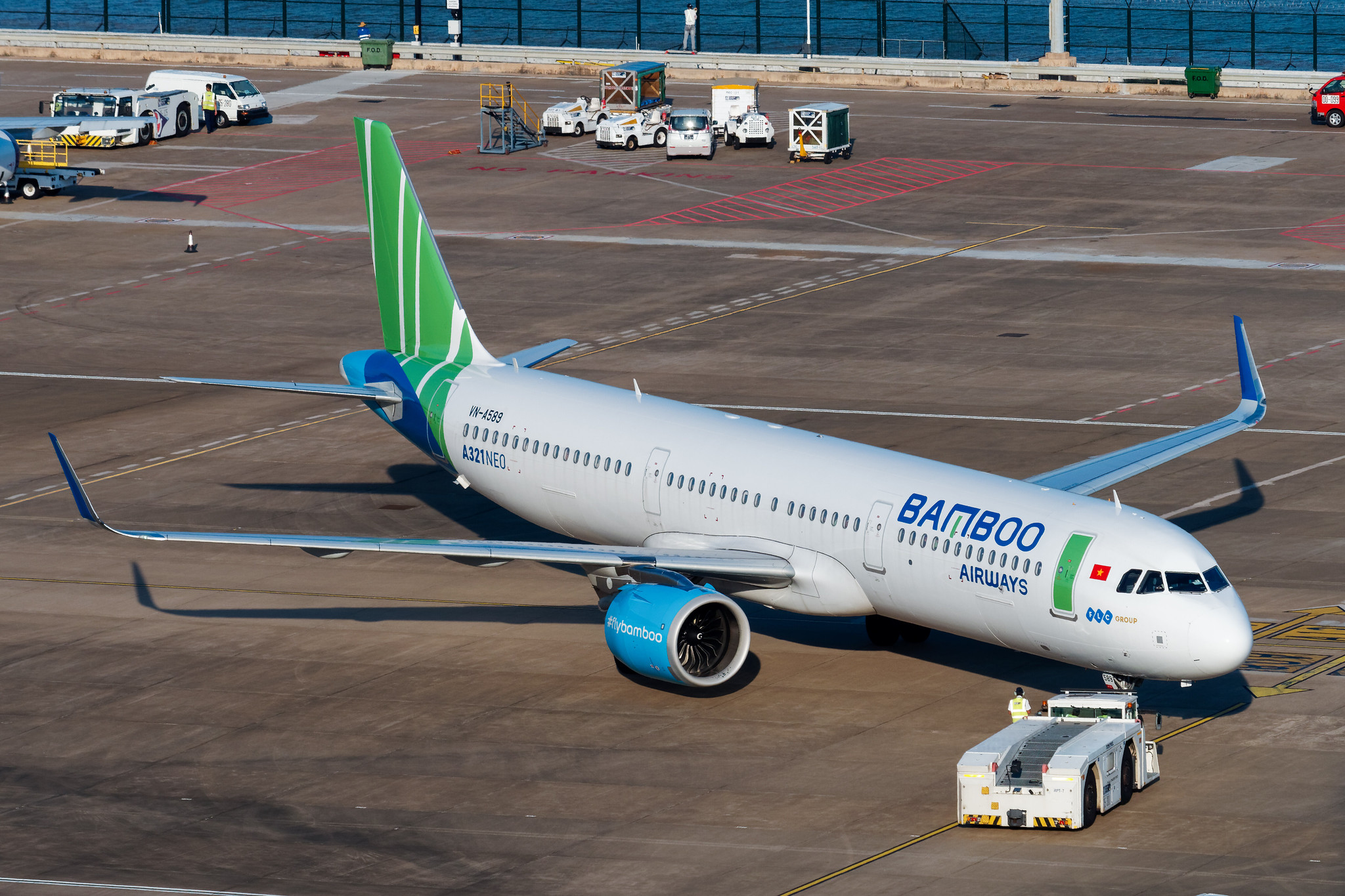
Bamboo Airways once operated a fleet of 44 aircraft, serving destinations across Asia, Europe and Australia. Today, its active operation has been reduced to a single Airbus A321.
Yet despite only having one aircraft available to fly, Bamboo Airways remains in operation. Which raises an obvious question: what happens when an airline has no backup aircraft?
Bamboo Airways has spent years ‘scaling back’ operations
The Vietnamese carrier has spent several years scaling back its operations and, by August, had suspended the sale of scheduled flights on key domestic routes including Hanoi–Ho Chi Minh City and Hanoi–Da Nang.
Bamboo Airways has nevertheless continued flying. Its sole active aircraft, Airbus A321-200 VN-A227, has recently been used primarily on charter operations, including between Da Nang and Macau.
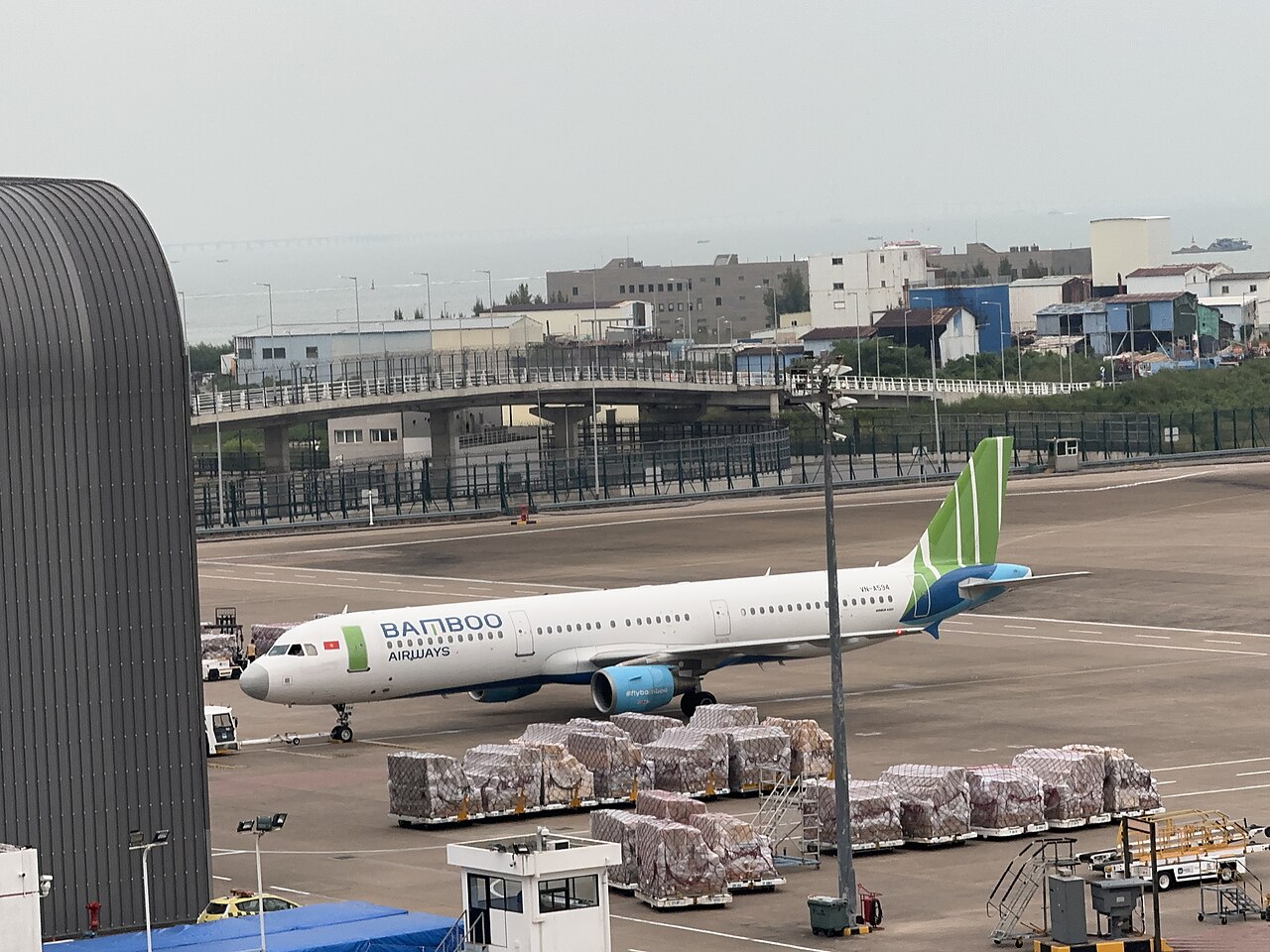
Flight tracking data shows the aircraft continuing to operate the route as recently as 3 September.
Can an airline operate with one aircraft?
There is nothing preventing an airline from operating just one aircraft, provided it continues to meet the regulatory, maintenance, crewing and operational requirements attached to its air operator certificate.
However, the difficulty is what happens when that aircraft has a technical defect – or simply routine maintenance work – which means it cannot fly.
One aircraft leaves no room for technical problems
Airliners operate according to strict maintenance programmes containing scheduled inspections and tasks that have to be completed at specified intervals.
Those requirements are enforced, regardless of the number of aircraft operated by an airline, and having just one aircraft leaves an airline vulnerable to disruption.
Some routine work can be carried out overnight or between flights, limiting the impact. But more extensive maintenance requires an aircraft to be removed from service.
For a carrier with a larger fleet of aircraft, schedules can be reshuffled and aeroplanes redeployed, but Bamboo Airways has no such spare capacity within its own fleet.

The same problem arises following an aircraft-on-ground, or AOG, event. A technical defect may be relatively minor but, if it makes the aircraft unserviceable and cannot immediately be rectified, subsequent flights will be affected.
While this does not make operating a single-aircraft model impossible, it does reduce redundancy within the fleet to zero, causing a headache for the airline operations team.
Bamboo’s reliance on charter flying arguably reduces the complexity versus operating a scheduled service, since the timetables are more ad-hoc and there is likely to be more time between flights to rectify any issues.
Wet leasing can provide a temporary replacement
Another option is to bring in capacity from elsewhere.
Airlines regularly wet lease aircraft to cover planned maintenance, unexpected technical problems and other capacity shortages.

Under a conventional wet lease, often described as ACMI – aircraft, crew, maintenance and insurance – another airline supplies the aircraft and operates it using its own air operator certificate.
Regulatory approval is still required, with the precise rules depending on the countries involved.
Specialist ACMI carriers also market aircraft specifically as short-notice cover following AOG events. Replacement aircraft are not guaranteed and can be expensive.
Bamboo Airways is not alone in operating a tiny fleet
Although Bamboo’s decline from 44 aircraft to one active aircraft is particularly dramatic, it is far from the only airline operating with a micro-fleet.
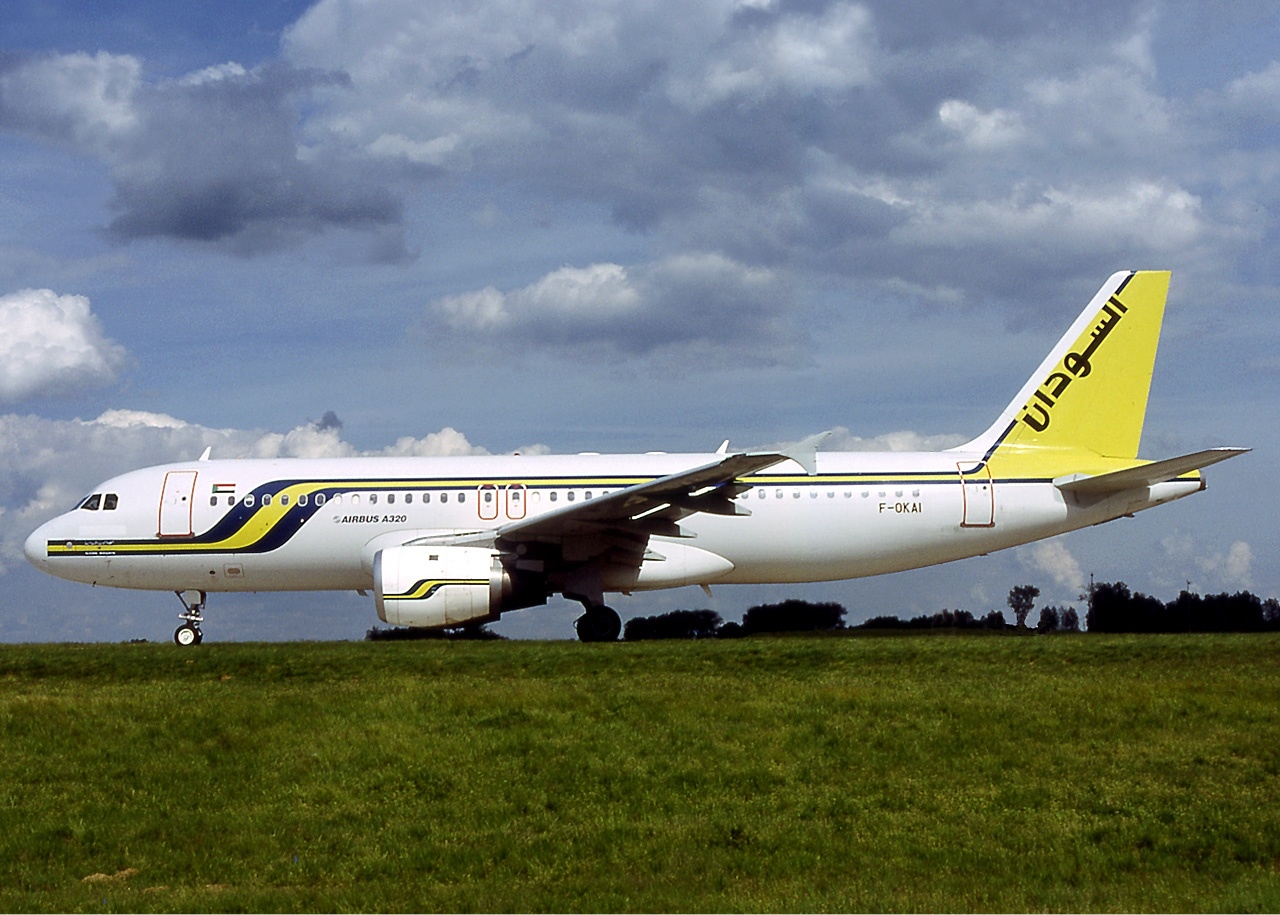
Sudan Airways is currently listed with a fleet of just one Airbus A320, while Surinam Airways has two Boeing 737-800s, of which one is listed as active and the other parked.
Cabo Verde Airlines operates just two aircraft: one Boeing 737-700 and one 737 MAX 8. Both are currently listed as in service.
Aruba Airlines is similarly small, although sources differ over its precise fleet composition. Planespotters.net lists two active A320-200s, while the airline’s own website currently identifies one A320-200 and one Bombardier CRJ200 as being in service.
Small fleets can therefore support viable airline operations, particularly where schedules are limited, are focused on charter operations, or can lean on leasing arrangements to plug gaps.
But operating just one aircraft means any planned maintenance event, or unexpected defect, has the potential to cause a bigger disruption as there is no second aircraft waiting to be swapped in.