From the TR-3B to the RQ-180: The world’s most secretive spy aircraft

9 min read
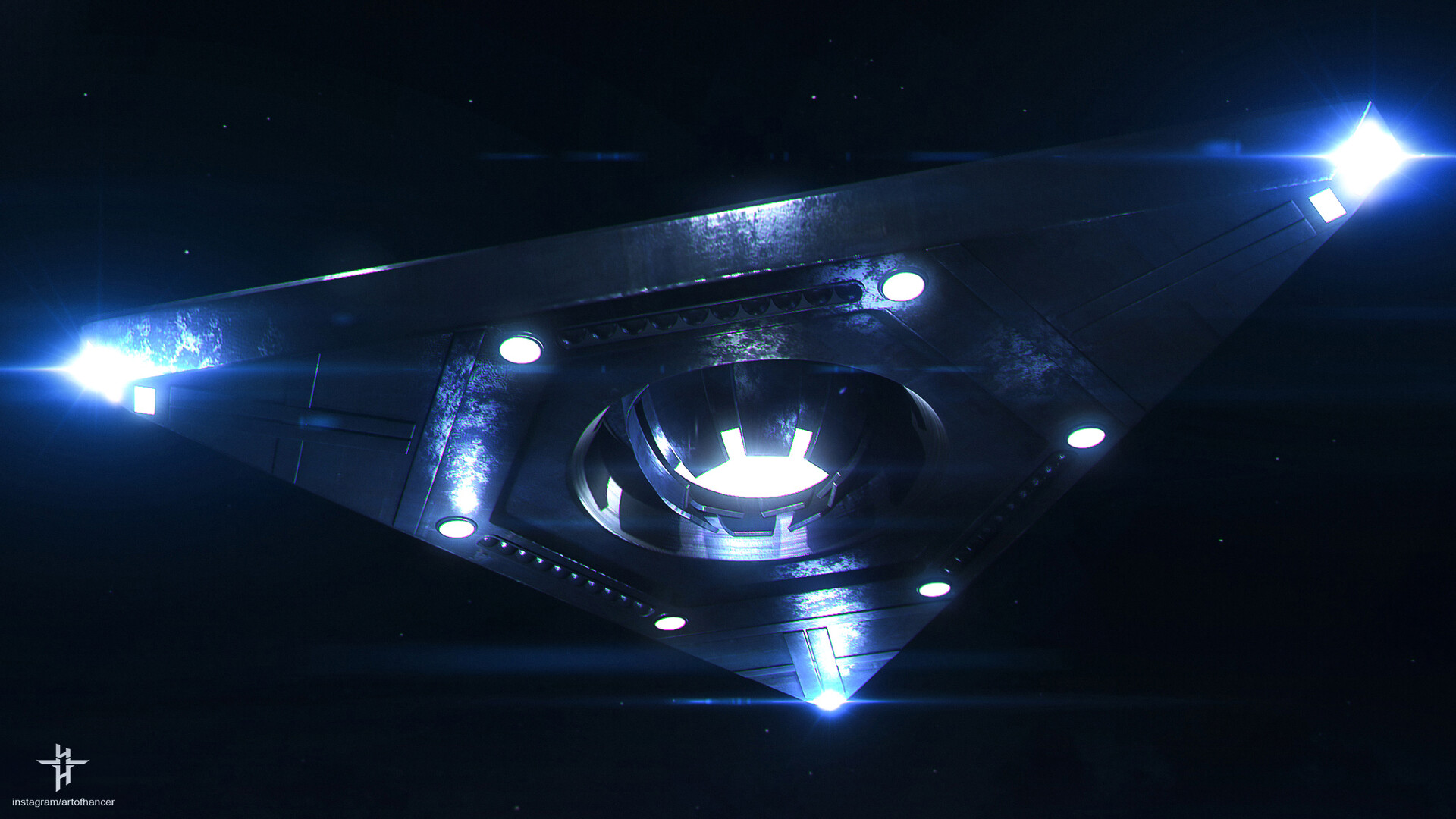
Few aircraft have generated as much intrigue as the TR-3B Black Manta – a silent black triangle that’s supposedly so secret that the US government will not acknowledge it, and so advanced that some accounts even credit it with “anti-gravity” technology.
Even though there is no verified evidence that it even exists, it continues to attract attention – and in doing so, highlights the fascination with the very real world of spy planes, stealth drones and surveillance aircraft.
Here, we round up the secretive spy aircraft to know about: from the U-2 Dragon Lady to the X-37B spaceplane.
The TR-3B remains aviation’s great black-triangle mystery
Reports of large, dark triangular objects moving quietly at low altitude have circulated for decades. The name Black Manta has subsequently become attached to claims of a highly classified American reconnaissance aircraft employing exotic propulsion.
The problem is evidence.
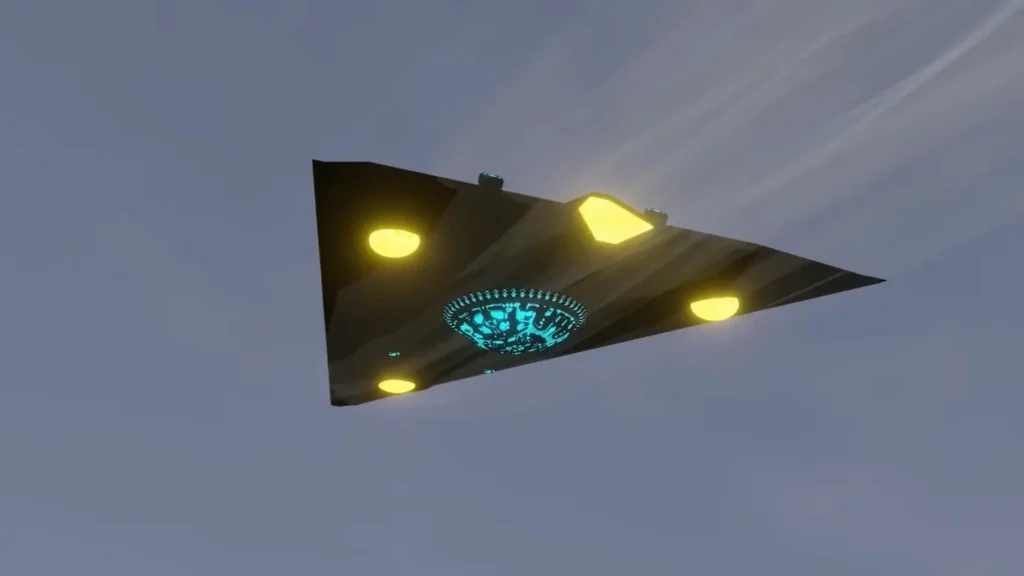
Even our earlier Aerospace Global News report examining the aircraft acknowledged that the TR-3B’s existence remains speculative. The extraordinary performance and propulsion claims attached to it have never been officially substantiated.
History nevertheless explains why such stories endure. Genuine US aircraft have flown in secrecy for years before Washington admitted they existed. The F-117 Nighthawk, for example, became operational in 1983 but was not publicly acknowledged until 1988.
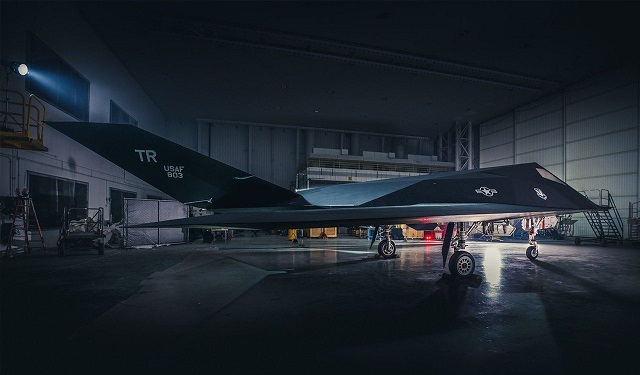
The Black Manta may remain folklore. The aircraft widely referred to as the RQ-180 is considerably harder to dismiss.
The ‘Lady of Larissa’ may be America’s most secretive spy aircraft
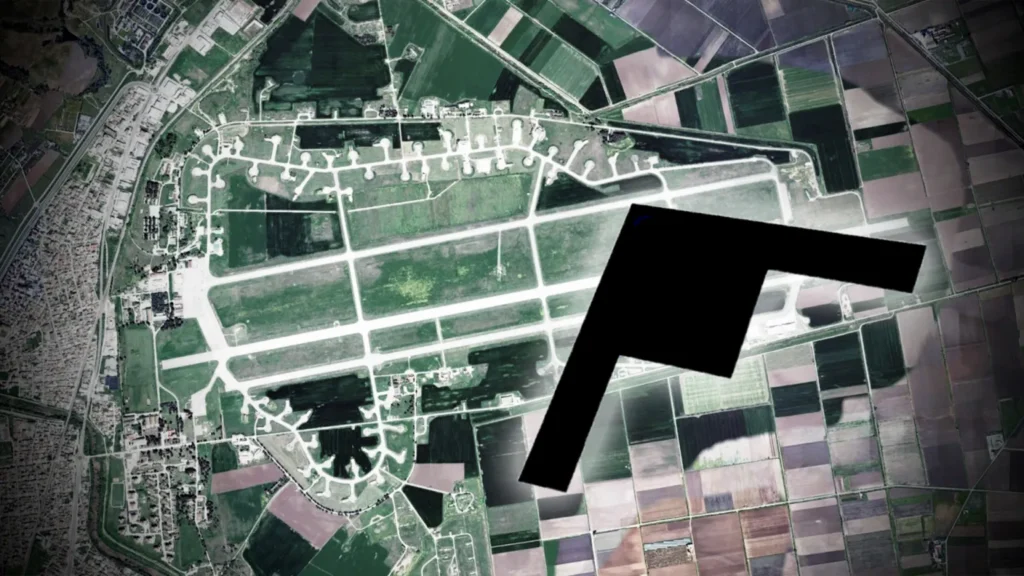
On 18 March, spotters around Larissa Air Base in Greece photographed a large, dark flying-wing aircraft after it apparently made an unexpected appearance at the base.
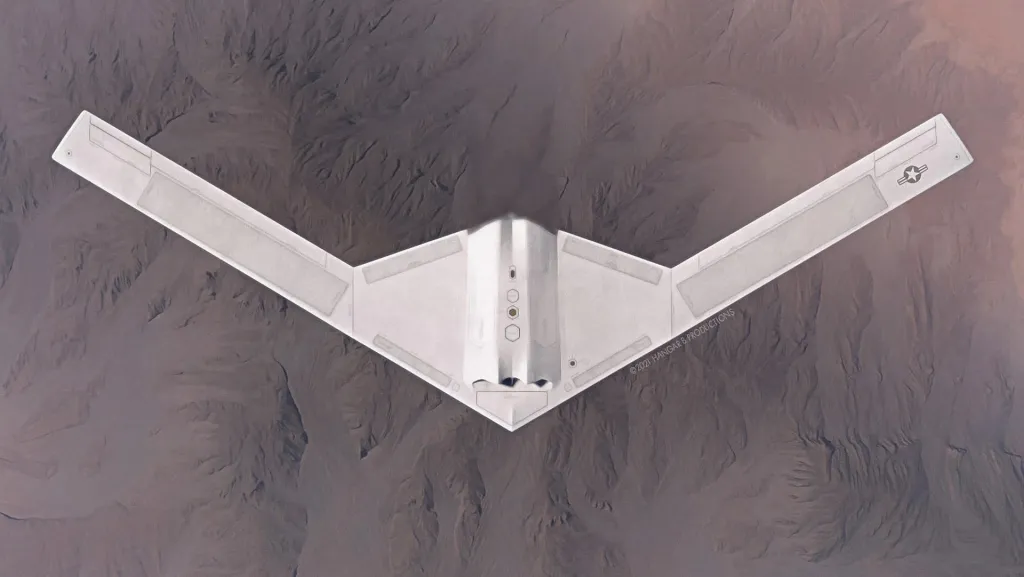
TWZ said the aircraft looked like a stealthy, long-range, high-altitude intelligence, surveillance and reconnaissance platform widely and unofficially known as the RQ-180. It stressed that the designation and identity have never been publicly confirmed by the US government.
Local reports suggested the aircraft had diverted to Larissa because of a technical problem, although TWZ said it could not confirm that account. Whether the aircraft was operating from the Greek base or simply landed there unexpectedly also remained unclear.
Then it kept appearing.
For several weeks, increasingly detailed photographs and video showed the aircraft flying around Larissa in daylight. Some observers began calling it the “Lady of Larissa”, echoing the nickname once given to another secret American reconnaissance drone, the “Beast of Kandahar”.
The new imagery revealed what TWZ assessed to be two large electro-optical apertures beneath the central fuselage. Their positioning could allow sensors to look down and sideways while the aircraft flies long racetrack patterns away from its target.
TWZ has long assessed the RQ-180 family as likely carrying ground-moving-target-indicator and synthetic-aperture radars, electronic-intelligence equipment and other long-range sensors. The latest imagery appeared to provide new evidence of an optical surveillance capability as well.
In practical terms, such an aircraft could potentially watch vehicles moving over huge areas, create radar images through cloud and darkness, detect electronic emissions and then direct more precise sensors towards a target of interest.
None of that sensor fit has been officially confirmed. That uncertainty is part of what makes the aircraft so unusual.
The RQ-170 was secret until people started seeing it
The RQ-180 has a predecessor with an equally strange history.
Lockheed Martin Skunk Works developed the RQ-170 Sentinel, a tailless stealth UAV designed for intelligence, surveillance, reconnaissance, target acquisition and electronic-warfare missions.

It began flying secretly from Kandahar in Afghanistan in 2007. Only in December 2009 did the US Air Force publicly acknowledge its existence.
The aircraft subsequently became associated with some of America’s most sensitive intelligence operations. It was reportedly deployed over Pakistan during the May 2011 raid on Osama bin Laden’s compound.
Later that year, Iran reportedly obtained an RQ-170 largely intact. Iranian officials later said they had reverse-engineered the aircraft while developing their own related unmanned designs.
Spy aircraft are designed around a simple premise: the other side should not get a close look. The RQ-170 eventually gave Iran one.
The U-2 put a pilot on the edge of space
Long before stealth drones, the solution was altitude.
The U-2 Dragon Lady emerged in the 1950s from Lockheed’s Skunk Works as a lightweight reconnaissance aircraft intended to fly above the reach of Soviet defences. Its glider-like wings allowed it to operate around 70,000ft while carrying reconnaissance equipment deep over denied territory.
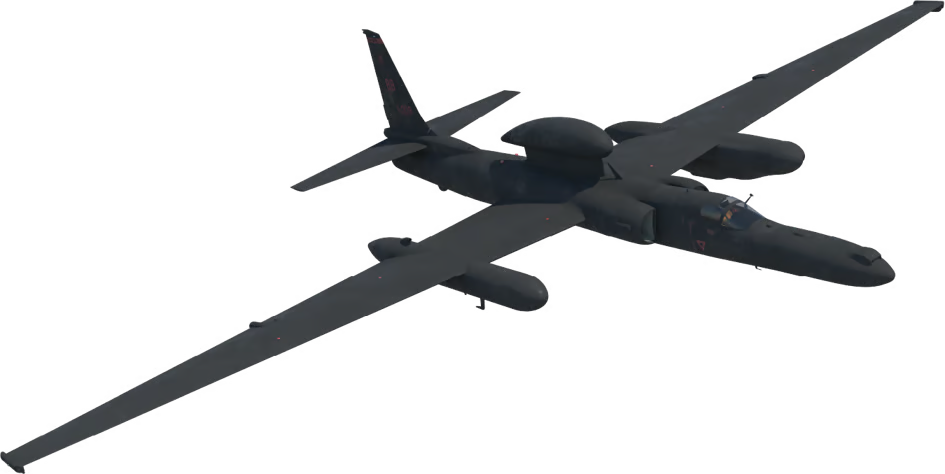
That protection proved imperfect. In May 1960, Francis Gary Powers was shot down over the Soviet Union, triggering one of the defining intelligence crises of the Cold War.
Yet the U-2 never disappeared.
The U-2S remains an operational ISR aircraft today. Long-range stand-off sensors, onboard processing and modern communications allow it to gather information and relay data to fourth- and fifth-generation aircraft and other users across the battlespace.
Flying one remains an extraordinary experience. Lockheed Martin’s account of a recent flight describes crews operating in full-pressure suits at around 70,000ft, high enough for the curvature and darkness above the atmosphere to become part of the view.
The SR-71 tried another answer: outrun the threat
If the U-2 relied largely on altitude, the SR-71 Blackbird added extraordinary speed.
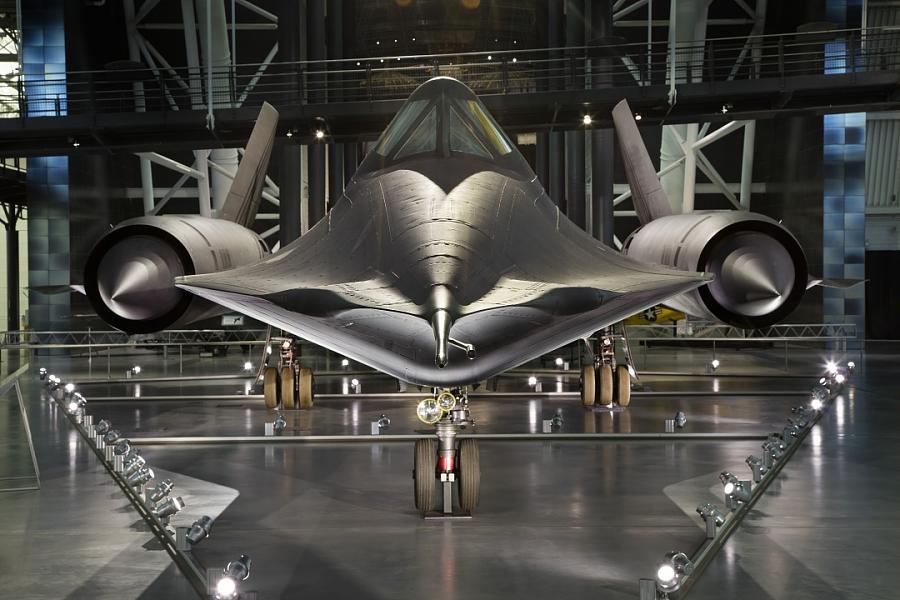
The twin-seat strategic reconnaissance aircraft became one of the defining machines of the Cold War. The Smithsonian describes it as the world’s fastest jet-propelled aircraft and notes that no reconnaissance aircraft operated globally in hostile airspace with greater impunity.
Its largely titanium structure, twin Pratt & Whitney J58 engines and distinctive shape allowed it to operate at extreme speed and altitude.
On the Smithsonian aircraft’s final flight in March 1990, it travelled from Los Angeles to Washington in just 1 hour, 4 minutes and 20 seconds, averaging 2,124mph.
The philosophy was brutally simple: if a threat appeared, the Blackbird’s best defence was often to keep going faster.
Rivet Joint listens instead of looking
Not every spy aircraft needs a camera.
The RC-135V/W Rivet Joint is built around signals intelligence. Its sensors detect, identify and geolocate electromagnetic emissions, while operators aboard the aircraft analyse what they hear and distribute intelligence to commanders in near real time.
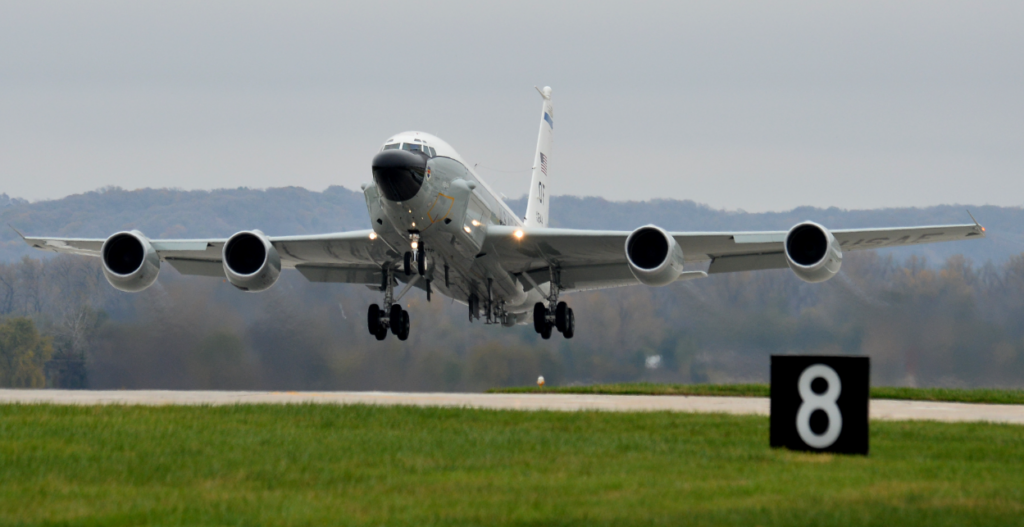
More than 30 people can be aboard, including pilots, electronic-warfare officers, intelligence specialists and maintenance personnel.
Its quarry can be a radar, communications transmission or another electronic signal. Sometimes the most revealing thing on a battlefield is not what can be seen, but what somebody has switched on.
Other watchers do not bother hiding at all
At the opposite extreme are airborne early-warning aircraft.
The E-3 Sentry advertises its purpose with a giant rotating radar dome above a modified Boeing 707 fuselage. Its job is not covert penetration but wide-area surveillance and command and control, tracking aircraft and maritime contacts and sharing that picture with other forces.

NATO is now beginning to replace part of its ageing E-3A fleet. Eleven allies announced in July that they would jointly procure up to 10 Saab GlobalEye aircraft, bringing air, land and maritime surveillance onto a newer platform.
Carrier groups have their own airborne sentry. The E-2D Advanced Hawkeye provides 360-degree radar coverage and can simultaneously track thousands of air and ground targets while operating from carriers or land bases.
Russia’s equivalent family includes the Beriev A-50, an airborne early-warning aircraft based on the Il-76 transport.
Over the oceans, the hunt turns downwards
Some reconnaissance aircraft spend their working lives looking for things that may not even be visible.
The P-8 Poseidon combines maritime ISR with anti-submarine and anti-surface warfare. Its sensor suite includes radar, electronic-support measures, electro-optical systems and sonobuoys, allowing crews to search for ships and submarines across enormous areas.
The older P-3 Orion has performed similar patrol and reconnaissance duties for more than half a century.
France’s Atlantique 2 belongs to the same specialised fraternity. Developed as a new-generation maritime aircraft in response to the growing submarine and surface-vessel threat, it first flew in 1981 and entered French Navy service later in the decade.
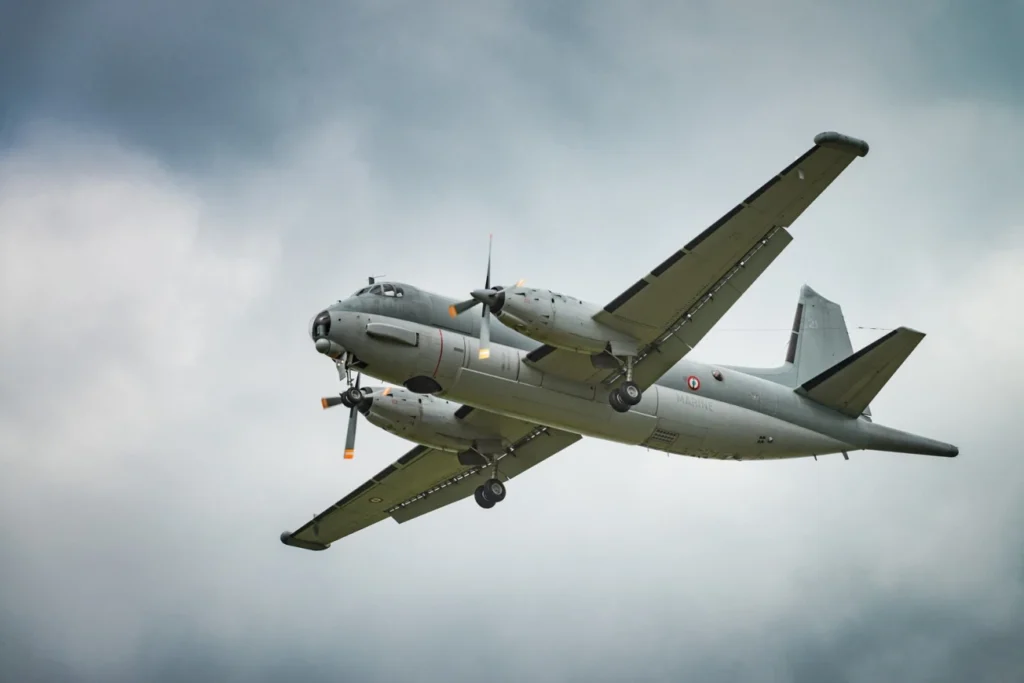
And NATO is expanding this layer too. Denmark, Finland, Germany and Norway announced in July that they would acquire up to five MQ-4C Triton high-altitude, long-endurance unmanned aircraft for NATO’s ISR force. Triton can remain airborne for around 24 hours at altitudes above 15km.
The X-37B takes the mystery into orbit
Then there is an aircraft that leaves the atmosphere behind.
Boeing’s X-37B is an unmanned, autonomous reusable spaceplane operated as an orbital test vehicle.
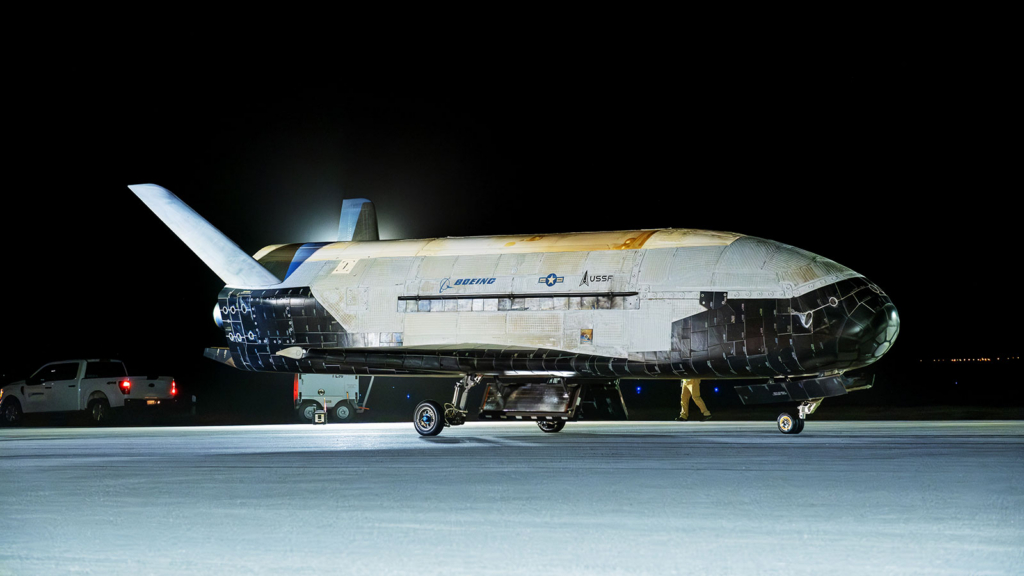
Boeing says it is used for advanced experimentation and technology testing, rather than describing it as a reconnaissance platform.
Its missions are nevertheless unusually secretive.
The two-vehicle fleet had accumulated more than 4,000 days in orbit after seven completed missions, with one flight lasting 908 days. An eighth mission launched in August 2025 and remains in orbit.
Some experiments are publicly disclosed, including laser communications and quantum inertial navigation. Other mission details are not.
Michelle Parker, vice-president of Boeing Space Mission Systems, described the advantage of the reusable vehicle simply: “Having a returnable space platform allows us to learn faster.”
The X-37B should therefore not be called a confirmed “space spy plane”. What it does show is how far the old idea of airborne observation has travelled.
The U-2 put a pilot on the edge of space. The Blackbird relied on speed. The RQ-170 removed the pilot. The aircraft known as the RQ-180 appears to combine stealth, altitude, endurance and a formidable sensor suite. Triton can watch oceans for almost a day at a time. The X-37B can remain above the Earth for months or years.
Perhaps that is the final irony of the TR-3B legend.
For years, people have searched the night sky for a mysterious black triangle, convinced that the next great spy aircraft must look otherworldly.
The real machines watching from above may be stranger still and some of them have spent years doing it before the public even knew where to look.