


Ukraine moves towards anti-ballistic missile capabilities as Freyja takes shape

4 min read
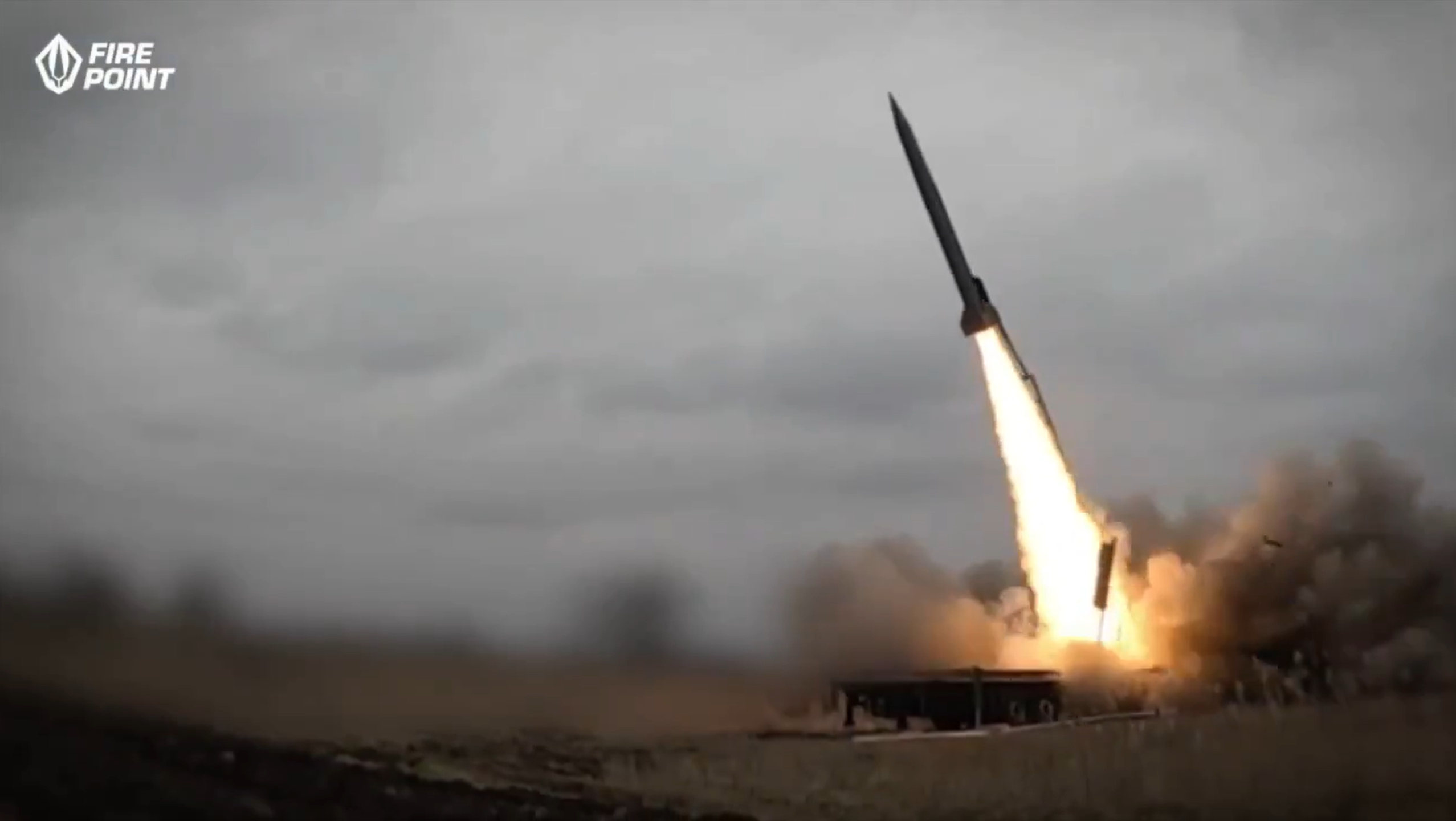
Ukraine is reportedly making significant progress in developing a domestic/European affordable and scalable ballistic air defence system called Freyja to complement the Patriot. In parallel, new ballistic missiles are also being developed with the range to strike Moscow.
Ukraine’s Freyja missile defence system secures European partners
Reuters has reported that Fire Point has secured agreements with “over a dozen” European defence companies to provide important components needed for the upcoming Freyja ballistic missile air defence system.
❗️Fire Point co-owner and chief designer Denys Shtilierman says the first international integration track for Freyja is complete. Freyja is a European missile-defense project centered on the FP-7.x interceptor, intended as a lower-cost Patriot alternative for scalable production.… pic.twitter.com/bDF9f9MRIk
— NOELREPORTS 🇪🇺 🇺🇦 (@NOELreports) August 5, 2026
Yesterday, Ukraine’s Fire Point posted, “Freyja’s first milestone complete,” while CEO Iryna Terekh said that the firm is starting to integrate the various systems.
Terekh told reporters, “pretty much everything is agreed” and that the number of industrial partners could rise to 20.
The agreement includes the radar, guidance, and other systems needed for the Freyja SAM. Reuters wrote, “The pan-European project was launched officially in Paris last month by 10 governments and 12 defence firms – including Eurosam, Leonardo, Thales, and SAAB.”
Initially, the new system is expected to be a frankenSAM of various European components assembled from multiple European and Ukrainian components. The interceptor missile is based on Fire Point’s FP-7, which is being developed in Ukraine as a modernised version of the S-300 missile.
The launchers are expected to have four to six interceptors each.
Freyja missile defence system targets first interception in 2027
As is common during intense wars, the pace of development is greatly accelerated, with what would have been many years of development and prototyping dramatically compressed.
Terekh said, “We’re trying to squeeze a program that usually takes 20 or 30 years into a matter of a couple of years,” adding there have already been at least five tests.
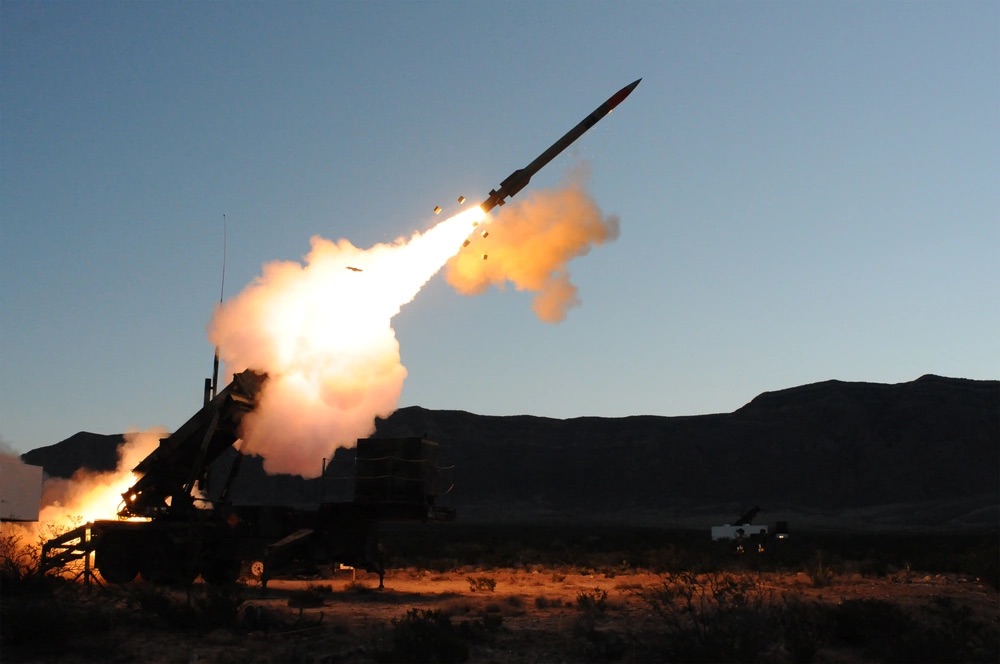
Fire Point stated, “Right now we are in the most intense and also in the most complicated stage of finally assembling everything together with surveillance radars, with tracking radars, with the seekers.”
Fire Point is planning to have its first successful Freyja intercept in mid-2027. But even that would mean Ukraine will have to weather another year of Russian ballistic missile attacks, including over the winter.
Time will tell how long it takes for the system to mature and for production to ramp up.
Why Ukraine needs Freyja alongside Patriot missile defences
Freyja is designed to be a cheaper (around $1.2 million per interceptor), and, at least initially, less capable system than the US-made Patriot air defence system. Currently, there is a global shortage of Patriot interceptor missiles; Freyja is intended to complement the higher-end system.
🇺🇦🚀 Ukrainian ballistic missile FP-7 is already undergoing codification at the Ministry of Defense. This will take 2-4 weeks.
— MAKS 26 🇺🇦👀 (@Maks_NAFO_FELLA) August 6, 2026
It has carried out about 15 test launches. Its first combat use should take place this fall.
The much larger ballistic missile FP-9 should fly over… pic.twitter.com/SlAw8nn7c9
Other air defence systems in Ukraine, like NASAMs, are capable of shooting down drones and cruise missiles, rather than ballistic missiles. The Franco-Italian SAMP-T is able to provide some ballistic defence, but it is limited, and it is not available in large numbers. Ukraine’s stocks of S-300 missiles are exhausted.
In parallel, Ukraine is lobbying to produce Patriot interceptor missiles locally, but this faces a number of challenges. These include industrial agreements with Lockheed Martin and RTX about intellectual property and licenses.
At the same time, Ukraine is developing its own suite of ballistic missiles, while also developing a new engine for its FP-9 Flamingo heavy cruise missile powered by “a cemetery” of discarded old engines.
Fire Point posted yesterday, “FP-7X could enter mass production as early as August, once Fire Point receives German-made infrared seekers from Diehl Defence. European defence giants including Eurosam, Leonardo, Thales and Saab have joined the defence project. More is yet to come.”
Fire Point is also developing the larger FP-9 ballistic missile counterpart, which is expected to be ready by late autumn.
What is Freyja?
Freyja is a pan-European ballistic missile defence system being developed to provide a lower-costs capability for intercepting ballistic missile threats. It is set to be a ground-based system, firing interceptors from the ground to take out threats in the air.
The project is being led by Ukrainian defence technology company Fire Point, which is responsible for integrating the system and producing the interceptor missiles.
Sign up for our newsletter and get our latest content in your inbox.


More from


September 21, 20263 min read


September 18, 20263 min read
