Ukraine signs $2.5bn Saab Gripen E fighter deal as future air force takes shape

4 min read
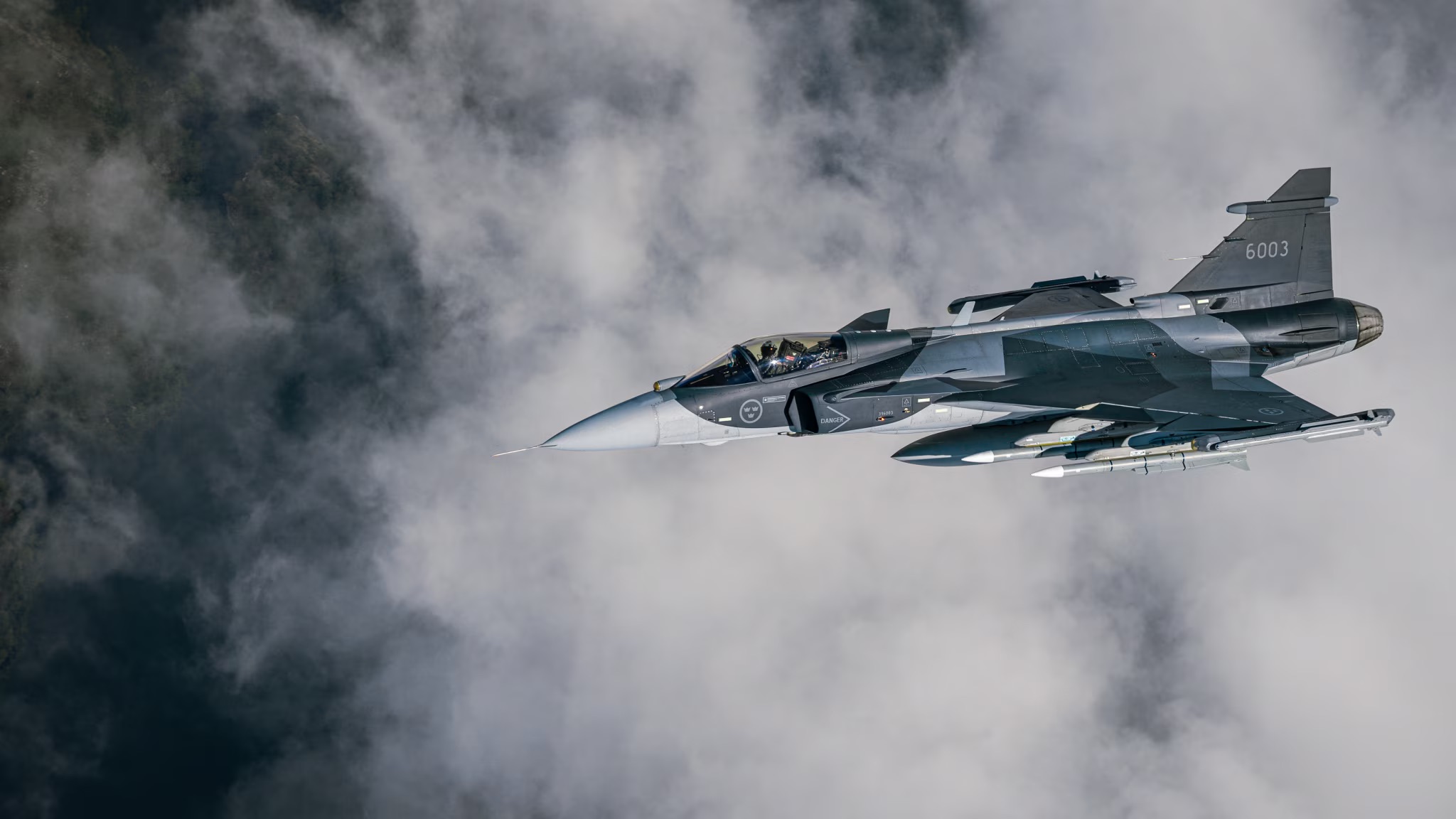

Ukraine is to receive 16 newly built Saab Gripen E fighter aircraft under a SEK 24.6 billion ($2.5 billion) contract signed during a meeting between Ukrainian President Volodymyr Zelenskyy and Sweden’s Minister for Defence, Pål Jonson.
Saab confirmed on June 30 that it had signed the contract with the Swedish Defence Materiel Administration (FMV) for 16 Gripen E multirole combat aircraft for Ukraine. The order will be booked in the third quarter of 2026, with deliveries to FMV scheduled for 2029 and 2030.
“Today, our countries signed an agreement for the procurement of 16 Gripen E fighter jets,” Zelenskyy shared. “Importantly, the aircraft will come with a package of related equipment, technical assistance, and support.”
In addition to the new aircraft purchase, Zelenskyy added that the previously agreed transfer of 16 Gripen C/D aircraft would take place at the beginning of 2027.
Ukraine’s Gripen E order moves from intent to contract
The new Gripen E order turns months of Sweden-Ukraine discussions into a firm industrial contract for Saab.
In May 2026, Sweden said Ukraine intended to acquire up to 20 Gripen E/F aircraft as a first step under a wider air defence cooperation framework. The agreement announced by Saab on June 30 confirms an initial contracted batch of 16 Gripen Es.
“I am deeply proud that Sweden and Saab can now enable the provision of Gripen E to Ukraine, bringing a world-class fighter that will transform the Ukrainian Air Force’s capability,” said Micael Johansson, President and CEO of Saab. “This will significantly strengthen Ukraine’s air defence and help ensure the nation can protect its people and safeguard its future.”
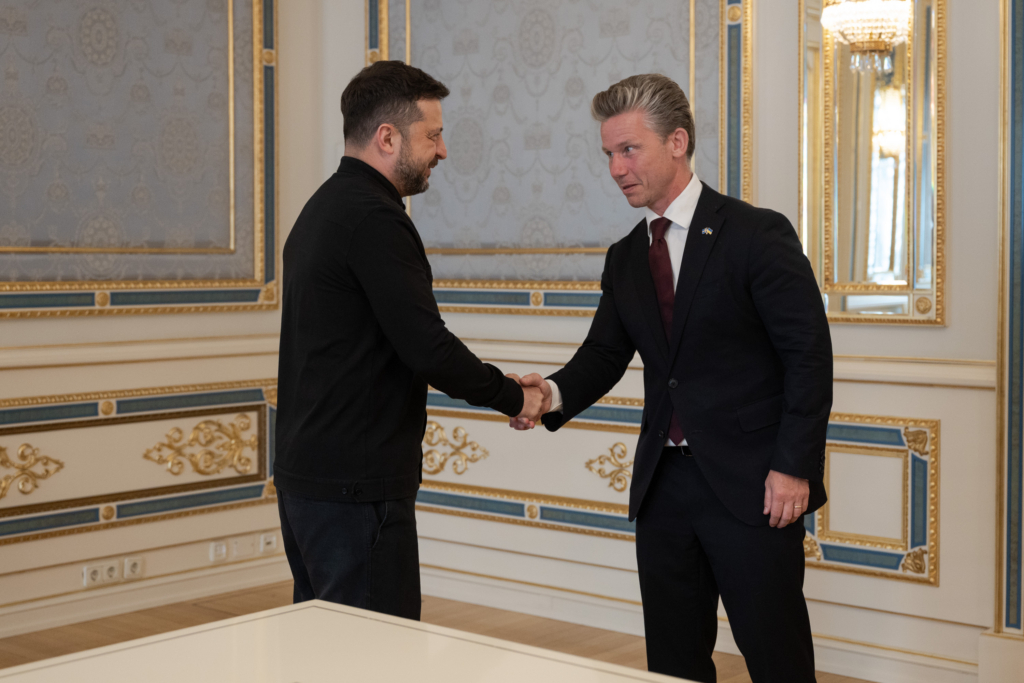
The Gripen E is Saab’s latest production version of the single-engine fighter. It is designed for air defence, strike and reconnaissance missions, with modern sensors, electronic warfare systems and software architecture intended to support regular upgrades through the life of the aircraft.
The delivery schedule means the Gripen E will not be an immediate answer to Ukraine’s defence needs. Rather, the aircraft sit in the late-decade part of Kyiv’s modernisation plan, arriving after Ukraine has had time to introduce the Gripen family through donated earlier-model aircraft.
Ukraine’s growing Gripen fleet will start with donated C/D aircraft
The Gripen E contract sits alongside a separate Swedish plan to donate up to 16 Gripen C/D fighters from the Swedish Armed Forces’ existing fleet.
Those aircraft are expected to arrive much sooner, with Ukraine saying the first Gripen C/Ds should be transferred to its air force at the beginning of 2027. The donation is intended to give Ukraine a faster route into Gripen operations while the newer Gripen E aircraft are being built.

These older aircraft will allow Ukrainian pilots and ground crews to begin learning the Gripen system, while giving Ukraine time to adapt its training, infrastructure, logistics and maintenance model before the Gripen E arrives at the end of the decade.
Sweden has said the donation may include advanced ammunition, potentially including IRIS-T, AMRAAM and Meteor air-to-air missiles. If delivered in that form, the Gripen C/D package would give Ukraine not only another Western fighter type, but one configured around NATO-compatible weapons and tactics.
Ukraine has also said its pilots and technical personnel are already undergoing training in Sweden.
Ukraine’s post-war air force begins to take shape
The Gripen deal suggests Ukraine is beginning to move beyond the emergency logic that has shaped much of its wartime aviation support.
Since Russia’s full-scale invasion, Ukraine has had to operate a mixed force of Soviet-designed aircraft and donated Western types. Its legacy fleet has included MiG-29 and Su-27 fighters, Su-24 strike aircraft and Su-25 attack aircraft. Those aircraft have remained important, but they are increasingly difficult to sustain and upgrade as Ukraine moves closer to NATO standards.
Western fighters are now becoming a bigger part of the picture. Ukraine has received F-16s from European partners, giving it a more capable and widely supported Western fighter platform. France has also supplied Mirage 2000-5 aircraft, adding another type to Ukraine’s air defence and strike mix.
That patchwork has been necessary, but it brings complexity. Different aircraft require different training pipelines, maintenance systems, spare parts, weapons integration and operational procedures.

By the early 2030s, Ukraine’s combat aircraft inventory could be built around several Western pillars: F-16s donated by NATO partners, French Mirage 2000-5s already entering service, Swedish Gripens arriving first through donated C/D aircraft and then through newly built Gripen Es, and potentially future Rafale aircraft if Kyiv’s longer-term French procurement ambitions move from intent to contract.
Ukraine and Sweden have also discussed a much larger future Gripen acquisition. In October 2025, the two countries signed a letter of intent covering possible cooperation on a fleet that could eventually reach 100 to 150 Gripen E aircraft.
That figure remains an ambition rather than today’s contracted order. But the 16-aircraft Gripen E contract is the first concrete production step toward that wider vision.
Featured image: Saab
Sign up for our newsletter and get our latest content in your inbox.



More from


October 13, 202612 min read