Belgium outlines plans to deliver entire F-16 fleet to Ukraine by 2029

6 min read
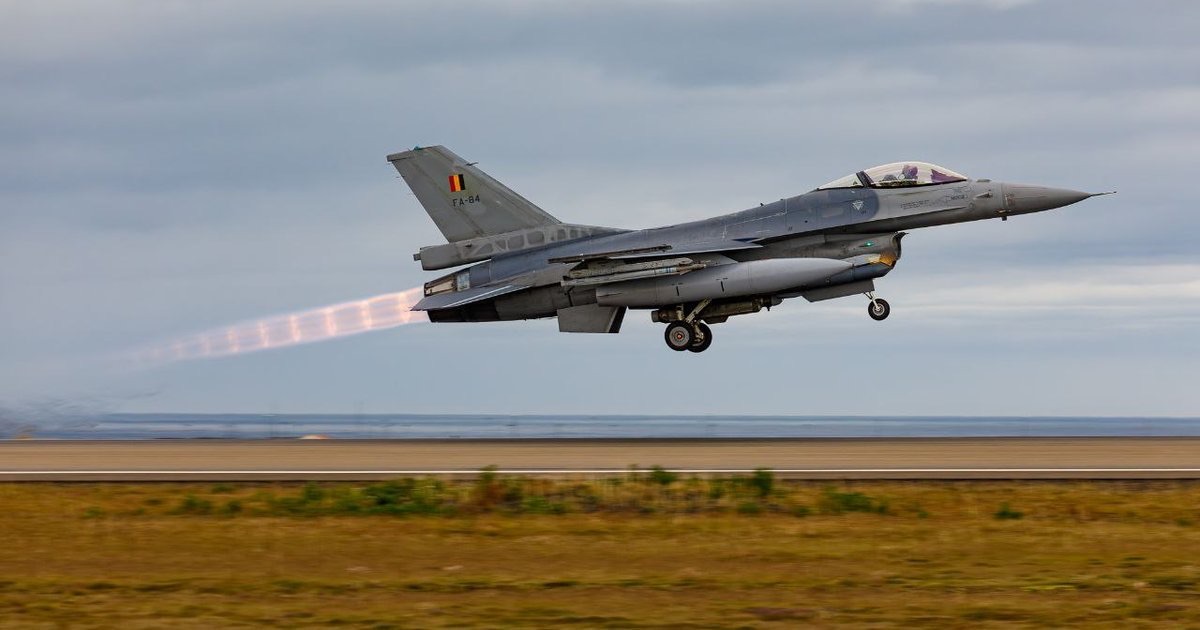
Belgium has outlined a long-term plan to transfer its entire fleet of F-16 fighter jets to Ukraine by the end of the decade, offering the clearest indication yet of how one of Europe’s largest fighter donations could unfold as Kyiv continues to build a Western-equipped air force.
The latest details emerged after Belgian Defence Minister Theo Francken told journalists ahead of a NATO ministerial meeting that Brussels would increase its support for Ukraine, a development first reported by Ukrainska Pravda from Brussels.
“On Ukraine, we’re stepping up even more on the help. We will help them by delivering seven F-16s this year. So there will be seven F-16s this year – four for spare parts and three to operate in the skies of Ukraine to defend Ukraine against Russian aggression,” he was quoted by Ukrainska Pravda.
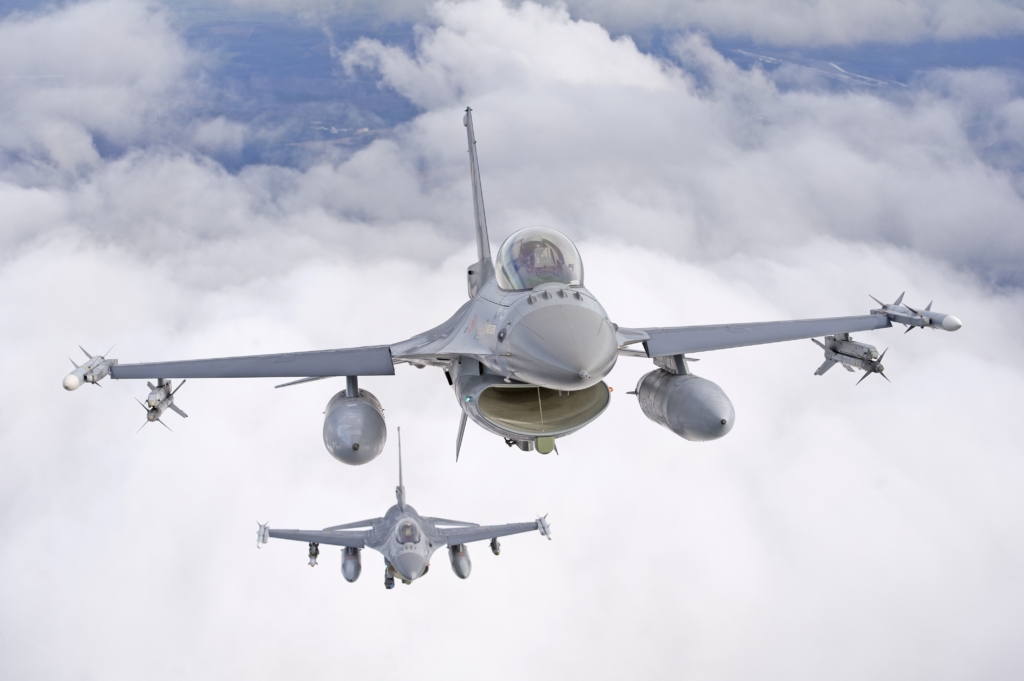
Belgium now plans to deliver seven F-16s in 2026 and progressively transfer additional aircraft through 2029, although the schedule remains tied to the arrival of replacement F-35 fighters for the Belgian Air Component.
Last July, Belgium committed to purchasing an additional 11 Lockheed Martin F-35A stealth fighters, bringing its total future fleet to 45. The first eight Belgian F-35As have been built, and Belgian Air Force pilots are training with them.
Belgium selected the F-35A to replace its F-16AM/BM fighter jets in 2018 over the Dassault Rafale, Eurofighter Typhoon, Saab Gripen, and the Boeing F/A-18 Super Hornet.
The announcement by the defence minister provides fresh insight into the future of Ukraine’s growing F-16 fleet, a programme that began as a diplomatic campaign for Western combat aircraft and has evolved into one of the most ambitious multinational military assistance efforts undertaken since Russia’s full-scale invasion.
Belgium emerges as one of Ukraine’s largest F-16 donors
Francken has also indicated that Belgium intends to provide more aircraft than originally promised, arguing that operational F-16s have already demonstrated their value in countering Russian cruise missiles and one-way attack drones.
Reports in Belgian media indicate the country’s air force currently operates 53 F-16s and intends to transfer the entire fleet as the transition to the F-35 progresses.
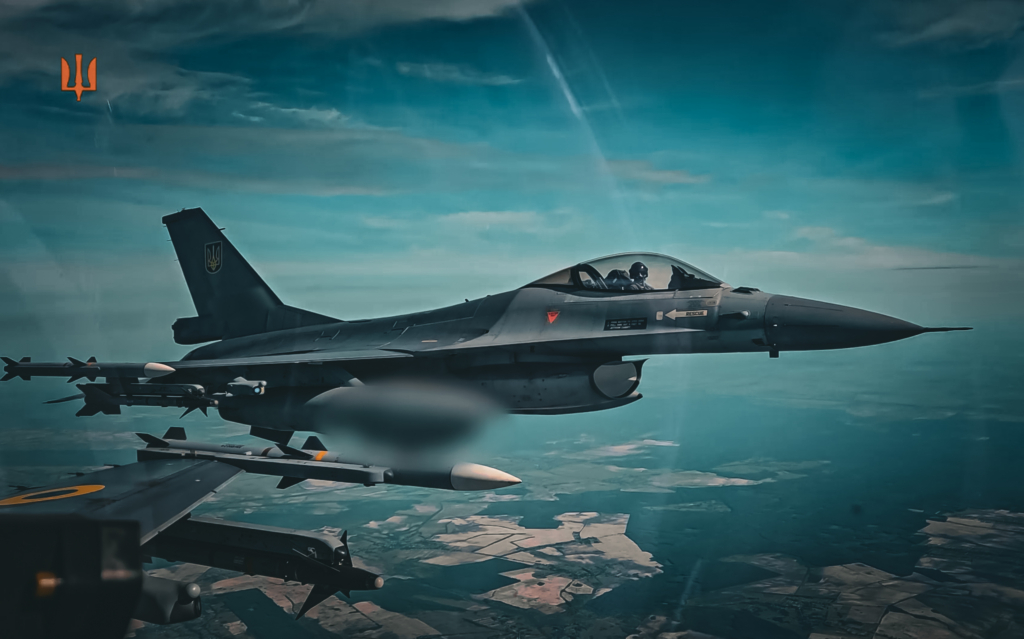
According to the updated plan confirmed by Francken’s office, Belgium intends to transfer seven aircraft in 2026, followed by five in 2027, 14 in 2028 and 27 in 2029. Four of the aircraft scheduled for delivery next year have already been withdrawn from Belgian service and are currently being used to train Ukrainian maintenance personnel.
The figures underline the scale of Belgium’s commitment. While several European nations have pledged F-16s to Ukraine, Brussels is positioning itself to become one of the largest contributors as it phases out its own fleet.
Why Belgium cannot retire its F-16 fleet overnight
The timeline reflects more than the pace of aircraft preparation.
Belgium remains dependent on the F-16 for national defence and NATO commitments while awaiting the entry into service of its fleet of Lockheed Martin F-35A Lightning II fighters in larger numbers.
“I’ll propose to the government to send all our F-16s to Ukraine in the coming years. It depends on having the F-35s in place because, of course, we have DCA [defensive counter-air] capacity. We have our role in the nuclear doctrine of NATO,” Francken stated.
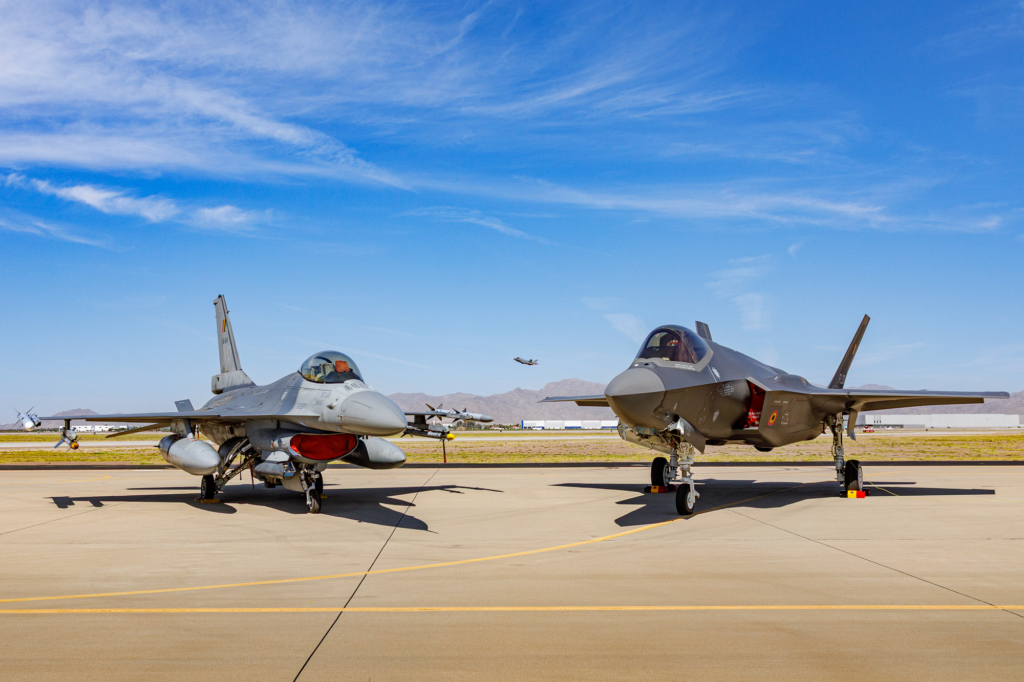
Successive Belgian governments have linked F-16 transfers directly to the arrival of replacement aircraft. Delays in F-35 deliveries have already forced Brussels to postpone earlier plans to begin transferring operational F-16s.
Although Belgium ordered 34 F-35As in 2018, deliveries have progressed more slowly than expected, delaying the retirement of older aircraft.
Belgian officials have repeatedly stressed that any transfer schedule must take account of the country’s operational requirements, including NATO obligations and air-defence responsibilities.
That balancing act explains why most of the planned transfers are concentrated toward the end of the decade, when larger numbers of F-35s are expected to be available.
Ukraine’s journey to F-16 capabilities
Ukraine’s pursuit of the F-16 began in earnest in 2023 as President Volodymyr Zelensky sought commitments from European allies willing to release aircraft from their own inventories.
At the time, Zelensky described the proposed contribution as “powerful” and suggested several countries had agreed in principle to provide aircraft once the necessary political and technical arrangements were in place.
The challenge extended far beyond securing the jets themselves.
Ukraine needed pilot training, maintenance personnel, spare parts, weapons, simulators and support infrastructure before the aircraft could enter operational service.

Western governments subsequently established a broad coalition covering aircraft transfers, pilot training and long-term sustainment.
The first F-16s supplied by the Netherlands and Denmark arrived in Ukraine in 2024, marking a significant step in the modernisation of the Ukrainian Air Force.
The aircraft have since been employed primarily in air-defence roles, helping counter Russian missile and drone attacks.
The Netherlands recently confirmed the departure of the final aircraft from its pledged fleet of 24 F-16s for onward preparation before delivery to Ukraine.
Denmark has committed 19 aircraft, while Norway has pledged six. Belgium’s planned contribution would make it one of the largest participants in the coalition.
Ukraine has also confirmed the loss of three F-16s during operations.
Delivering fighter jets is more complicated than just handing over aircraft
The experience of other donor nations illustrates the complexity of transferring ageing fighter fleets.
Reporting by NRK, cited by European Pravda and later carried by Ukrainska Pravda, revealed that none of the six Norwegian F-16s pledged to Ukraine had reached the country as of April 2026.
According to the report, two aircraft previously used in training programmes were undergoing work in Belgium, while four others had been delivered in disassembled form and required substantial refurbishment before becoming operational.
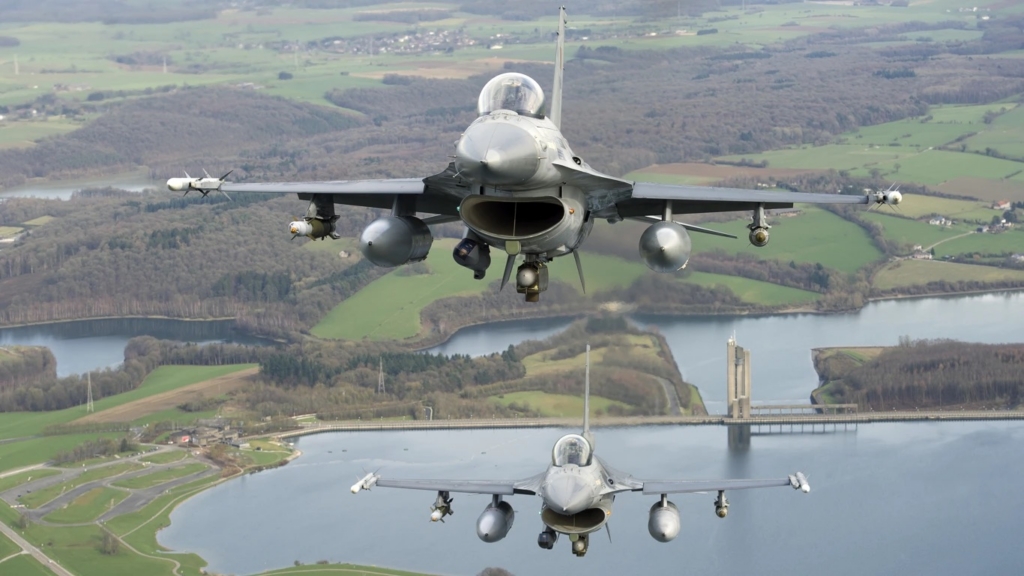
Capacity constraints at maintenance facilities were cited as a key factor behind the delays.
The episode highlights an often-overlooked aspect of the F-16 coalition. Many donor aircraft are decades old and require inspection, overhaul and modification before transfer.
Preparing airframes, certifying systems and establishing maintenance support can take months or even years.
As a result, delivery schedules announced by governments frequently represent targets rather than fixed deadlines.
Belgium has already become part of that broader sustainment effort.
Ukrainian pilots have trained alongside Belgian instructors, while technicians have been learning to maintain the aircraft that will eventually form part of Ukraine’s future fighter fleet.
Ukraine builds a Western fighter force for the long term
The significance of Belgium’s announcement extends beyond the number of aircraft involved.
Three years ago, Ukraine’s combat aviation arm relied almost entirely on Soviet-designed fighters inherited after the collapse of the Soviet Union.
Today, the country is gradually building the foundations of a Western fighter force supported by NATO-standard training, logistics and maintenance systems.
That transformation will take years to complete. It will also depend on the continued willingness of European governments to part with aircraft that remain useful within their own inventories.
Belgium’s latest plan suggests that support remains firmly in place.
If the proposed schedule holds, Ukraine could receive dozens of additional Belgian F-16s before the end of the decade, further strengthening a fighter fleet that has become one of the most visible symbols of Western military support for Kyiv since the war began.
Featured image: