BETA Technologies begins demonstration flights of its CX300 ALIA aircraft in Hawaii

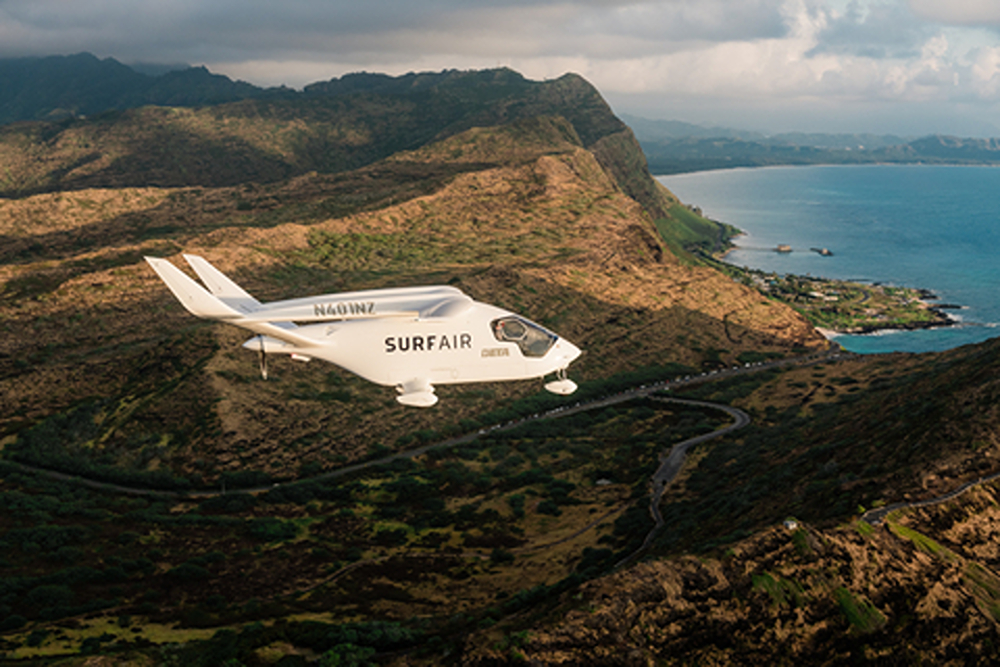
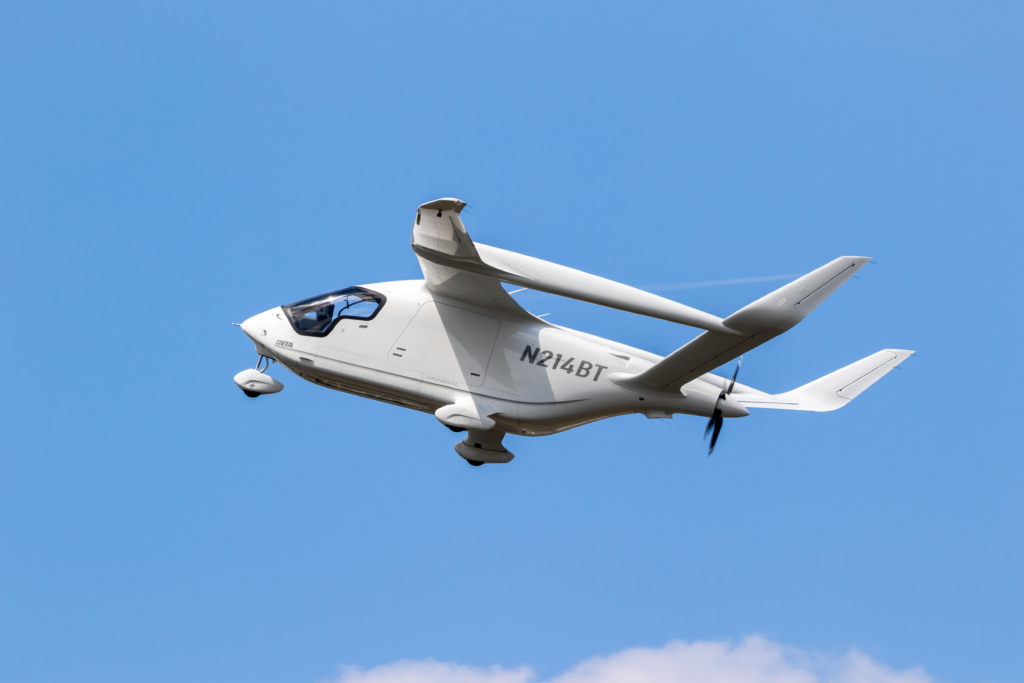
In conjunction with US-based air taxi operator Surf Air Mobility, BETA Technologies has begun a series of demonstration flights around the Hawaiian Islands with its ALIA CX300 conventional take-off and landing (CTOL) aircraft.
The flights are being conducted to generate data and help to promote the concept of electric aviation within a wide range of communities across the Hawaiian archipelago.
BETA Technologies begins CTOL trial flights across the Hawaiian Islands
The series of demonstration flights has been scheduled to last between six and eight weeks. The flights are being conducted in collaboration with Surf Air Mobility, the first Part 135 operator to commercialise electric passenger flights and Hawaiian Airlines, part of the Alaska Airlines Group.
According to a statement issued by Beta Technologies, the role of Hawaiian Airlines is to provide support in key areas, such as sharing expertise and insight into flight operations around Hawaii for both cargo and passenger flights, participating in feasibility assessments, and supporting local stakeholder and community engagement activities.

To mark the launch of the demonstration flights, Hawaiian Airlines hosted an event at its Charles I. Elliott Maintenance and Cargo Facility located at Daniel K. Inouye International Airport in Honolulu (HNL) on 25 June. The company reported that this programme was “an important next step toward the deployment of these next-generation aircraft for real-world regional air service.”
CX300 flights are already underway across the islands
The programme of trial flights is combining the use of BETA Technologies CX300 ALIA aircraft with Surf Air Mobility’s regional airline expertise (through its Mokulele Airlines subsidiary).
It is also being seen as a test of the existing Hawai’i airport ground infrastructure, as well as Surf Air’s SurfOS flight software platform, across a network of short inter-island operations.
The aircraft, with registration N401NZ, began its Hawaiian flight programme on 18 June with a demonstration flight from Hilo Airport (ITO) in the windward Hawaiian Islands. It has since conducted similar flights from Kailua-Kona (KOA), Kahului (OGG), Wahiawa (HHI), plus Honolulu Airport itself.
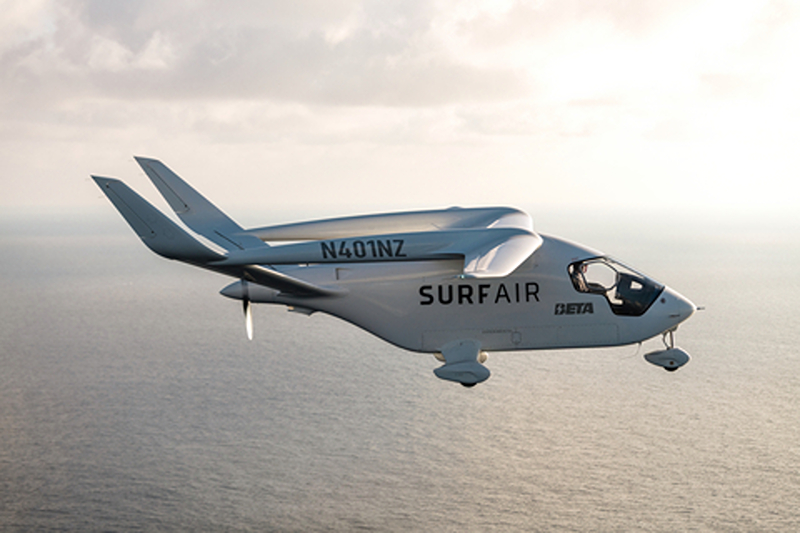
The flight schedule of N401NZ is due to last until around the end of July, in order to allow for sufficient time to evaluate the operational, economic and infrastructure requirements for future electric aircraft operations in the archipelago.
As BETA Technologies sets out in its statement, “This landmark demonstration program will provide key learnings as to how electric aircraft could support future cargo and passenger operations across Hawaii’s interisland network.”
Demonstrating the concept of zero-emission aviation
The demonstration programme is being viewed by all parties involved as representing a commitment to demonstrate how the use of zero-emissions electric aviation could transform connectivity across the state of Hawaii.
Additionally, the flights have been specially designed to develop a new understanding of how new technologies can sustain strong transportation infrastructure by combining lower emissions with more stable prices than aviation fuel.
BETA Technologies adds that Hawaii’s short inter-island route structure and established demand for regional air transportation make it “an ideal environment” to evaluate electric aircraft operations at a commercial scale.
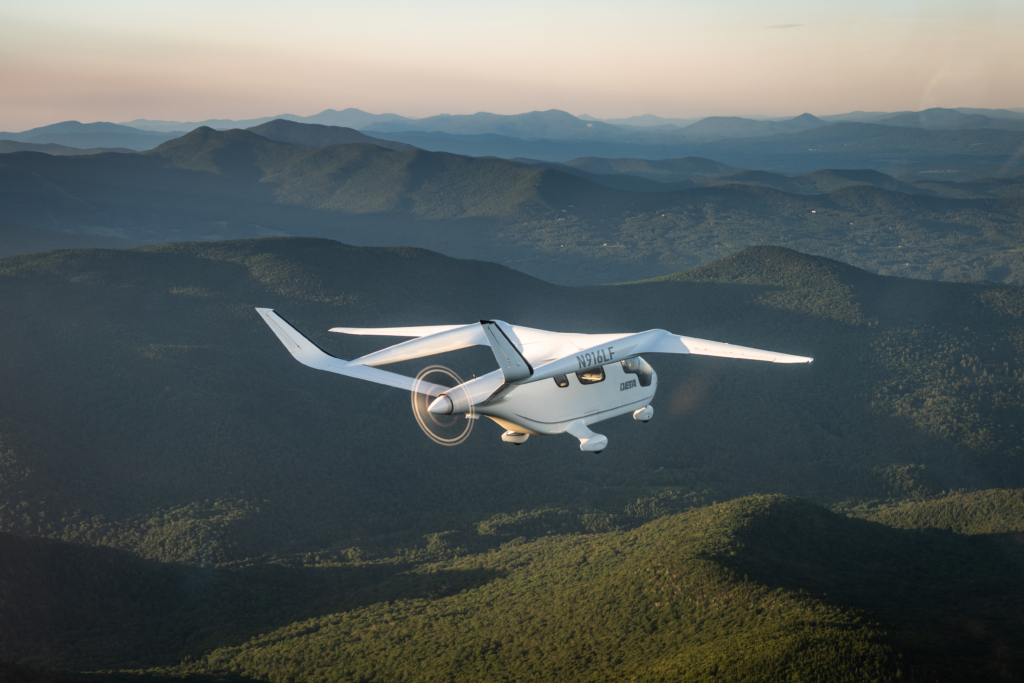
More specifically, the company hopes that the programme will generate data and operational knowledge that can be developed to understand in more detail the potential of electric aircraft in modern-day, real-world aviation applications. The test flights have been designed to address the following key aspects of electric aviation.
- Aircraft performance across Hawaiʻi’s routes, weather conditions, and operating environment
- Direct operating costs and economic factors that will help determine the commercial performance of future electric aircraft operations.
- Maintenance requirements and servicing needs associated with operating electric aircraft in commercial service.
- Crew training and familiarisation requirements, ground handling procedures, safety protocols, and charging infrastructure needs across the network.
Kyle Clark, Chief Executive Officer and Founder of BETA Technologies, said: “Connecting the Hawaiian Islands with low-cost cargo and passenger service is a great application for electric advanced air mobility. These early demonstrations will showcase the utility and economics of the BETA ALIA aircraft firsthand to Surf Air Mobility and inform future high cadence, sustainable intra-island service.”
Diana Birkett Rakow, Chief Executive Officer of Hawaiian Airlines, added that the carrier was working with BETA Technologies to support technologies that would boost aviation across Hawaii in the future, as well as to better understand how sustainable aviation initiatives could improve the overall impact of aviation across the islands.
Surf Air Mobility prepares to begin electric flights across Hawaii
Surf Air Mobility intends to deploy BETA aircraft throughout its Hawaii operations for both cargo and passenger missions following FAA certification of the CX300 ALIA. Additionally, the company is also preparing to establish a Maintenance, Repair, and Overhaul (MRO) facility in Hawaii that, once certified, is expected to serve as the factory-authorised service centre for BETA aircraft in the state.
According to Sur Air Mobility, “The facility is expected to support long-term electric aircraft operations and help build the technical infrastructure necessary to scale commercial electric aviation.
A busy 12 months for the BETA Technologies CX300 aircraft
The period between 2025 and 2026 has been a busy 12 months for BETA Technologies and its CX300 aircraft. Last summer, the aircraft conducted a series of trial flights across Norway before heading to New Zealand in October.
The aircraft has since conducted other trials in Scotland with local carrier Loganair and has most recently been carrying out cargo flights across Belgium and the Netherlands.
The CX300 ALIA is next due to conduct daily public demonstration flights at this year’s Farnborough International Airshow, being held between 20 and 24 July in the UK.
Aerospace Global News will report daily from the show, so check back for updates.
Featured image: BETA Technologies