Turkish Airlines cuts 18 international destinations from global route network

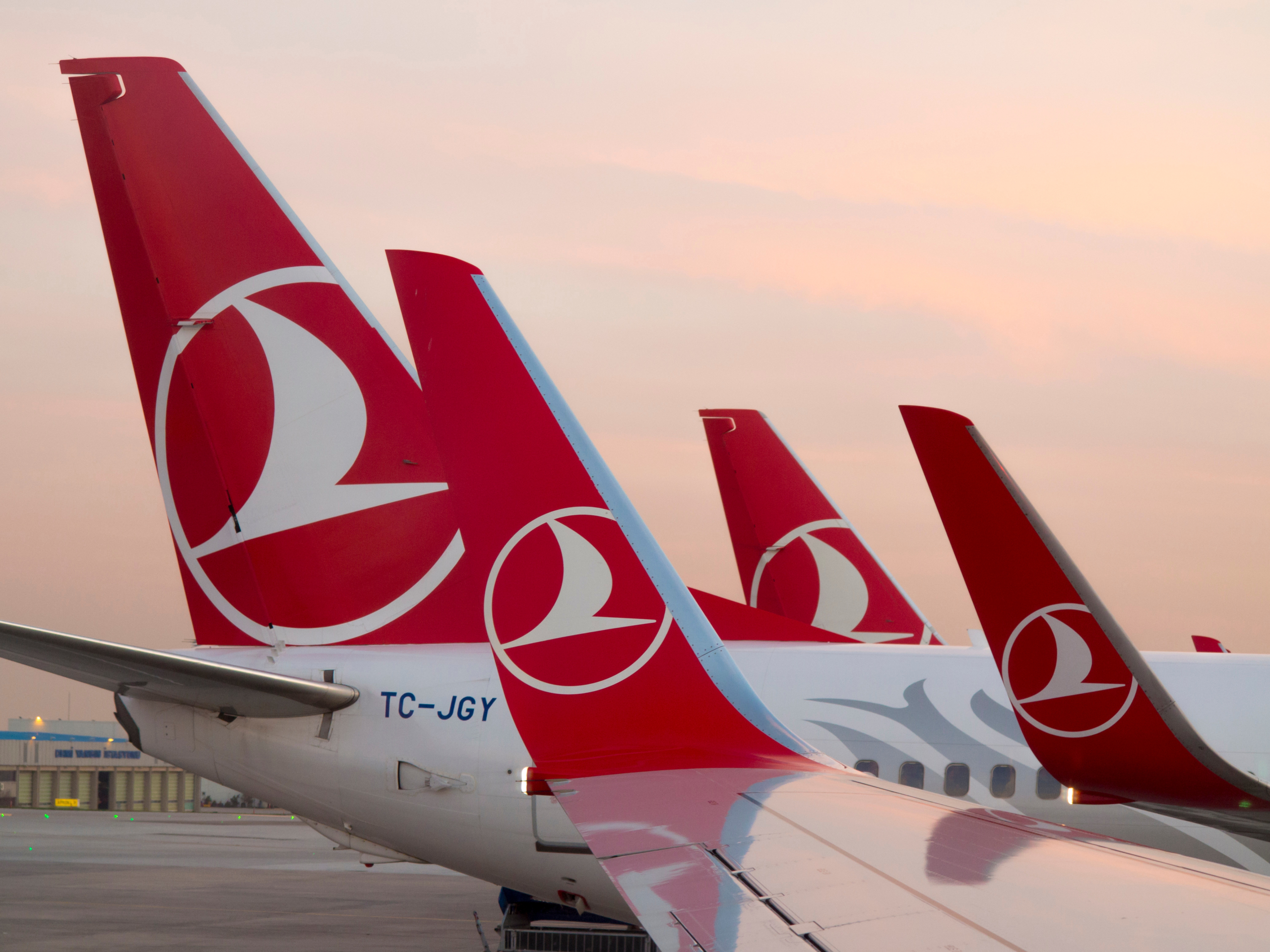
Turkish Airlines has announced it is to cut 18 destinations from its expansive global network during the rest of 2026. While no specific reasons have been given for the route closures, a combination of factors is likely to be at play, with numerous other airlines also cutting services globally due to the ongoing fallout from the Iranian-US conflict.
Turkish Airlines cuts 18 routes from its international network
It has been revealed that Turkish Airlines will be making widespread cuts to its international network in the coming months. The carrier, famed for serving more international destinations than any other airline worldwide, is cutting 18 routes from its network from May and June, while frequencies on other routes will also be reduced later in the year.
The list of routes being dropped includes four cities in Iran (Esfahan, Mashhad, Shiraz, Tabriz), where Turkish Airlines has been one of the only foreign carriers to maintain services throughout the ongoing tensions with the US.
As reported by Aeroroutes, Istanbul-based Turkish Airlines will gradually suspend the scheduled routes throughout the remainder of 2026. The first routes to go involve both direct flights from Istanbul Airport (IST) to a range of destinations spread across Europe, the Near East, and Asia, while a range of African destinations will also see cuts as the summer progresses.
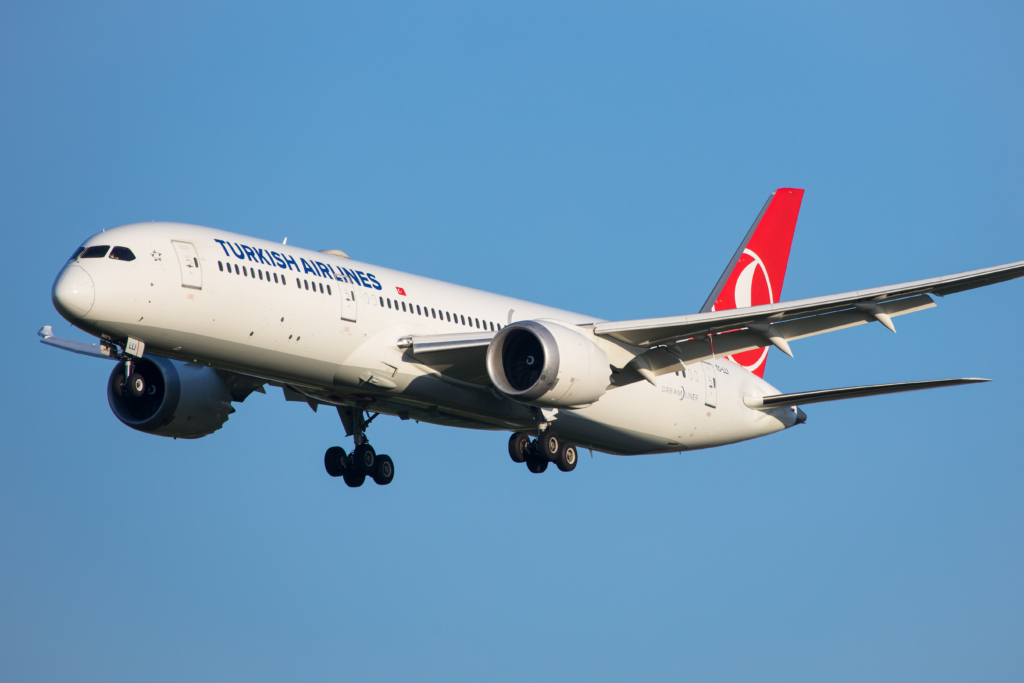
Suspended international destinations include Aqaba, Billund, Bissau, Ferghana, Freetown, Havana, Hurghada, Juba, Kinshasa, Kirkuk, Leipzig/Halle, Libreville, Luanda, Lusaka, Monrovia, Najaf, Pointe Noire, and Turkistan. Notable is the absence of any cancellations to major cities across Europe, North/South America, the Far East and Australia.
While some of the routes have been operated on a seasonal basis in the past, the airline states that these flights will not resume for the summer 2026 season.
Additionally, several of the African destinations, which were due to have been extensions of existing African services (Monrovia, Aqaba, Juba, Bissau, Lusaka, Freetown) are being dropped, while the airline’s circular route services, including Istanbul-Kinshasa-Luanda-Istanbul and Istanbul-Libreville-Pointe-Noire-Istanbul, have been dropped from the schedule entirely.
Why is Turkish Airlines dropping so many routes?
While there has been no official announcement from the airline regarding the schedule changes, there are likely several factors that have been considered when the decision to cut the route was made.
There may have been factors linked to the war in Iran involved. These might include a possible future shortage of aviation fuel, particularly at some of the African destinations where fuel supply infrastructure may be less robust, and the facilities for storing fuel are reduced compared to other countries.
It may be that Turkish Airlines is trying to reduce its network fuel consumption over the summer, knowing that supplies may remain constrained and that wider shortages could arise as a result.
While airspace restrictions are thought to be less likely a factor given the routings involved, economic reasons are thought to have played a more prominent part in the decision-making process.
Certainly, with the tag-on routes to some of the African destinations, the economics of these sectors may have been marginal at best from a profitability perspective in the past, making them prime candidates for cuts when the carrier decided to review its summer network.
Cutting the tag-on routes will not only reduce operating costs such as fuel, but also crew transportation and accommodation costs in these cities will be saved, as will landing, parking, and navigational charges.
Throughout the summer period, these could amount to millions of dollars – a significant sum over a period of several months, while geopolitical instability and ongoing uncertainty prevail.
According to aviation analyst John Grant, a combination of several factors, such as those mentioned above, will have been identified. Additionally, issues surrounding the remittance of cash from some of these countries (which is notoriously difficult) may also have been a factor, as Turkish Airlines aims to streamline its operations and improve its cash flow position.
Assets could be freed up to operate more lucrative routes elsewhere
Dropping routes at such a crucial time of the year may allow Turkish Airlines to redeploy assets on more lucrative routes for the peak summer season. This includes both aircraft and crews, with the carrier sending its planes to destinations that are more likely to be full over the peak summer season.
On the short-haul side of the carrier’s operation, the airline has already announced new routes from Istanbul to London-Stansted, Yerevan, Tirana and Timisoara for the summer of 2026. Additionally, the company is increasing frequencies on several existing routes where demand is rising.
These routes include Istanbul to Shanghai, Beijing, and Guangzhou, and take advantage of Istanbul’s geographical location at the crossroads between Asia and Europe to offer seamless connections through Istanbul Airport.
With the Middle Eastern carriers (Etihad, Emirates, and Qatar Airways) all having been significantly affected by the Iranian conflict, Turkish Airlines is well placed to benefit from this connecting traffic, as demand for air travel over the summer reaches its peak.
Turkish Airlines – a growing fleet for further expansion in the future
Since the end of the COVID pandemic, Turkish Airlines has become the most prolific international airline in opening new routes and expanding its global reach. Currently, the airline serves 358 destinations spread across 53 domestic routes and 305 international routes. The carrier serves 133 countries globally from its Istanbul main hub.
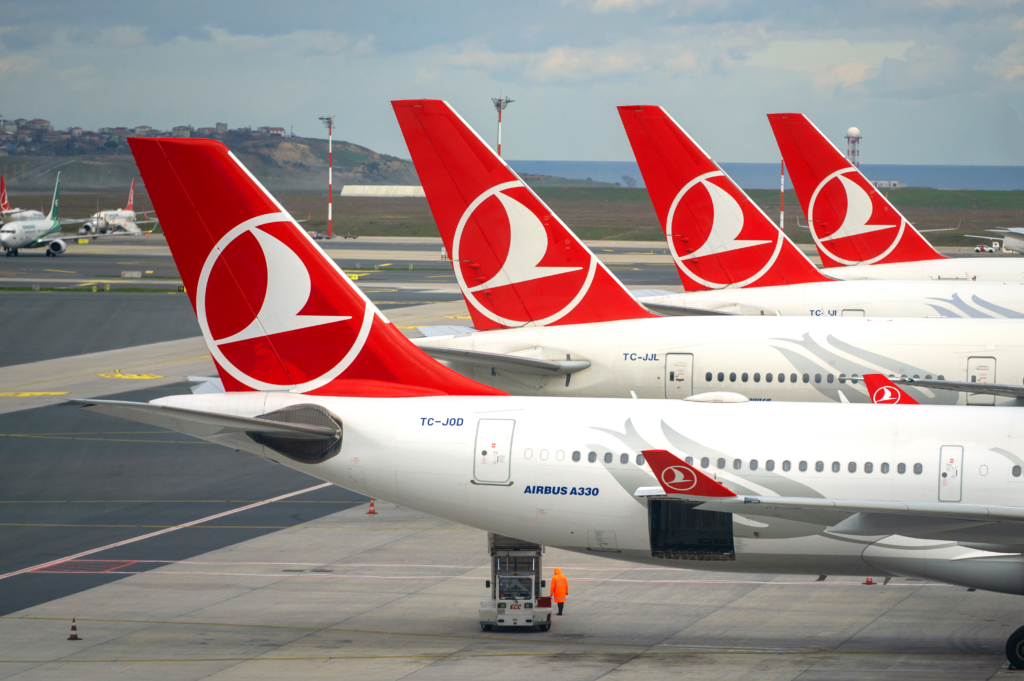
According to Planespotters.net, the airline operates a current fleet of 407 aircraft made up of 254 Airbus aircraft and 153 Boeing-built planes. As of 2026, Turkish Airlines has about 329 aircraft on firm order, which includes passenger and cargo aircraft.
This total reflects major Airbus and Boeing commitments already placed, including a large Airbus single-aisle order in 2023 and subsequent Boeing widebody orders. Turkish Airlines has stated ambitions to grow toward 1,000 aircraft by 2036, so more orders are widely anticipated.
Featured image: Wollwerth Imagery / stock.adobe.com