Australia’s Royal Flying Doctor Service receives the 1st of 5 new Pilatus PC-12 PRO aircraft

6 min read
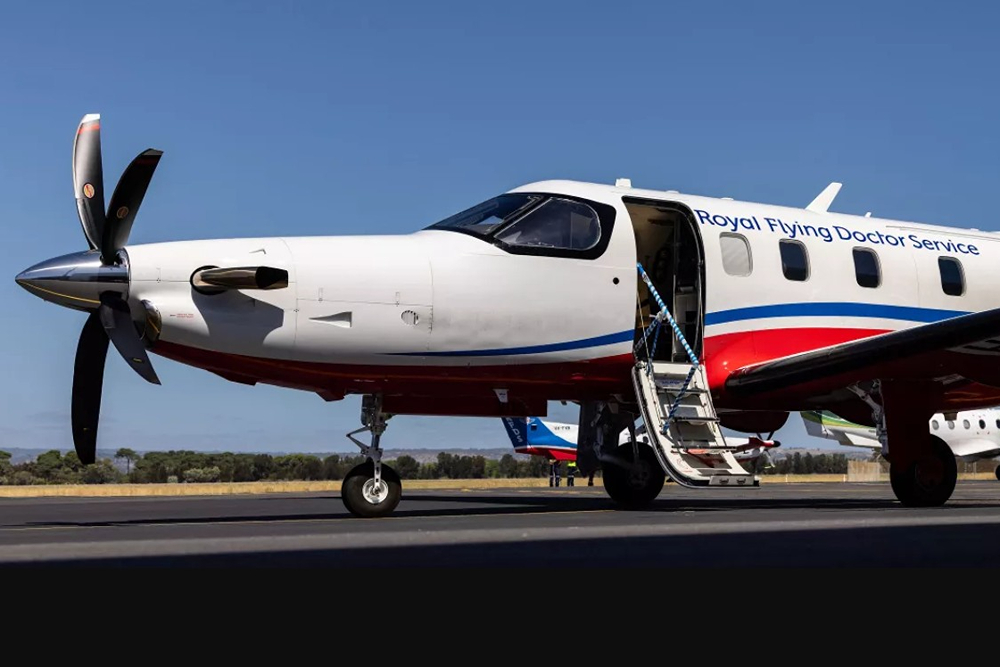
Australia’s Royal Flying Doctor Service, which provides urgent and routine medical care to thousands of Australians each week, has begun the next stage of its development. This week, the Service received the first of five new Pilatus PC-12 PRO turboprops from the Swiss manufacturer as it expands its service across the remotest parts of the vast country.
Royal Flying Doctor Service receives first new PC-12 PRO
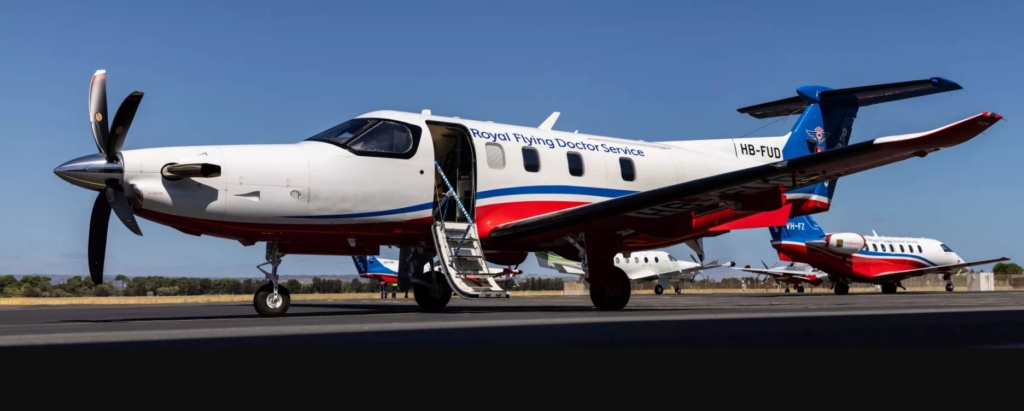
Australia’s nationwide aerial medical service, the Royal Flying Doctor Service (RFDS), has begun the next stage of its development with the arrival of the first of five factory-fresh Pilatus PC-12 PRO ‘flying intensive care units’ direct from the manufacturer in Stans, Switzerland.
The five aircraft represent an AUD60 million ($42 million) investment in new aircraft and form part of the Flying Doctor’s largest aircraft upgrade program in over a decade.
The first new aircraft was delivered directly from Pilatus to the RFDS station at Alice Springs in the Northern Territory and has already also visited the Service’s base at Adelaide in South Australia.
The aircraft is the first aeromedical-fit version of the next-generation PC-12 PRO variant anywhere in the world, and “features step-change advancements in operational performance, aviation safety, and environmental credentials.”
The remaining four aircraft will continue to arrive from Switzerland throughout the rest of 2026. They will be deployed to deliver life-saving retrieval services to remote communities in South Australia and the Northern Territory.
According to an RFDS organisation statement, the “landmark aircraft upgrade program has been made possible through funding from the Australian Government and the RFDS’s generous community of corporate partners, donors, volunteer fundraisers and bequestors.”
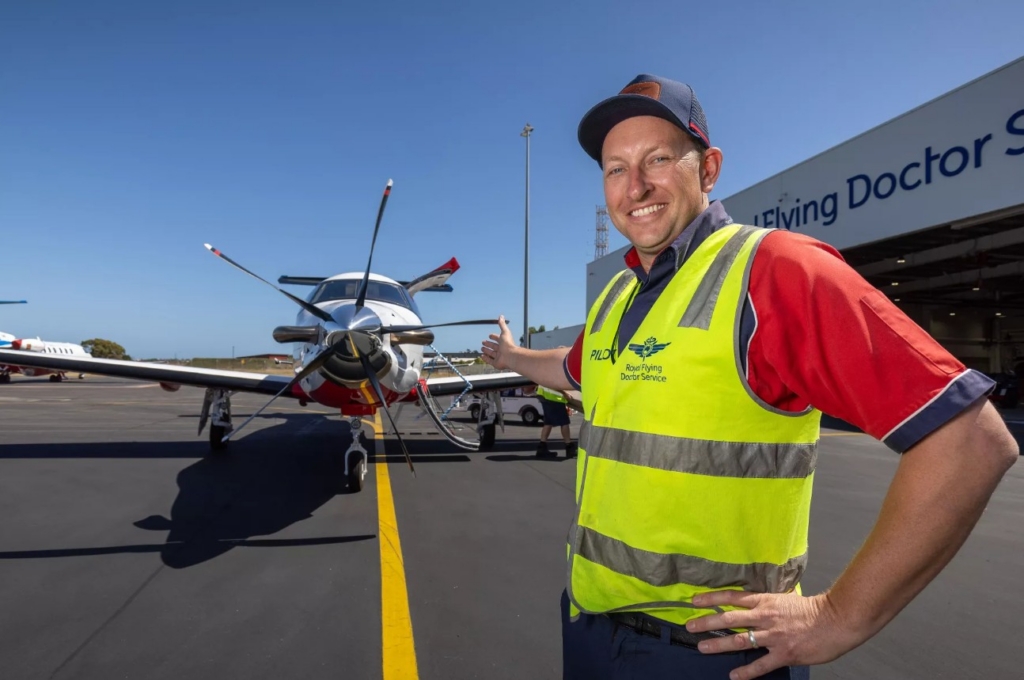
The RFDS Chief Executive for South Australia and the Northern Territory (SA/NT), Tony Vaughan, said the arrival of the aircraft reinforces the organisation’s mission to deliver world-class aeromedical care to people living, working and travelling in rural and remote Australia.
“This is a proud and historic moment for the RFDS SA/NT, those we serve and those who support us. The introduction of the PC-12 PRO affirms our commitment to innovation, safety and realisation of public value for communities and governments alike,” Vaughan said.
Vaughan added that the Service had chosen the latest variant of the PC-12 for its fleet after an extensive evaluation process, where the demanding performance requirements and social obligations of all RFDS aircraft were analysed. The aircraft being ready and available for aeromedical operations on a 24/7 basis was also a key consideration, he added.
Vaughan highlighted the PC-12’s outstanding safety record (the service already operates 36 previous generation PC-12s ), and its “proven history of reliability operating in the diverse and challenging environments we deliver services, from the tropics in the Top End to southern Australia.”
Praising the PC-12 Pro’s latest avionics and improved battery technology, Vaughan pointed out that the new PC-12 PRO is lighter than its predecessor, which further enhances the type’s operational flexibility. This weight saving will enable increased patient capacity and/or additional fuel carriage, which offers the RFDS a critical advantage when operating across the largest and most remote regions of Australia.
“The PC-12 PRO’s advanced technology, improved safety features and enhanced aeromedical capability will directly benefit our patients, crews, health partners and the communities who rely on us every day. It continues our fleet reliability and our ability to respond quickly, safely and efficiently,” he concluded.
The key benefits of the PC-12 PRO for the RFDS
The addition of the five PC-12 PRO aircraft to the RFDS fleet brings a whole new set of advantages over other aircraft in its class, giving the RFDS specific advantages in the hostile environments in which it operates. The aircraft of the RFDS often operate in harsh climates of super dry heat, dusty conditions and from unpaved or semi-prepared runway surfaces.
Like the RFDS’s current PC-12 models, the new variant requires just 758 metres (2,486 ft) of runway and can operate from grass, gravel and dirt strips.
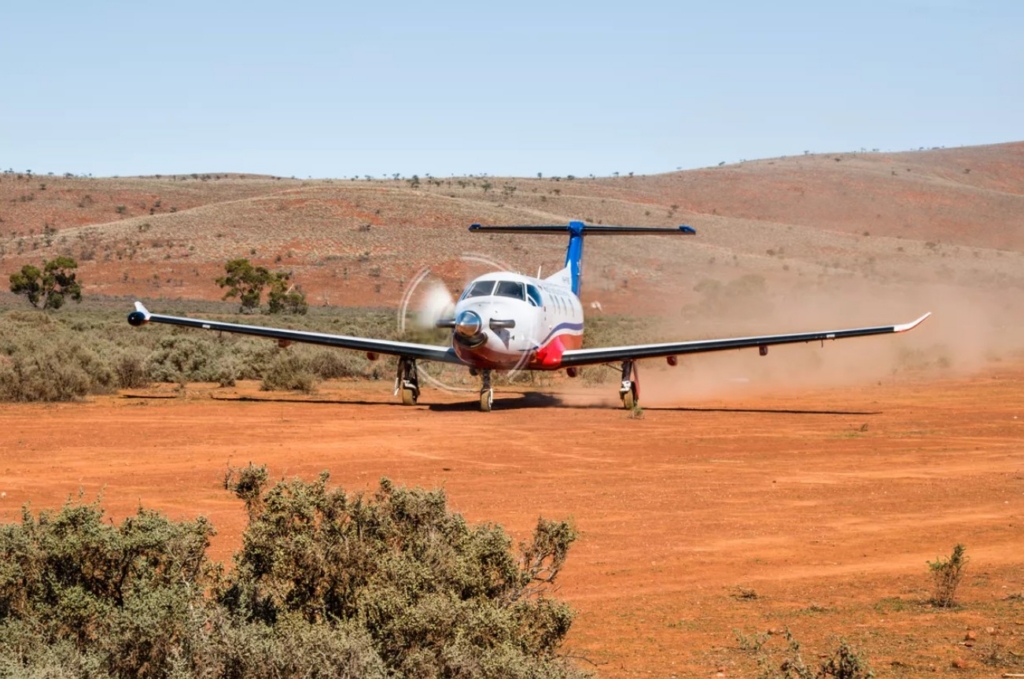
The new PC-12 PROs enhance the RFDS operation by offering safety autoland capability, which can autonomously control and land the aircraft in an emergency, without pilot intervention.
Meanwhile, its advanced autothrottle system (which includes a fully automatic Electronic Propeller and Engine Control System and digital thrust) can maintain desired airspeed, reduce pilot workload, boost fuel efficiency, deliver smoother flights and protect against engine overload, said the RFDS.
Elsewhere, the aircraft’s cockpit features high-resolution touchscreens, synthetic vision technology and improved exterior visibility to give pilots greater situational awareness and safer decision-making, all particularly useful when operating at night, in poor weather or from remote airstrips.

Lastly, according to RFDS, the PC-12 PRO operates with a reduced CO2 output and compatibility with Sustainable Aviation Fuel (SAF) to “support greener operations without compromising performance.”
The aircraft operates under a modern maintenance plan with intervals extended to 600-hour checks versus 300-hour checks of previous models, which means that the PC-12 PRO will be available more often with less time required for routine maintenance inspections.
How the PC-12 PRO will add to the current RFDS fleet
The latest aircraft joins the wider fleet of RFDS SA/NT aircraft that serve the states of South Australia and the Northern Territory. These 26 aircraft include both turboprop and jet aircraft operating from five bases across the two states – Alice Springs, Darwin, Adelaide and Port Augusta. These aircraft alone provide airlift capability for over 10,500 residents of the two states annually.
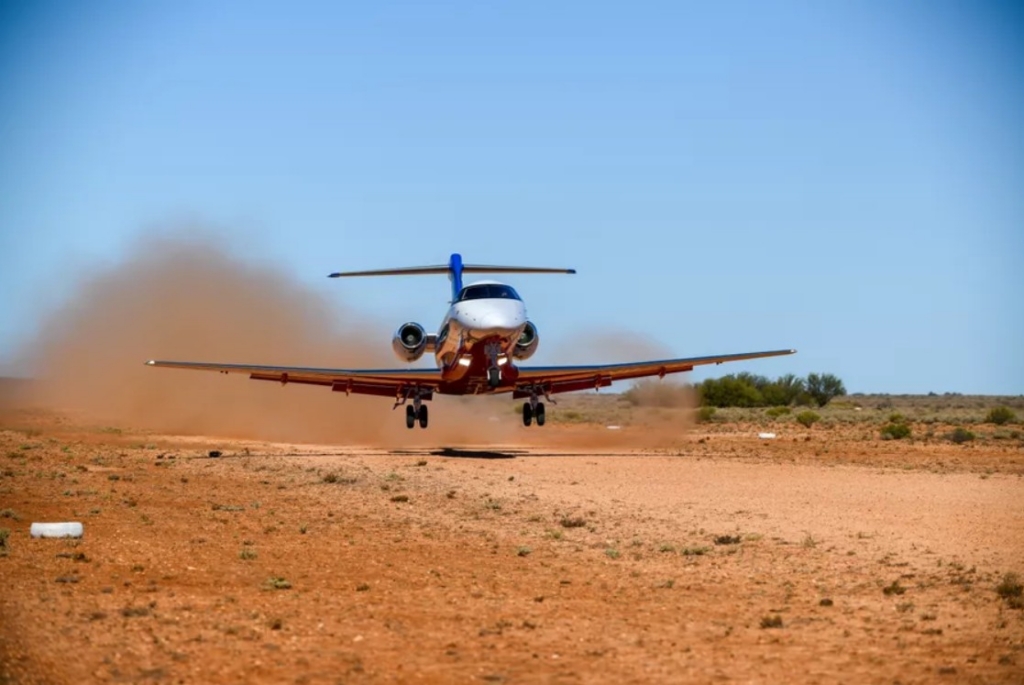
On a wider scale, the RFDS operates a fleet of 83 fixed-wing aircraft plus two helicopters across its network from numerous bases across Australia. The fleet is based around five main fixed-wing types:
- Beechcraft King Air B200/B200C – 27 aircraft
- Beechcraft King Air B300/B350 – 11 aircraft
- Beechcraft King Air B360 – 3 aircraft
- PC-12 – 36 aircraft
- PC-24 – 5 aircraft
- PC-12 PRO – 1 delivered, four more on order
The service also operates two Airbus EC145 medevac helicopters in the state of Western Australia.
What is the Royal Flying Doctor Service?
Founded in 1928 by Reverend John Flynn, the RFDS provides emergency medical care and primary health services to people living in rural and remote areas of Australia.
Using a fleet of specially equipped aircraft, the RFDS delivers lifesaving evacuations, routine clinics, mental health support, and dental services across vast distances. It plays a vital role in communities where access to hospitals and doctors is limited.
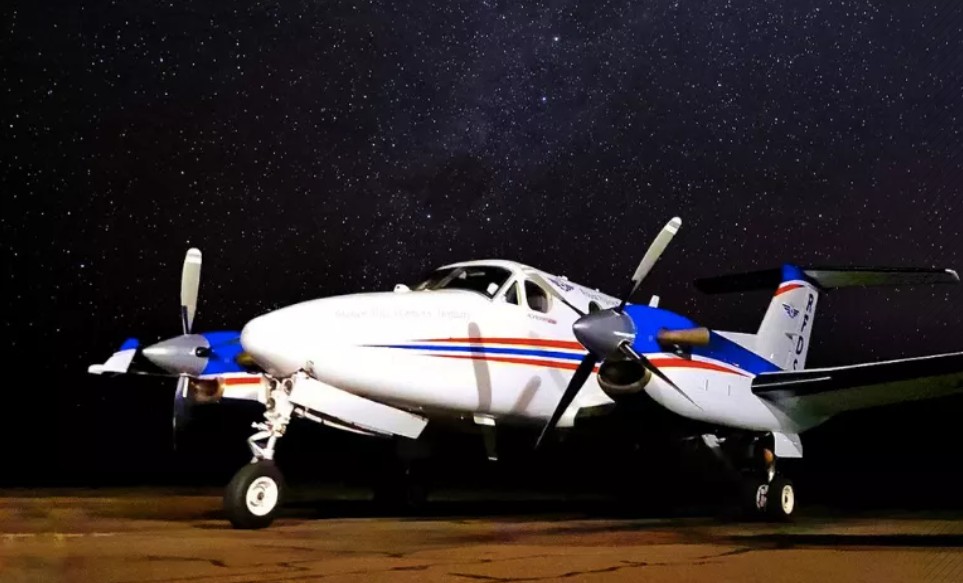
Funded through government support and public donations, the RFDS remains an essential part of Australia’s healthcare system. The RFDS currently reports around 345,000 total patient contacts per year across the country, which includes transports, clinics and telehealth services.
Featured image: RFDS