What is wake turbulence? How aircraft wake vortices affect flight safety

4 min read
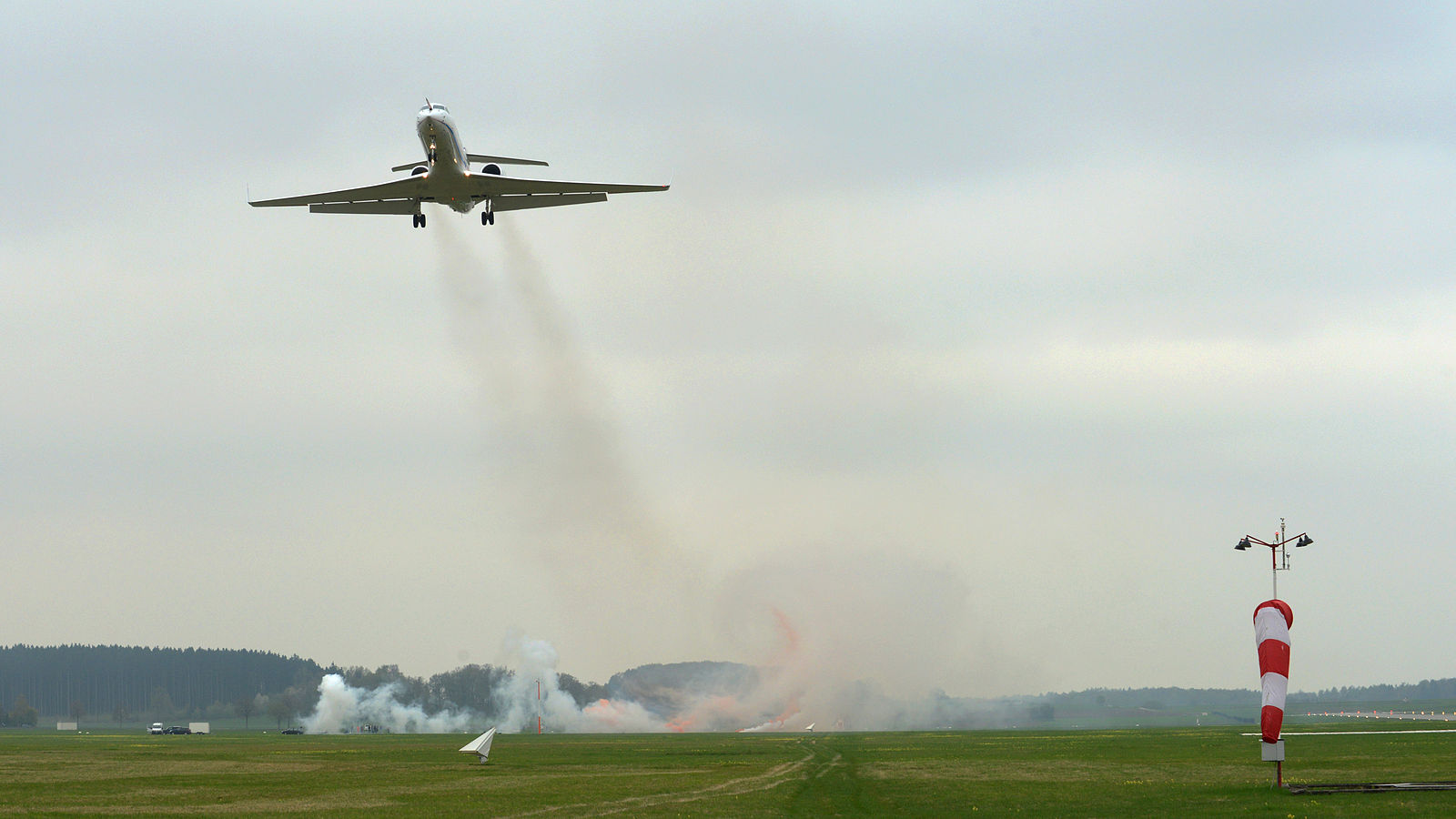
When an aircraft takes off, flies overhead or comes in to land, it leaves behind an invisible trail of disturbed air.
Most of the time, this disturbed air quickly disappears without causing any problems. But in the right conditions, it can be strong enough to affect another aircraft flying through it – and that’s what we call wake turbulence.
What is wake turbulence?
Wake turbulence is a disturbance in the atmosphere caused by an aircraft as it generates lift.
It is created by rotating masses of air called wake vortices that form behind an aircraft’s wings and can affect other aircraft flying nearby.
What causes wake turbulence?
It all starts with lift. As an aircraft’s wings produce lift, there’s higher air pressure underneath the wing and lower pressure above it. Air naturally moves between these areas, including around the wingtips. This creates two spinning currents of air that trail behind the aircraft, known as wingtip vortices.
Put simply, think of them as two invisible tubes of spinning air following an aircraft through the sky.
Why do large aircraft create stronger wake?
Not every aircraft leaves the same kind of wake. In general, the heavier the aircraft, the stronger its wake will be. A large, fully loaded passenger aircraft like a Boeing 787 needs to generate a lot of lift to stay in the air, so it can leave a much stronger wake than a small Cessna 152 training aircraft.
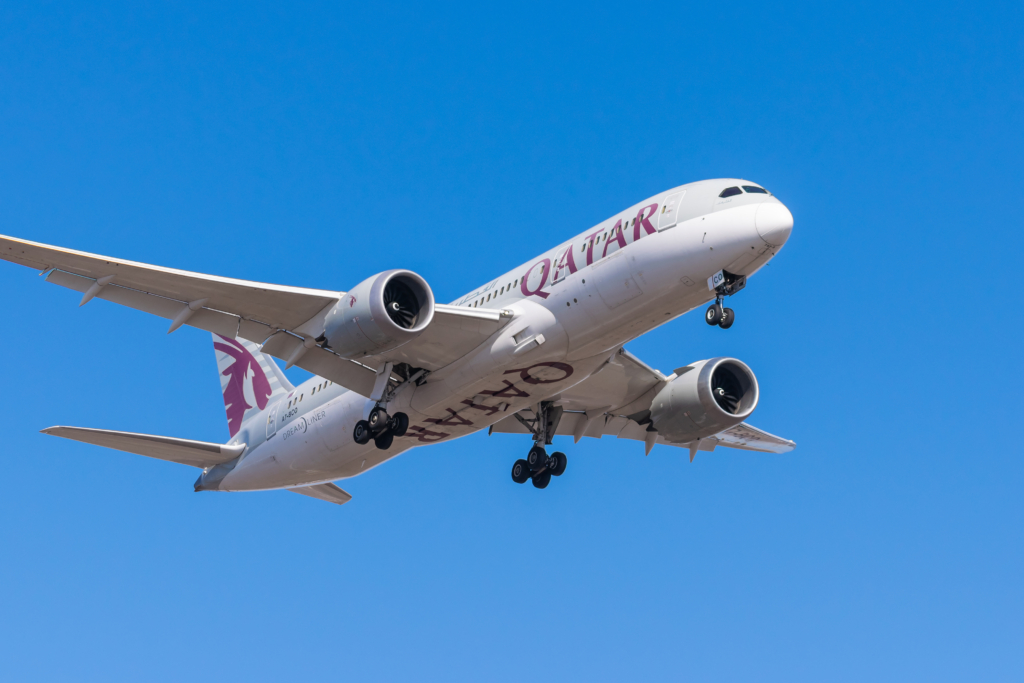
Think of it like a boat making waves as it sails through the sea – bigger boats leave a choppier wake behind them than smaller ones.
Speed also makes a difference. When an aircraft is flying slowly, its wings need to work harder to produce enough lift, which can make the vortices stronger.
That’s one reason wake turbulence is particularly important during take-off and landing. Aircraft are flying relatively slowly, often close to other aircraft and, of course, close to the ground.
How long does wake turbulence last?
Once the vortices are created, they continue to move behind the aircraft. They generally sink and gradually lose their strength, but how quickly this happens depends on the weather.
Wind and turbulence can help break the vortices apart, but in calm conditions they can stick around for longer.
What happens when an aircraft encounters wake turbulence?
The effects can be anything from a small bump to a serious loss of control. If an aircraft flies through a strong vortex, it can suddenly roll or pitch. One wing may be affected more than the other, causing the aircraft to move unexpectedly.
The effect can be especially noticeable when a relatively light aircraft encounters the wake of a much heavier one.
There was a real-world example of this in 2022, when a US Air Force F-35 crashed while approaching Hill Air Force Base in Utah. An investigation found that wake turbulence from another F-35 contributed to the accident.
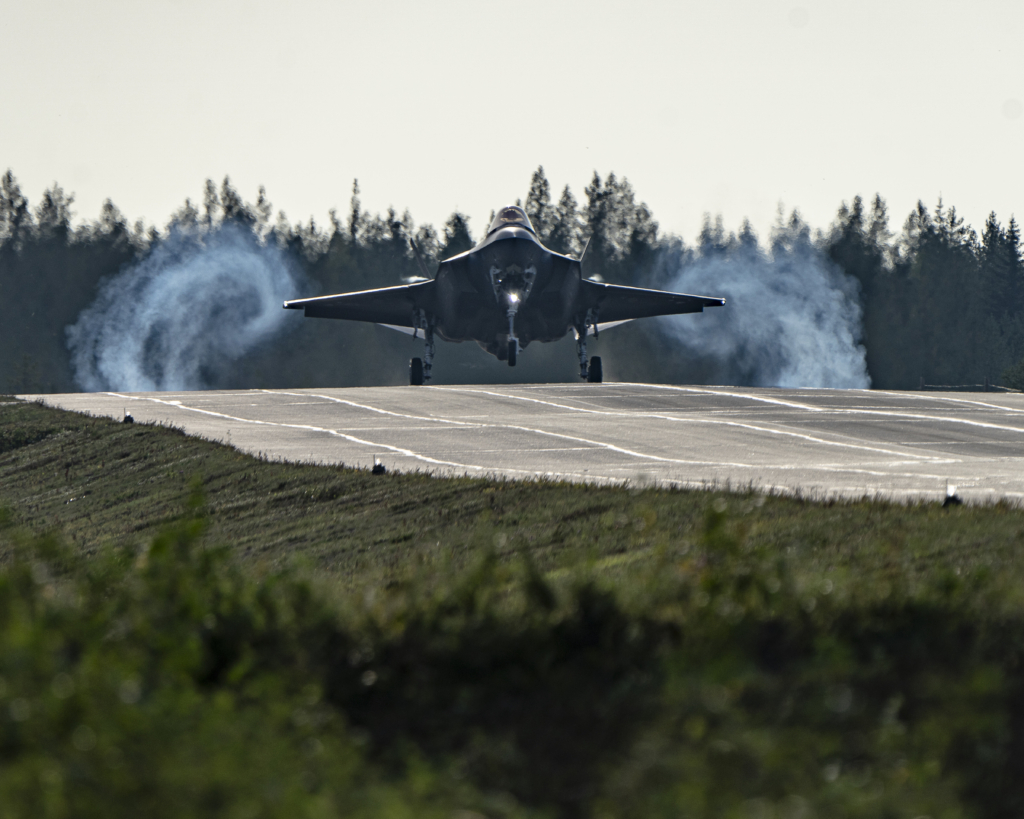
The encounter caused an unexpected aircraft response, while the investigation also identified pilot procedural issues and other contributing factors.
The incident highlights why wake turbulence isn’t simply another form of rough air. Under the wrong circumstances, it can become a serious operational hazard.
How do pilots avoid wake turbulence?
Pilots are trained to think about where wake vortices are likely to be and how they’re moving.
When following another aircraft on approach, pilots will generally try to stay above its flight path. That’s because wake vortices tend to sink as they move away from the aircraft that created them.
During departure, pilots may also need to wait for enough time after a larger aircraft has taken off.
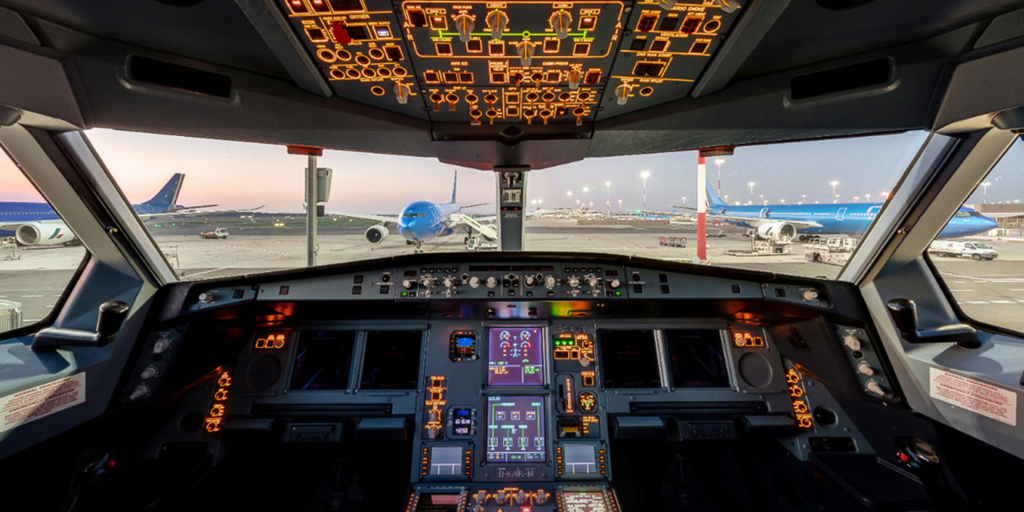
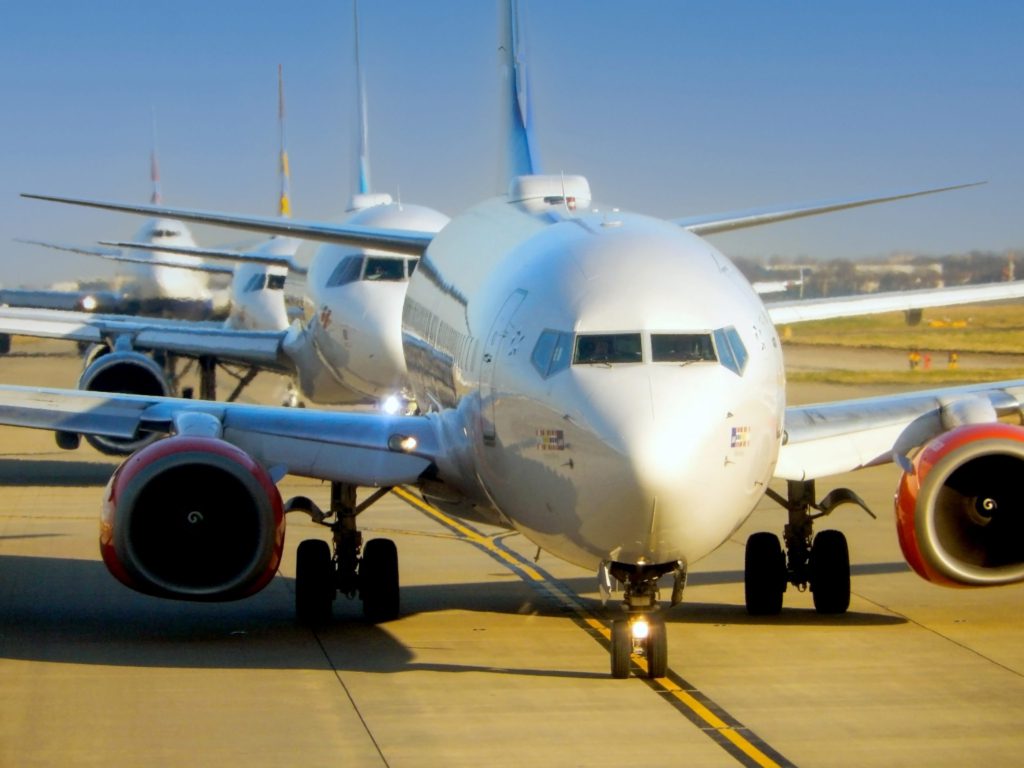
These procedures are particularly important at busy airports like Heathrow, where aircraft are constantly taking off and landing with relatively little space between them.
How does air traffic control manage wake turbulence?
Air traffic controllers have an important role to play too. They use separation requirements to keep aircraft far enough apart for the wake from one aircraft to weaken or move away before another aircraft reaches it.
As mentioned, the amount of separation depends on the aircraft involved. A smaller aircraft following a much heavier one may need more space than two aircraft of similar size.
The basic idea is to give the wake enough time and room to become less of a threat.
Can aircraft design reduce wake turbulence?
Aircraft manufacturers are also looking at ways to manage the wake produced by their designs.
Winglets are one familiar example. These devices change the airflow around the wingtips, helping to reduce drag while also changing the characteristics of the vortices produced by the aircraft.
Researchers and manufacturers are also developing new wing shapes and aerodynamic technologies. For example, NASA’s AirSTAR and wake-vortex research programme has carried out extensive studies into wake vortices, using specially equipped aircraft and computer modelling to understand how wakes form, move and eventually break apart.
Wake turbulence is a normal part of flying
If an aircraft is producing lift, it will naturally disturb the air around it. Most of the time, nobody notices.
But when aircraft are flying close together, particularly during take-off and landing, that invisible trail can become an important safety issue.
Essentially, for pilots and air traffic controllers, knowing what happens behind an aircraft is just as important as knowing what happens in front of it.