


Crashes, crises and change: 10 moments that reshaped commercial aviation in 2025

8 min read

Commercial aviation in 2025 was tested on multiple fronts. A string of fatal accidents thrust safety back into the global spotlight, while fragile airline finances and unexpected technical failures exposed just how vulnerable parts of the industry remain.
Together, these pressures shaped a turbulent year for the sector. The following ten developments highlight some of the defining moments that influenced safety oversight, airline strategy and aircraft operations over the past 12 months.
Ten defining moments for commercial aviation in 2025
1: Air India 787 crash shattered the Dreamliner’s accident-free record
The loss of Air India Flight 171 shortly after departure from Ahmedabad marked the first fatal hull-loss involving a Boeing 787 Dreamliner, ending the type’s previously unblemished safety record. Nearly all those on board were killed, along with people on the ground.

While the investigation has yet to determine a definitive cause, the crash occurred at a moment of heightened scrutiny for Boeing, intensifying global focus on aircraft certification, manufacturing quality and safety oversight.
2: Spirit Airlines crisis exposed strain in the ULCC market
Spirit Airlines’ financial crisis became a proxy for deeper stresses in the US airline market. Saddled with high debt after years of losses, the carrier was hit by soft demand, rising labour and maintenance costs, and the collapse of its planned merger with JetBlue, which had been central to its long-term survival strategy.
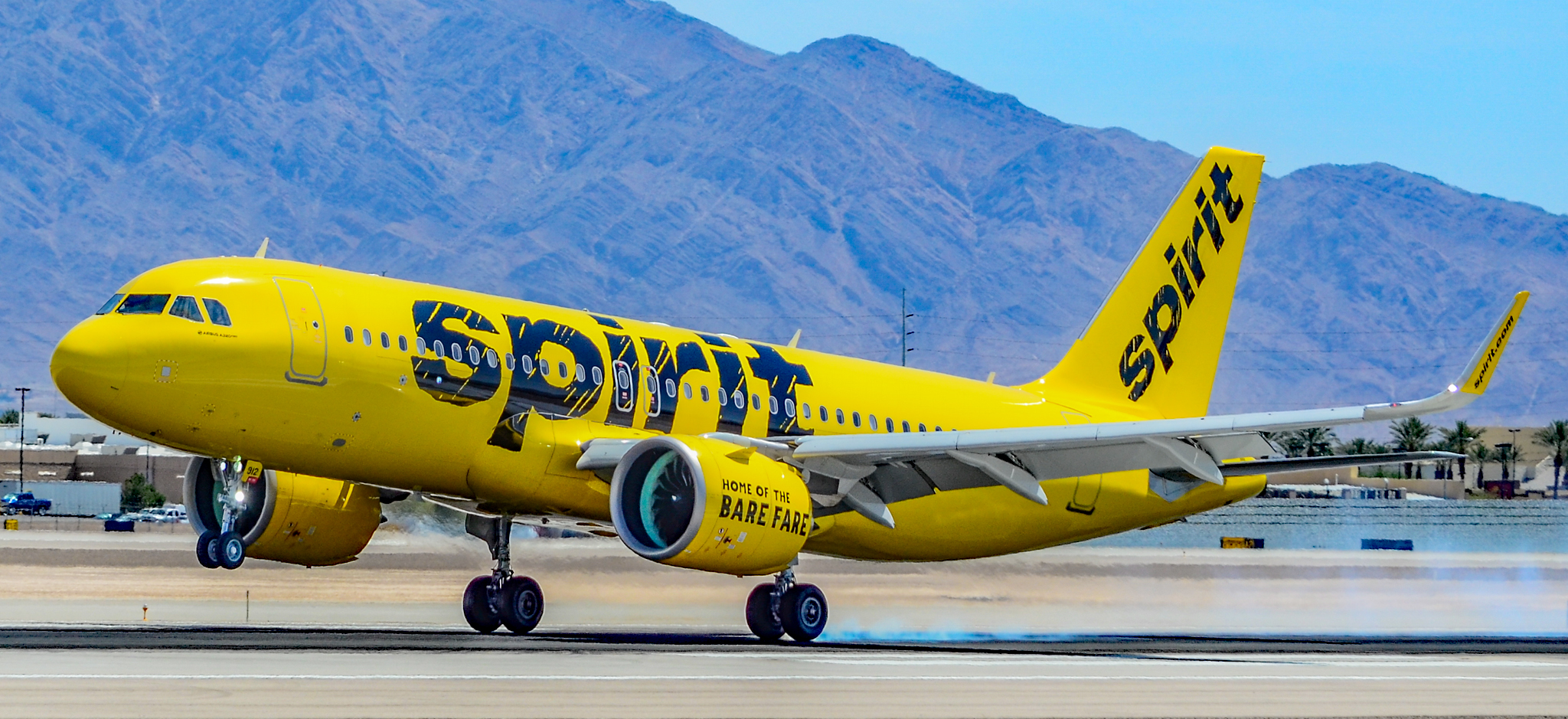
The resulting restructuring and capacity cuts underscored the fragility of the ultra-low-cost model in an increasingly saturated and price-competitive domestic market.
3: DCA mid-air collision highlights vulnerabilities in ATC
The Potomac River collision became a regulatory flashpoint because it was not just a rare mid-air crash; it was a failure of civil-military integration in one of the most complex pieces of controlled airspace in the US.
Investigators quickly focused on helicopter routing, altitude awareness, surveillance, and how military operations are managed alongside dense airline arrivals into Reagan National (DCA). The aftermath triggered immediate restrictions on helicopter traffic near the river corridor and reinforced limits on simultaneous fixed-wing and helicopter operations in that airspace.
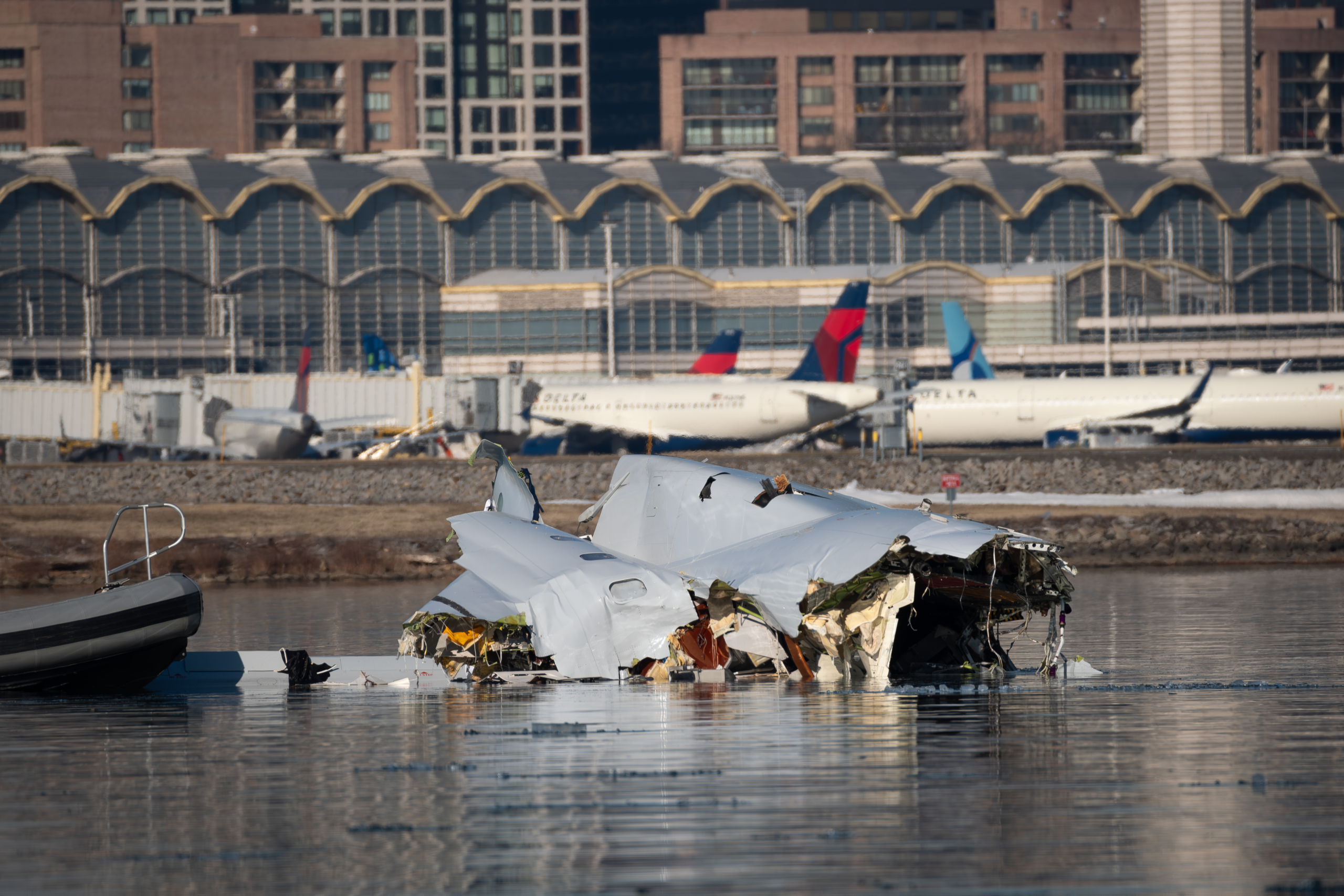
Politically, it catalysed the ROTOR Act, introduced in July and passed by the Senate in December, aimed at tightening ADS-B related loopholes and improving transparency and oversight for rotorcraft operations, with particular attention on mixed traffic environments like Washington.
4: IndiGo meltdown exposes risks of aviation duopoly in India
IndiGo’s large-scale operational breakdown in December became a defining moment for Indian aviation, not because of its size alone, but because of what it revealed about market concentration
As the country’s dominant carrier, accounting for roughly two-thirds of domestic capacity, IndiGo’s failure to adapt to revised crew duty rules triggered thousands of cancellations and disrupted travel nationwide.
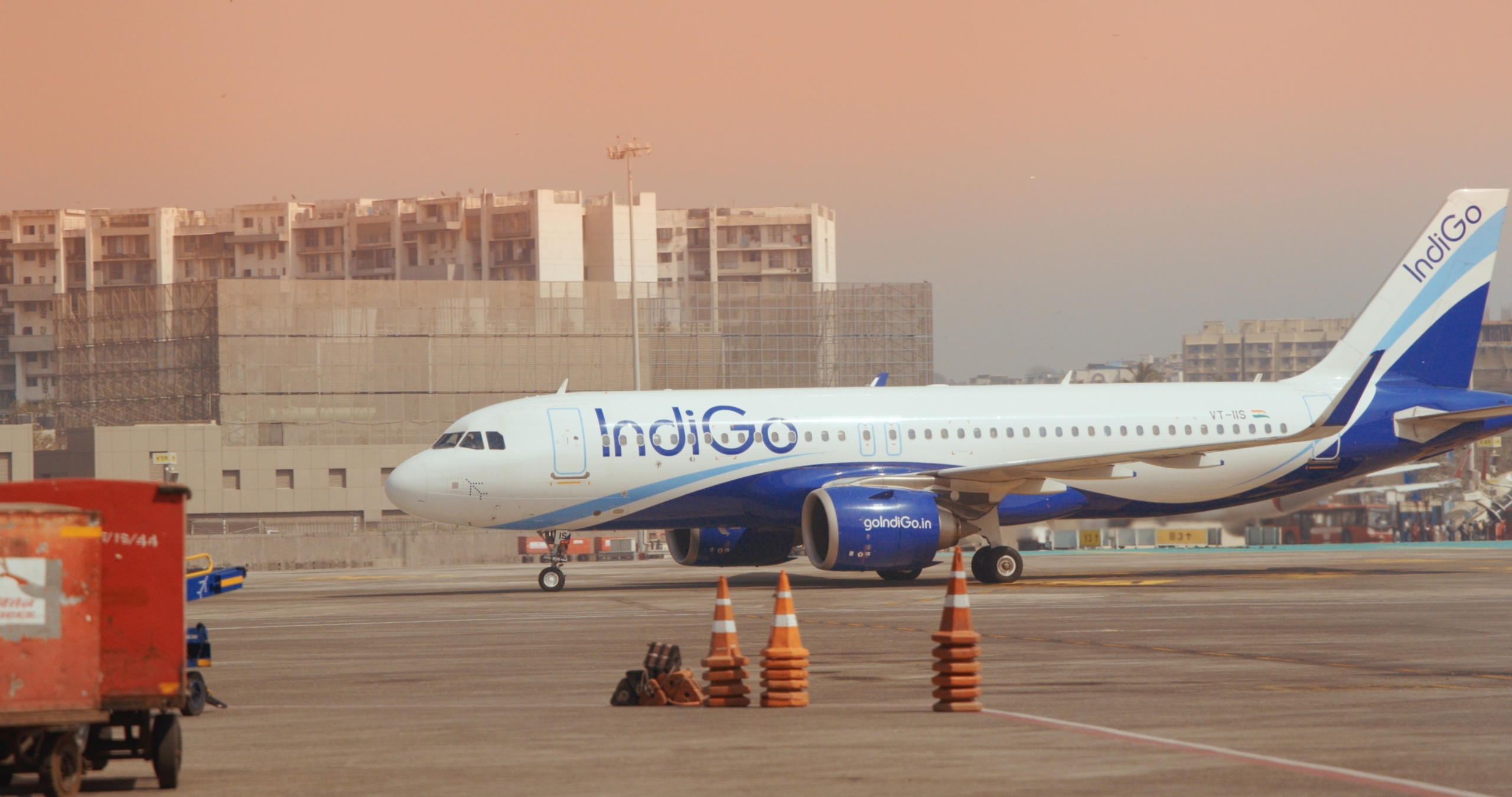
The episode underscored how heavily India’s air transport system now depends on just two airline groups, prompting regulators and policymakers to re-examine whether a highly consolidated market can deliver resilience as traffic continues to grow.
5: Spirit AeroSystems carve up highlights systemic supplier fragility
The decision to break up Spirit AeroSystems became a defining moment for commercial aviation manufacturing in 2025. Long plagued by quality lapses, delivery delays and mounting losses, the supplier’s collapse exposed deep structural weaknesses in the aerospace supply chain.
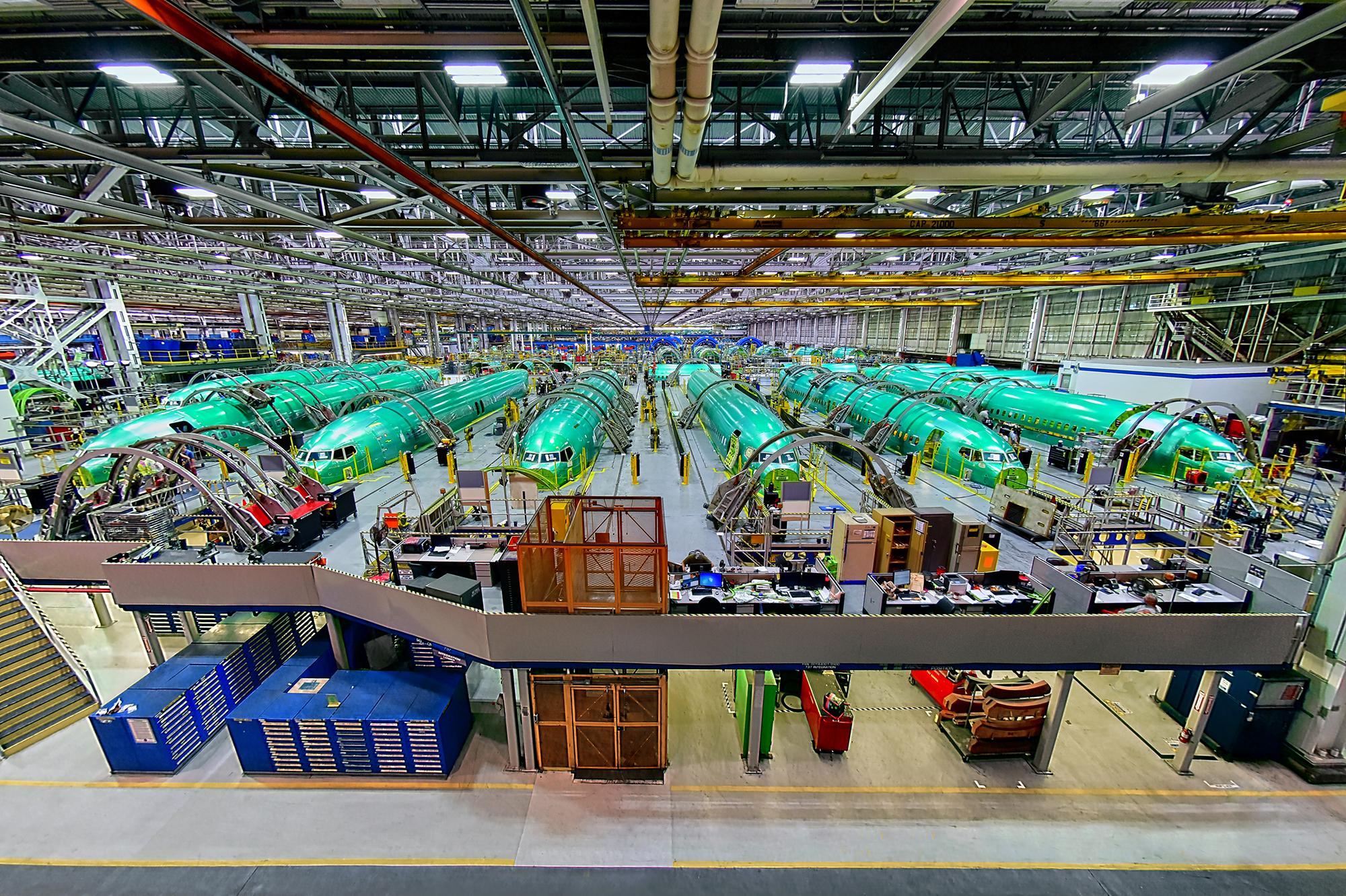
Boeing’s decision to reabsorb Spirit’s Boeing-facing operations, while Airbus carved out key programmes, highlighted how dependent tier-one suppliers had become on a narrow customer base. More importantly, it raised uncomfortable questions about whether the current risk-sharing model between OEMs and suppliers is financially and operationally sustainable.
6: Airport expansion returns to the political agenda
After years of political paralysis and post-pandemic caution, airport expansion returned to the policy agenda in 2025 as governments confronted hard capacity limits.
In the UK, ministers signalled renewed support for growth at Heathrow Airport and Gatwick Airport, restarting long-stalled debates over how to balance connectivity, resilience and environmental impact at major hubs.
The government has selected Heathrow Airport Limited’s (HAL) third-runway proposal as the basis for reviewing the Airports National Policy Statement (ANPS). This does not approve the runway or lock in a final design, but it restarts the policy process that must precede any planning application.
South of the capital, the government approved Gatwick Airport’s £2.2 billion Northern Runway Project, allowing the UK’s 2nd-busiest airport to bring its standby northern runway into routine use. Other UK airports, including Luton, Stansted, Bournemouth and Bristol, also kicked off projects to expand or improve facilities.

Across the pond, numerous US airports are mid-expansion, including the massive $19 billion modernisation at New York’s JFK. Tampa is investing $1.5 billion to add gates, while Chicago O’Hare is in the midst of an overhaul to improve facilities and add capacity.
Asia saw the opening of Techo International in September, and Singapore began construction of Changi Terminal 5 to add 50 million passengers a year. Hong Kong’s expanded Terminal 2 has begun phased operations, and India has pressed several new airports into service, including Navi Mumbai, Noida and Guwahati.
Across the world, the political agenda has shifted to look more favourably on airport expansion as current facilities bulge at the seams. Nevertheless, many of these decisions have been met with strong opposition on concerns of noise and pollution.
7: Saudi Arabia’s aviation surge reshapes the region
Saudi Arabia became one of the most consequential commercial aviation stories of 2025 as its long-term ambition to turn the Kingdom into a global air hub moved decisively from planning into execution.
Passenger traffic through Saudi airports reached record levels during the year, reflecting rapid demand growth driven by tourism, business travel and large-scale development projects tied to Vision 2030.

At the centre of this push is Riyadh Air, which progressed steadily towards its full launch with the introduction of limited London Heathrow flights with a leased Boeing 787. With the delivery of its first 787 imminent, the airline expects to launch commercial services in early 2026.
The expansion has not been limited to a single carrier. Saudia continued to add international destinations in 2025, while authorities signalled openness to additional airline entrants to support new economic zones and giga-projects across the Kingdom.

Infrastructure investment has moved in parallel. Work continued on the vast King Salman International Airport development in Riyadh, alongside upgrades and expansion across the country’s airport network, laying the groundwork for a step-change in capacity later this decade.
8: AI begins to transform commercial aviation operations
Artificial intelligence moved from concept to practical deployment in 2025, emerging as one of the year’s most talked-about technological trends in aviation. Airlines, airports and manufacturers alike are increasingly using AI to streamline operations, enhance safety and improve passenger services.
AI-driven predictive maintenance tools are now analysing vast amounts of sensor and flight data to flag potential aircraft faults before they lead to costly delays or groundings. AI is being used in airports to speed turnarounds and improve the immigration process.
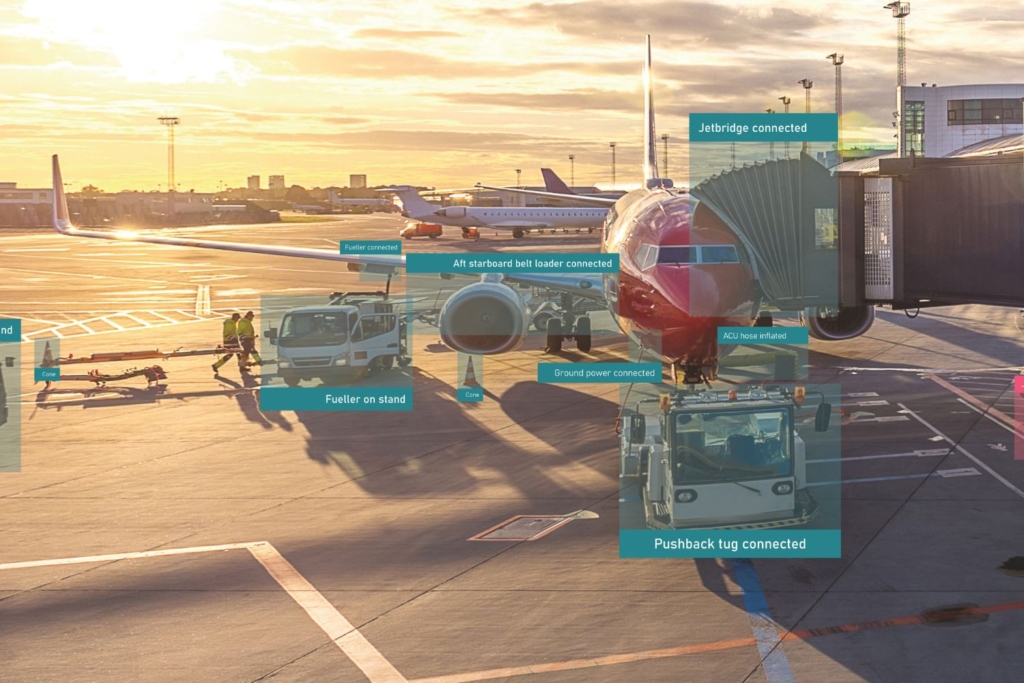
Air traffic management is also seeing early AI adoption, with trial systems that analyse traffic and weather data to anticipate congestion and suggest more efficient routings, potentially cutting delays and fuel burn.
Passenger experience and commercial functions are evolving too; carriers are experimenting with generative AI for pricing and customer engagement, while biometric and automation tools are smoothing airport flows.
Despite rapid uptake, industry voices continue to emphasise that AI will augment human expertise rather than replace it, especially in safety-critical roles.
9: The Airbus A321XLR reshapes global networks
The rollout of the Airbus A321XLR in 2025 began to reshape how airlines think about long-haul flying. Designed to bridge the gap between narrowbody efficiency and widebody range, the XLR is enabling carriers to open routes that were previously uneconomic with larger aircraft.
Airlines, including American Airlines, Qantas and Iberia, have started deploying the type, using its range and lower trip costs to rethink network design. The aircraft is particularly well suited to “long, thin” markets, linking secondary cities across the Atlantic and Pacific that lack the demand to sustain widebody service.

The impact extends beyond individual routes. Airports that previously sat outside long-haul networks are seeing renewed interest, while airlines gain greater flexibility to adjust capacity without the financial risk of widebody operations.
10: Aviation decarbonisation struggles as fleets remain older than ever
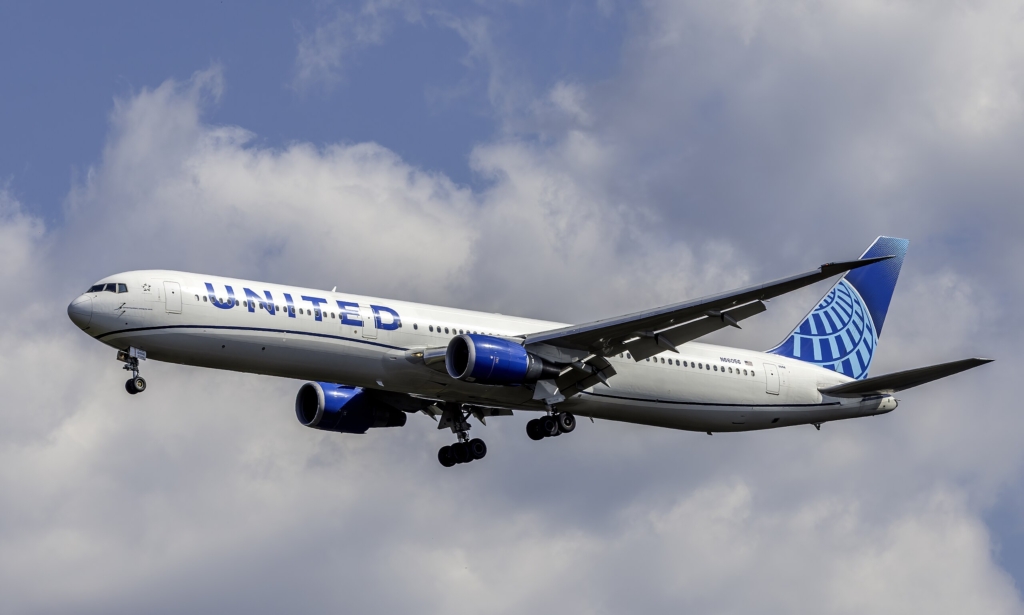
In 2025, airline fleet strategy quietly became one of the industry’s most revealing fault lines. As financial pressure mounted and supply chains remained strained, airlines found themselves flying older aircraft for longer, while some relatively young jets were withdrawn, stored or even scrapped far earlier than expected.
Widebody retirements that once followed predictable timelines became increasingly erratic. Aircraft just a decade old were sidelined as uneconomic, while much older types were kept in service due to delayed deliveries, engine issues and a lack of viable replacements.
At the same time, persistent problems with new aircraft induction — from production delays to in-service reliability concerns — forced carriers to rethink assumptions about fleet renewal.
The contradiction exposed a deeper tension in commercial aviation. Airlines are under pressure to decarbonise and modernise, yet constrained by capital costs, technical risk and manufacturing bottlenecks. The result is a fleet landscape that looks increasingly uneven, where longevity is dictated less by age than by economics, availability and operational certainty.
Commercial aviation outlook for 2026
Many of the forces that shaped commercial aviation in 2025 are unlikely to fade quickly. Supply-chain fragility, aircraft delivery delays and engine reliability issues will continue to constrain fleet growth, keeping capacity tight and costs elevated for airlines well into 2026.
At the same time, the industry enters 2026 with pockets of opportunity. New aircraft types such as the A321XLR are beginning to unlock routes and markets previously out of reach, while digital tools, including artificial intelligence, are starting to deliver tangible operational gains.
If 2025 was a year that exposed aviation’s vulnerabilities, 2026 is likely to test how effectively the industry can adapt, balancing resilience, growth and safety in a still-fragile global operating environment.
Featured image: Indian government


