What it takes to feed the VVIPs flying on private jets

7 min read
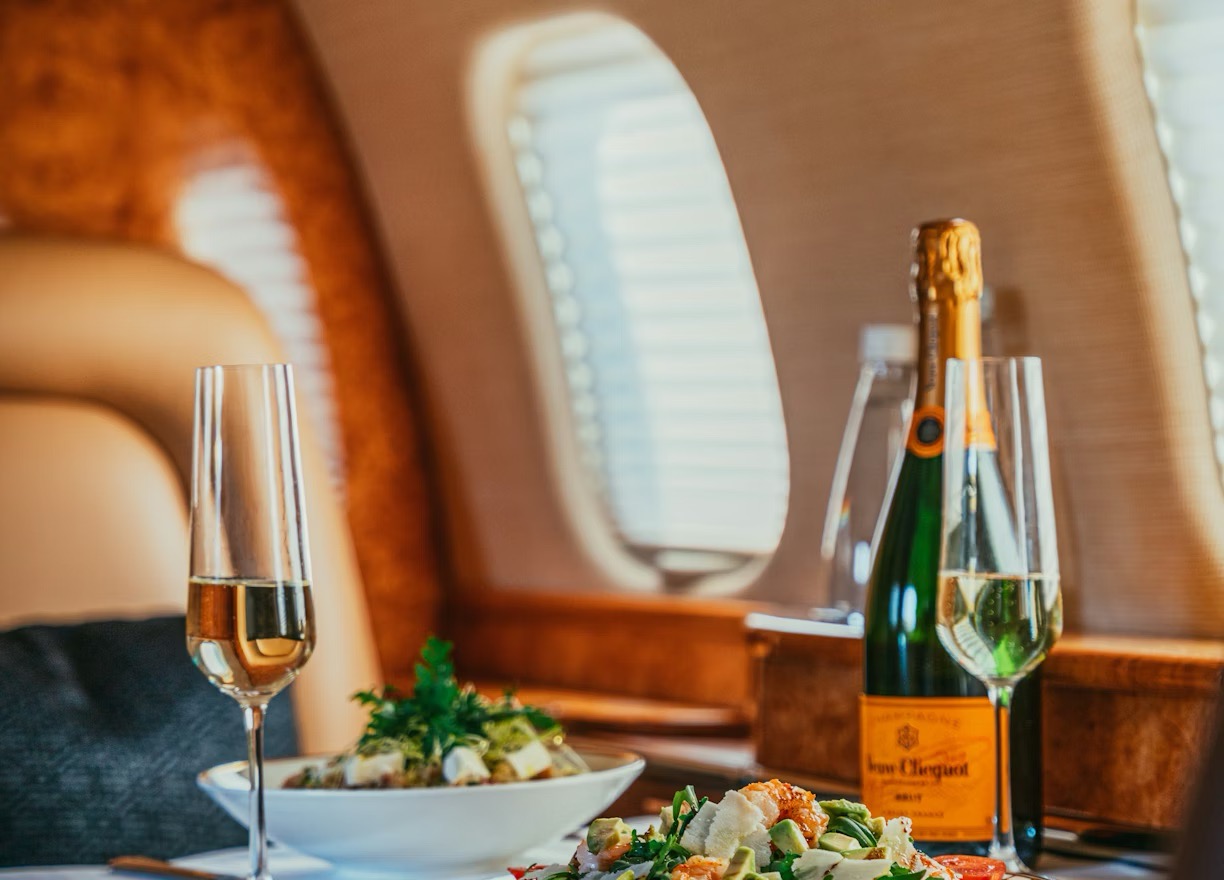
What does it take to deliver meals that meet the culinary and dietary standards of the rich, famous and powerful individuals who usually fly on private jets?
While airlines have set up large industrial kitchens to prepare their in-flight meals, many of which have spun off into independent businesses, private jet catering is still largely a boutique service that relies heavily on local suppliers who can meet very high standards of meal quality and presentation with little notice.
We spoke with a private jet operator and a specialist catering firm, who each shared their experiences on what it takes to keep VVIP flyers satisfied.
The private jet operator coordinates meals delivered to the FBO with clients and catering firms
Hope Bifulco, spokesperson for private jet operator Magellan Jets, shared key challenges in coordinating private-jet catering, saying it “requires a fresh, individually coordinated delivery for every flight.”
The operator must negotiate airport and FBO handling fees up-front, arrange vendor logistics, and account for regional pricing differences. One of the main challenges is finding the right providers.
“Remote destinations like Aspen or Bar Harbor have fewer vendors and higher delivery costs, while high-demand airports like Teterboro and Miami carry premium pricing,” Bifulco tells AGN.
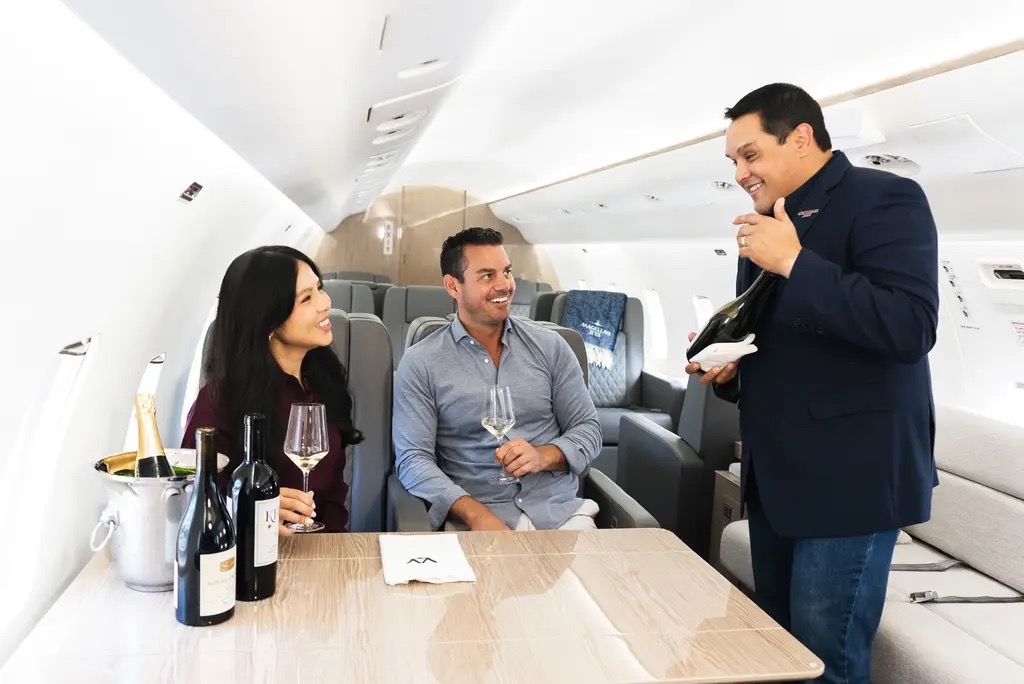
Magellan Jets sources quotes from multiple vendors for every flight and directly oversees the delivery timeline. “Catering arrives at the FBO 90 minutes before departure and is aircraft-ready at wheels-up — no last-minute surprises, and the Private Client’s experience stays front and centre,” Bifulco says.
Brody Speno, founder of Miami-based private jet catering firm SkyDine, has established an international network of vetted partner kitchens that can provide meals to hundreds of airports worldwide.
“We’ve refined our vetting process over time to ensure the experience is as consistent as possible, whether you’re ordering in Omaha or London,” Speno tells AGN, adding that the vetting process is proprietary.
“I can share that we evaluate each partner’s food safety protocols against our own internal standards and look for certifications such as ServSafe, HACCP, and other applicable food compliance codes. Beyond certifications, we maintain an internal grading system that tracks each location across categories like passenger feedback, delivery and packaging consistency, communication responsiveness, and flexibility.”
Client consultation up-front ensures a satisfying result
To ensure that in-flight catering meets the client’s personal preferences and dietary requirements, Magellan Jets consults with clients up front and requests menu decisions within a timeframe that ensures delivery.
“We accommodate a full range of dietary requirements, including vegetarian, vegan, gluten-free, kosher, and halal and encourage clients to share their requirements early,” Bifulco tells us. “Standard orders need 24–48 hours’ notice; complex or custom meals ideally 72 hours.”
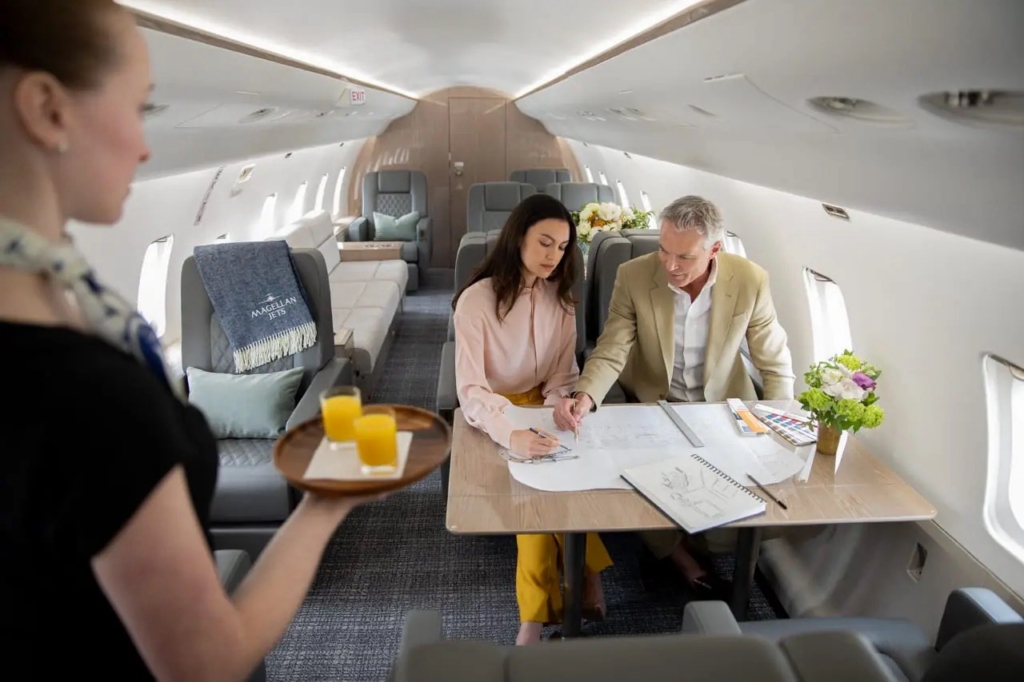
Because of aircraft cabin conditions, not all meals are ideally suited to private jet service. Magellan Jets guides its clients on “what food travels well,” Bifulco tells us.
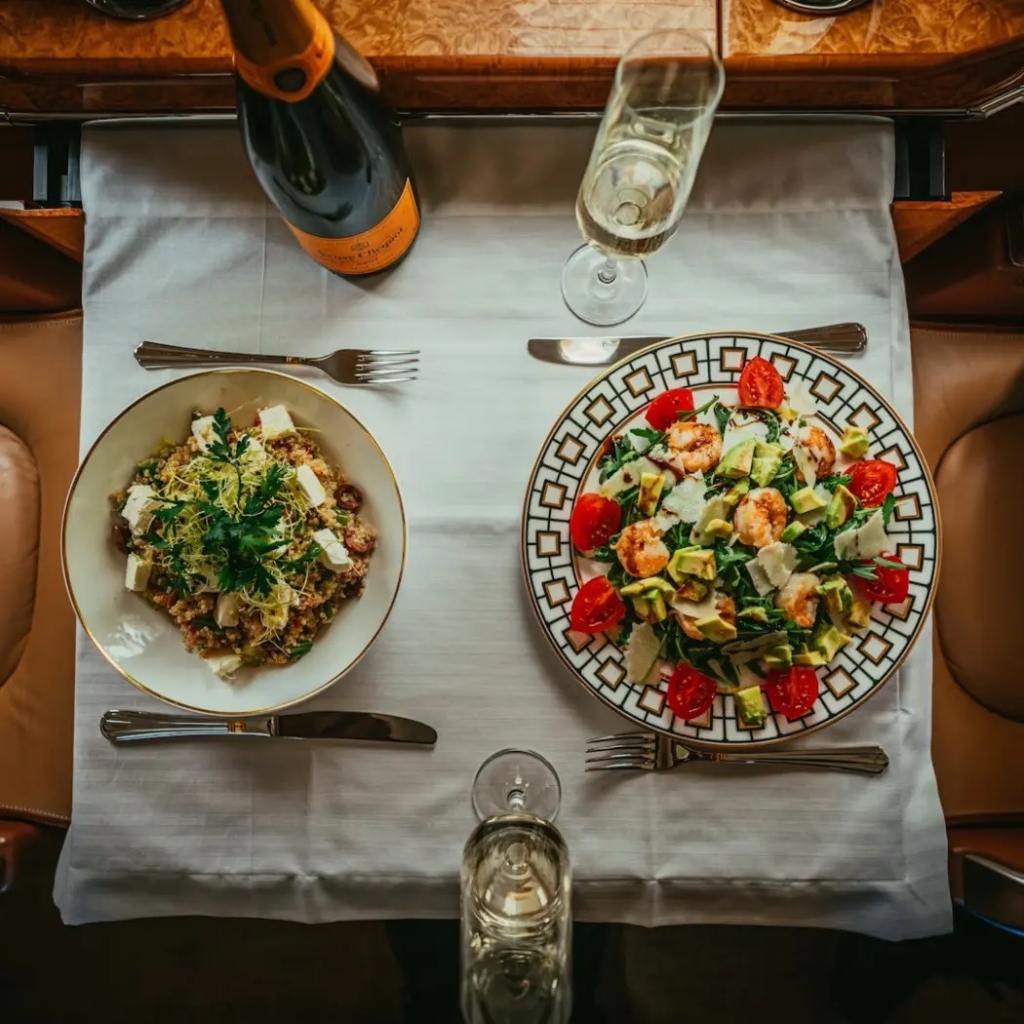
“Since meals are delivered cold and heated onboard, we recommend dishes that reheat cleanly — charcuterie, salads, grain bowls, sandwich trays — and steer away from things like grilled steaks, fried foods, or delicate shellfish, which lose quality through a reheating cycle,” she says, adding, “For special occasions, our team is happy to arrange something more bespoke.”
Occasionally, private jet clients have a specific craving for a local restaurant’s meals.
“This comes up often,” Speno says. “Sometimes a client wants a specific restaurant that isn’t on DoorDash or Uber Eats, so we send our team to procure it directly. Other times, the operator simply doesn’t want to manage the logistics; they have too much on their plate to monitor a delivery driver, navigate them across an FBO property, and confirm with the FBO that the food gets tagged to the right tail and stored properly. Operators often prefer to let SkyDine handle that end-to-end, so it’s one less thing on their day.”
Aircraft type can limit catering menu options
Private jets vary in size and equipment. Some have limited galley space, while others have full meal-preparation capabilities. To meet both food safety and quality standards, the menu must adapt to the aircraft.
“It’s one of the most important variables we plan around,” Bifulco says. “Heavy and ultra-long-range jets have full galleys including ovens, microwaves, and a flight attendant to heat and serve multi-course meals in the air. Super midsize jets generally have heating capability too, though it varies by model.
“Midsize and light jets typically have no onboard heating, so for those flights, we work with the FBO to ensure meals are warmed on the ground before departure. Our Private Clients board to the same quality experience regardless of aircraft size.”
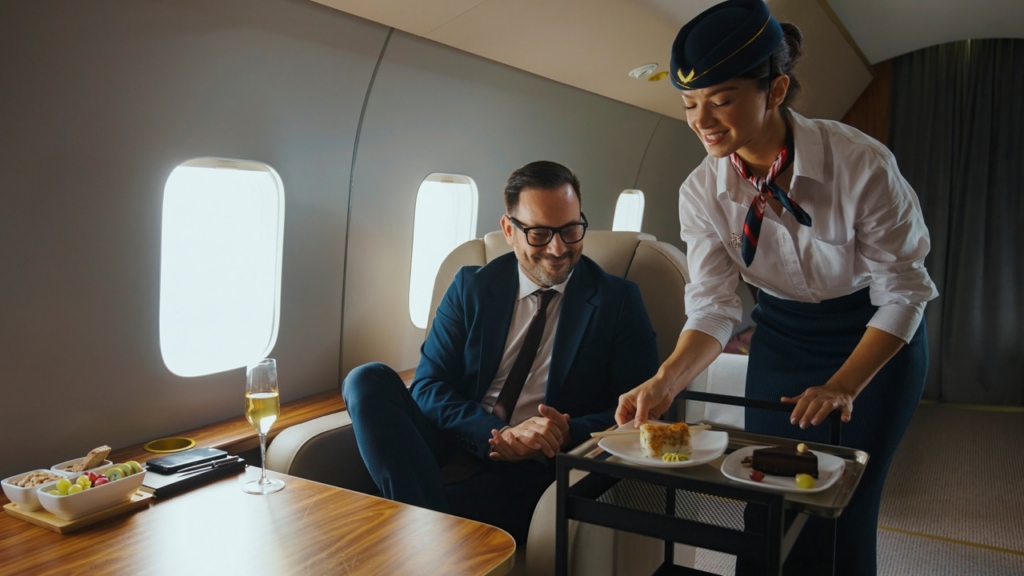
Speno also tells us that aircraft type is a determining factor in the variety of menu options available.
“The aircraft itself plays a major role in what we can offer,” he says. “Heating capability is the biggest factor. Some galleys have ovens, others have only microwaves, and some have no heating element at all. That dictates both how the food is packaged and which menus are realistic for that flight.
“Cooling is just as important. Some aircraft have proper refrigeration, others rely on ice drawers, and a few have minimal cold storage. We package and pre-chill accordingly, factoring in flight duration so that food stays within safe temperature ranges until it’s served.
“Galley space is the other constraint. You can’t add space to an aircraft, so every inch of packaging matters both because it takes up storage room and because trash accumulates throughout the flight. We’re also mindful of how much room the flight attendant has to plate. Some galleys are tight, so we package and portion to make their job as easy as possible.”
On flights with a high number of passengers on board, SkyDine considers the dimensions of galley carts and passenger trays to ensure everything fits, and the meal is enjoyable. “A great meal can fall flat if the passenger can’t comfortably eat it at their seat,” Brody tells us.
Feeding a lot of VIPs in defence roles
In addition to private jets, SkyDine also serves military aircraft. We asked Spano how military catering differs from airline and private jet catering.
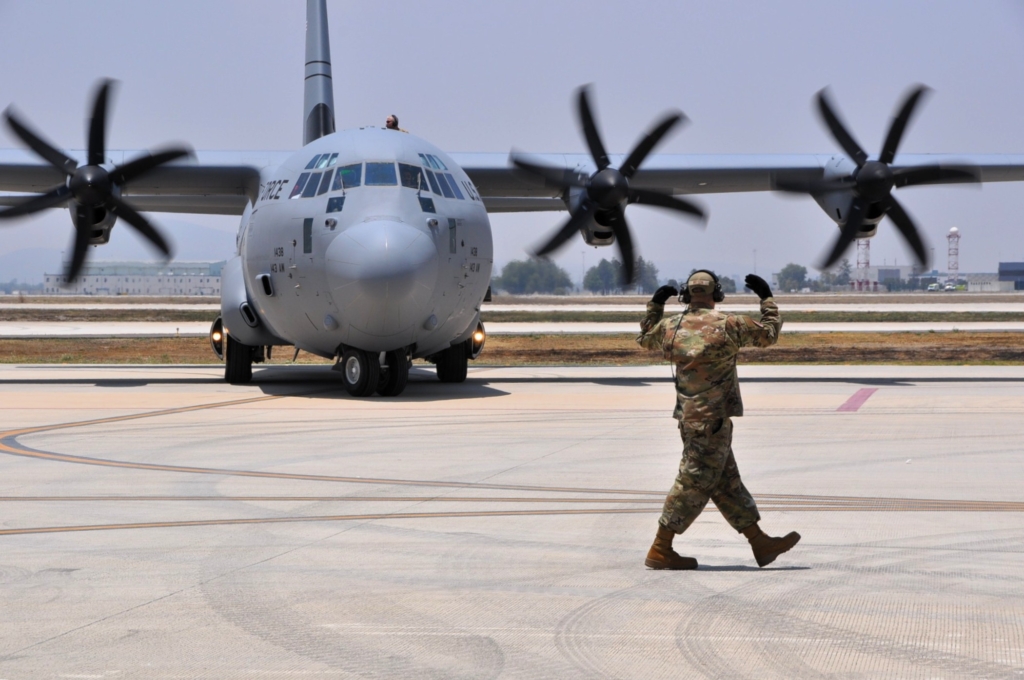
“Military requests generally fall into two buckets: VIP catering for senior government officials and standard crew catering for missions with multiple crew members. The two are quite different,” he said. “VIP catering can often involve dietary or religious accommodations (halal, kosher, allergen-specific), heightened attention to packaging and chain of custody, and presentation standards similar to private jet service.
“Crew catering is more focused on fueling appropriate ratios of carbohydrates, protein, and vegetables to keep crews performing on long missions or extended duty days. For both types of flights, we also include an extra gluten-free, vegan, and vegetarian option as a backup in case any passenger or crew member has a dietary restriction that wasn’t communicated in advance.
“Both face the same aircraft constraints as private jets when it comes to heating and galley space, but military flights almost always have a flight attendant on board, so meals are typically delivered in bulk packaging for the FA to portion and serve.”
Food safety, equipment and logistics drive all aviation catering
While appealing to the appetite of one VIP may be quite different to feeding hundreds of military personnel or airline passengers, they do share common elements.
Food preparation and storage must meet health and safety standards, and menus must be compatible with the equipment available on the aircraft. Meal delivery logistics must still be well-timed and carefully coordinated, whether at the FBO, a military base, or a major hub.
In the air, as on the ground, meals should go beyond providing the body with what it needs—also appealing to the senses, ensuring flyers are satisfied.
Featured Image: SkyDine
Sign up for our newsletter and get our latest content in your inbox.


More from


October 17, 20264 min read