


India will get 3 new domestic airlines as IndiGo crisis reignites duopoly concerns

5 min read
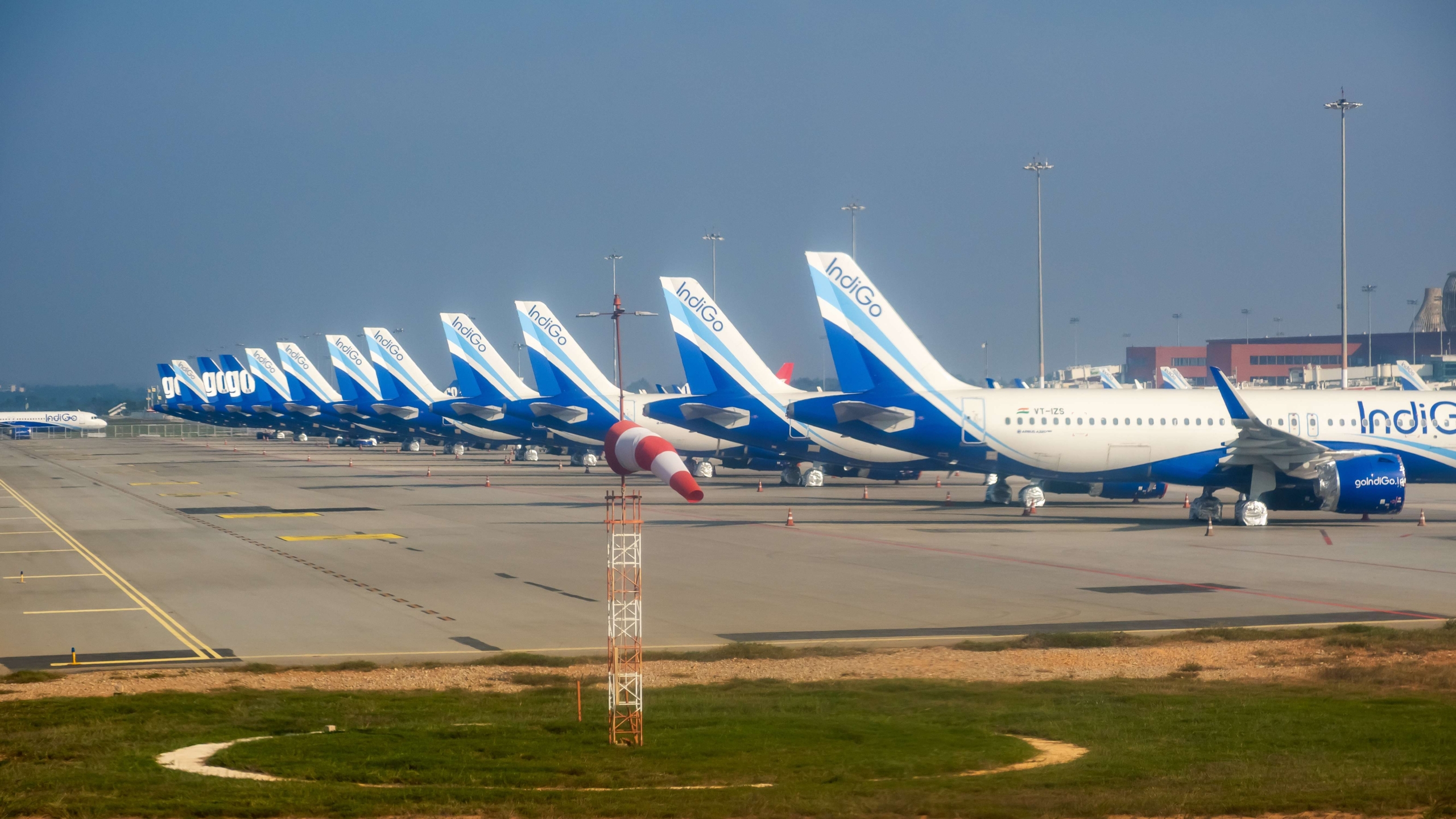
India’s aviation regulator has cleared three new domestic airlines to enter the market, signalling a renewed policy push to widen capacity and reduce dependence on a handful of dominant operators after recent disruptions exposed the fragility of the country’s airline ecosystem.
The Ministry of Civil Aviation has issued no-objection certificates (NOCs) to Shankh Air, alhindair and FlyExpress, allowing them to proceed to the next regulatory stage required before launching commercial flights.
While none of the airlines has yet begun operations, the approvals mark a notable development in a market that has steadily consolidated over the past decade.

Federal Minister of Civil Aviation Ram Mohan Naidu Kinjarapu said in a post on X on December 24 that the government is working to encourage greater competition in the domestic market.
“It has been the endeavour of the ministry to encourage more airlines in Indian aviation, which is amongst the fastest-growing aviation markets in the world,” he said.
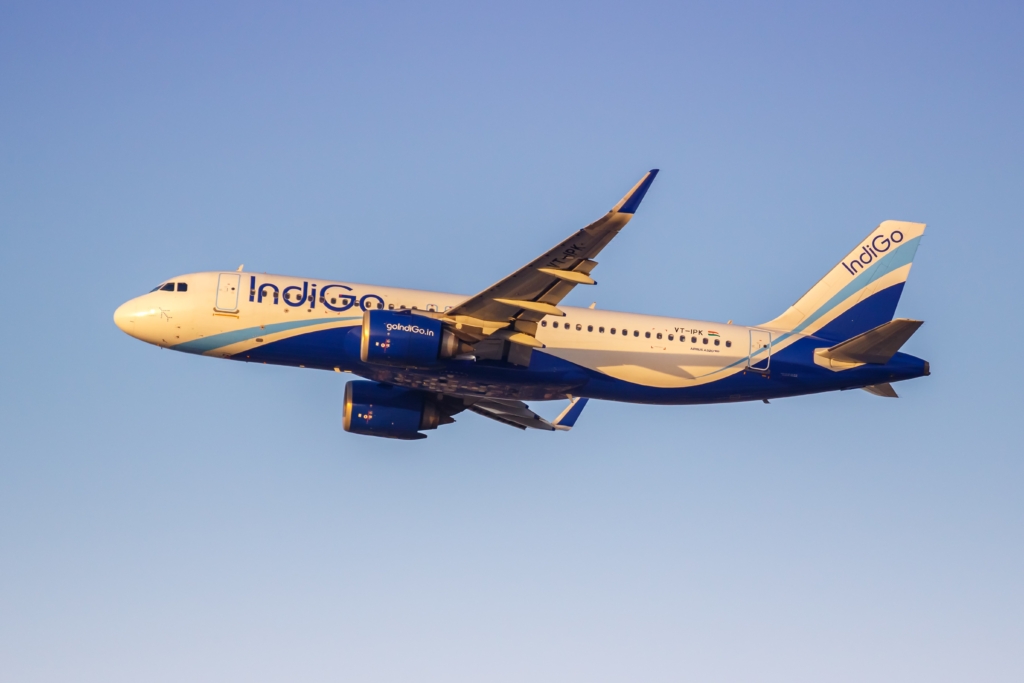
The decision follows a major operational breakdown at IndiGo, India’s largest carrier, which saw thousands of flights cancelled due to staffing and scheduling failures.
The disruption stranded tens of thousands of passengers nationwide and reignited concerns over the risks of excessive market concentration in a country that now ranks among the world’s fastest-growing aviation markets.
IndiGo disruption sharpens duopoly concerns in Indian aviation
IndiGo currently accounts for around 65% of India’s domestic capacity, while the Air India Group controls a further 27%, giving the two airline groups a combined market share of more than 90%. Smaller carriers such as Akasa Air and SpiceJet make up the remainder.
The scale of the IndiGo disruption earlier this month, which saw more than 5,000 cancellations in a single week, underscored the systemic risks of relying heavily on a narrow group of operators.
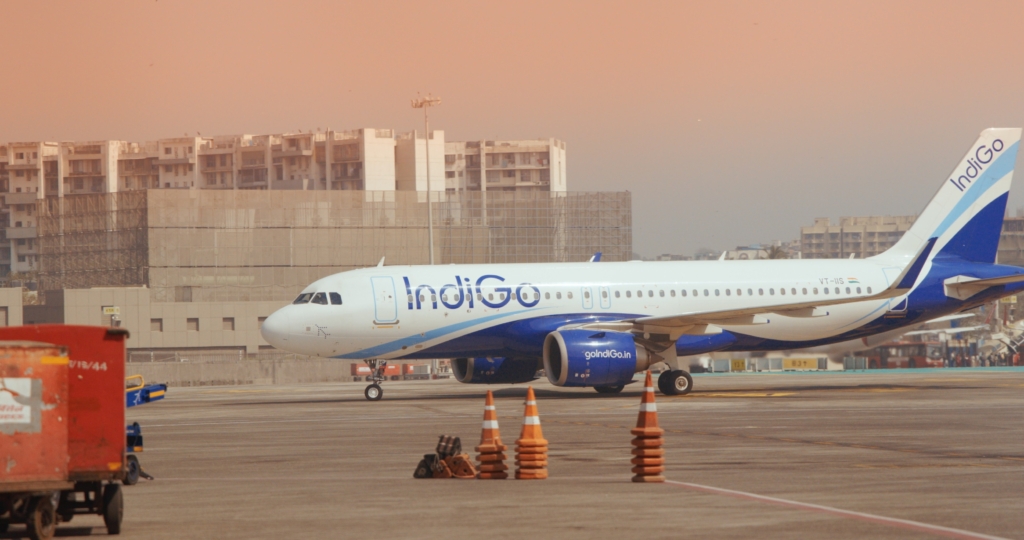
Aviation analysts said the episode highlighted how staffing gaps, fleet constraints or operational missteps at one dominant airline can quickly cascade across the entire network.
Government officials have since acknowledged that greater diversity in airline ownership and operating models is needed to improve resilience, even if new entrants remain small in scale.
What we know about India’s new regional airlines so far
The three newly approved airlines are targeting distinct niches rather than competing head-on with India’s two largest carriers.
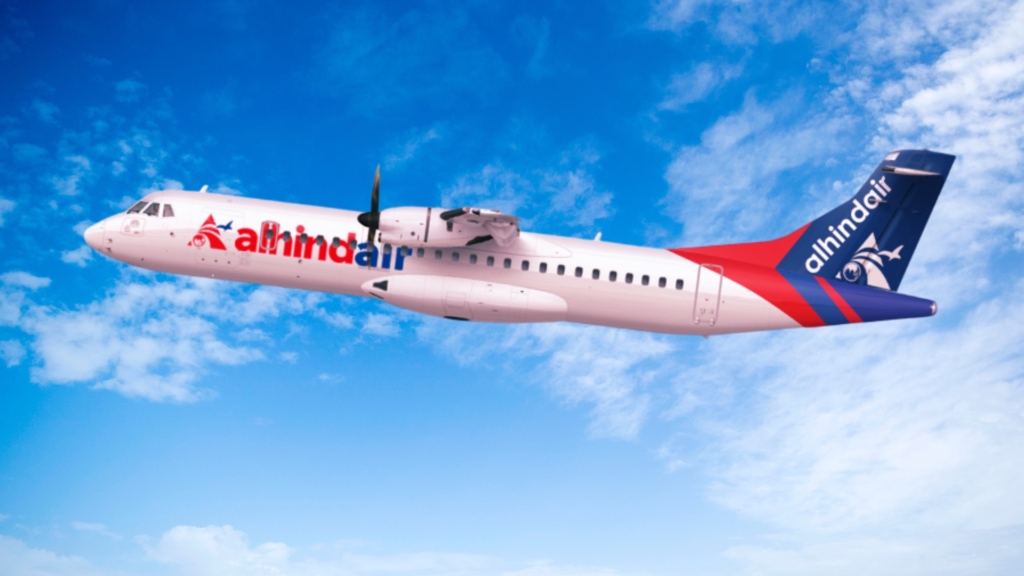
Kerala-based alhindair, part of the Al Hind Group’s travel and tourism business, plans to operate as a regional commuter airline using ATR turboprop aircraft. The carrier intends to focus initially on intra-regional connectivity from the port city of Kochi, serving shorter routes that are often overlooked by larger jet operators.
Shankh Air, promoted by Uttar Pradesh-based entrepreneur Sharvan Kumar Vishwakarma, plans to base its operations at the upcoming Noida International Airport. The airline aims to connect cities across Uttar Pradesh with major domestic hubs, positioning itself as a regional full-service operator with ambitions beyond the state.
FlyExpress, meanwhile, has signalled plans to operate as a low-cost passenger and cargo carrier from central Telangana, though detailed fleet and network plans have yet to be made public. A banner on the airline’s website indicates that operations are “coming soon”.
India’s aviation policy push meets market reality
The approvals reflect a broader effort by the Ministry of Civil Aviation to encourage competition and regional connectivity, particularly through schemes such as UDAN, which subsidise flights to underserved airports.
Minister Ram Mohan Kinjarapu said the ministry has been actively engaging with prospective airlines as part of efforts to expand the domestic aviation base. Since 2020, India has granted permits to six new operators, including several regional carriers.
However, industry veterans caution that regulatory clearance is only the first hurdle in a market that has proven unforgiving to smaller airlines.
Why regional airlines struggle to survive in India
India’s regional aviation segment has seen far more failures than successes.
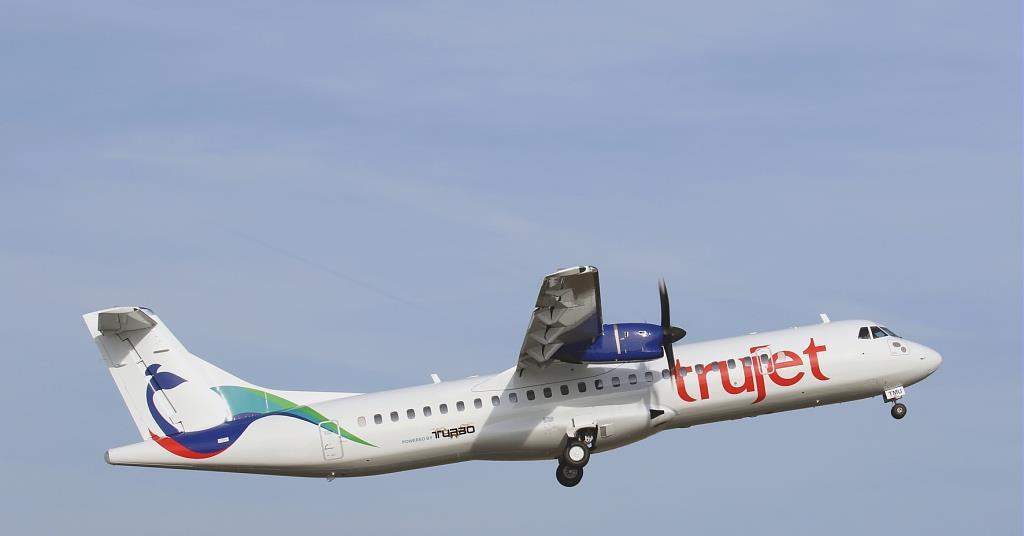
Over the years, carriers such as Paramount Airways, Air Pegasus, TruJet, Zoom Air, Air Carnival, Air Costa, Air Mantra and Air Odisha have all ceased operations. More recently, Fly Big suspended flights in October, citing financial pressures.
Only a handful of regional operators, including Star Air, Fly91 and government-owned Alliance Air, have managed to sustain relatively stable operations.
High operating costs, thin margins, dollar-denominated leases, volatile fuel prices and intense price sensitivity among passengers have made scale and efficiency critical for survival.
Smaller airlines often struggle to secure financing, while demand at regional airports can be seasonal and inconsistent. Compounding the challenge, many regional routes compete directly with faster rail services and improved road infrastructure, limiting pricing power and ancillary revenue opportunities.
Can new airlines reduce concentration in India’s aviation market?
Analysts say the arrival of new airlines is unlikely to materially dent the dominance of IndiGo or the Air India Group in the near term.
Even so, their presence could still deliver strategic benefits by adding redundancy to the system and improving connectivity in specific pockets of the country.
For the new entrants to succeed, experts argue they will need disciplined cost control, a clear regional focus, reliable aircraft induction and strong financial backing. Identifying underserved routes with sustainable demand, rather than chasing scale too quickly, will be critical.
There is also cautious optimism that as India’s middle class grows and air travel becomes more routine, the economics of regional flying could improve. Passenger volumes continue to rise sharply, though most traffic remains concentrated at major metro airports.
What comes next for India’s newly approved airlines
For now, the approvals represent intent rather than outcome. Each airline must still secure aircraft, complete safety audits and obtain an AOC before entering service, a process that has delayed or derailed several aspiring carriers in the past.
Still, the timing of the decision is significant. Coming on the heels of IndiGo’s operational crisis, it suggests policymakers are increasingly aware that market efficiency alone is not enough, and resilience matters too.
Whether these new airlines can translate regulatory permission into sustainable operations will determine whether India’s aviation expansion becomes broader-based or remains dominated by just a few powerful players.
Featured image: SNEHIT PHOTO / stock.adobe.com


