China Southern boosts Airbus with $21.4bn order for 137 A320neos

4 min read
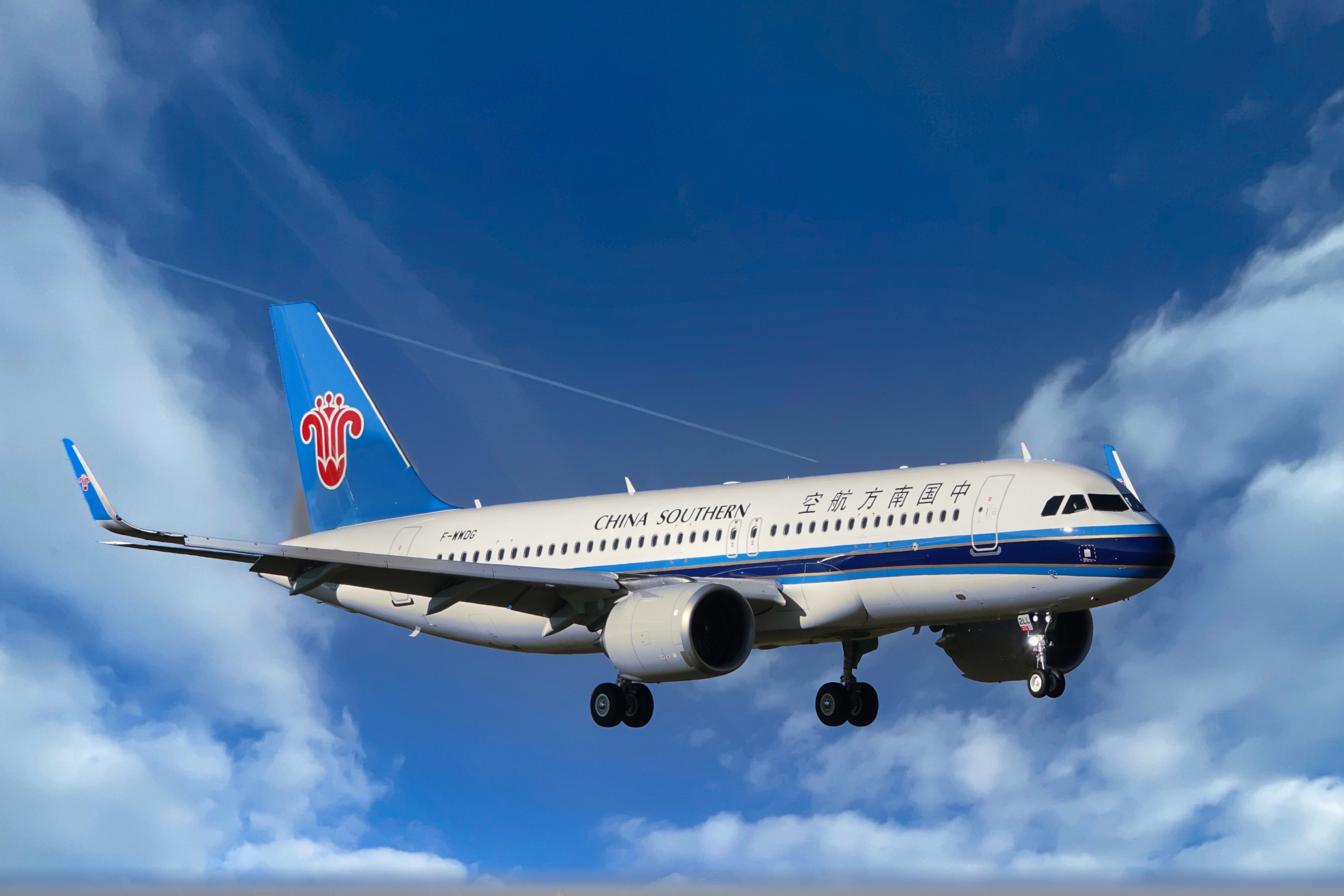
China Southern Airlines has moved to significantly expand its narrowbody fleet, placing an order for 102 Airbus A320neo-family aircraft, alongside a further 35 aircraft for its subsidiary Xiamen Airlines, according to a filing to the Shanghai Stock Exchange on April 29.
The order, valued at $15.8 billion for China Southern and $5.6 billion for Xiamen Airlines at list prices, underscores a renewed push by Chinese carriers to build capacity as demand stabilises and long-term growth planning resumes.
Deliveries are scheduled between 2028 and 2032 for the mainline carrier, and between 2029 and 2032 for the subsidiary.
China Southern A320neo order supports domestic and regional network expansion
The scale of the order points to China Southern’s continued reliance on the A320neo family as the backbone of its short- and medium-haul operations. The aircraft are expected to support expansion across high-density domestic routes as well as regional services within Asia.
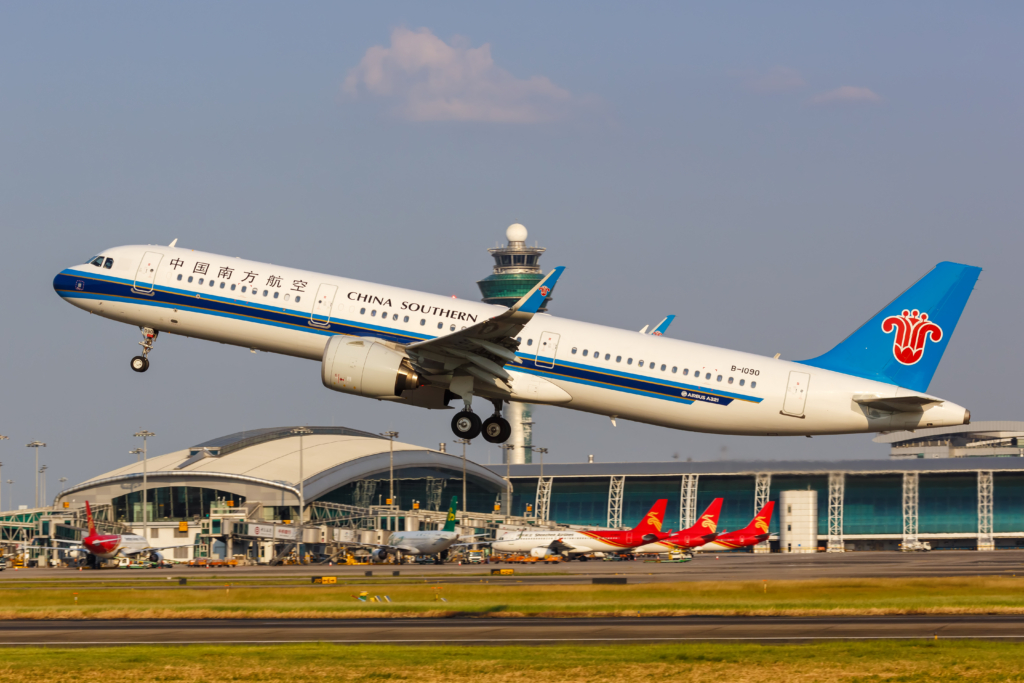
In its stock exchange filing, the Guangzhou-based airline said the acquisition would enable it to “seize development opportunities and optimise fleet structure,” with specific emphasis on strengthening operations in major economic clusters including the Guangdong–Hong Kong–Macao Greater Bay Area and the Beijing–Tianjin–Hebei region.
These regions are among China’s most important aviation markets, characterised by high passenger volumes and sustained infrastructure investment.
The additional capacity is expected to support both frequency increases and network densification in these corridors.
China Southern A320neo fleet underpins capacity growth and operational efficiency
China Southern already operates a substantial fleet of A320-family aircraft, reflecting a long-term shift towards Airbus narrowbody platforms.
Fleet data shows the airline has 338 aircraft in service across the A319neo, A320neo and A321neo variants, many of them powered by CFM International Leap-1A engines.
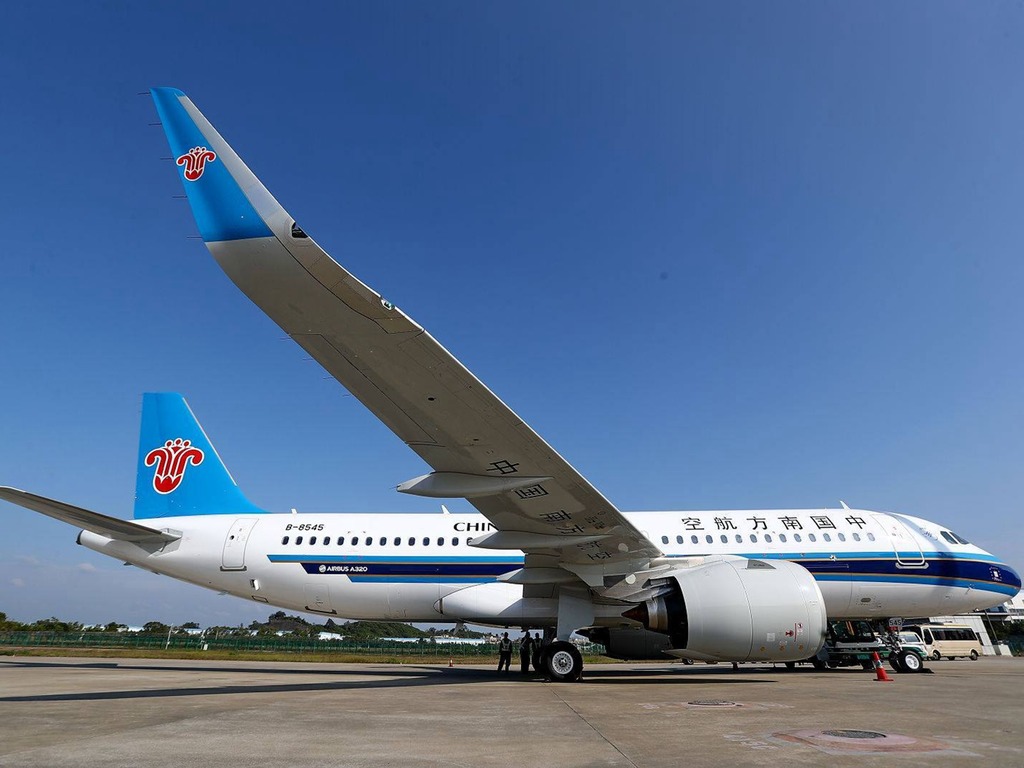
This existing fleet provides a foundation for the new order, allowing for operational commonality, simplified maintenance and crew training efficiencies.
The additional aircraft will further standardise the airline’s narrowbody operations while supporting fleet renewal and replacement cycles.
The A320neo family, which incorporates new-generation engines and aerodynamic improvements, has become a central element of airline fleet strategies globally, particularly for carriers seeking to reduce operating costs and improve fuel efficiency on high-frequency routes.
Xiamen Airlines expands Airbus narrowbody fleet under China Southern strategy
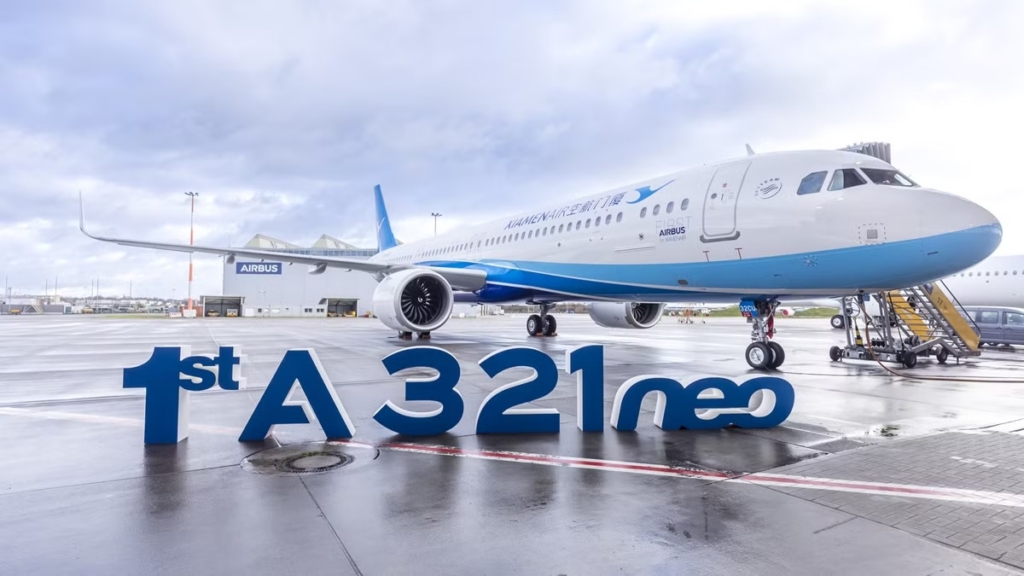
The inclusion of 35 aircraft for Xiamen Airlines reflects a broader shift within the China Southern group’s fleet strategy. Traditionally a Boeing operator, Xiamen Airlines has been gradually introducing Airbus aircraft into its fleet, particularly following disruptions linked to the Boeing 737 MAX programme.
The airline currently operates A321neo and A320neo aircraft and has an existing backlog of A320-family jets. The new order reinforces its transition towards a more balanced fleet mix, aligned with group-level planning and operational flexibility.
This shift also highlights a wider trend within the Chinese aviation sector, where airlines are increasingly diversifying their fleets to mitigate supply risks and align with evolving procurement strategies.
China Southern’s announcement comes amid a series of aircraft orders by Chinese airlines, signalling a broader recovery and expansion phase in the sector. Recent months have seen large A320neo-family commitments across the market, alongside additional widebody orders, as airlines position themselves for long-term capacity requirements.
The coordinated timing of these orders points to a sector-wide recalibration following pandemic-era disruptions.
Airbus strengthens China market position as competition with Boeing intensifies
For Airbus, the order reinforces its position in the Chinese aviation market, where it currently holds a larger aircraft backlog than Boeing. Prior to this deal, Airbus had 486 aircraft on order from Chinese customers, compared to Boeing’s 331.
The continued preference for Airbus narrowbody aircraft reflects both product positioning and broader geopolitical and industrial factors shaping procurement decisions.
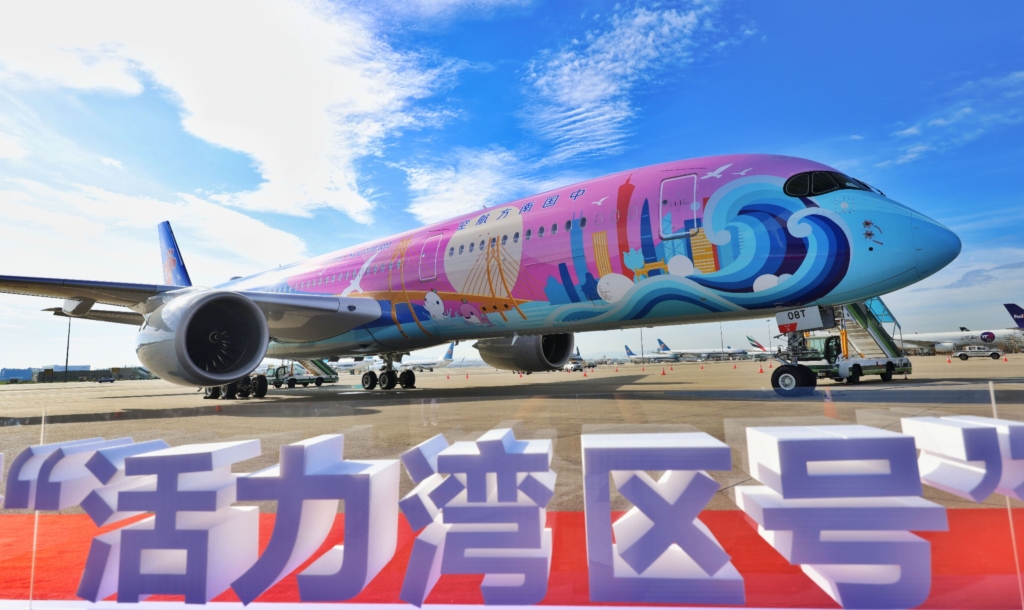
The A320neo family’s performance characteristics, combined with delivery availability, have contributed to its strong uptake among Chinese carriers.
China remains Airbus’ largest single-country market, with thousands of aircraft already in service across the country’s airlines. The latest order further consolidates that position at a time when competition between global manufacturers remains closely watched.
China Southern A320neo order signals long-term fleet and network strategy
The A320neo order reflects China Southern’s shift from short-term recovery to long-term network planning, supported by improving financial performance and returning profitability in 2026.
By securing delivery slots into the next decade, the airline is positioning itself to meet sustained demand across China’s domestic and regional markets. The focus on narrowbody aircraft aligns with structural trends in the Chinese aviation sector, where high-frequency domestic travel continues to dominate.
Alongside a diversified fleet strategy that includes Airbus, Boeing and the Comac C919, the order underlines a broader push to balance capacity growth with operational resilience in an evolving global supply environment.
Featured image: franz massard / stock.adobe.com