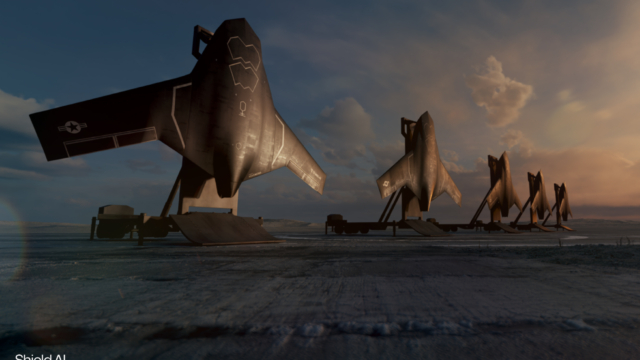
US Space Force advances space-based target tracking with major budget boost

4 min read
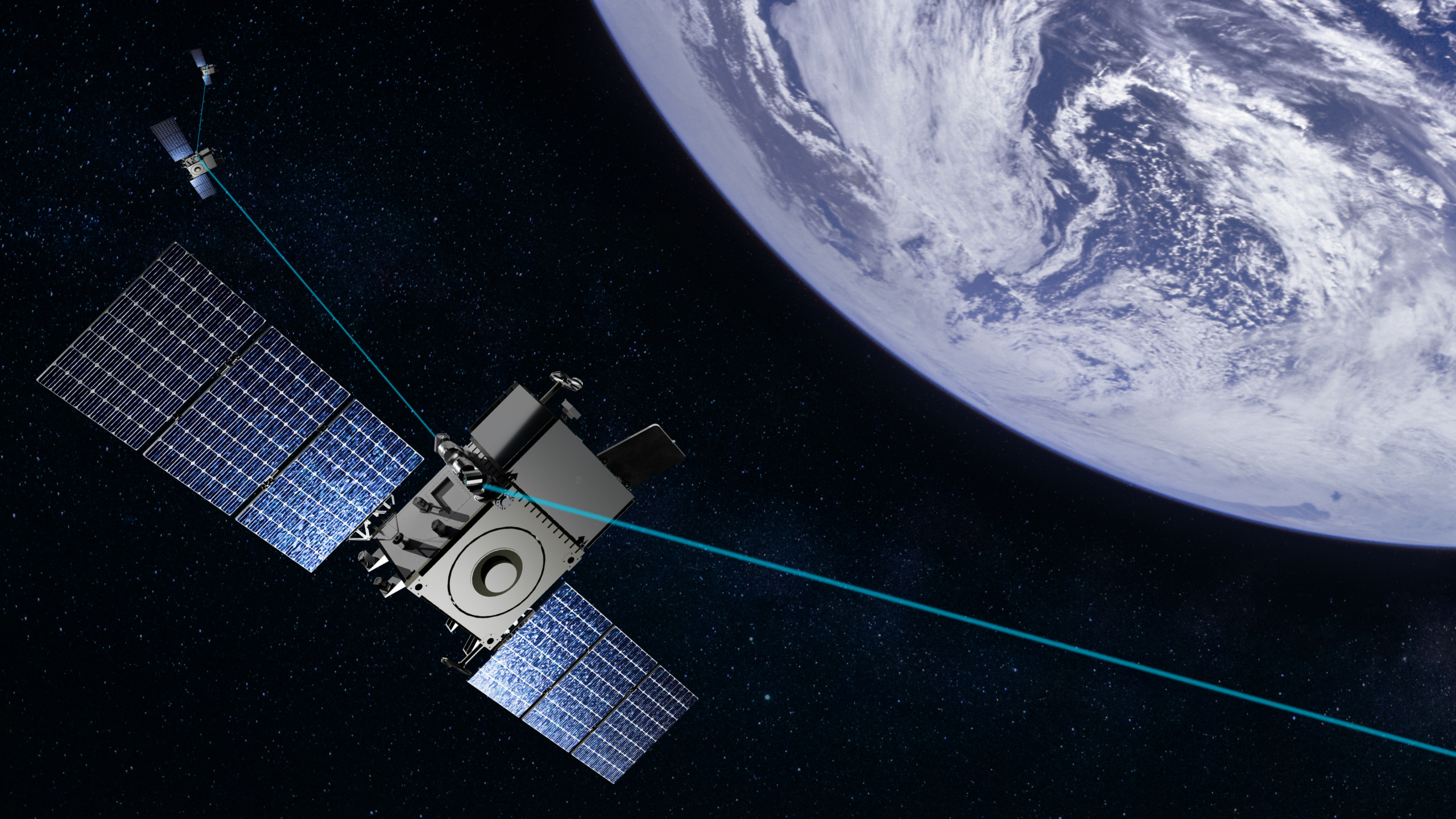
The US Space Force is preparing to track moving targets in the air and on the ground from orbit, a mission long handled by aircraft. The mission is backed by a sharp rise in funding and a new generation of satellite systems.
The move, outlined in official statements and reflected in the fiscal 2027 Presidential Budget Request, signals a broader change in how the military plans to monitor the battlespace, particularly in environments where traditional surveillance aircraft face increasing risk.
US Space Force shifts from aircraft to space-based moving target tracking
For decades, moving target tracking has relied on airborne platforms operating within or near contested airspace. Those platforms are now facing rising risks from advanced air defence systems and long-range weapons.
“Deploying these traditional sensing aircraft into highly contested environments is becoming increasingly unviable,” Space Systems Command said, underlining the operational drivers behind the shift.
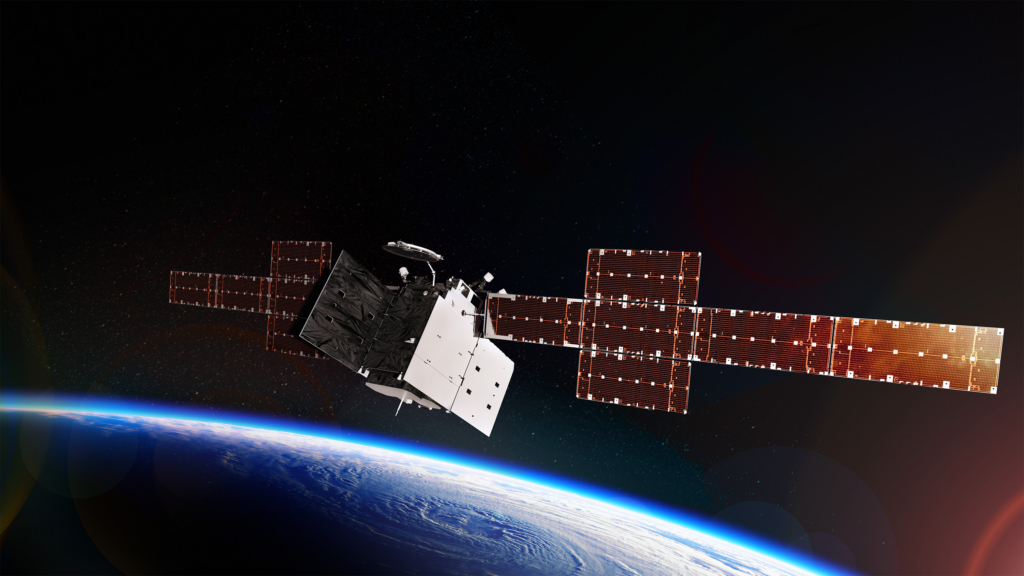
Space-based sensing offers an alternative. Satellites can provide wider coverage and remain outside the reach of many threats, allowing for persistent surveillance without placing crews or aircraft at risk.
SB-AMTI programme aims to track airborne targets from orbit
At the centre of the effort is the Space-Based Airborne Moving Target Indicator (SB-AMTI) programme.
The system is designed to track airborne threats, including aircraft and cruise missiles, from space, providing continuous coverage regardless of conditions in contested airspace.
“Our mission is to deliver a resilient sensing layer that ensures our joint warfighters maintain a decisive information advantage in the air domain,” said Col. Ryan Frazier, Portfolio Acquisition Executive for Space-Based Sensing and Targeting.
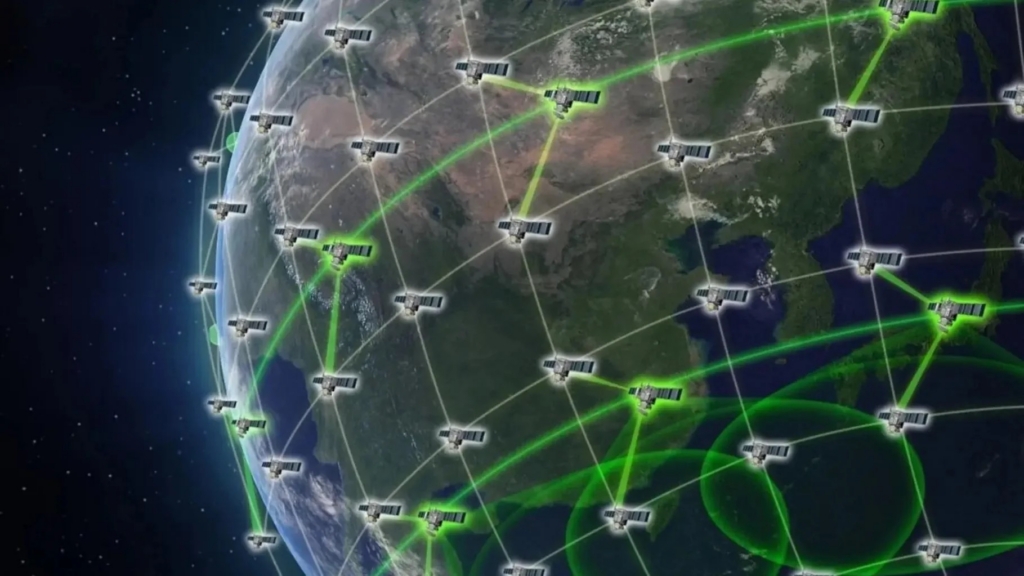
Unlike traditional systems, SB-AMTI is not a single satellite. It is a “system of systems” combining multiple satellites, ground processing, communications networks and data analysis tools.
The goal is persistent tracking with minimal gaps.
Space Force budget boosts AMTI and GMTI tracking programmes
The fiscal 2027 budget request highlights the scale of the effort.
Funding for Ground Moving Target Indication (GMTI) is set to increase significantly, while a new allocation of around $7 billion has been proposed for Air Moving Target Indication (AMTI).
Overall, the Space Force budget request stands at more than $70 billion, more than doubling the previous year’s level and signalling a major expansion in capability.
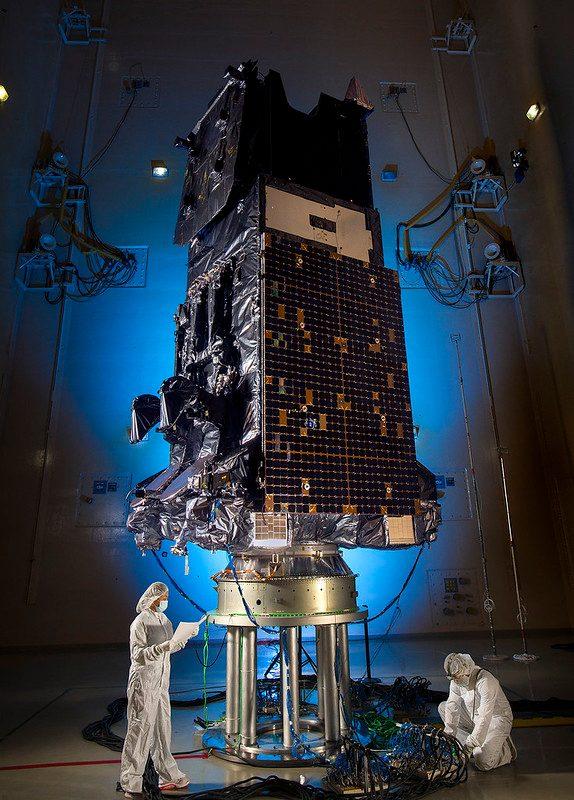
The funding also includes increases in space domain awareness, missile warning systems and launch infrastructure, indicating a broader push to strengthen space-based capabilities across multiple mission areas.
Objective Force 2040 positions space as central to future military operations
The move aligns with the Space Force’s long-term planning under the Objective Force 2040 framework.
The strategy describes space as a core operational domain rather than a supporting function, with future missions expected to rely heavily on satellite-based sensing and data.
“Space has become the fundamental backbone of both national security and economic prosperity,” the framework notes, highlighting the increasing dependence on space systems.
Within that vision, moving target tracking from orbit is seen as a key capability for maintaining operational advantage.
US Space Force adopts multi-vendor approach to accelerate SB-AMTI delivery
To deliver these capabilities, the Space Force is adopting a multi-vendor acquisition model.
The approach brings together a range of companies from established defence contractors to newer commercial space firms to develop different parts of the system.
“By utilising this multi-vendor framework, we are capitalising on established industry capacity to field these essential capabilities at speed and scale,” Frazier said.
Officials say the model is intended to speed up development while ensuring a competitive industrial base.
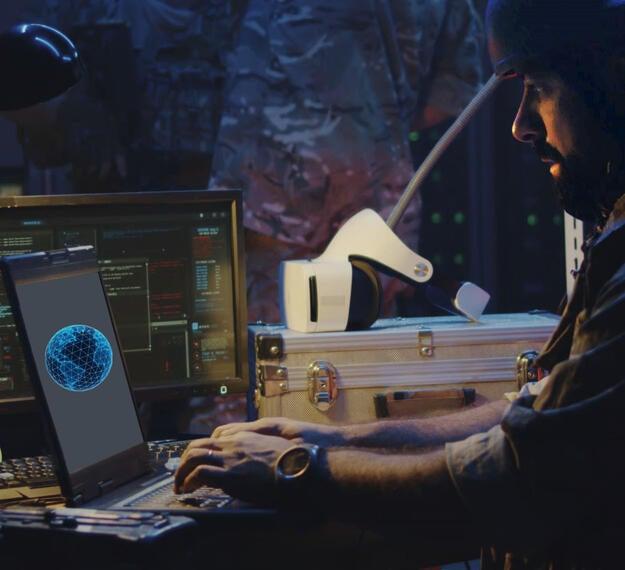
Officials have indicated that the core technology for space-based tracking is now feasible.
Air Force Secretary Troy Meink has described space-based AMTI as grounded in demonstrated technologies, shifting attention to cost, scalability and integration.
Challenges remain, particularly in tracking fast-moving airborne targets from orbit and managing large volumes of data.
The systems will also need to integrate with existing military networks and operate reliably across global theatres.
Space-based tracking expands Space Force role beyond traditional missions
The move into moving target tracking represents a significant expansion of the Space Force’s role.
Traditionally focused on missile warning, communications and navigation, the service is now taking on missions that directly support real-time battlefield operations.
The shift reflects a broader trend in military strategy, where space-based systems are becoming central to sensing, targeting and decision-making.
With funding proposed and programmes underway, the transition from aircraft-based surveillance to orbital tracking is moving from concept to implementation.
Featured image: US Space Force