


Ukraine improves Shahed drone tracking to boost air defence effectiveness

3 min read
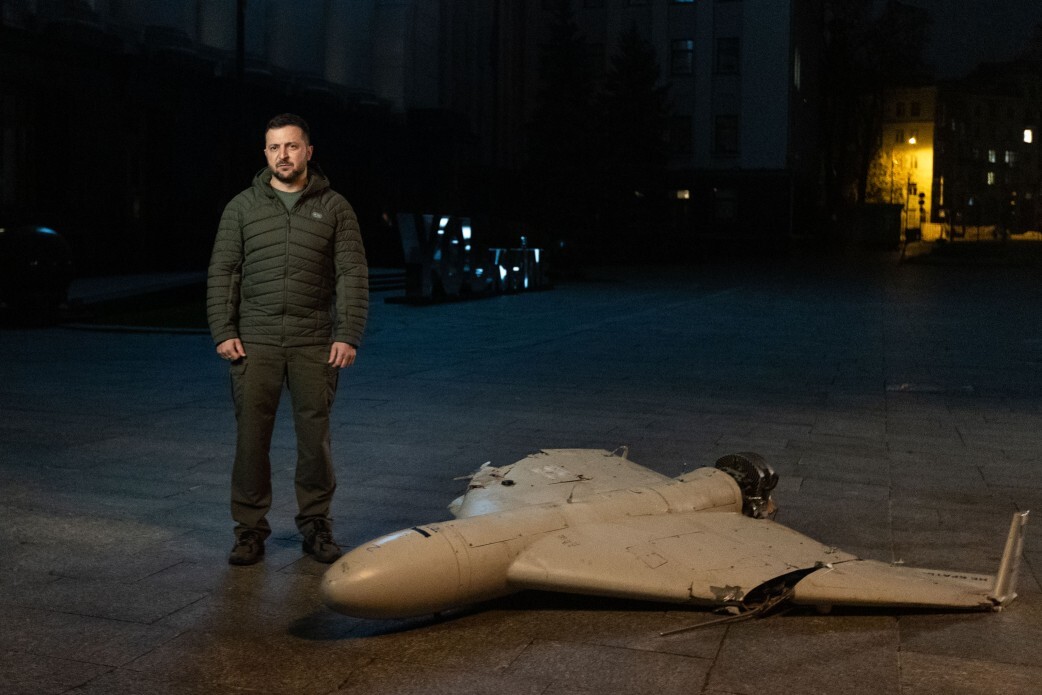
Ukraine’s Deputy Commander, Pavlo Yelizarov, has said in an interview with Ukrainska Pravda that Ukraine has changed its approach to tracking and accounting for Russian Shahed-type one-way attack drones.
Better accounting for Russian Shahed-type drones
Yelizarov stated in the interview, “We changed the whole concept of how to view Shaheds passing through.”
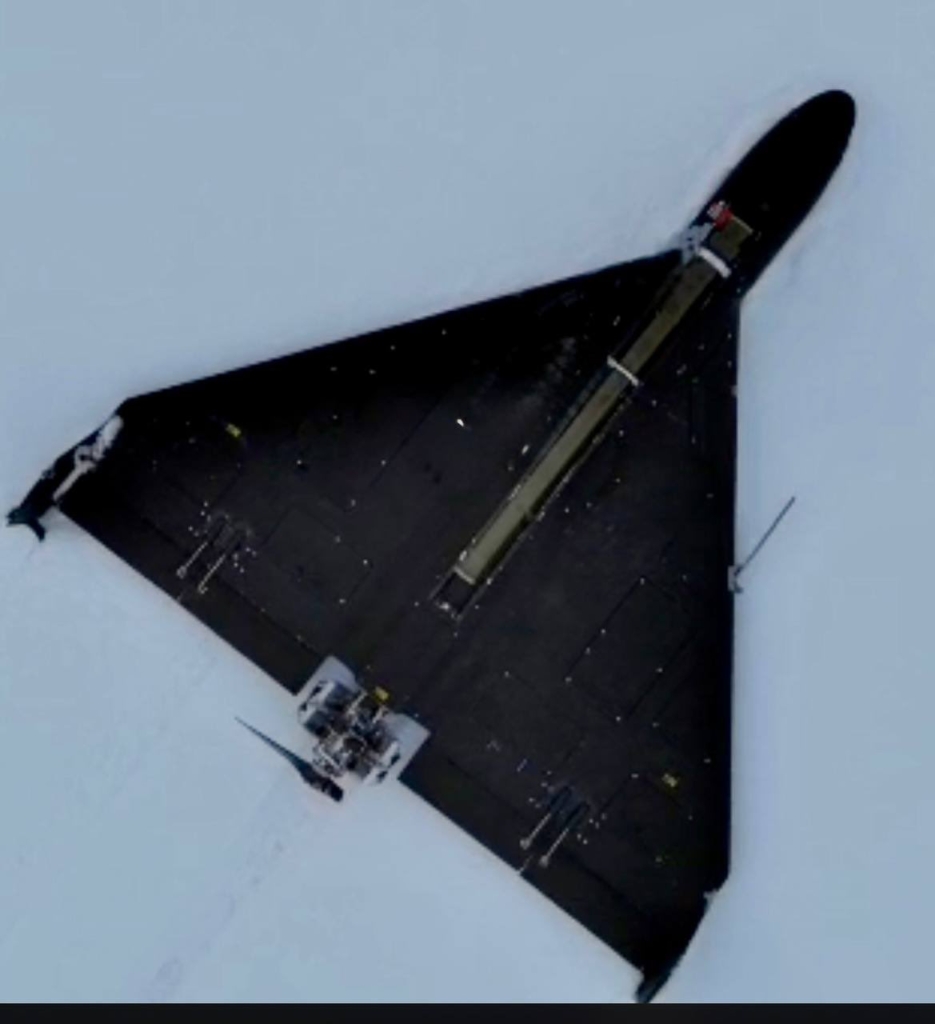
He elaborated, “Before, regions thought: if a drone passed by and didn’t hit us — ‘thank God, no one will blame us in the morning’.” Previously, the drones would effectively “drop out” of the statistics as they did not strike a specific region.
Now, Yelizarov explains the logic as “Now the model is different: Shaheds entered and exited. If they exited—that is bad. Why did they exit? So now there is control: how many entered, how many exited.”
Accounting for drones that escaped a region’s air defence and flew to another may seem obvious to outsiders.
However, militaries are extraordinarily complex bureaucratic machines that inadvertently create numerous incentives for regional commanders that may be detrimental to overall defence. This is not a Ukrainian problem; it’s a bureaucratic problem as old as bureaucracies.
🚀 Epic! Ukraine’s air defense takes down a “Shahed” over Dnipro
— NEXTA (@nexta_tv) September 20, 2025
An explosion in the sky, followed by cheers and applause from witnesses. pic.twitter.com/1YQjsmVaTQ
Under the new model, Ukraine is moving toward complete tracking of enemy drone movements across regions.
This is also enabling a more accurate assessment of the country’s air defence effectiveness by building a better picture and better positioning its air defence assets.
Get the latest aerospace defence news here on AGN.
Short-ranged missiles remain central despite the rise of interceptor drones
Reports have emerged that interceptor drones now account for as much as 60% of Russian drone shootdowns and that some of these interceptors only cost around $2,500 per unit.
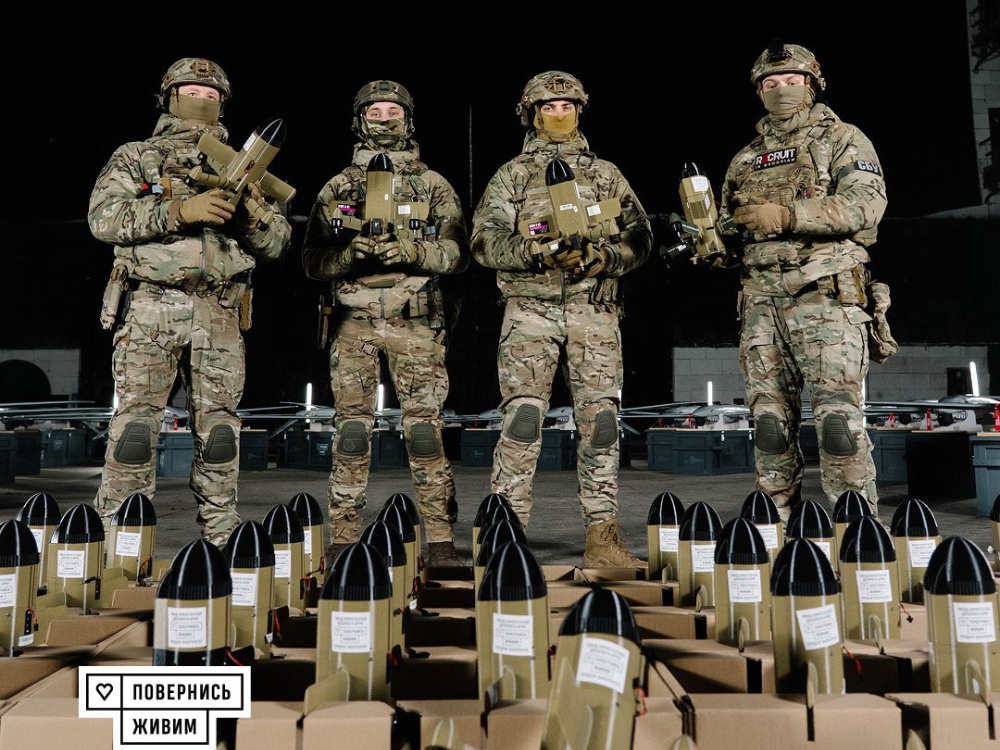
The interceptors have proven so successful that Gulf states and European countries are engaging with Ukraine to incorporate them into their own defence. However, the interview with Yelizarov did offer a bit of a reality check.
When asked, “Is the main weapon against Shaheds now our interceptor drones?” He responded, “If you ask me personally, I believe more in short-range missiles, even though I myself come from the drone field.”
He rejected the notion that there was a single universal solution and stated the need for interceptor drones and mobile fire groups. But for these to work effectively, they need radars (otherwise, interceptor drones will not work), drone quality, and pilot training.
Yelizarov also noted that interceptor drones now reach speeds of up to 700 km/h and are “evolving as fast as the drones attacking us, effectively becoming cruise missiles in their characteristics.”
Ukraine now attaching interceptor drones to aircraft
In yet another development, the famous Antonov An-28 that sports the kill marks of over 150 Russian Shahed-type drones has now been filmed carrying interceptor drones.
⚡️The legendary civilian Ukrainian An-28, modified into a “Shahed hunter” with over 150 confirmed kills, has now been adapted to launch interceptor drones in flight. pic.twitter.com/aAv3by9gLA
— Special Kherson Cat 🐈🇺🇦 (@bayraktar_1love) April 23, 2026
Previously, interceptor Wild Hornets-type drones had been seen launched by soldiers on the ground. Launching them from aircraft likely increases their range, while also blurring the line with combat aircraft carrying air-to-air missiles/rockets.
OSINT account Special Kherson Cat posted, “The legendary civilian Ukrainian An-28, modified into a ‘Shahed hunter’ with over 150 confirmed kills, has now been adapted to launch interceptor drones in flight.”
Interception of a Russian Shahed drone using a minigun mounted on a modified An-28 civilian aircraft. https://t.co/t04OiT6KsT pic.twitter.com/Xw1SqWDQiJ
— Special Kherson Cat 🐈🇺🇦 (@bayraktar_1love) February 26, 2026
There is dramatic footage online showing the An-28 shooting down Shahed-type drones with its mounted minigun.
Featured Image: Office of the President


