RAF grounds Hawk T1 and T2 fleets after trainer crash in Wales

4 min read
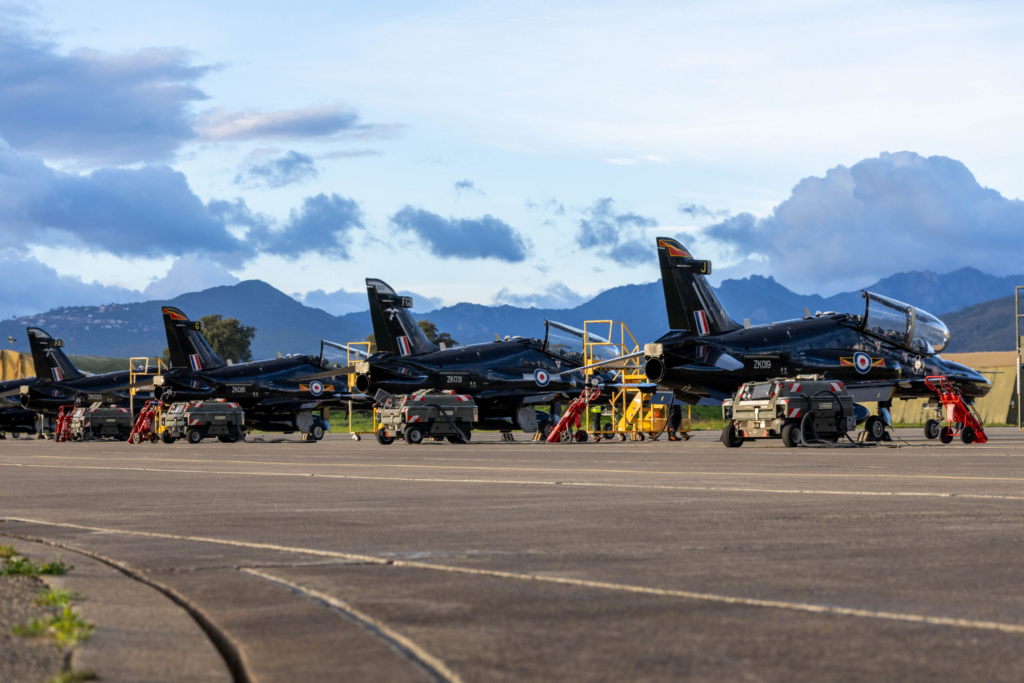
The Royal Air Force has temporarily halted all Hawk T1 and T2 flying as a precaution after a Hawk T2 crashed shortly after take-off from RAF Valley in North Wales on Wednesday, adding fresh pressure to a fast-jet training fleet already facing availability problems.
Both crew members ejected from the two-seat trainer before it crashed near Pencarnisiog on Anglesey on September 23. North Wales Police said the two pilots were being treated for what were believed to be minor injuries, with no reports of wider injuries or damage.
“Following an incident involving an RAF Hawk T2 aircraft today, both pilots are receiving medical treatment. Their families are being supported,” the RAF said soon after the crash.
“The RAF has decided to temporarily pause Hawk T1 and T2 operations, as a precautionary measure, whilst investigations are ongoing.”
An update on today's incident involving an RAF Hawk T2 aircraft. Thank you for the well wishes to our people. pic.twitter.com/GLuWU9LfoN
— Royal Air Force (@RoyalAirForce) September 23, 2026
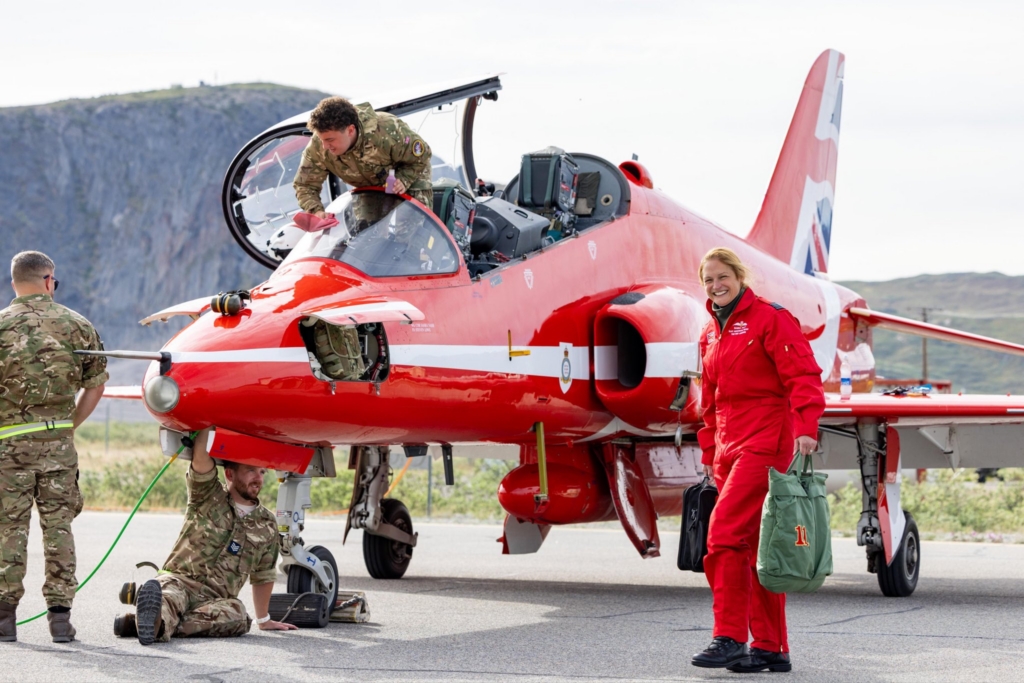
The decision extends beyond the Hawk T2 training fleet at RAF Valley. It also covers the older Hawk T1 aircraft operated by the Red Arrows, potentially affecting the aerobatic team’s remaining appearances this season.
The BBC reported that the team was due to fly next at the Le Touquet Airshow in France this weekend.
The cause of the accident has not been established.
ADS Advance reported the crash shortly after the incident on Wednesday, when images and video circulating online appeared to show both crew members ejecting before the aircraft hit the ground.
Hawk is central to RAF fast-jet training
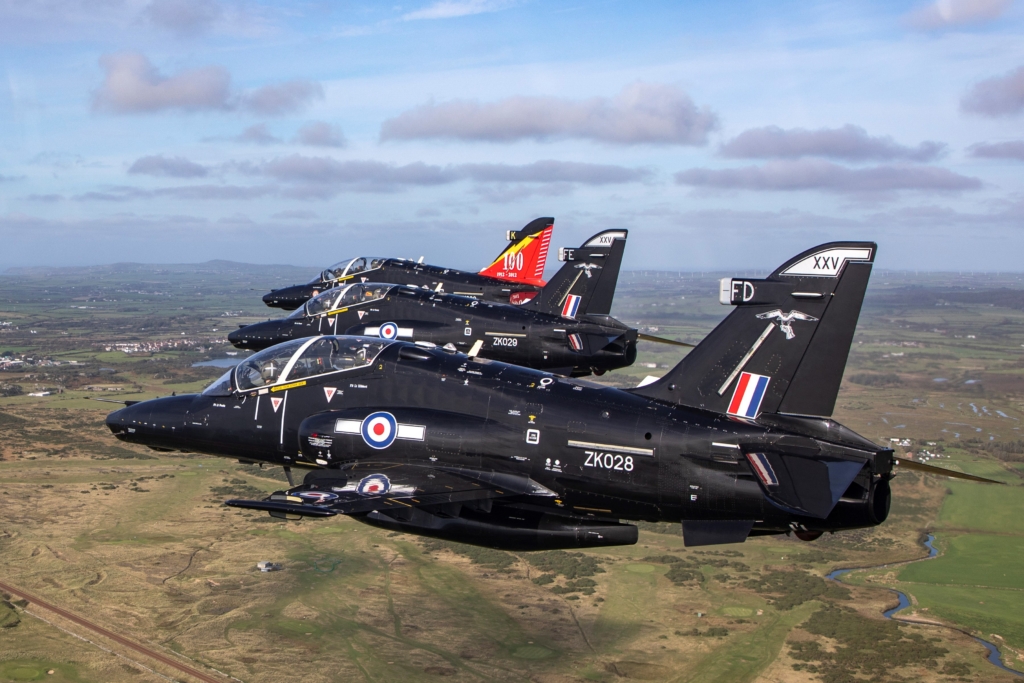
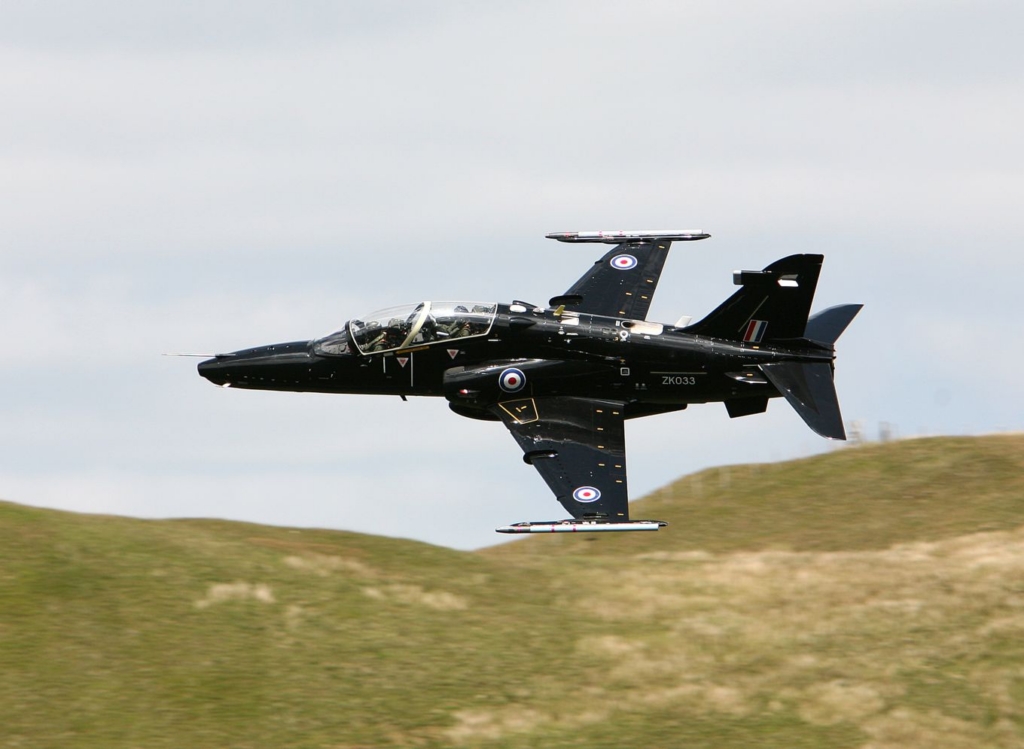
The Hawk T2, also known as the Hawk 128, occupies a critical position in the RAF training pipeline. Pilots use the aircraft for advanced fast-jet training before moving on to frontline combat aircraft.
The transonic, two-seat trainer has a glass cockpit and controls designed to familiarise pilots with aircraft such as the Eurofighter Typhoon. The RAF describes the Hawk T2 as the platform on which its most advanced fast-jet training is conducted.
Its systems allow pilots to practise missions that would otherwise require more expensive frontline aircraft.
A data link provides synthetic radar information for intercept training and allows pilots to track other Hawk T2s. The aircraft can also simulate electronic warfare threats, including surface-to-air missiles.
The Hawk T2 is based at RAF Valley and operated by IV Squadron and XXV (F) Squadron.
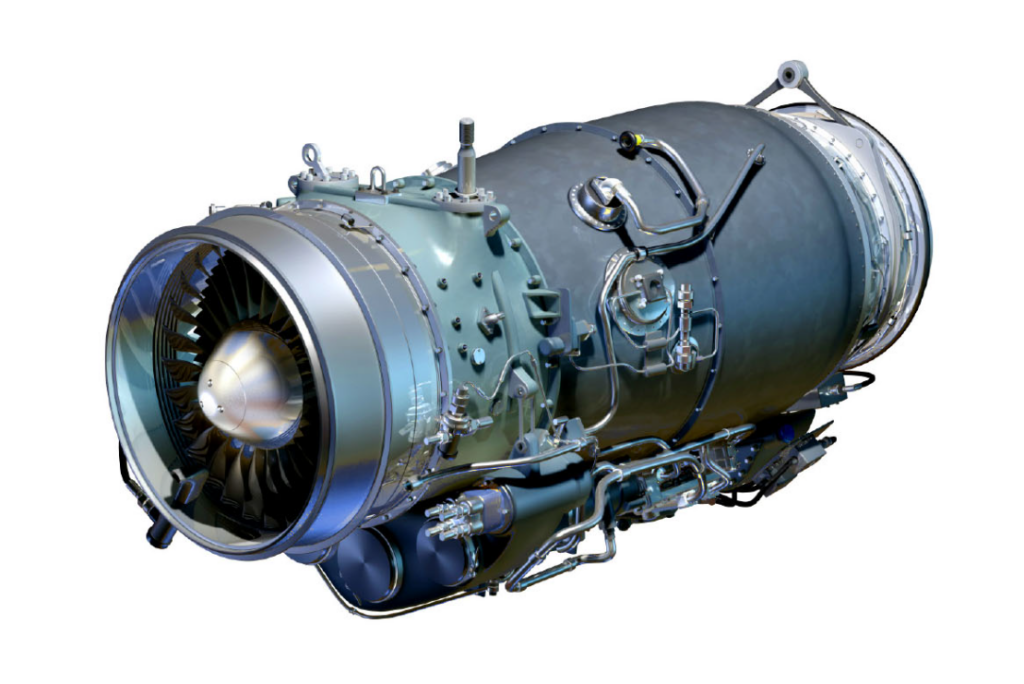
The aircraft is powered by the Rolls-Royce/Safran Adour 951 turbofan and can reach 555 kt and an altitude of 42,000 ft, according to the RAF.
The Hawk family has been at the centre of RAF fast-jet training for half a century.
The original Hawk first flew in 1974 and entered RAF training service in 1976. The T2 brought a modern glass cockpit and more advanced avionics to prepare pilots for newer combat aircraft. It became fully operational in the advanced fast-jet training role in 2009.
Engine problems have already hit Hawk availability
The latest grounding comes after several years of problems with the Hawk T2 fleet.
A fault was identified in 2022 in the low-pressure compressor section of the Adour 951 engine. The Ministry of Defence said at the time that some engines were temporarily removed from service while the problem was investigated.
The issue significantly reduced aircraft availability. Evidence submitted by BAE Systems to Parliament said the planned design life of the engine was reduced from 4,000 to 1,700 hours following the discovery of technical problems in the low-pressure compressor.
The result was an average of only eight serviceable aircraft being available each day during the 2022-23 financial year. Forecast flying hours fell to around 3,700, about half the contracted level.
By March 2024, 16 Hawk T2s were unavailable for fast-jet training, according to an answer given to Parliament. The UK mitigated the disruption partly by sending pilots overseas for training.
The Ministry of Defence told Parliament last December that fast-jet training had been outsourced to partners including the United States, Italy and Qatar while work continued to improve resilience in the UK training system.
Replacement programme already under way
The accident also comes just weeks after the UK formally started market engagement for the aircraft that will eventually replace the Hawk.
The Ministry of Defence issued a request for information for its Jet Training System on August 6. The programme is intended to introduce a modern fast-jet training system while also providing a future replacement for the Red Arrows’ Hawk T1s.
The government has allocated £860 million to maintain safe operation of the Hawk T1 and T2 until the Jet Training System arrives. The Ministry of Defence said in July that the new system will replace the Hawk T2 because the aircraft no longer meets future training requirements. It is also intended to provide a successor for the Red Arrows’ Hawk T1, which is due to leave service in March 2030.
The T2 had previously been expected to remain in service much longer, but the government is now seeking an earlier transition to a new training system.
Following the crash, the immediate impact will depend on how long the precautionary flying pause lasts. The RAF has not given a timetable for returning either Hawk variant to the air and said investigations into Wednesday’s accident are continuing.
Sign up for our newsletter and get our latest content in your inbox.


More from


October 17, 20264 min read