Hurricane Polo became a Category 5 storm in just 24 hours – here’s what it means for flights

6 min read
Hurricane Polo has strengthened from a tropical storm into a Category 5 hurricane in about 24 hours, making it one of the most dramatic episodes of rapid intensification seen this year.
While its core remains offshore Mexico, the storm is already raising concerns about flight disruption and airspace management.
For airlines, however, the appearance of a Category 5 hurricane does not automatically mean every aircraft in the region is grounded. The effect on flights depends on where the storm is, where it is forecast to go, the condition of individual airports and the weather along the aircraft’s entire route.
Hurricane Polo is approaching: what will be the impact on aviation?
Hurricane Polo formed as a tropical storm off the southwestern coast of Mexico before undergoing extraordinarily rapid intensification. On 21 September, the NHC was already reporting that the storm was strengthening rapidly. By the following day, Polo had reached Category 5 intensity.
By 23 September, the US National Hurricane Centre (NHC) reported Polo with maximum sustained winds of about 165 mph (270 km/h) and a central pressure of 905 millibars. Authorities in the US are warning that flights could be disrupted as a result.
The storm developed over exceptionally warm Pacific waters and in an atmospheric environment that was favourable for strengthening. Reports have highlighted unusually warm ocean temperatures and the broader influence of this year’s strong El Niño conditions.
That speed matters for aviation because airlines plan flights using forecasts that are constantly updated. A storm that intensifies dramatically over 24 hours can change the risk assessment for airports and routes much faster than a slowly developing tropical system.
It’s worth noting Polo did not literally materialise from nowhere. Meteorologists had been monitoring the tropical disturbance and its development. What was remarkable was the rate at which its intensity increased.
What happens to flights when a hurricane develops?
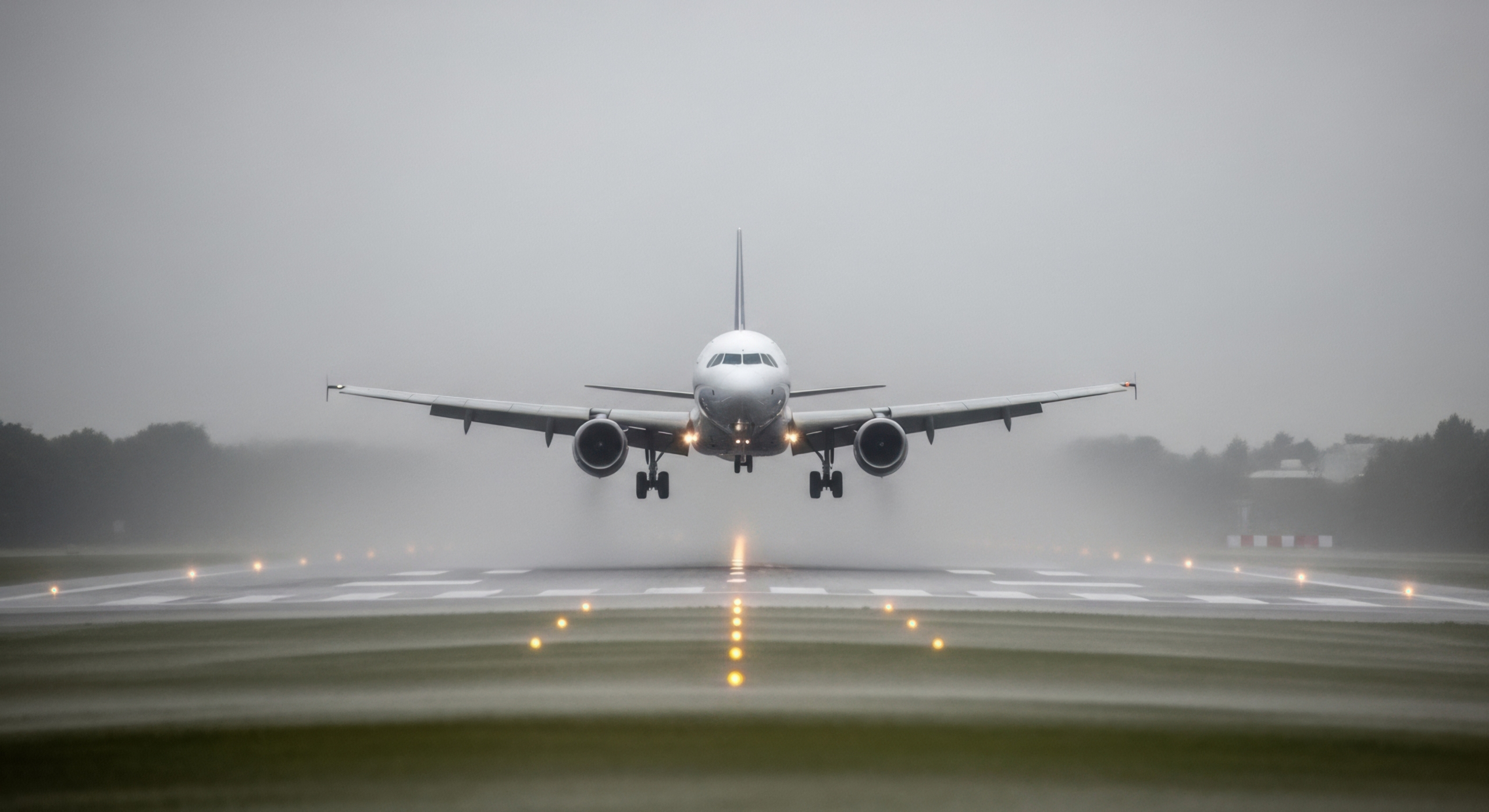
The first response is normally forecasting and route planning rather than an immediate blanket cancellation of flights.
Airlines have dispatchers and meteorologists monitoring weather systems and deciding whether scheduled routes remain practical. Air traffic authorities can also alter the flow of aircraft around dangerous weather.
The FAA explains that during natural disasters, airports may close, flight paths can be rerouted, and disruption can spread well beyond the immediate storm area.
It also notes that airlines, rather than the FAA itself, make individual decisions about whether their flights operate.
For passengers, that can produce several different outcomes. A flight might operate normally if the aircraft and airport are sufficiently far from the storm.
It might be rerouted, adding distance and flight time to avoid dangerous weather. Or, it could be delayed on the ground, particularly if an airport or surrounding airspace is affected.
An aircraft already in the air could be diverted to another airport if conditions at its destination deteriorate. And, when the risks become too great, the airline may cancel the flight altogether.
These decisions can happen hours before the worst conditions arrive. The FAA describes traffic-management measures in which aircraft are held at their departure airports or rerouted around major areas of severe weather.
Why does a hurricane cause problems even when it does not hit an airport?
A hurricane’s centre is only part of the problem. The strongest winds are concentrated around its core, but the storm also produces extensive bands of thunderstorms, heavy rain, turbulence and strong winds.
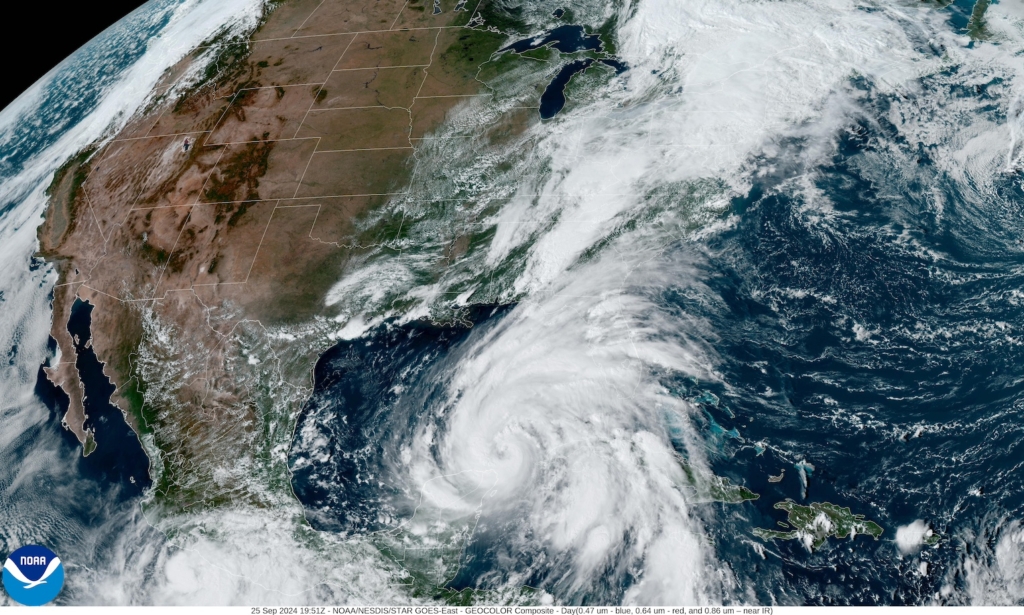
As of the NHC’s 23 September update, hurricane-force winds extended tens of miles from Polo’s centre, while tropical-storm-force winds covered a much larger area.
An airline therefore cannot simply look at the position of the eye and conclude that everything outside it is safe. Thunderstorms are especially important. They can contain severe turbulence, hail, heavy precipitation, and powerful updrafts and downdrafts.
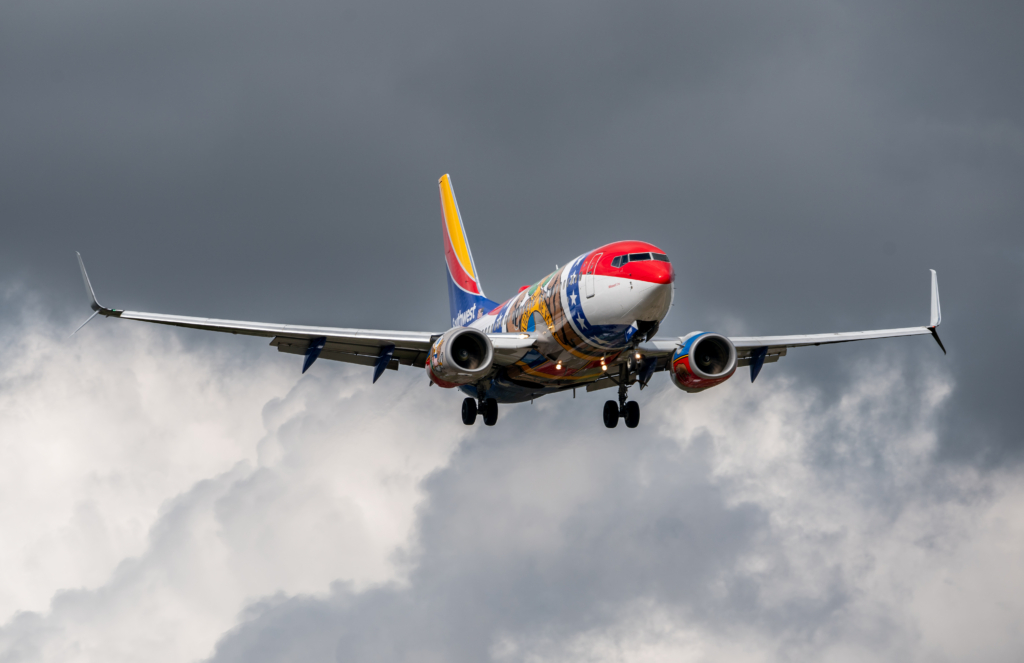
The FAA advises aircraft to avoid the most intense thunderstorms rather than simply attempting to fly through them. That can create a domino effect.
If a flight from one city to another normally crosses a particular stretch of airspace, a hurricane could make that route unsuitable, forcing the aircraft around it.
If many other aircraft are being rerouted at the same time, the alternative airspace can become congested. The result can be delays hundreds of miles away from the hurricane itself.
What happens at the airport during a hurricane?
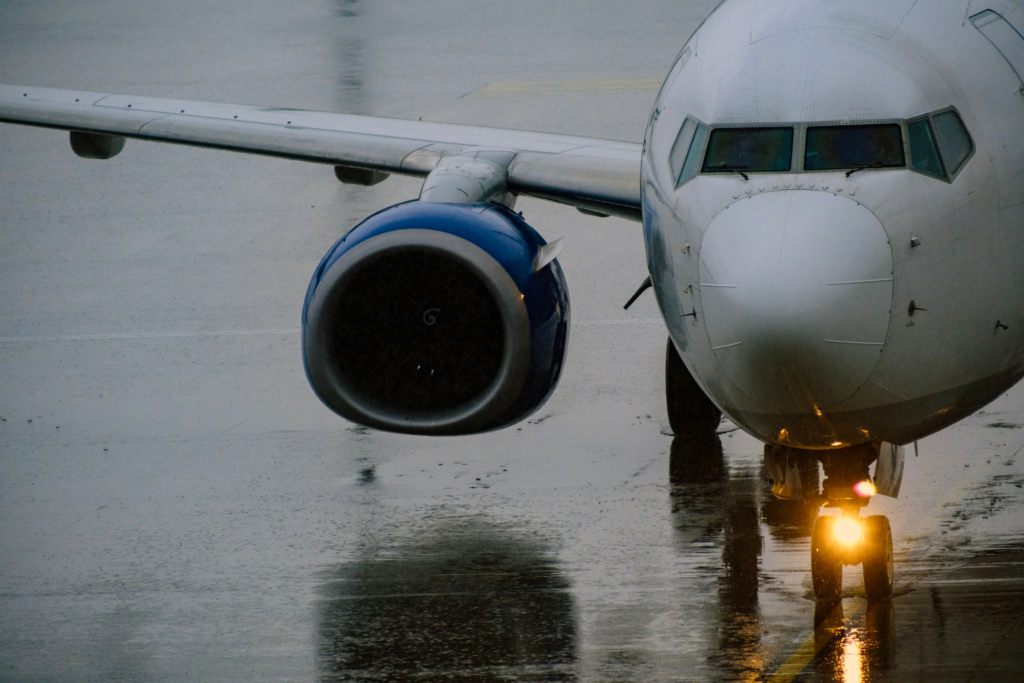
Airports have their own vulnerabilities. Very strong winds can make aircraft movements unsafe. Heavy rain can reduce visibility and create standing water.
Flooding can affect access roads, airport facilities, and ground operations. Power failures or damage to infrastructure can also interfere with normal operations.
Even if the runway itself remains usable, an airline may decide that operating there is impractical because of conditions elsewhere.
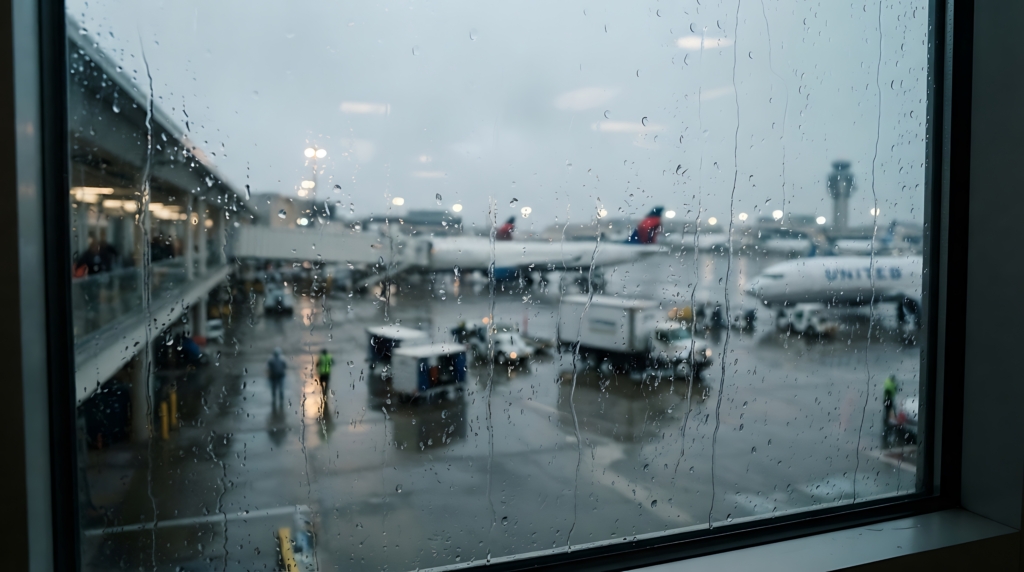
That is why passengers can sometimes see apparently strange situations during major storms. An airport may still be open, but their particular flight is cancelled because the aircraft cannot safely reach it, cannot safely depart another airport, or cannot complete the rest of its planned route.
The FAA specifically advises travellers during natural disasters to check directly with their airline for flight status because conditions and operations can change quickly.
Does a Category 5 hurricane automatically shut down an entire region’s airspace?
The short answer is no. Category 5 describes the hurricane’s maximum sustained wind speed, not a universal radius in which aircraft are prohibited from flying.
Polo can be a Category 5 hurricane while an airport hundreds of miles away experiences relatively ordinary conditions. Conversely, an airport much farther away could encounter thunderstorms or other hazardous weather associated with the storm.
This distinction is important when interpreting flight maps during hurricanes. A large red or purple hurricane symbol on a weather map does not necessarily mean every aircraft within hundreds of miles has been grounded.
Airlines and air traffic authorities consider the actual weather, forecast conditions, routes, airport capabilities and operational requirements.
Can planes fly in hurricanes?
Commercial passenger aircraft generally avoid the dangerous core of a hurricane, particularly the eyewall. They are designed and operated to avoid severe convective weather rather than deliberately penetrating it. But there is an important exception: Hurricane Hunter aircraft deliberately fly into hurricanes.
NOAA operates specially equipped aircraft, including WP-3D Orion aircraft, to collect data from inside tropical cyclones. These aircraft can fly through the eyewall and into the eye, gathering measurements of wind, pressure, temperature and other conditions.
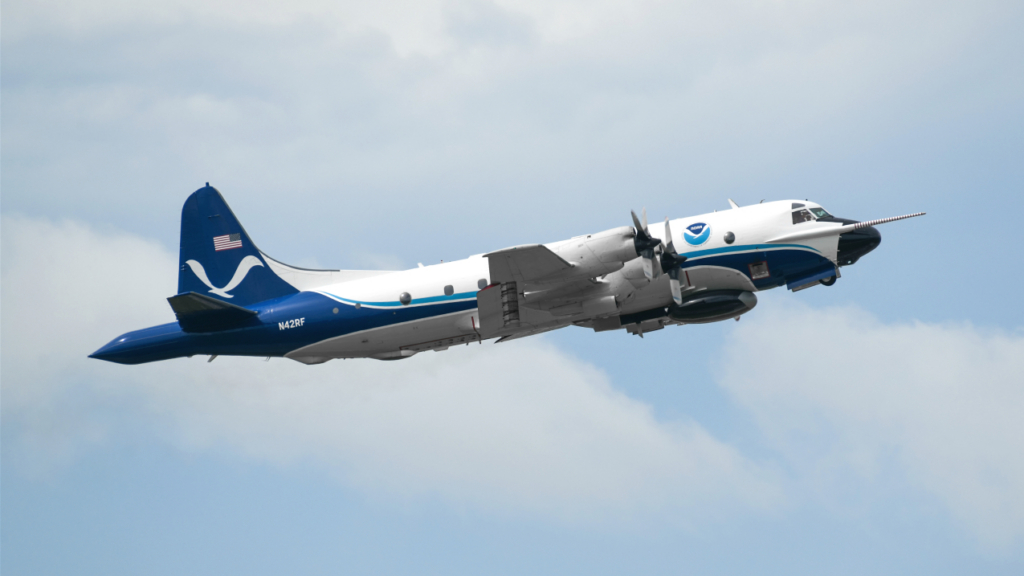
NOAA’s Hurricane Hunters are therefore very different from an ordinary passenger jet. Their crews are specifically trained for storm reconnaissance, and the aircraft carry specialised scientific equipment.
NOAA says its P-3 aircraft can penetrate the eyewall while a Gulfstream IV operates at much higher altitude, flying above and around the storm to gather atmospheric data.
So, even though a plane can fly in a hurricane, that does not mean any given commercial flight will, or should.
The distinction is between being capable of operating in severe weather and choosing to do so. Hurricane Hunters have a specific scientific and forecasting mission.
Passenger airlines have a responsibility to transport people safely, which means avoiding the most hazardous parts of a tropical cyclone whenever necessary.
For Hurricane Polo, that distinction is particularly relevant. Its astonishingly rapid intensification demonstrates why airlines and aviation authorities continually reassess weather information.
A flight plan that looked perfectly reasonable one day can require a completely different route the next. Ultimately, passengers may experience a hurricane as a cancelled flight, a long delay, a diversion or simply a slightly longer journey around bad weather.
Behind that seemingly simple notification is a complex system of meteorological forecasts, airline dispatch decisions, air-traffic management and airport safety procedures – all of which are designed to keep aircraft away from the most dangerous parts of the storm.
Sign up for our newsletter and get our latest content in your inbox.


More from

October 17, 20265 min read


October 17, 20264 min read