


NOAA’s Hurricane Hunter aircraft fleet could triple under new US bill

5 min read
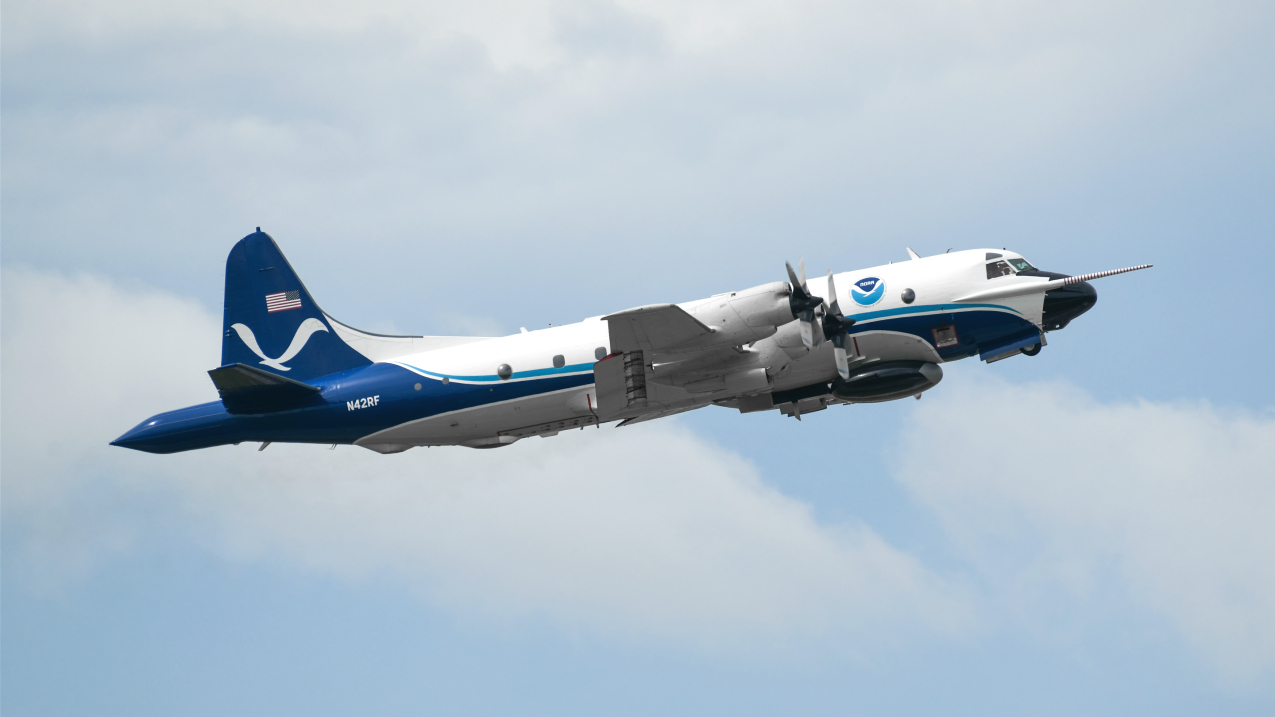
A new bipartisan US Senate bill could triple NOAA’s Hurricane Hunter fleet, authorising up to nine aircraft as lawmakers seek to modernise the ageing airborne storm reconnaissance capability used to track hurricanes, atmospheric rivers and other extreme weather systems.
The Hurricane Hunter Aircraft Recapitalization Act has been introduced by Senator Maria Cantwell, ranking member of the Senate Committee on Commerce, Science and Transportation, alongside Ted Cruz, Lisa Blunt Rochester, Roger Wicker, Alex Padilla and Ted Budd.
If passed, the legislation would for the first time codify the National Oceanic and Atmospheric Administration’s Hurricane Hunter mission in federal law, while authorising $2.5bn for aircraft acquisition from fiscal year 2027 through 2031.
It would also provide $45m per year over the same period for aviation operations and aircraft services through NOAA’s Office of Marine and Aviation Operations.
The aircraft provision would increase NOAA’s authorised Hurricane Hunter fleet from a maximum of six to at least six and up to nine manned aircraft.
This would effectively triple NOAA’s dedicated Hurricane Hunter fleet, which consists of three aircraft: two Lockheed WP-3D Orions used to fly directly into storms, and one Gulfstream IV-SP used mainly for high-altitude surveillance around weather systems.
The bill does not itself place an aircraft order and still has to pass through Congress before becoming law. However, it marks a significant political push to turn NOAA’s weather reconnaissance mission into a larger and more resilient aircraft programme, rather than a simple replacement effort for ageing platforms.
NOAA is already replacing its ageing Hurricane Hunter aircraft
NOAA’s existing Hurricane Hunter fleet is highly specialised, but old.
Its two WP-3D Orions, nicknamed Kermit the Frog and Miss Piggy, were built in the 1970s and have become some of the most recognisable aircraft in meteorological aviation. The turboprops are flown directly through tropical cyclones, carrying instruments that measure a storm’s structure, wind field, pressure and surrounding atmosphere.
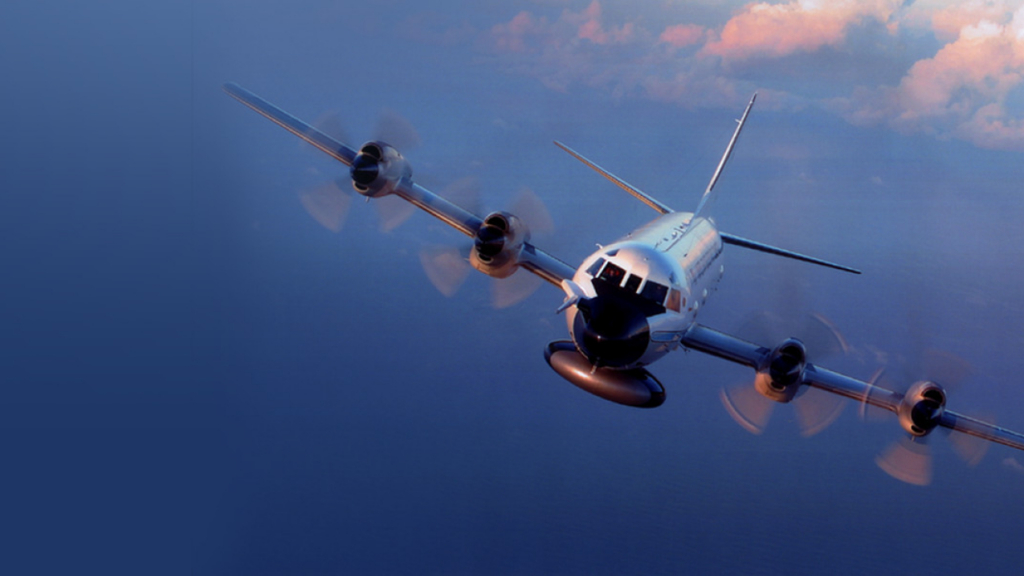
The aircraft deploy dropsondes into hurricanes, use radar to observe storm structure and carry Stepped Frequency Microwave Radiometers, known as SFMR, to estimate surface winds over the ocean.
They are supported by NOAA’s Gulfstream IV-SP, which typically flies around and above storms, sampling the upper atmosphere and helping forecasters understand the steering currents that influence storm track.
NOAA already has a renewal plan underway. In 2024, the agency awarded Lockheed Martin a contract for two specialised C-130J Hercules aircraft to become the next generation of NOAA Hurricane Hunters. Those aircraft are expected to replace the WP-3D Orions and enter service around 2030 after modification into flying laboratories for hurricane and environmental research.

NOAA has also been moving to replace its Gulfstream IV-SP capability. The agency has ordered Gulfstream G550 aircraft for high-altitude hurricane and climate research, with federal oversight documents stating that NOAA plans to acquire two G550s to replace the G-IV and provide greater backup capability for high-altitude missions.
However, the new Senate bill appears to go beyond the current one-for-one replacement logic.
Instead of simply replacing two Orions with two C-130Js and refreshing the Gulfstream element of the fleet, the legislation would establish authority for a larger force of six to nine aircraft, require backup capability and preserve the specialised NOAA Corps aviation workforce needed to fly the missions.
It would also require NOAA to maintain and replace airborne radar and remote sensing capabilities, including Tail Doppler Radar or successor technologies, ensuring that recapitalisation covers not only the airframes but also the sensors that make the aircraft operationally valuable.
Extreme weather is driving demand for more NOAA aircraft
Extreme weather forecasting increasingly depends on airborne data, and NOAA’s current aircraft are too few and too old to carry the whole burden reliably.
NOAA Hurricane Hunter missions fill gaps that satellites and ground-based systems cannot. Aircraft can fly into or around storms, launch instruments directly into the atmosphere and collect real-time observations on a storm’s location, intensity, structure and surrounding environment.
That information is then used by forecasters and fed into weather models, helping improve predictions of where a storm will go and how strong it could become.
Lawmakers backing the bill argue that those aircraft are becoming more important as hurricanes, atmospheric rivers and winter storms place greater pressure on communities, infrastructure and emergency managers across the United States.
“As atmospheric rivers become more frequent and severe across the Pacific Northwest, our communities increasingly depend on accurate forecasts to prepare for flooding and other extreme weather,” Cantwell said.
“NOAA’s Hurricane Hunter aircraft collect critical data that improves those forecasts, but much of the fleet is more than 50 years old. This bipartisan legislation will modernise and expand the fleet, strengthening NOAA’s ability to provide the timely, accurate warnings that help keep families, businesses, and communities safe.”
Although the aircraft are best known for flying into hurricanes, the bill deliberately broadens the mission language to include air, atmosphere and weather reconnaissance and research. It also explicitly requires data to be made available in near real time for research and operational purposes, including forecasting, warning and reconnaissance missions.
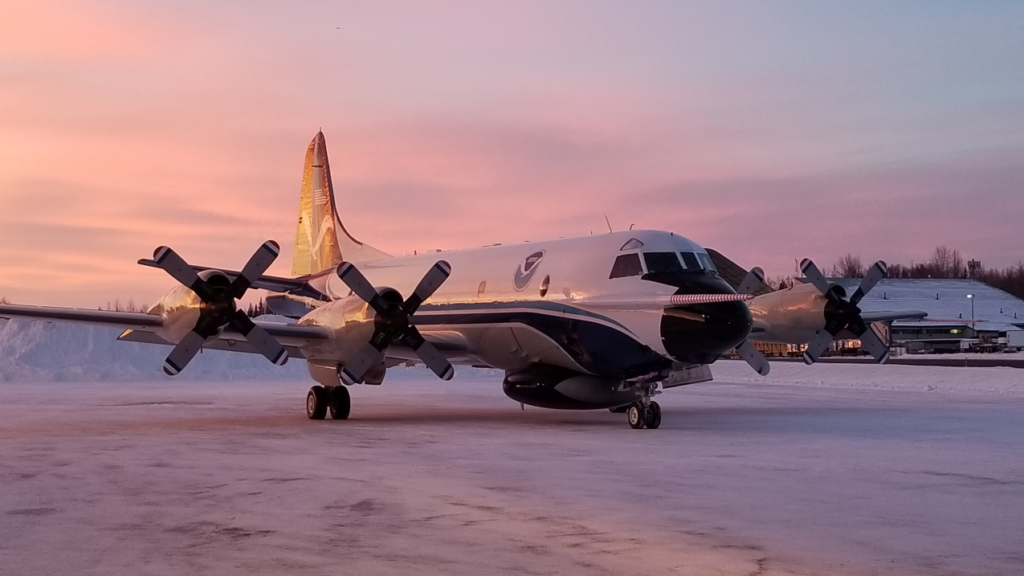
NOAA aircraft are increasingly used not only for tropical cyclone work but also for atmospheric river reconnaissance, which supports flood forecasting in the western United States. These storms can drive heavy rainfall, landslides and infrastructure disruption, making airborne observations valuable well beyond the Atlantic hurricane season.
Supporters of the bill say the existing fleet lacks the depth needed to guarantee continuity if aircraft are grounded for maintenance or mechanical reasons. The legislation would therefore require NOAA to acquire and maintain backup capabilities sufficient to prevent a single point of failure during recapitalisation or fleet transition.
A nine-aircraft ceiling would give NOAA room to build a broader mixed fleet, likely centred on C-130J aircraft for direct storm penetration and G550 jets for high-altitude surveillance. It would also give the agency more capacity to cover overlapping missions, including hurricanes in the Atlantic and Gulf of Mexico, atmospheric rivers on the West Coast and winter storms affecting other parts of the country.
For now, the Hurricane Hunter Aircraft Recapitalization Act remains at the start of the legislative process. But if it advances, it could turn NOAA’s Hurricane Hunter modernisation from a replacement programme into a major fleet expansion, giving the agency more aircraft, newer sensors and a statutory mandate to keep flying into the weather systems others avoid.
Featured image: NOAA


