GB2 takes flight: Can a purpose-built US aircraft change aerial firefighting?

4 min read
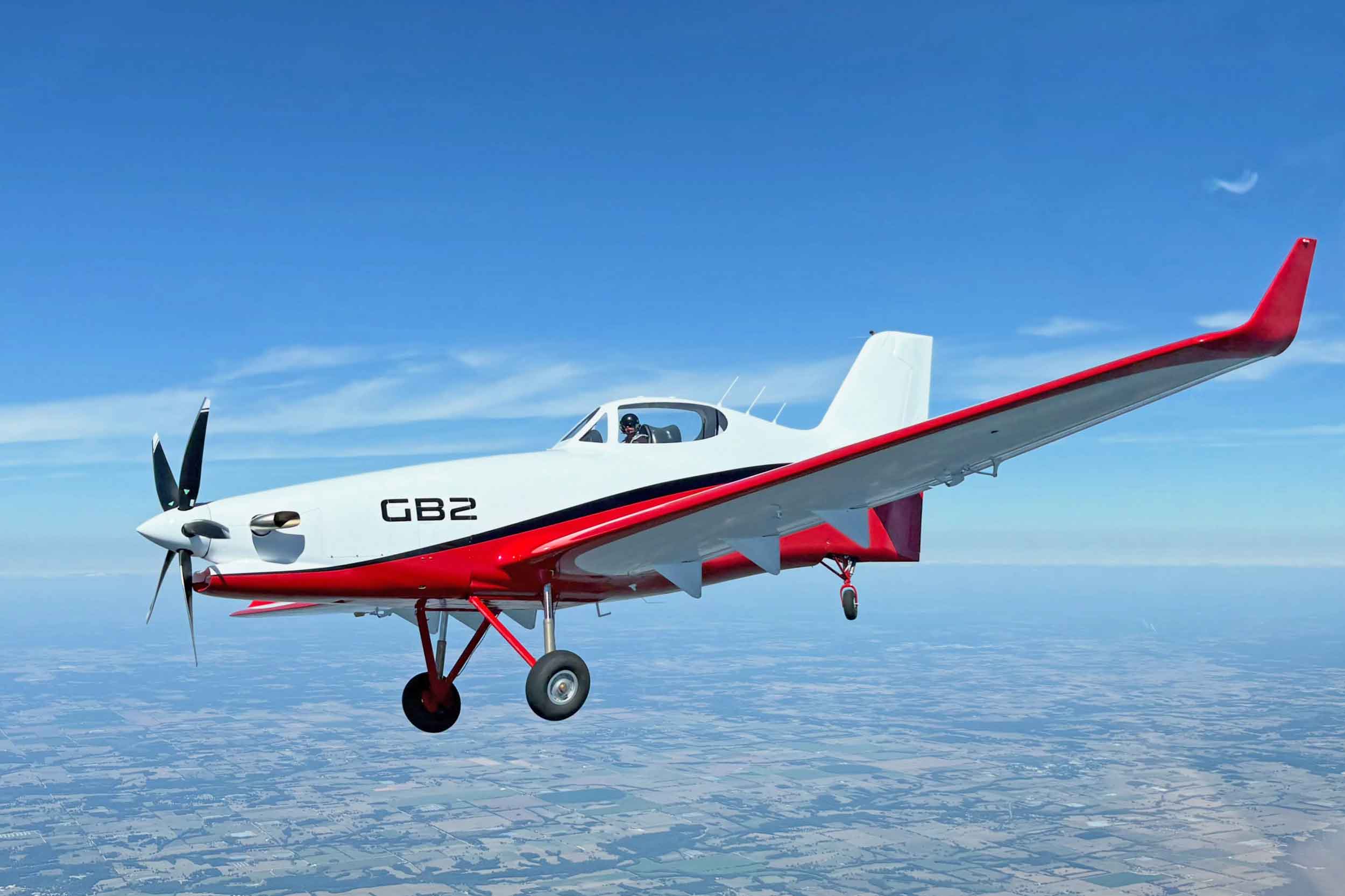
Game Aerospace has flown its GB2 firefighting aircraft for the first time, moving a clean-sheet US design into flight testing as the company seeks to offer an alternative to the agricultural aircraft widely used for single-engine aerial firefighting.
The prototype flew from Louise Thaden Field in Bentonville, Arkansas, with Game Aerospace co-founder and chief executive Philipp Steinbach at the controls.
Game said the aircraft performed as expected and completed all evaluations planned for the initial flight. The milestone clears the way for a broader flight-test programme as the company works towards US Federal Aviation Administration certification and production.
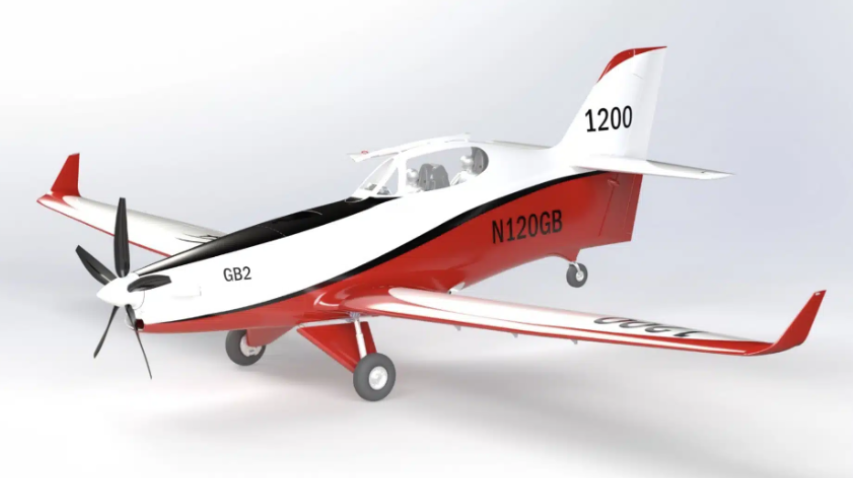
The GB2 has been designed from the outset for aerial firefighting. Game describes it as the first purpose-built firefighting aircraft developed in the United States, rather than an existing aircraft subsequently adapted for the role.
That distinction is central to the programme. Single-engine airtankers, or SEATs, operating in the US include aircraft such as the Air Tractor AT-802, which has its roots in agricultural aviation and has been adapted for firefighting.
A 1,200-gallon tanker aimed at the initial attack mission
The GB2 prototype has an empty weight of 6,050 lb and a maximum take-off weight of 19,000 lb. It can carry 1,200 US gallons of water or fire retardant and 400 gallons of fuel.
Its capacity places it above the payload normally associated with single-engine airtankers in US wildfire operations.
The National Interagency Fire Center (NIFC) says SEATs can typically deliver up to 800 gallons of water or retardant. These smaller aircraft are particularly suited to fires involving lighter fuels such as grasses and sagebrush.
The 1,200-gallon capacity would put the GB2 within the Type 3 airtanker classification used by US fire agencies. Type 3 aircraft carry between 800 and 1,799 gallons, while Type 4 tankers carry less than 800 gallons.
The aircraft remains considerably smaller than the large airtankers used on major fires. NIFC says large airtankers carry between 2,000 and 4,000 gallons, while very large airtankers can carry substantially more. A DC-10, for example, can deliver up to 9,400 gallons in a single drop.
Game is instead positioning the GB2 around the speed and flexibility needed for initial attack, when getting an aircraft to a developing fire quickly can be more important than carrying the largest possible load.
Clean-sheet design built around firefighting operations
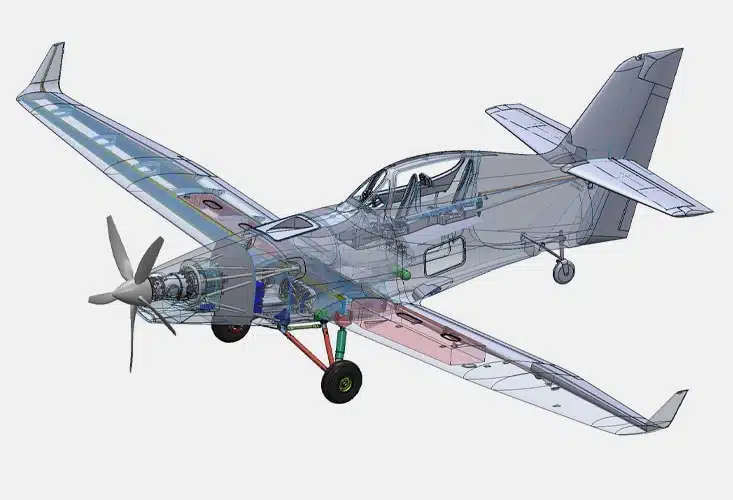
The GB2 is powered by a Pratt & Whitney Canada PT6A-67F turboprop driving an MT-Propeller unit. Game lists a maximum cruise speed of 210 KIAS and a service ceiling of 25,000 ft.
The composite aircraft has a 67 ft wingspan and is 42 ft long. Game says the structure has been designed specifically around the loads encountered during aerial firefighting and has an initial structural life target of 20,000 hours.
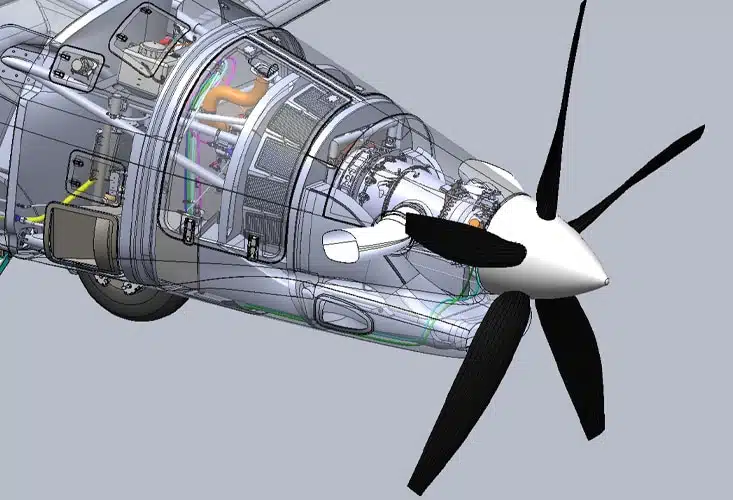
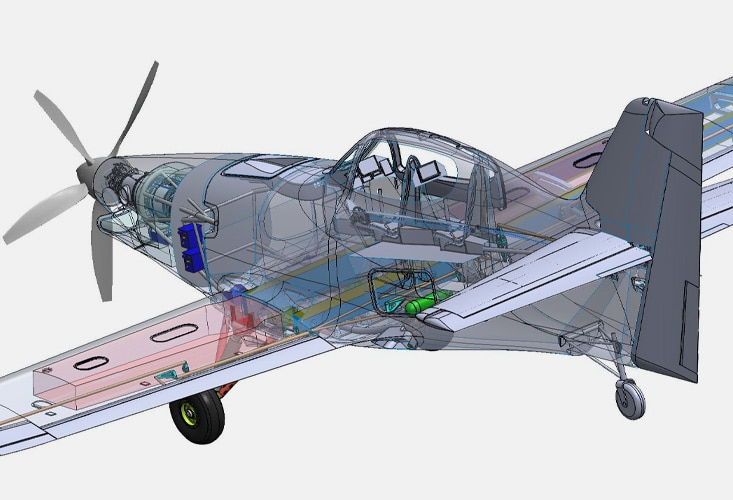
Its maximum take-off weight is also significant for the certification programme. Current FAA Part 23 rules cover normal-category aircraft weighing 19,000 lb or less and with 19 or fewer passenger seats. The GB2 therefore sits at the upper end of the Part 23 weight envelope.
The aircraft has tandem seating with the pilot in command occupying the front seat. Dual flight and engine controls allow the second seat to be used for training and provide flexibility for future operations.
Game has also adopted a hands-on-throttle-and-stick cockpit concept intended to allow the pilot to operate key systems without moving their hands from the primary controls during critical phases of a mission. The avionics suite includes Garmin displays and a GFC 600 autopilot.
The company says the autopilot can reduce pilot workload while the aircraft is travelling to a fire, allowing the pilot to concentrate on preparing for the drop. The GB2 is intended to be operated by a single pilot on firefighting missions.
Flight testing now moves towards certification
“The GB2’s successful first flight is the result of years of engineering, craftsmanship, and dedication from our entire team, as well as great collaboration with the FAA,” Steinbach of Game Aerospace said.
“Our goal is to provide the world’s most cost-effective aerial firefighting solution — an aircraft designed from the outset around the mission.”
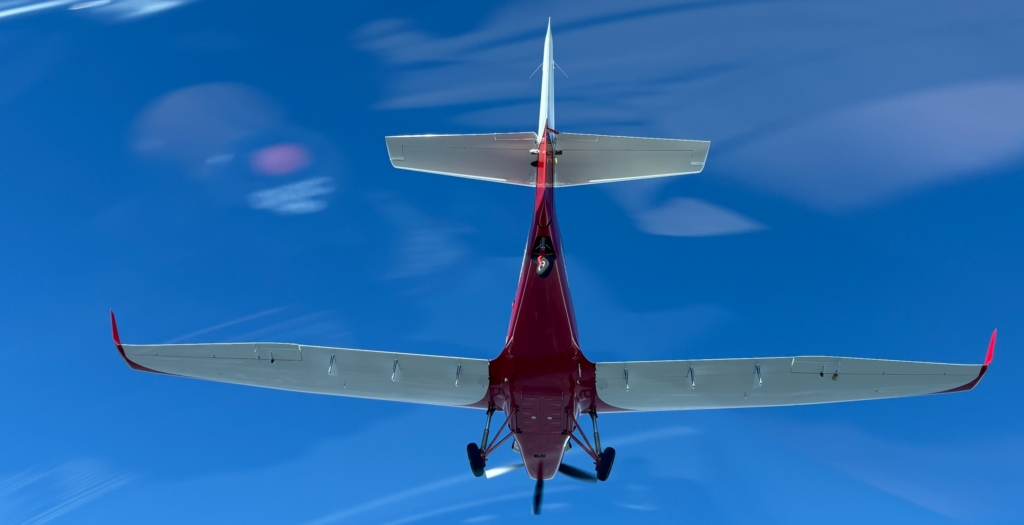
The aircraft now enters further flight testing as Game works towards FAA Part 23 standard-category certification. The company has not announced a timetable for certification or the start of customer deliveries.
If certified, the GB2 would enter a US aerial firefighting system that relies heavily on contracted aircraft.
Federal agencies manage between 200 and 300 wildland firefighting aircraft, according to NIFC, with additional capacity available from state and local agencies and through call-when-needed contracts. The US Forest Service takes the lead on contracting large and very large airtankers, while the Bureau of Land Management manages the SEAT fleet and most single-engine water scoopers.
For Game Aerospace, the first flight is therefore only the beginning of the programme. The next phase will determine whether a firefighting aircraft designed around the mission from the start can carve out a place in a market long served by aircraft adapted from other roles.