


Flight disruption leaves passengers facing long waits and high costs, survey finds

3 min read
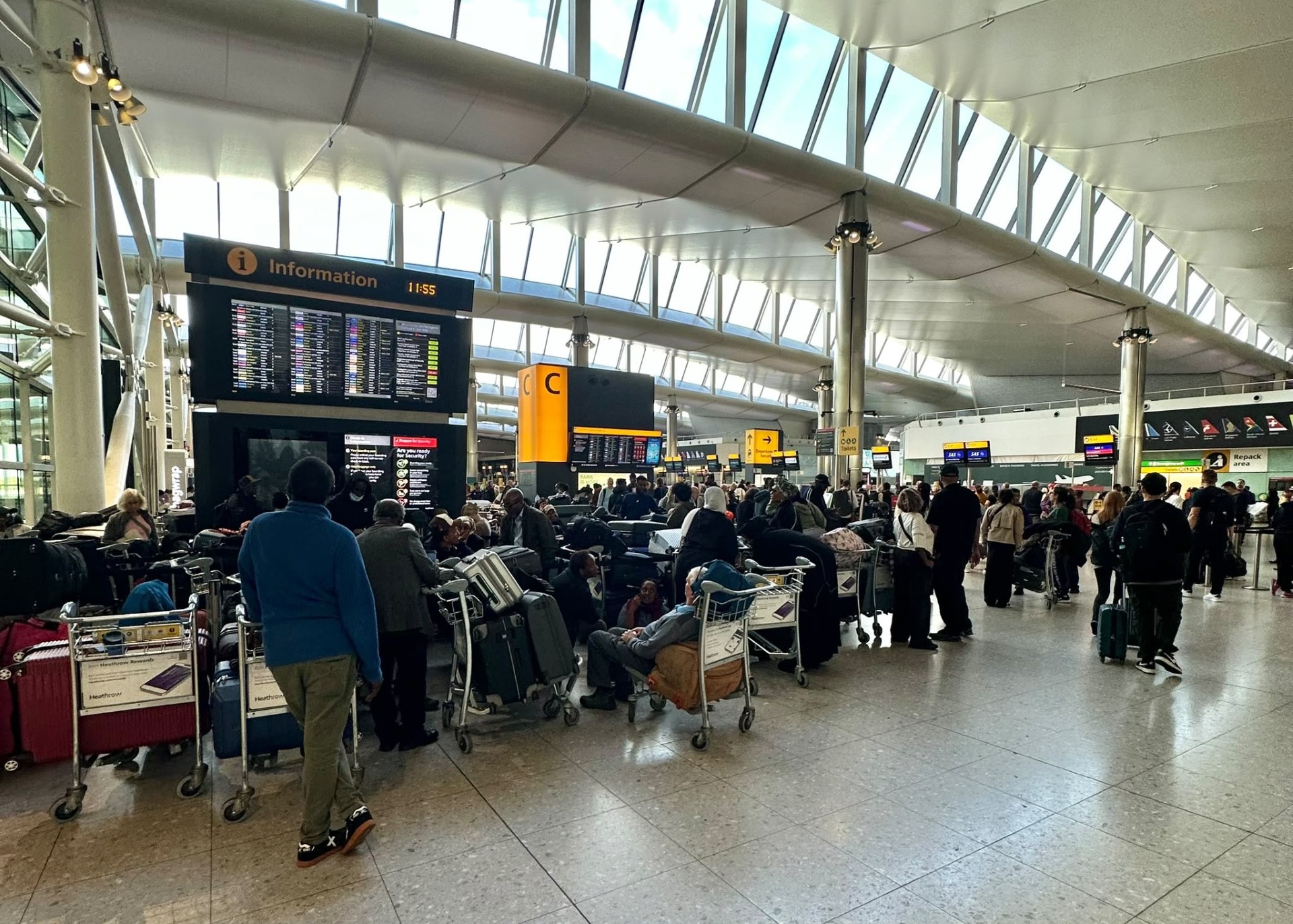
More than half of air passengers affected by flight disruption who needed onward transport over the summer were left to make their own arrangements, with long waits and high costs, research by CMAC Group has found.
A study by the transport and accommodation aggregator of 1,250 disrupted passengers across Europe found that 57% of those requiring onward ground transport organised it themselves.
More than half of disrupted air passengers left to arrange their own onward travel
The survey highlights the difficulties passengers can face when flight disruption leaves them requiring assistance with their onward travel.
Among passengers who needed ground transport, 96% encountered at least one problem.
Long waiting times were the most frequently reported issue, affecting 41% of respondents, followed by high transport costs at 37%.
Safety concerns were reported by 22%, while 19% struggled to find accessible transport.
The findings suggest there is a gap between passengers’ expectations and the support available during disruption.
Of those offered transport or accommodation options, only 19% received them within an hour, although 35% expected assistance within that timeframe.
Flight disruption creates additional costs and anxiety
Some 41% of respondents said disruption had caused significant stress or anxiety, while 30% felt unsafe or uncomfortable because they were unsure how they would reach their destination or accommodation.
Unexpected expenses were incurred by 29% of passengers, the study found, and 22% said disruption had cost them part of their holiday.
Two-thirds of respondents (67%) believed support should go further than a refund or rebooking, including arranging accommodation and transport to a hotel, another airport or their final destination.
Ashley Seed, chief commercial officer at CMAC Group, said airlines needed to focus on passengers’ immediate needs.
“Disruption management starts with the passenger and what they actually need in that moment. That support includes arranging accommodation or getting them to a hotel, another airport, or their final destination,” he said.
“Airlines must respond in real time, with proactive solutions that fit the situation, rather than expecting passengers to work it out for themselves.”
Poor disruption handling risks losing customers
The way airlines manage disruption can also affect future travel decisions.
More than a third of those surveyed (37%) said they were less likely to fly with a carrier again because of how it handled disruption.
Conversely, 74% said they would be willing to pay more to travel with an airline they trusted to manage disruption effectively.
Seed added: “Good disruption management has a positive impact on an airline’s bottom line. This starts with communicating proactively about what is known, what is being done, and when passengers can expect a solution.
“Technology can help airlines share information and even provide self-service options at scale, giving passengers the ability to make informed decisions rather than leaving them waiting in a terminal with no idea of what is happening. The solution may come later, but relieving the state of uncertainty doesn’t have to.”
The research was conducted by Censuswide, among 1,250 respondents who have experienced disruption during a flight between June and August 2026 in the UK, France, Germany, Greece and Spain. Fieldwork was carried out between 28 September and 5 October 2026.
Sign up for our newsletter and get our latest content in your inbox.


More from


October 13, 202612 min read






