


The 10 US airports where your flight may be delayed for 2+ hours

5 min read
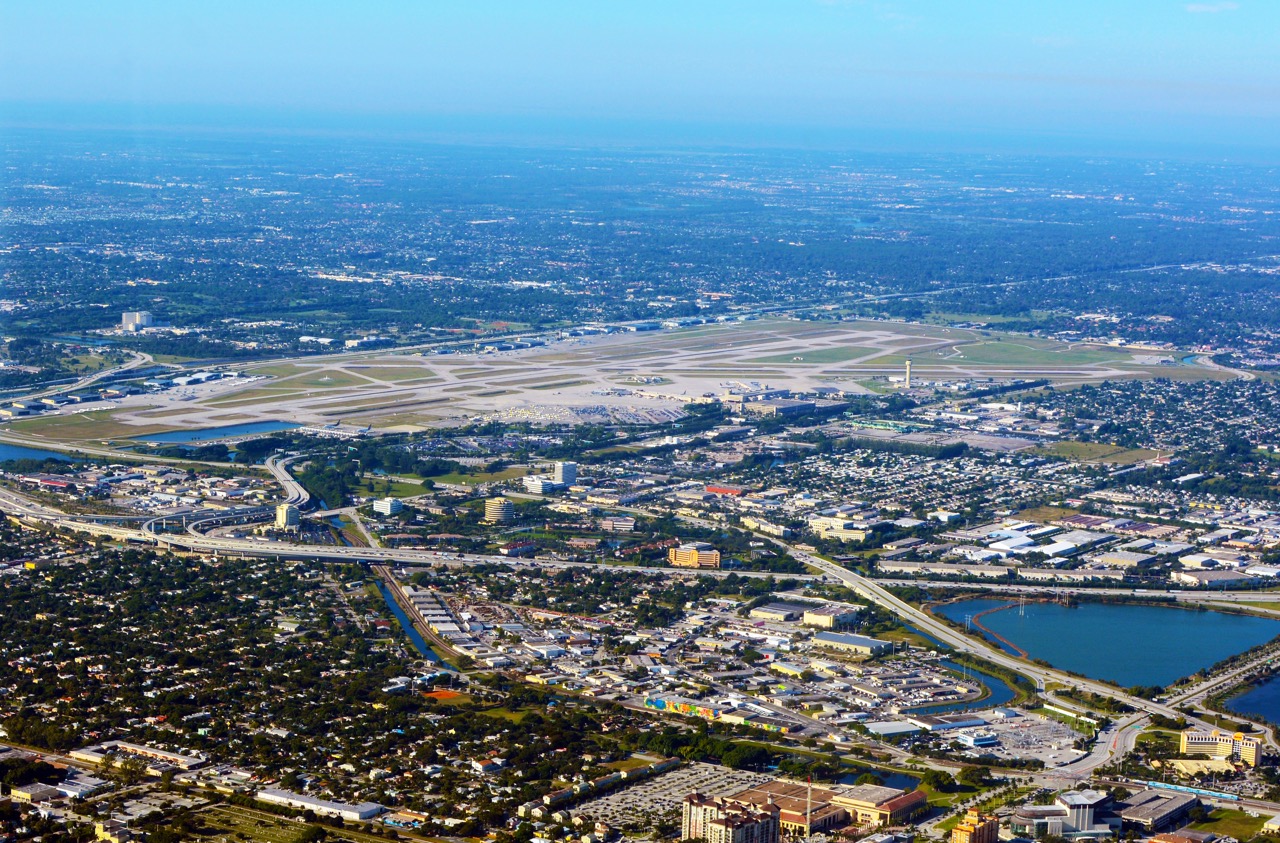
A new analysis of US flight performance data at 45 high-volume US airports by global flight and baggage compensation service AirAdvisor, offers a view of the likelihood and impact on passengers of flight disruption.
Combining how often flight delays occur with how long they typically last, the results show that the chances of passengers being stuck at the gate for more than two hours are not limited to the busiest hubs. In some cases, smaller regional airports may pose a greater delay risk.
Those flying from Florida may get more time there than they had planned, with nearly half (4/10) of the top airports for long delays located in the Sunshine State. Major connecting hubs across the country also rank high with delays of 122 minutes or more.
Smaller airports in the US have bigger delays
Topping the ranking is Palm Beach International Airport, where flight delays last an average of 140 minutes. Despite relatively low traffic volumes (26,873 flights per year), more than 10% of flights at the airport experience extended delays of one hour or longer.
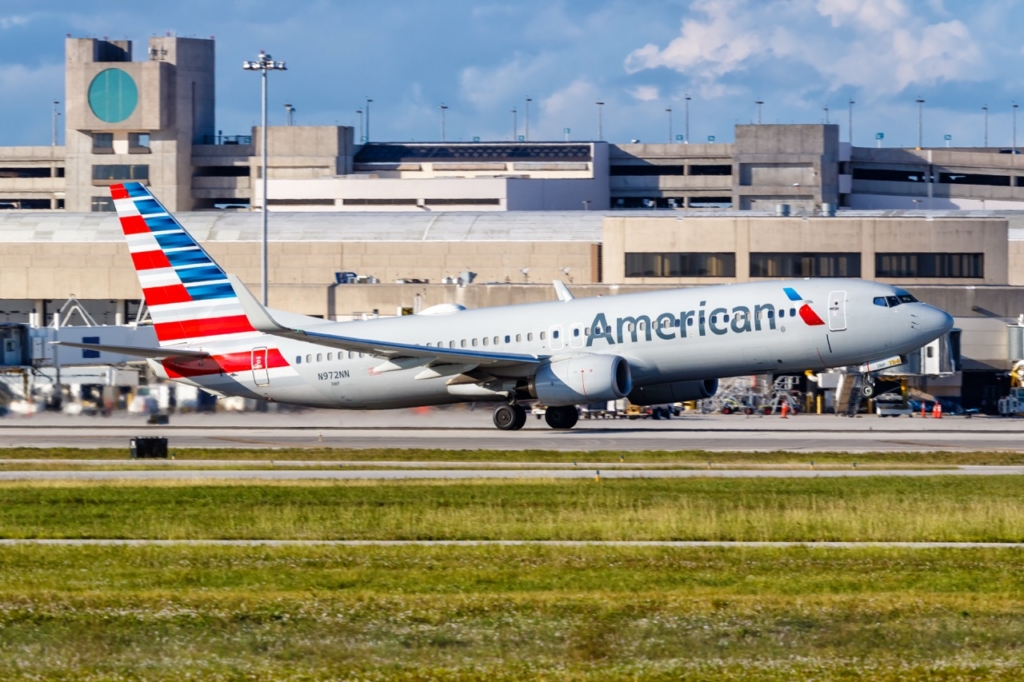
Southwest Florida International Airport, which has comparable traffic (28,691 flights per year), comes in a close second. Average delays at this airport stretch slightly longer—nearly 147 minutes—than in Palm Beach. The airport’s delay rate is lower (8.88%), so travellers are somewhat less likely to be waiting at the gate. AirAdvisor combines delay frequency (weighted at 70%) and average delay length (30%) to determine its rankings, but the long delay times keep this Florida airport near the top of the list.
The firm’s findings show that congestion at major hubs is not the sole driver of flight delays. Operational constraints and limited recovery flexibility at smaller airports can also contribute.
“For passengers, the key takeaway is that disruption risk is not only tied to airport size,” said Anton Radchenko, CEO of AirAdvisor. “What matters is how often long delays occur and how long they last. For connecting itineraries, higher exposure to extended delays can increase the chance of missed connections, which makes understanding these patterns especially important.
“The data points to patterns of strain within the network regardless of whether an airport is large or small, where tight turnaround times and high traffic flow leave little room to absorb delays.”
Major US hubs still carry a high risk of disruption
Among the largest US airports, Philadelphia International Airport, Chicago O’Hare International Airport, and Dallas-Fort Worth International Airport all rank among the worst for prolonged delays.

At O’Hare, nearly 11% of flights are delayed by more than an hour—one of the highest rates in the dataset. In Philadelphia, 9.5% of flights experience long delays. At Dallas-Fort Worth, one of the busiest hubs in the world, roughly one in ten flights is delayed by more than 60 minutes, with its high traffic volume (345,614 flights per year) compounding disruption.
For passengers connecting through these airports, longer delays increase the likelihood of missing onward flights on tight itineraries. Travellers are best advised to buffer some extra time between flights.
The full top 10 list of the US airports with flight delays lasting longer than two hours
AirAdvisor combined the delay rate and average delay duration to assign points and determine rankings, with fewer points indicating higher risk.
| Rank | Airport | Flights/year | Flights delayed | Delay rate | Avg. delay | Points |
|---|---|---|---|---|---|---|
| #1 | Palm Beach International Airport PBI | 26,873 | 2,763 | 140.34 min | 10.0 | |
| #2 | Southwest Florida International Airport RSW | 28,691 | 2,548 | 147.49 min | 11.1 | |
| #3 | Philadelphia International Airport PHL | 121,886 | 11,584 | 142.05 min | 11.3 | |
| #4 | Chicago O’Hare International Airport ORD | 386,602 | 42,340 | 135.91 min | 11.6 | |
| #5 | Dallas-Fort Worth International Airport DFW | 345,614 | 34,773 | 137.41 min | 13.5 | |
| #6 | LaGuardia Airport LGA | 57,661 | 6,388 | 122.85 min | 14.2 | |
| #7 | John F. Kennedy International Airport JFK | 350,836 | 31,382 | 140.72 min | 14.6 | |
| #8 | Ronald Reagan Washington National Airport DCA | 59,834 | 6,261 | 126.27 min | 15.0 | |
| #9 | Jacksonville International Airport JAX | 28,746 | 2,322 | 154.01 min | 15.6 | |
| #10 | Orlando International Airport MCO | 100,067 | 9,239 | 137.68 min | 15.7 |
What the AirAdvisor ranking means for air travellers
For air travellers, especially those who book multi-leg journeys, the list shows that airport choice is important. Booking flights from nearby alternative airports for those on tight schedules and avoiding tight connection windows through high-risk airports might be advisable.
Under US Department of Transportation rules, airlines are not required to compensate passengers for delays alone. Compensation is typically limited to cases such as involuntary denied boarding.
Airlines may offer meals, accommodation, or rebooking during severe disruptions, but policies vary widely.
For international travel, stronger passenger rights protections may apply. Passengers flying to or from Europe on eligible carriers may be subject to EU261 or UK261 rules, which allow compensation for delays exceeding three hours, cancellations, or denied boarding.
Plan your trip to avoid flight delays
The risk of long delays depends on more than just traffic volume, whether you fly through a major hub like O’Hare or a smaller airport in Florida.
Weather is the leading cause of air travel delays in the US. According to the FAA, “weather caused 74.26% of system-impacting delays of greater than 15 minutes over the six years from June 2017 to May 2023.”
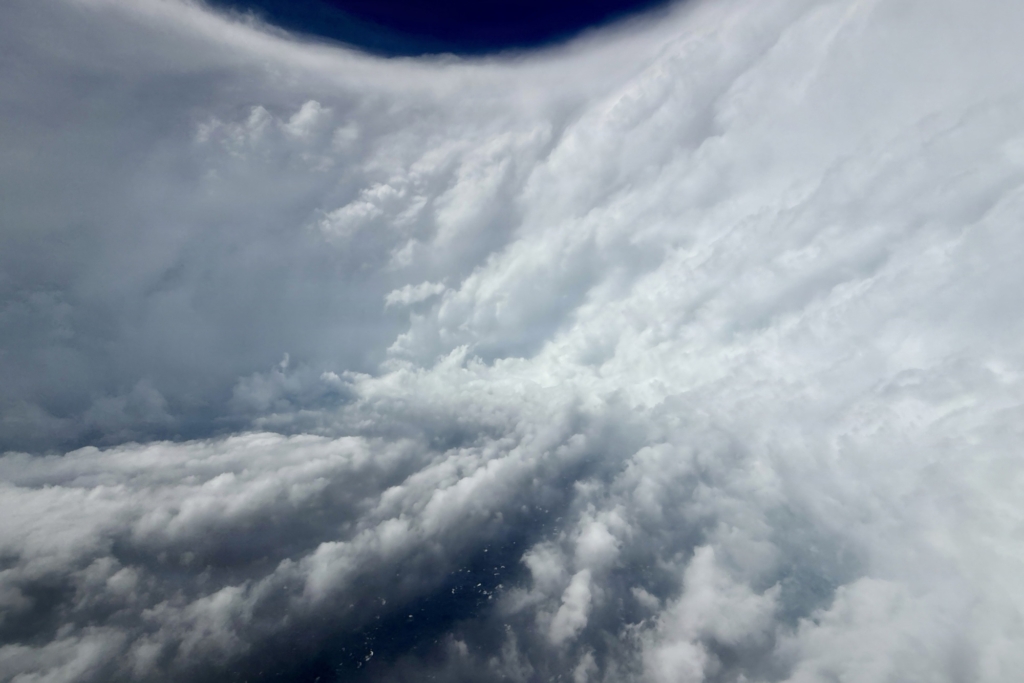
Florida is susceptible to extreme weather, particularly during hurricane season, which runs from June 1 through November 30. Air traffic control congestion can also delay flights, as can technical issues that ground an aircraft. The timing of flights is interdependent, and delays at one airport can cascade through an airline’s network, impacting others.
Delays will happen, but understanding where they are most frequent and prolonged, and planning your trip accordingly—finding an alternative nearby airport or adding extra time between flights at busy hubs—can make all the difference between a smooth journey and a missed connection.
Featured Image: D Ramey Logan | Wikimedia Commons


