


This week in aviation history: 78 years since the first Farnborough Airshow

5 min read
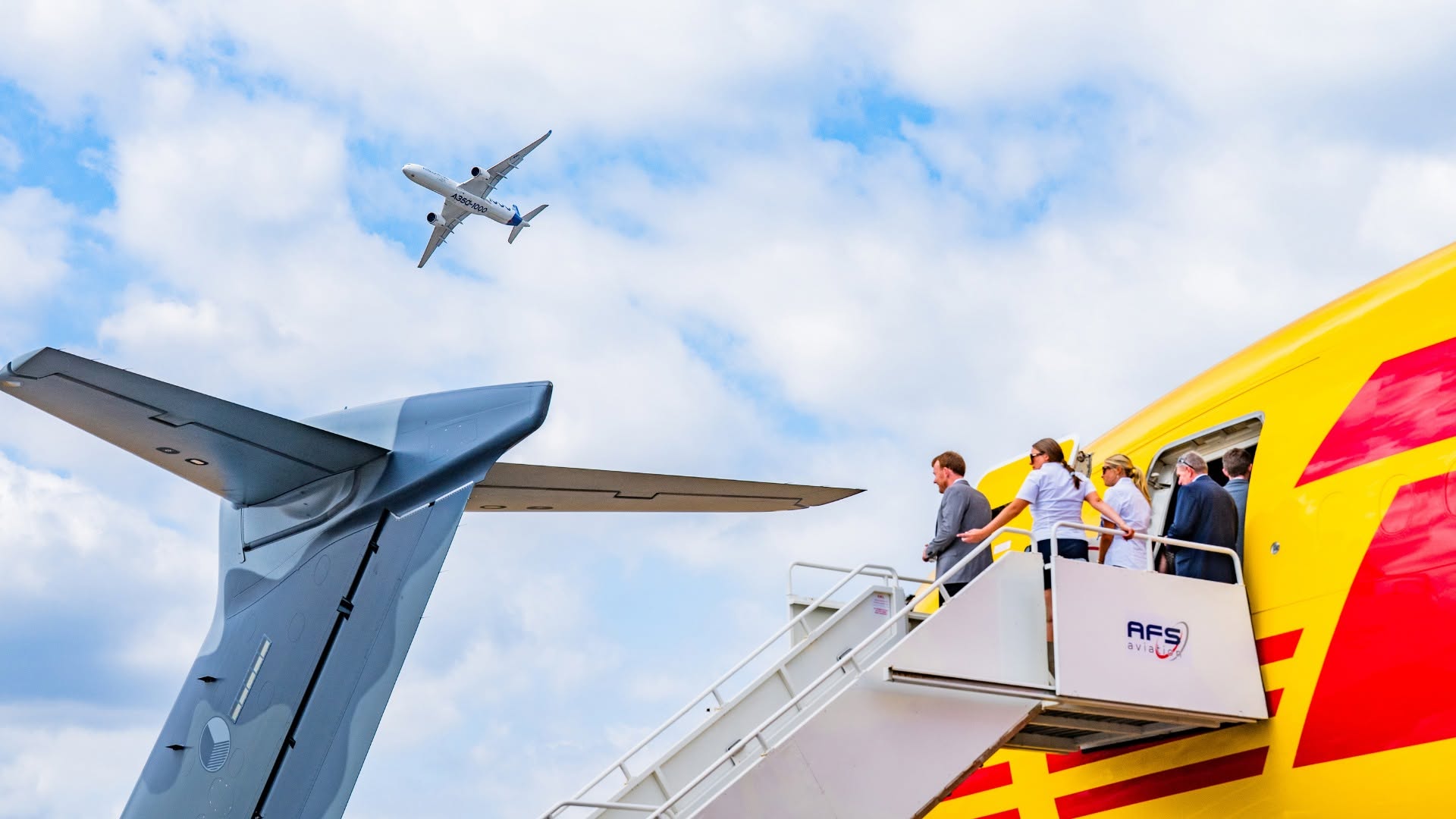
For 78 years, the Farnborough Airshow has stood at the heart of the UK’s aviation story. What began in September 1948 as a showcase for Britain’s post-war aircraft industry has developed into one of the world’s most important aerospace, defence and space events.
Over almost eight decades, Farnborough has provided a stage for technological breakthroughs, international business deals and some of aviation’s most memorable aircraft.
The latest incarnation of the event took place in July 2026, hosting a record number of visitors and exhibitors, and offering the most exhibition space of any show in the event’s history.
Marking 78 years since the first Farnborough Airshow
The origins of the Farnborough Airshow can be traced to the Society of British Aircraft Constructors (SBAC), which had organised aviation exhibitions before the Second World War.
Following the war, the SBAC shows resumed at Radlett in Hertfordshire, but the growing British aerospace industry needed a larger and more suitable permanent home.
Farnborough Airfield in Hampshire was the natural choice. It already had a distinguished aviation heritage, including the work of the Royal Aircraft Establishment and Samuel Cody’s pioneering flights.
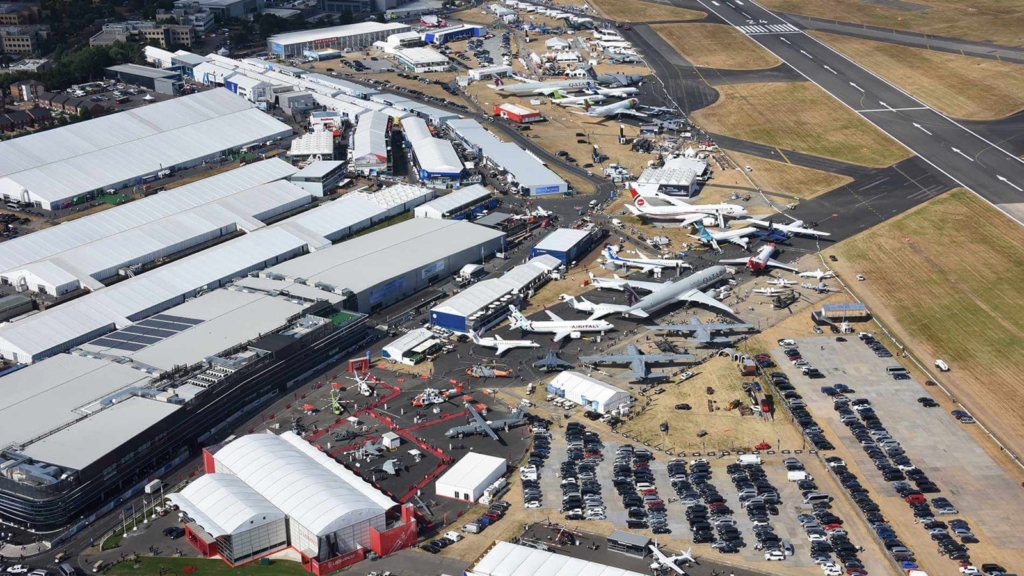
The first Farnborough Airshow took place from 7 to 12 September 1948, featuring 66 different British aircraft. Importantly, it also opened its doors to the public, helping establish a tradition of combining industry, innovation and public fascination with flight.
The early shows reflected Britain’s position as a leading aviation nation. In 1949, the world’s first jet airliner, the de Havilland Comet, appeared alongside the enormous Bristol Brabazon. The 1950s and 1960s brought increasingly advanced jet aircraft, experimental designs and spectacular flying displays.
By 1962, the decision was made to hold the show every two years rather than annually. Foreign aircraft participation expanded during the 1960s, while the event increasingly became an international showcase rather than solely a British one.
In 1974, Farnborough International Limited (FIL) was established, marking another important stage in the show’s commercial development.
Major milestones of the Farnborough Airshow
The Farnborough Airshow’s history is filled with landmark moments. In 1958, the RAF’s Black Arrows performed a world-record formation loop involving 22 Hawker Hunter aircraft – a feat that has never been repeated since.
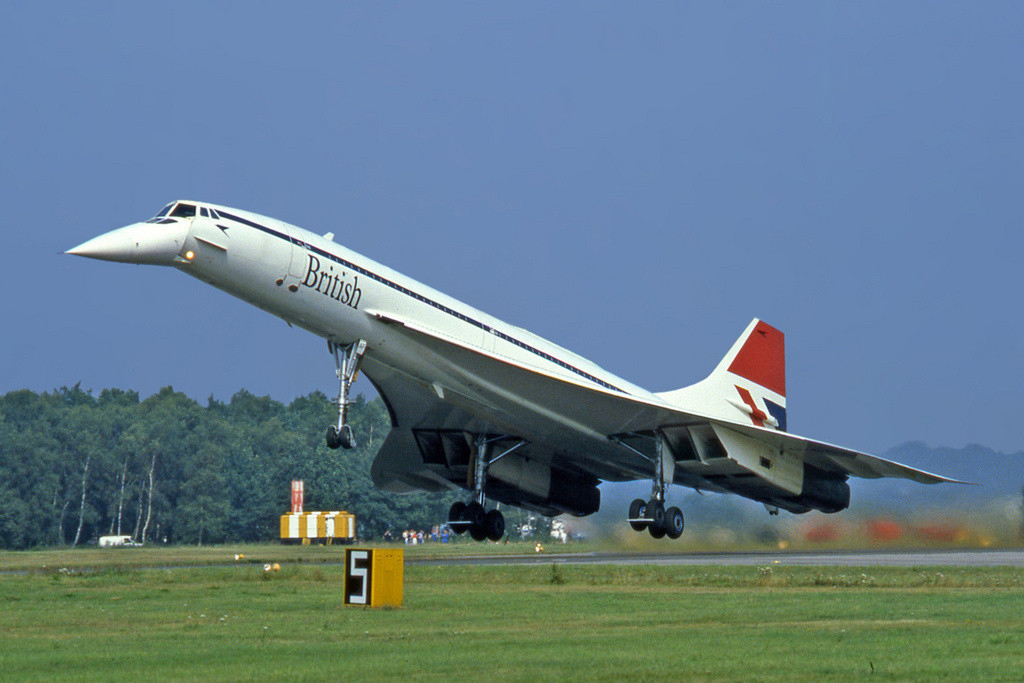
Perhaps the most famous Farnborough debut came in 1970, when the prototype Concorde made its first appearance at the show. Its supersonic performance symbolised an era when aviation appeared capable of overcoming almost any technological barrier and marked the start of the supersonic commercial jet age.
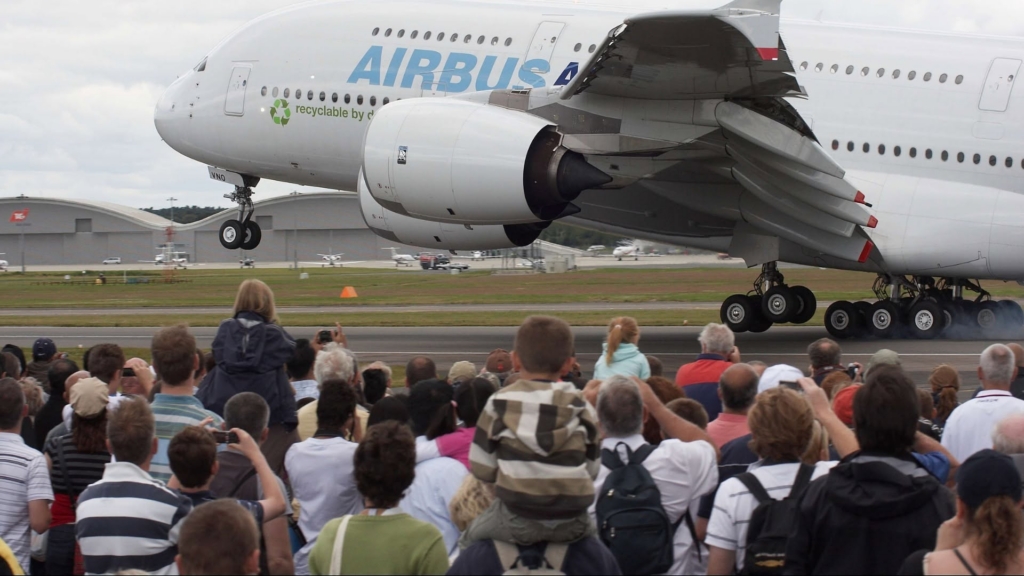
Other significant aircraft to make their mark at Farnborough have included the Vickers VC10, Eurofighter Typhoon, Lockheed Martin F-35 Lightning II and, in 2006, the Airbus A380. Each represented a different stage in the evolution of commercial or military aviation.
The show also became increasingly important for the business side of aerospace. Aircraft demonstrations remained an attraction, but Farnborough developed into a place where manufacturers, airlines, governments and defence organisations could announce major programmes, sign contracts and establish international partnerships.
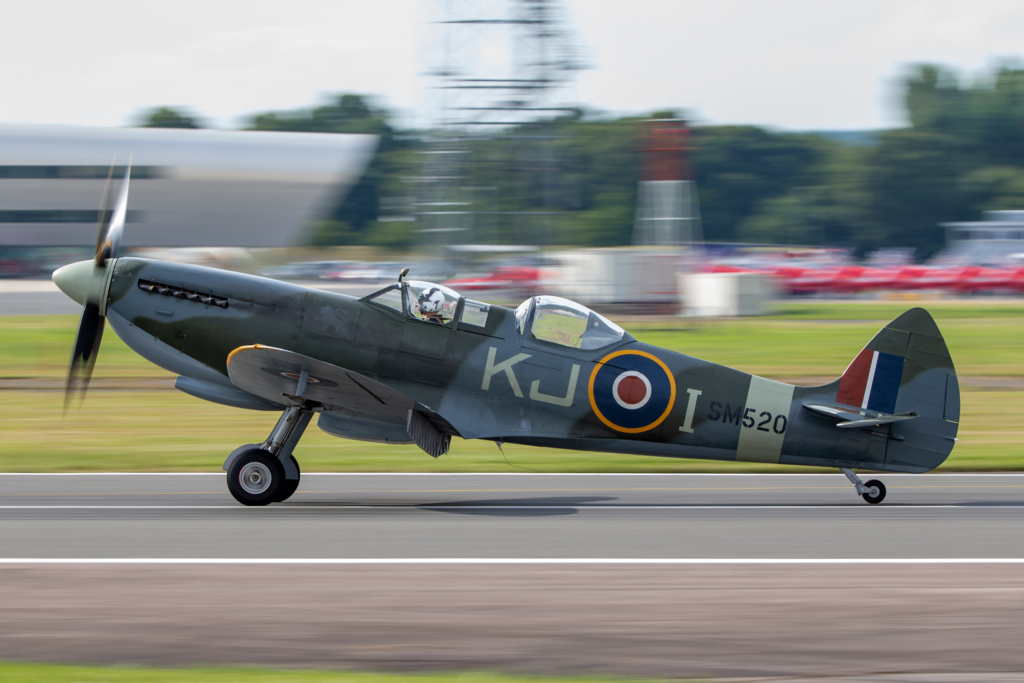
This tradition continues to this day, with the event providing an invaluable biannual forum for aerospace and other related organisations to discuss and even plan the future of the industry.
From air display to global aerospace forum
The biggest change over the past 78 years has been the transformation of Farnborough from an air display into a global business and technology event.
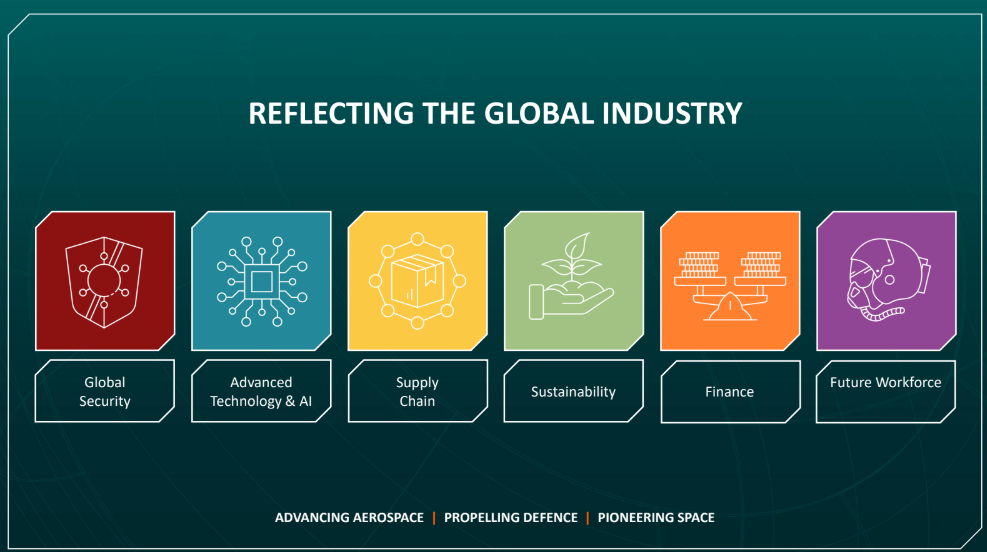
Today, the flying and static displays are only one part of the experience. Exhibition halls, conference programmes, government delegations, start-up areas, defence demonstrations and discussions about sustainability and the future workforce have become central to the event.
The scale of the modern show is a dramatic contrast with 1948. As reported by ADS Advance, the 2026 event (which ran from 20 to 24 July) attracted 141,580 trade and public visitors from 136 countries, a 41% increase on the previous event in 2024.
Farnborough 2026 generated £62.9 billion ($84.9 billion) in deals across four trade days, including 353 firm aircraft and 904 firm engine orders.
This evolution reflects the aerospace industry’s own transformation. Farnborough is no longer simply about faster aircraft and larger engines.
It is increasingly concerned with sustainable aviation, advanced manufacturing, space, autonomous systems, artificial intelligence, electric flight and the technologies required for the next generation of defence systems.
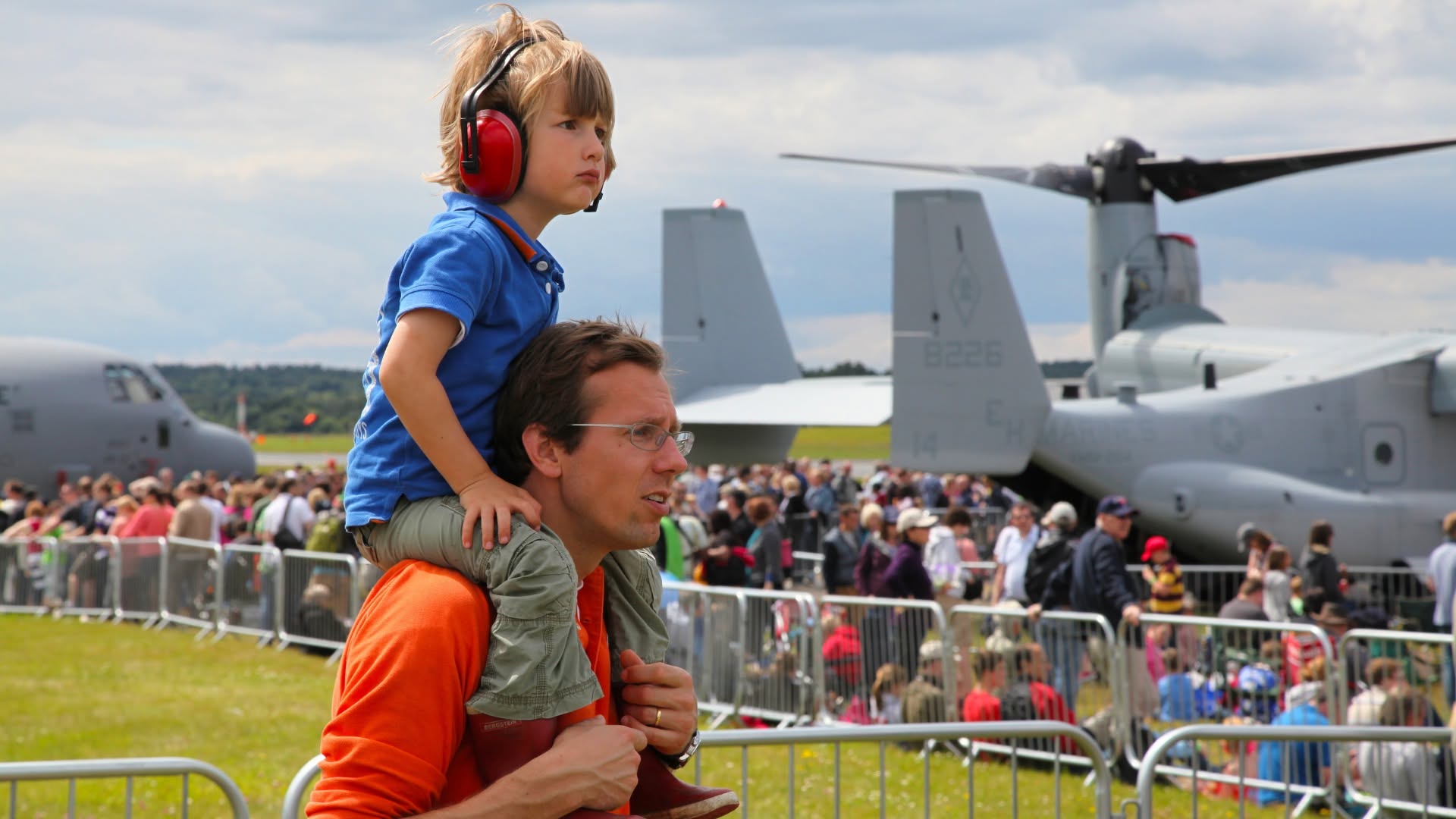
The 2026 show demonstrated this continuing expansion. A new sixth exhibition hall was added after the event sold out well in advance, making it the largest Farnborough Airshow in its 78-year history.
More than 63% of exhibitors were international, highlighting just how far the event has moved beyond its British origins.
What does the future hold for the Farnborough Airshow?
The future of Farnborough is likely to be shaped by the same forces transforming aerospace itself. Sustainability will be increasingly important.
Electric and hybrid-electric aircraft, sustainable aviation fuels, hydrogen and more efficient propulsion systems are likely to become increasingly prominent.
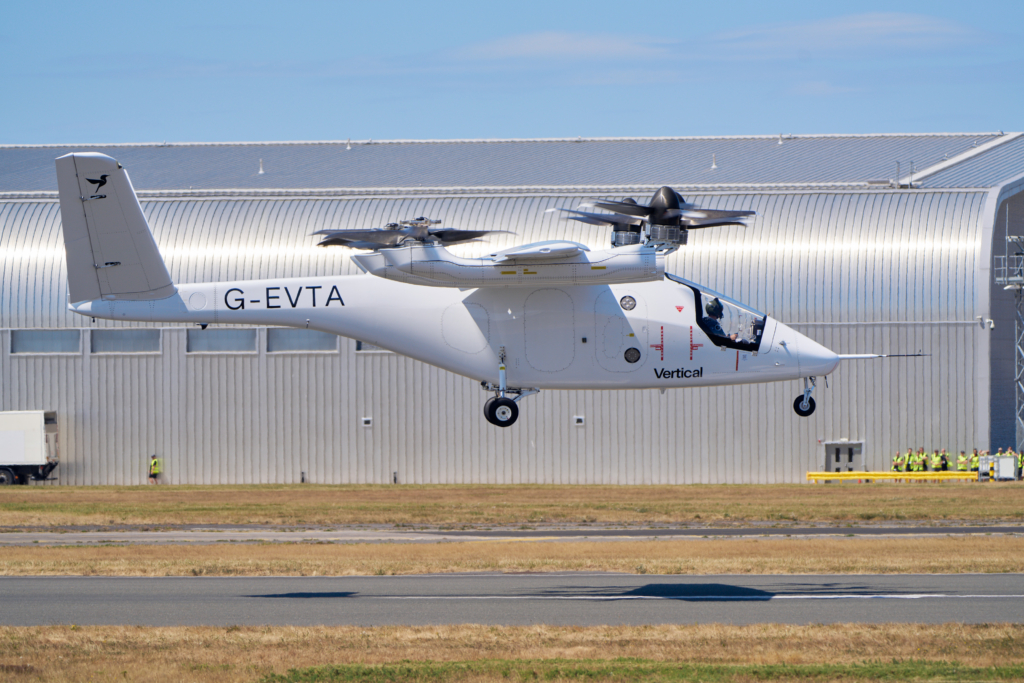
At the 2026 show, Vertical Aerospace made history with what the organisers described as the first public electric vertical take-off and landing (eVTOL) flight at Farnborough – a sign of how radically the definition of aviation is changing.
Defence and space will also remain major parts of the event. As nations invest in next-generation combat aircraft, drones, satellites, autonomous systems and advanced propulsion, Farnborough will continue to provide a meeting place for governments and industry.
Just as importantly, the show will need to inspire the next generation. Its Pioneers of Tomorrow programme already focuses on connecting young people with aerospace careers and addressing future workforce requirements.
Onwards and upwards for the Farnborough Airshow
After 78 years, Farnborough’s greatest strength may be its ability to evolve. The aircraft on display have changed from rudimentary propeller-driven machines to supersonic transports, stealth fighters and electric air taxis. The business surrounding them has changed just as dramatically.
Yet the fundamental purpose remains remarkably consistent: bringing people together to see what aviation can achieve next.
From the 66 aircraft of 1948 to today’s global aerospace marketplace, Farnborough has continually reflected the ambitions of the aviation industry. If its history is any indication, the next 78 years could be just as extraordinary.


