FAA announces first remotely piloted hybrid-electric cargo flight

5 min read
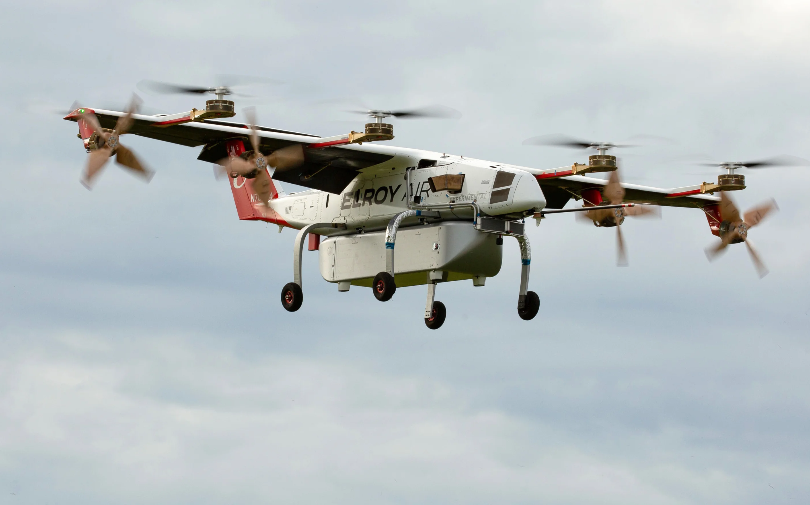
The Federal Aviation Administration (FAA) has announced a significant milestone in the development of next-generation aviation, highlighting demonstrations involving a remotely piloted hybrid-electric aircraft designed to transport cargo.
The organisation announced on 31 August that Elroy Air, a US-based UAM developer, and the Louisiana Department of Transportation and Development had conducted a hybrid-electric demonstration flight to test cargo deliveries using remotely piloted aircraft at Houma-Terrebonne Airport (HUM) in Louisiana.
This is the first remotely piloted aircraft test flight under the FAA’s eVTOL Integration Pilot Program (eIPP). According to the FAA, the development “represents an important step toward integrating new propulsion technologies and autonomous or remotely operated aircraft into the wider aviation system.”
The FAA announces first remotely-piloted cargo flights
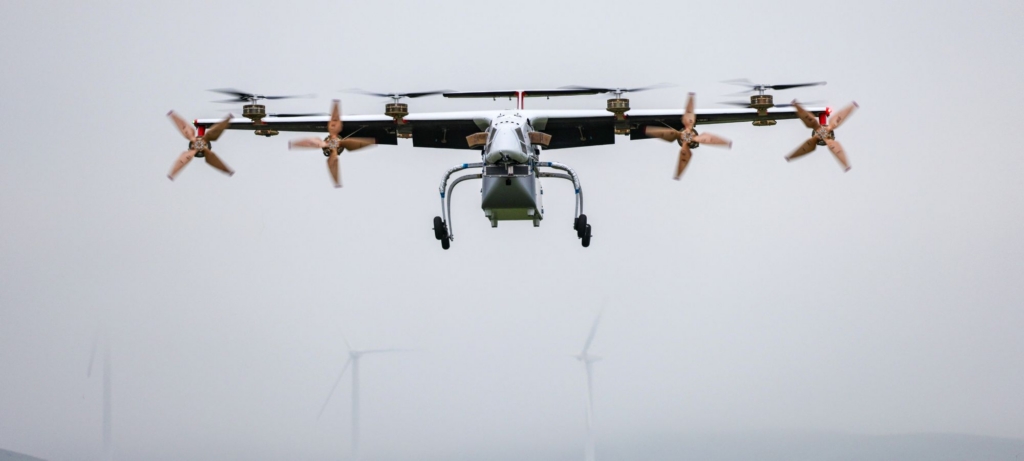
The test flight was part of a series of demonstrations using Elroy Air’s Chaparral aircraft as the US Department of Transportation works to safely integrate Advanced Air Mobility (AAM) aircraft into the National Airspace System.
Chaparral is described as a “highly automated hybrid-electric vertical take-off and landing (eVTOL) system designed to move heavy cargo by air between non-traditional sites.”
“This demonstration with the Louisiana Department of Transportation and Development provides data to help turn these concepts from trial to deployment,” said FAA Administrator Bryan Bedford.
“These test flights demonstrate how these new aircraft can expand cargo delivery options to communities nationwide and improve our logistics infrastructure,” he added.
Adding to the comments, Elroy Air’s CEO, Andrew Clare, said that its Chaparral had been designed and built to move heavy cargo autonomously in the places that need it most, including offshore energy platforms, industrial supply chains, disaster response, and communities beyond the reach of traditional infrastructure.
He added that the first flights conducted in Louisiana were the first step in the EIPP process, and that his company was “ready to deliver.”
Hybrid-electric aviation is gathering pace
Hybrid-electric aviation has attracted growing attention as manufacturers and technology companies seek ways to reduce fuel consumption, emissions, and operating costs.
Unlike conventional aircraft that rely entirely on traditional turbine or piston engines, hybrid-electric systems combine electric propulsion with another energy source, potentially allowing aircraft to operate more efficiently while maintaining the range required for commercial missions.
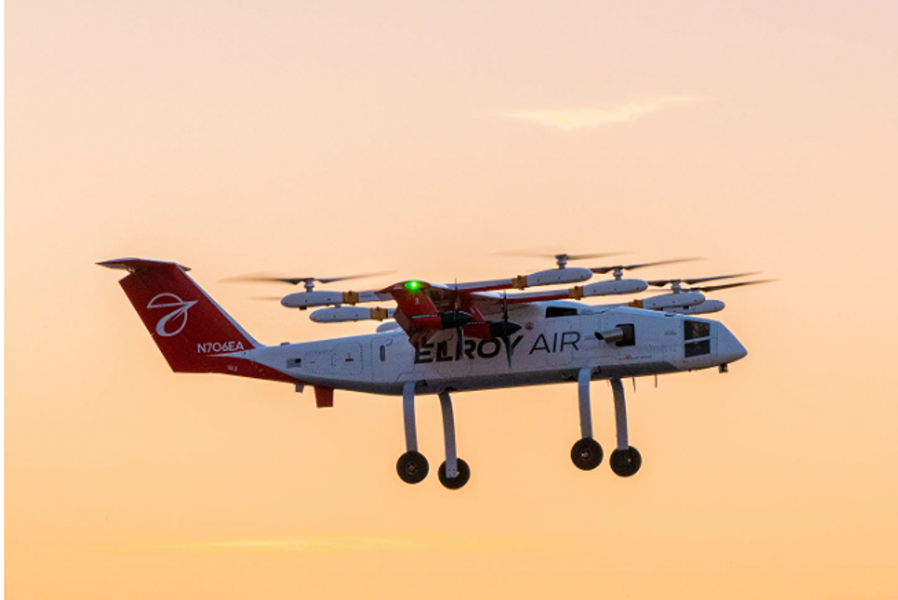
These remotely piloted cargo flights are particularly notable because they bring together several emerging technologies in a single operation.
Rather than carrying a pilot onboard, the aircraft can be controlled remotely, creating the potential for new approaches to cargo transportation. Such aircraft could eventually serve routes where conventional crewed operations are expensive, difficult or inefficient.
Conducting cargo flights with remotely-piloted aircraft
Cargo transportation is considered one of the most promising applications for remotely piloted aircraft. Unlike passenger aviation, cargo operations do not require an aircraft to accommodate people onboard, meaning designers can focus more heavily on payload capacity, efficiency and operational flexibility.
A remotely piloted hybrid-electric aircraft could potentially support short-haul and regional cargo services while reducing the environmental footprint of individual flights.
Depending on the aircraft’s design and operating conditions, electric propulsion could reduce fuel consumption and emissions, while remote operation could lower some of the costs associated with maintaining an onboard flight crew.
However, the technology remains at an important testing stage. Before remotely piloted aircraft can become a routine part of commercial aviation, regulators and operators must demonstrate that these systems can meet the same rigorous safety expectations applied to conventional aircraft.
FAA’s role in emerging aviation technology
The FAA plays a central role in evaluating new aviation technologies in the United States. Its involvement in demonstrations such as these allows regulators to gain practical experience with aircraft that operate differently from traditional aircraft.
Remotely piloted aircraft introduce several regulatory and operational questions. Authorities must consider how pilots on the ground communicate with aircraft, how aircraft respond to changing weather and traffic conditions, and how operators handle unexpected situations.
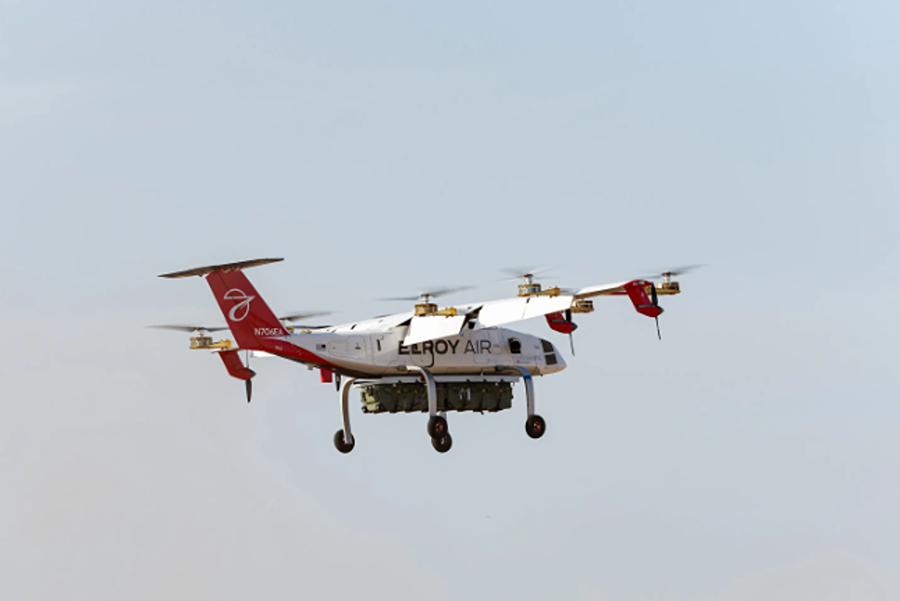
Airspace integration is another major consideration. Commercial cargo aircraft must be able to safely share airspace with passenger planes, business aviation, helicopters and other aircraft.
Reliable communication, navigation, surveillance and control systems will therefore be essential to the future deployment of remotely operated aircraft.
Hybrid-electric propulsion also creates its own certification challenges. Regulators must evaluate batteries, electric motors, power-management systems and the interaction between electric and conventional propulsion components.
Demonstration flights provide valuable real-world data that can help inform future standards and certification requirements.
Potential benefits for the cargo industry
If the technology successfully progresses from demonstrations to commercial operations, the potential applications could be substantial.
Regional freight carriers could use remotely piloted aircraft to move packages between distribution centres, airports and smaller communities.
Electric propulsion could also make certain cargo missions more economical, particularly on shorter routes where energy efficiency and operating costs are critical.
Smaller aircraft could potentially operate more frequently, providing flexible connections between major logistics hubs and regional markets.
The technology could eventually complement, rather than replace, conventional cargo aircraft. Larger aircraft would continue to handle long-distance and high-volume freight, while remotely piloted hybrid-electric aircraft could serve specific regional routes.
The importance of FAA support in such programmes
The FAA’s involvement in hybrid-electric and remotely piloted flight demonstrations signals the growing importance of advanced aviation technologies. Although commercial deployment will require extensive testing, certification and regulatory development, successful demonstrations can provide a foundation for future innovation.
The first remotely piloted hybrid-electric cargo flight is therefore more than a technological experiment. It represents a glimpse of how the aviation industry could evolve as electric propulsion, automation and advanced aircraft design become increasingly mature.
For cargo operators, manufacturers and regulators, the next phase will be about turning promising demonstrations into reliable, scalable and safe aviation systems.
If that transition succeeds, remotely piloted hybrid-electric aircraft could become an important part of the future cargo network, helping reshape how goods are transported through the skies.