Is there a doctor on board? How airlines deal with medical emergencies in flight

3 min read
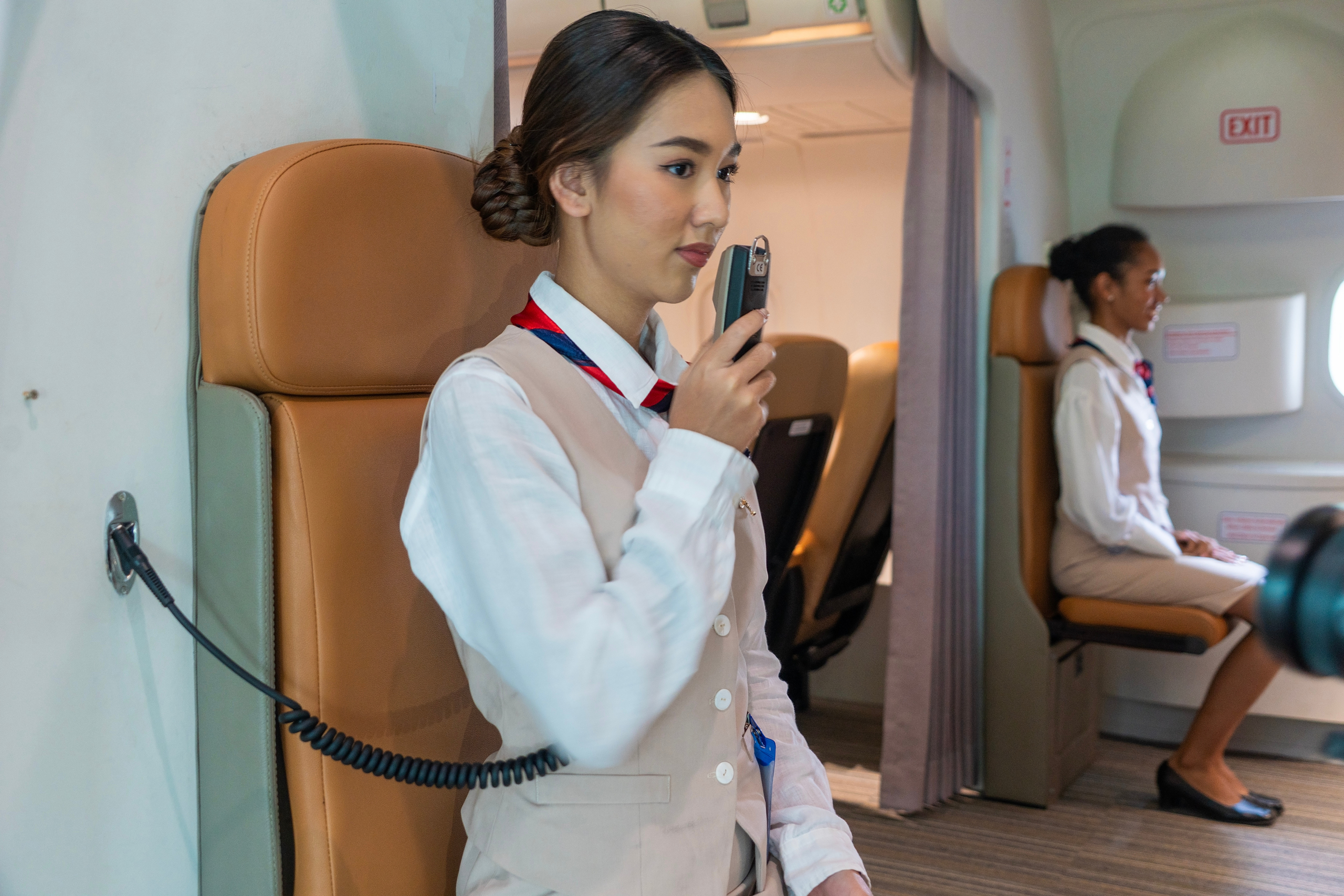
It’s one of the most recognisable announcements in aviation as it instantly grabs passengers’ attention.
While it may seem unusual, in-flight medical emergencies happen every day somewhere in the world.
Commercial aircraft expose passengers to lower cabin pressure, reduced oxygen levels and dry cabin air, all of which can reveal or worsen existing medical conditions.
With millions of people flying every day, airlines regularly deal with passengers becoming unwell at 38,000 feet.
How do cabin crew respond when a passenger is ill?
If there isn’t a doctor or nurse on board, cabin crew are fully trained to manage medical emergencies. In fact, they generally receive more extensive first aid training than pilots, so they are able to deal with everything from minor illnesses to life-threatening situations until professional medical care is available.
On rare occasions, even veterinarians have stepped forward to help when no human healthcare professionals have been available.
What medical equipment is carried on airliners?
Commercial aircraft are equipped with several medical kits to help manage onboard emergencies.
The Medical Care Pack (MCP) contains items for minor ailments, including paracetamol, burn gel, nose drops and adhesive bandages. The First Aid Kit (FAK) carries additional medicines for allergic reactions, nausea and vomiting, diarrhoea and indigestion, as well as dressings, antiseptics, bandages, tape and protective equipment.
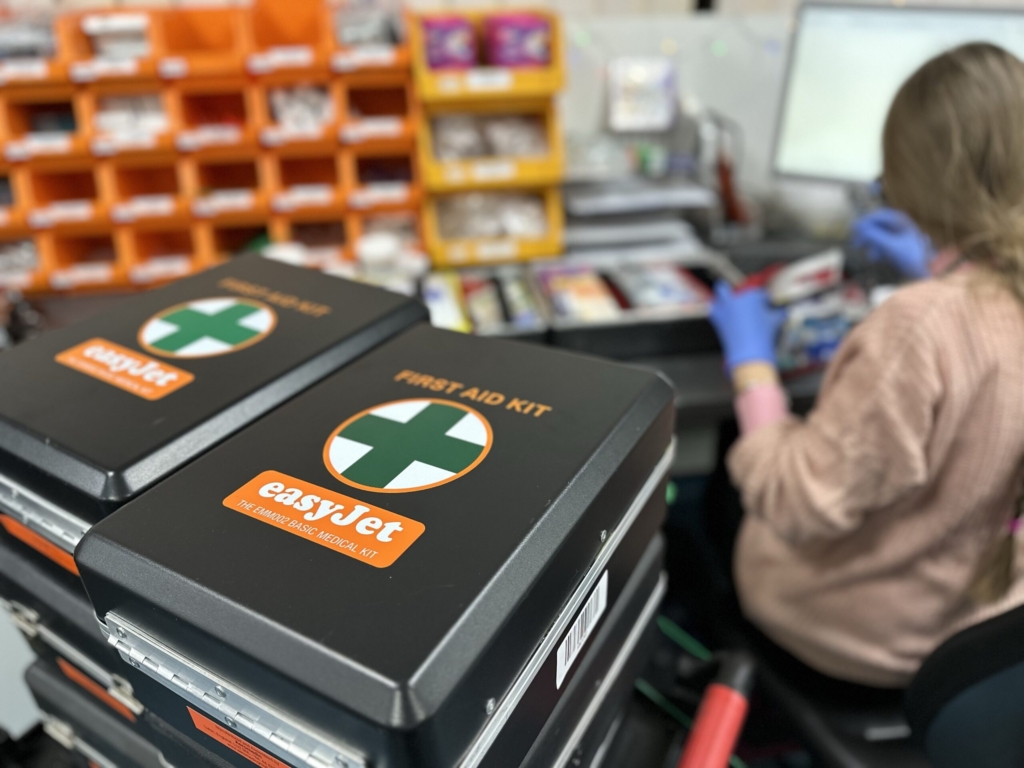
Aircraft also carry a Medical Equipment Kit (MEK), which contains prescription medicines, controlled drugs and specialist medical equipment that can only be used by qualified doctors or nurses. Cabin crew are not allowed to use these items unless directed by a medical professional.
Alongside these kits are therapeutic oxygen bottles and masks, plus an Automated External Defibrillator (AED), allowing crews to respond quickly to breathing difficulties or cardiac arrest.
Medical support beyond the cabin
When a doctor or nurse volunteers to help, they are often asked to sign a liability form before providing treatment. This transfers legal responsibility to the airline, protecting the volunteer from potential claims arising from emergency medical care given in good faith.
The crew also have access to expert medical advice on the ground. Many airlines subscribe to Medlink, a specialist service that connects flight crews with doctors via satellite telephone, the Aircraft Communications Addressing and Reporting System (ACARS), or increasingly through onboard internet calls. The medical team can advise on treatment and help the captain decide whether the aircraft should continue to its destination or divert.
At the same time, pilots remain in contact with Air Traffic Control and the airline’s Operations Centre, passing details of the passenger’s condition and their location within the cabin. This allows emergency medical services to be ready as soon as the aircraft lands.
Lufthansa’s ‘doctor on board’ programme
Some airlines have developed dedicated programmes to make medical assistance even more effective. Lufthansa‘s long-running “Doctor on Board” initiative allows doctors and nurses to register before travelling, recording their medical speciality. It helps cabin crew identify the most appropriate volunteer without necessarily making a public announcement.

Doctors participating in the programme are covered by Lufthansa’s liability insurance while providing medical assistance during a flight. They can also attend specialist training in aviation medicine and emergency care, so they can adapt their skills to the unique environment of an aircraft cabin.
As an added incentive, participants receive Miles & More award miles and discounts on future Lufthansa flights.
A well-planned emergency response
Although the announcement asking for a doctor may sound dramatic, it’s actually fairly common. Between highly trained cabin crew, specialist medical equipment, expert advice from doctors on the ground and volunteer healthcare professionals travelling as passengers, airlines are well equipped to manage medical emergencies safely until the aircraft reaches the ground.