


Airlines delay return to Gulf amid airspace restrictions and safety warnings

3 min read

Airlines are continuing to delay the planned return of flights to the Middle East as security concerns and airspace restrictions complicate efforts to resurrect their networks linking to key airports in the Gulf.
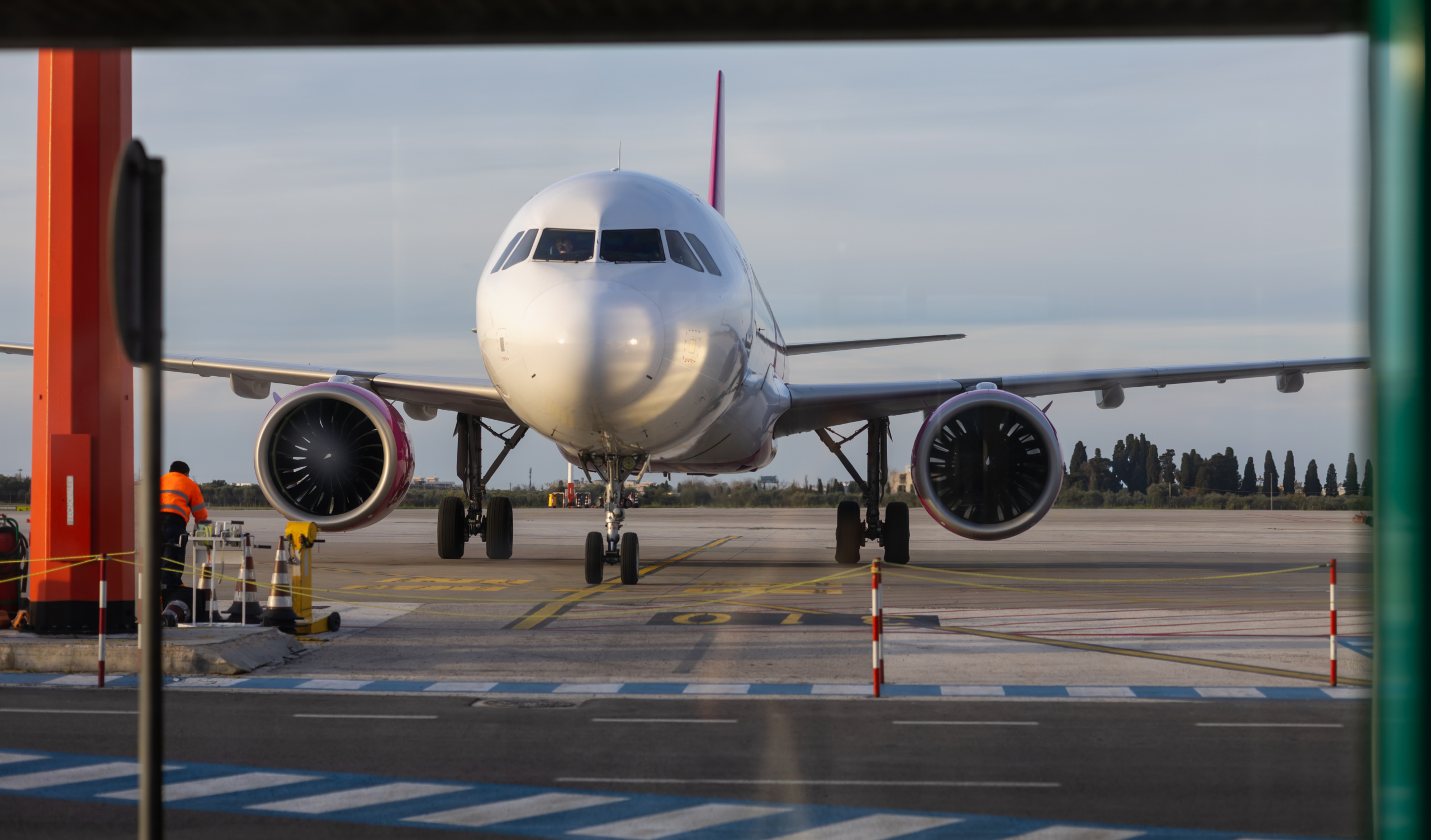
Wizz Air is the latest carrier to postpone the resumption of services to Abu Dhabi, pushing back the launch of six routes from Europe until January 2027.
The routes, from Krakow, Katowice, Sofia, Cluj-Napoca, Larnaca and Budapest, had been due to restart in late October.
However, European regulators have extended guidance affecting multiple airspace zones in the region.
EASA’s conflict advisory for the Gulf
The European Union Aviation Safety Agency (EASA) has extended its conflict-zone information bulletin covering Iraqi airspace until 16 November.
The agency continues to advise operators not to fly within the Baghdad Flight Information Region, at any altitude or flight level.
EASA said the airspace remains affected by conflict in the region, including Iranian drone and ballistic missile attacks, air-defence systems and other associated activities of armed groups.
Separately, EASA issued new guidance at the end of September for Saudi airspace. That follows warnings from rebel groups about the risk to civilian aircraft in the skies close to the border with Saudi Arabia and Yemen.
It warns air operators not to operate, at all flight levels and altitudes, within a section of airspace of Saudi Arabia covering the south of the country.
EASA also urges airlines continuing to fly to Saudi Arabia to “exercise caution and take potential risks into account when operating in the reminder of the FIR Jeddah”.
Iraq holds key to connect Europe with Middle East
The warning is significant for airlines operating between Europe and the Gulf because avoiding Iraqi airspace can force aircraft onto longer routes, increasing flight times, fuel consumption – and all of the associated operating costs.
The Baghdad FIR sits on a natural routing between Europe and the Gulf, and has been used more extensively in recent years as airspace over Ukraine and Russia has been blocked to most carriers.
Airlines that cannot use the airspace have to route around it, with alternatives generally involving longer tracks to the north or south.
Depending on the destination and the other restrictions in force, it can also lead to more complex routings through neighbouring airspace, which themselves have been affected by the US-Iran conflict.
Wizz Air said the combination of an uncertain security situation and the impact of Iraqi airspace closures were the primary causes of its delayed return to Abu Dhabi.
“Wizz Air confirms that it has postponed the launch of selected routes to Abu Dhabi (KRK, KTW, SOF, CLJ, LCA, BUD) scheduled to begin in late October, to 10 January 2027 as a result of EASA’s latest security update,” a Wizz Air spokesperson said.
“Combined with current fuel prices, this makes the affected routes commercially unviable under present conditions.”
Warnings impact resumption of flights
However Wizz is far from the only airline delaying its return to the Middle East.
British Airways, for example, plans to resume its London Heathrow-Dubai service in November but does not expect to restore its Abu Dhabi operation until the 2027-28 winter season.
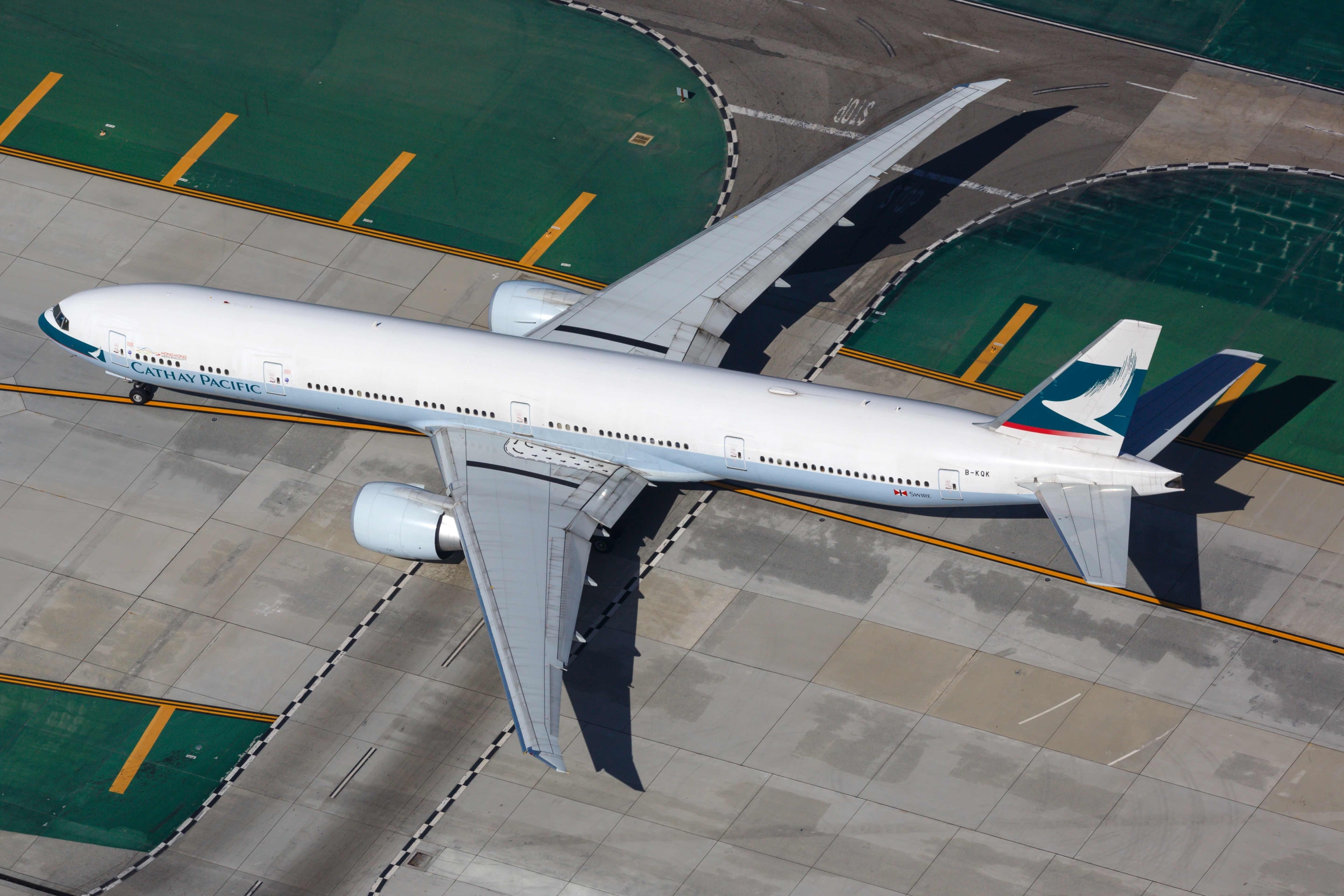
Air Canada has extended its suspension of Dubai services until the end of March 2027, while Cathay Pacific has cancelled flights to Dubai and Riyadh until the end of January.
Other non-Gulf hubbed airlines have begun to return, or have implemented only short-term suspensions of their schedules to the region.
Air France has resumed flights to Tel Aviv and Beirut, with Dubai services due to restart on 13 October and Riyadh on 24 October, although it says the return of operations remains subject to the rapidly changing security situation.
Air India and Air India Express have also restored their full pre-war Gulf network, including Kuwait and Salalah, but continue to warn passengers that flights may be affected by airspace closures across the region.


