Back in the zone: How does an airline decide when it’s safe to fly into a conflict-affected region again?

6 min read
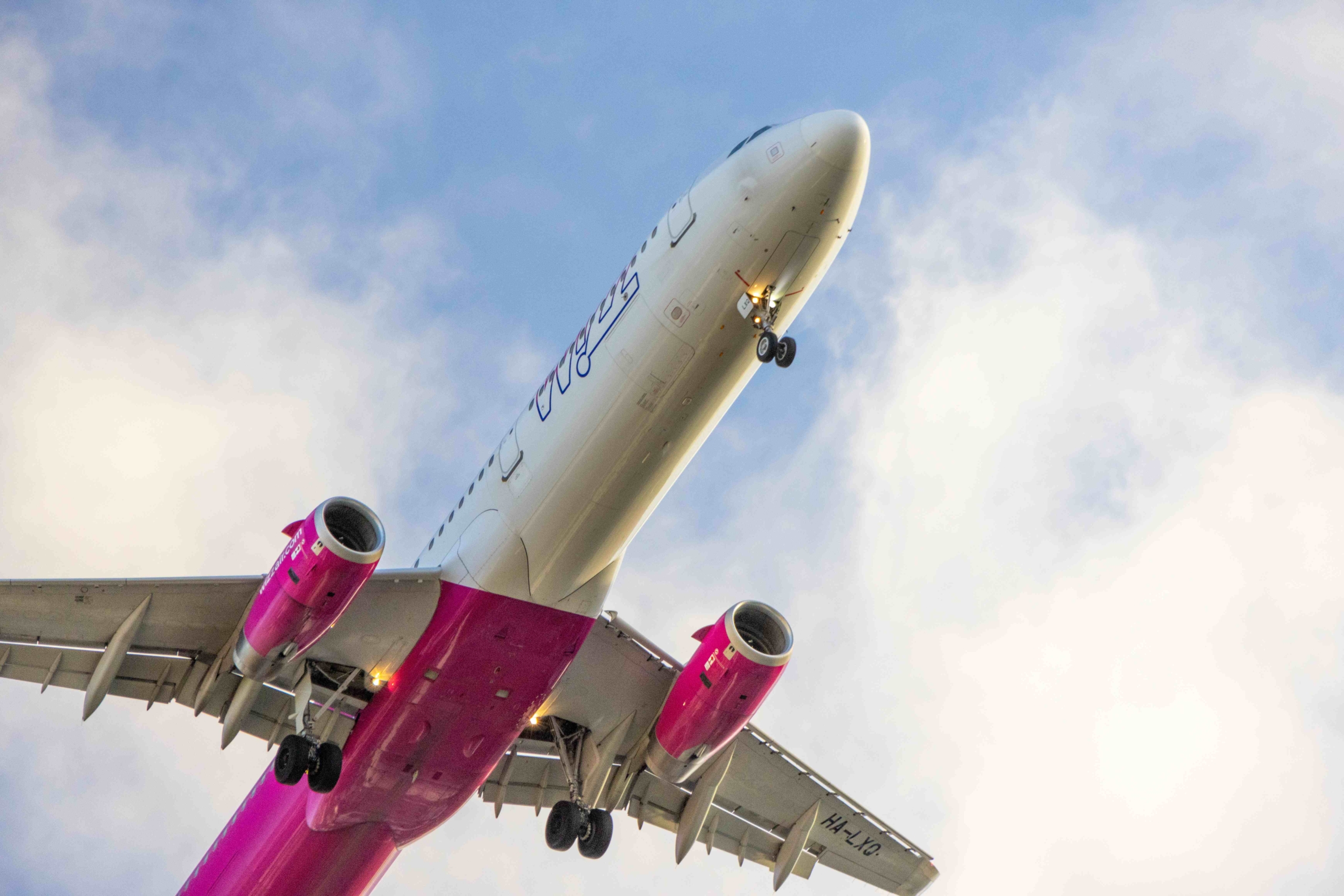
Earlier this week, Hungarian low-cost carrier Wizz Air announced it will progressively restore services to the UAE, Jordan and Saudi Arabia – so what’s changed to make the airline confident it’s safe to resume operations in the Middle East?
Less than a year after ending its locally based Middle East operation Wizz Air Abu Dhabi, the airline has announced plans to return to Dubai and Abu Dhabi. Jeddah in Saudi Arabia and Amman in Jordan will also return to the low-cost carrier’s network.
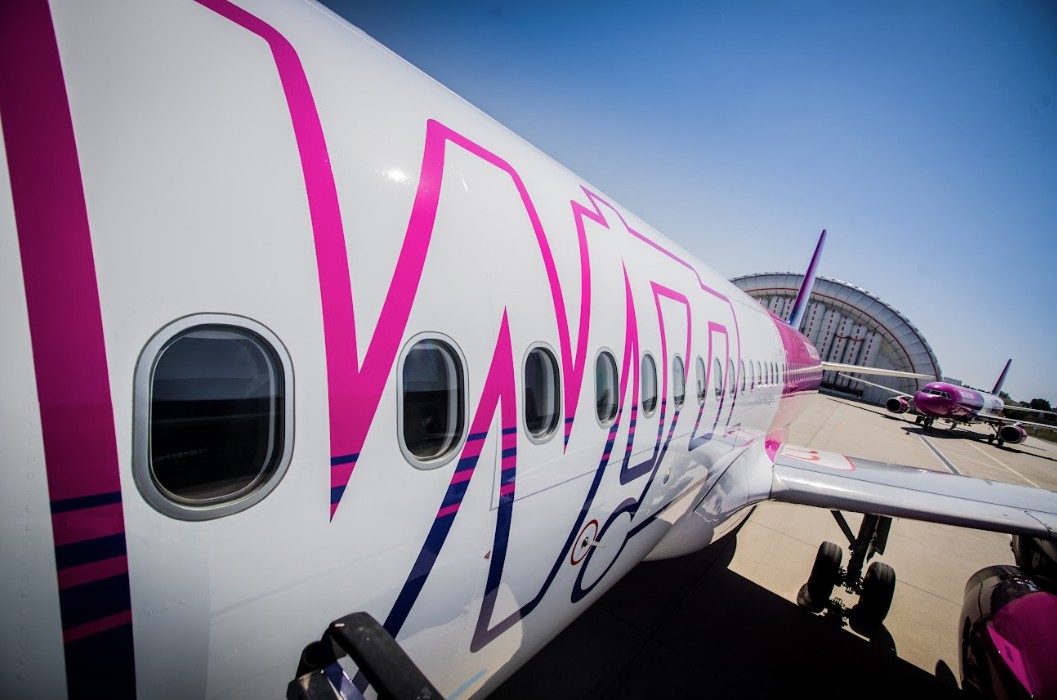
Wizz Air confirms its return to the Middle East
“Dubai, Abu Dhabi, Jeddah and Amman are coming back with 12 routes and 49 weekly flights. Book them now!” the airline declared in a social media statement on Instagram.
The airline has yet to confirm details of the 12 routes, when it will recommence, or how it will schedule the 49 weekly flights.
🚨🇦🇪 WIZZ AIR IS BACK IN THE UAE! ✈️@wizzair has confirmed the return of Abu Dhabi & Dubai from 25 October 2026! 🇦🇪
— Gulf Sky Aviation (@GulfSkyAviation) September 9, 2026
The airline will restore 12 Middle East routes and 49 weekly flights across the UAE, Saudi Arabia and Jordan.
🔥 Wizz Air is officially returning to the Gulf!… pic.twitter.com/ioYK7mbis8
The carrier ended its regional operations with Wizz Air Abu Dhabi just over a year ago on 1 September 2025, citing operational challenges and geopolitical instability in the region as the reason.
How does an airline decide it’s safe to return to a region after conflict?
A decision to return to a region post-conflict is a layered process that relies on regulatory clearance, insurance considerations, local intelligence and an airline’s own commercial judgement. Even then, a decision to return can be reversed almost immediately if the picture on the ground changes.
A shared rulebook
The reopening of airspace traces back to the International Civil Aviation Organization’s (ICAO’s) Risk Assessment Manual for Civil Aircraft Operations over or near Conflict Zones.
The manual, now in its third edition, covers risks from both deliberate attacks and accidental impacts on civil aircraft, giving states and operators a standard framework for deciding whether to fly near conflict zones.
In addition to the closure of airspace and guidance on threats from surface-to-air missiles, surface-to-surface and air-to-air attacks, the latest edition also offers fresh guidance on how to reassess airspace once a conflict cools off and ensure standards are harmonised, so carriers aren’t scoring the same risk differently.
Based on ICAO’s guidance, a country’s civil aviation authority then decides whether airlines can use airspace and, if so, under what conditions: special routings, minimum altitudes, time-of-day limits. These will be communicated through NOTAMs and direct guidance.
In the case of the recent disruption in the Middle East, the UAE’s General Civil Aviation Authority (GCAA) briefly shut the country’s airspace as an “exceptional precautionary measure.” Airspace was only reopened after a comprehensive assessment of security and operational risks was carried out with national and international authorities.
Airspace reopening is not necessarily the green light for airline services to resume
Getting the regulator’s green light to reopen airspace doesn’t necessarily mean an airline resumes operations in the affected region. Operators still need to carry out their own risk assessments before flying their aircraft, crew and passengers into that airspace. Bigger airlines have dedicated crisis management teams inside their operations control centres with direct access to national security providers so they can build a comprehensive risk picture before committing to a flight.
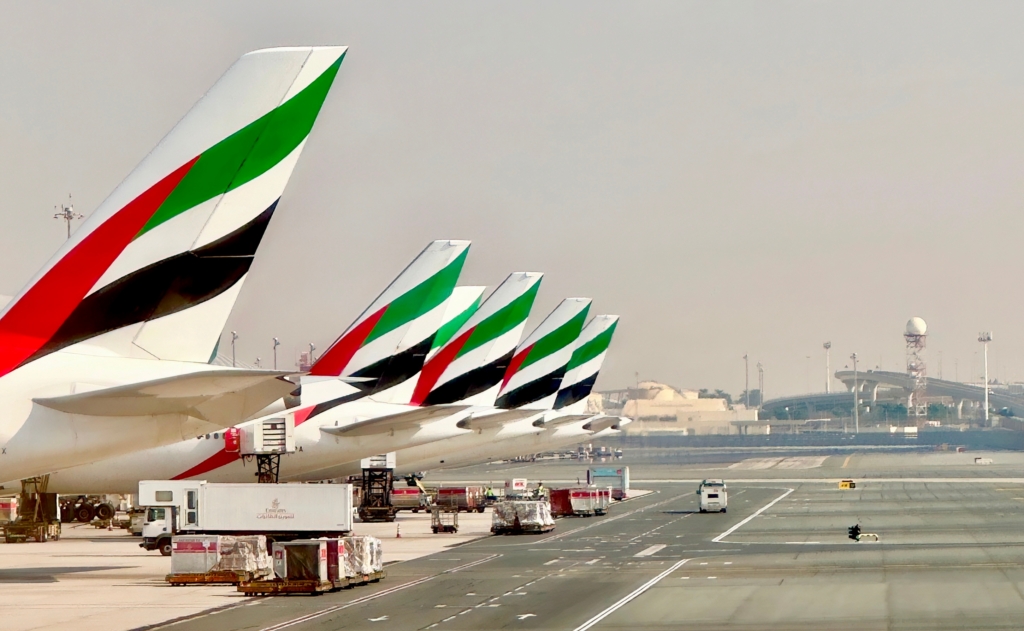
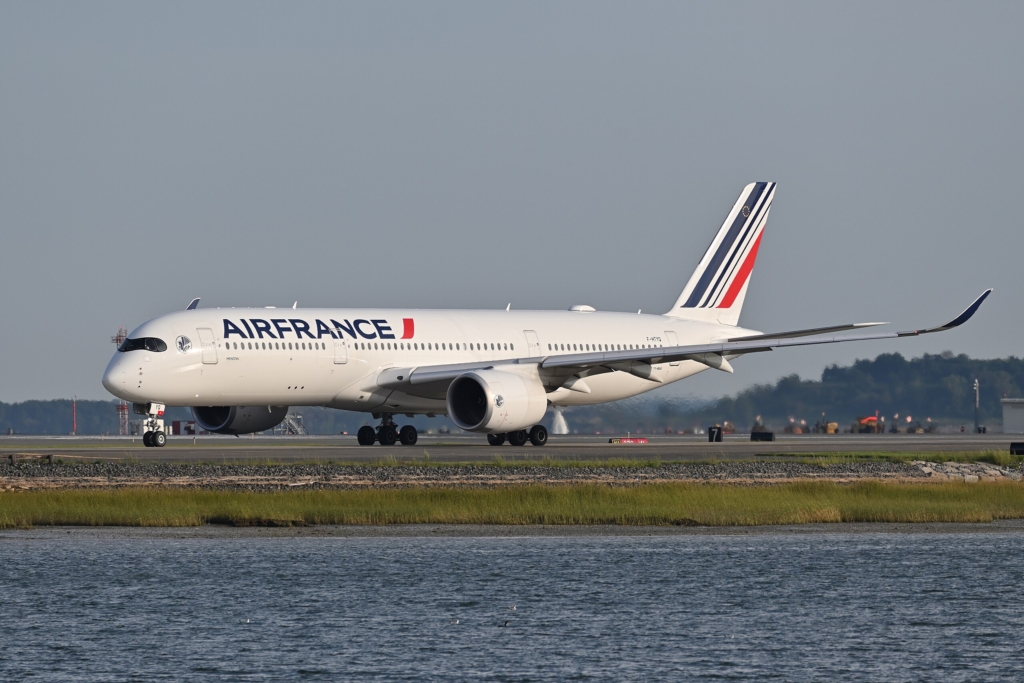
So, while some carriers, such as Emirates, Air France and Air India, have resumed flights to destinations in conflict-affected regions, their operations remain subject to local security assessments.
It’s not just the aircraft – crew safety is a primary concern
Resuming a route isn’t only about whether it’s safe to fly in a region. For airlines running full-service operations with overnighting crew, a ground-level risk assessment is also critical to determine whether it’s safe for pilots and crew to stay in that destination between flights.
Navigating airspace de-escalation
According to a report by Osprey Flight Solutions, the decision to resume operations in a previously restricted airspace or conflict zone should never rest on a single factor. Operators are expected to weigh geopolitical shifts, military and security developments, regulatory guidance, incident trends, and risk assessments together.

Once open-source intelligence suggests an airspace is stabilising, operators then have to navigate the practical steps to actually resume flights – staying on top of the latest updates and approvals for route reactivation requires liaising with aviation authorities and national regulators.
The insurance risk
Deciding to resume operations in a conflicted region isn’t purely a safety-driven calculation. Underwriters will also need to conduct risk assessments and review available coverage options, which can determine whether a route is commercially viable to fly. Logistical factors such as refuelling, passenger demand, crew security and emergency contingencies also have to be factored in when deciding to resume a route.
It’s not just the Middle East where airspace closure is currently cause for concern
Geopolitical uncertainty affecting airspace isn’t confined to the Middle East either. On 1 September, Ukrainian President Volodymyr Zelensky issued a stark warning that the skies over Russia are “becoming completely unsafe.”
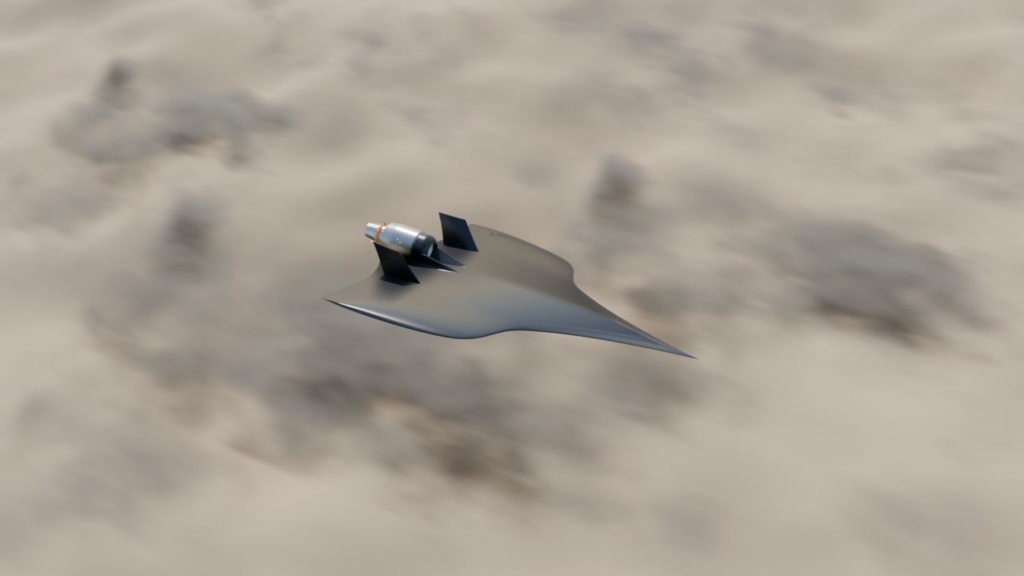
Drone activity in Russian airspace is now a key factor in operational decisions in the region.
Osprey’s Chief Intelligence Officer, Matthew Borie, cautions against reading too much into a single statement, however. “It is also worth being clear about what has actually changed. Drone activity over Russia and the disruption it causes to Russian Airspace, has been building for months. The underlying risk has not shifted overnight,” he said. What has changed, he argued, is “the level of public attention following a direct statement from a head of state who is himself a party to the conflict.
“That is why statements from either side, Kyiv or Moscow, cannot be the sole basis for a risk decision. Both have an obvious interest in how the story is told,” Borie said. “Operators need consistent access to data from an independent source with no stake in the conflict, so decisions rest on evidence rather than rhetoric.”
Osprey says it bridges that data gap by sourcing intelligence directly from experts and verifying it across multiple open sources. AI-driven trend and pattern analysis is then applied to the data to build a dynamic view of where airspace risk is concentrated, which altitudes are affected, and when hazardous activity is most likely.
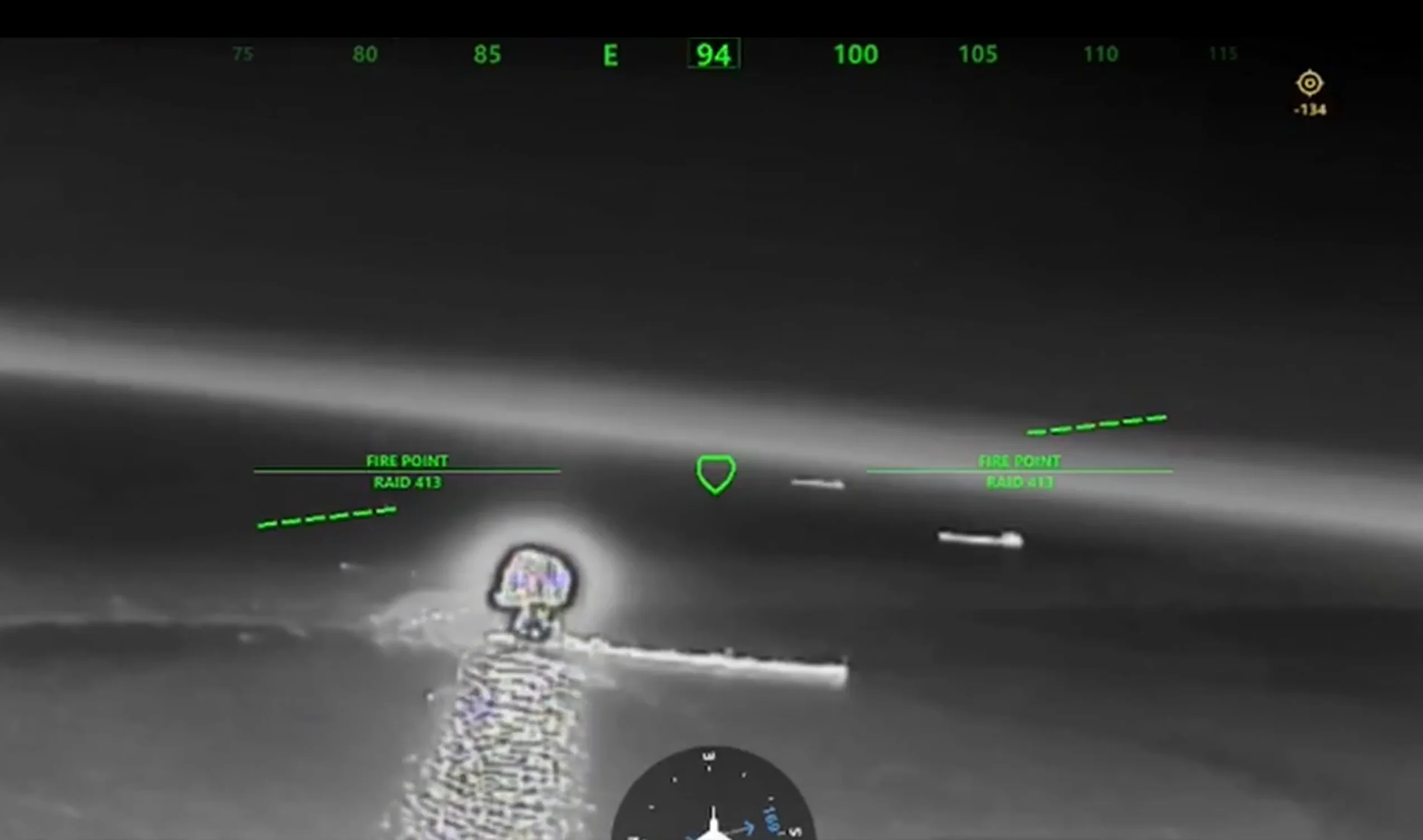
Reopening doesn’t necessarily mean a return to normality
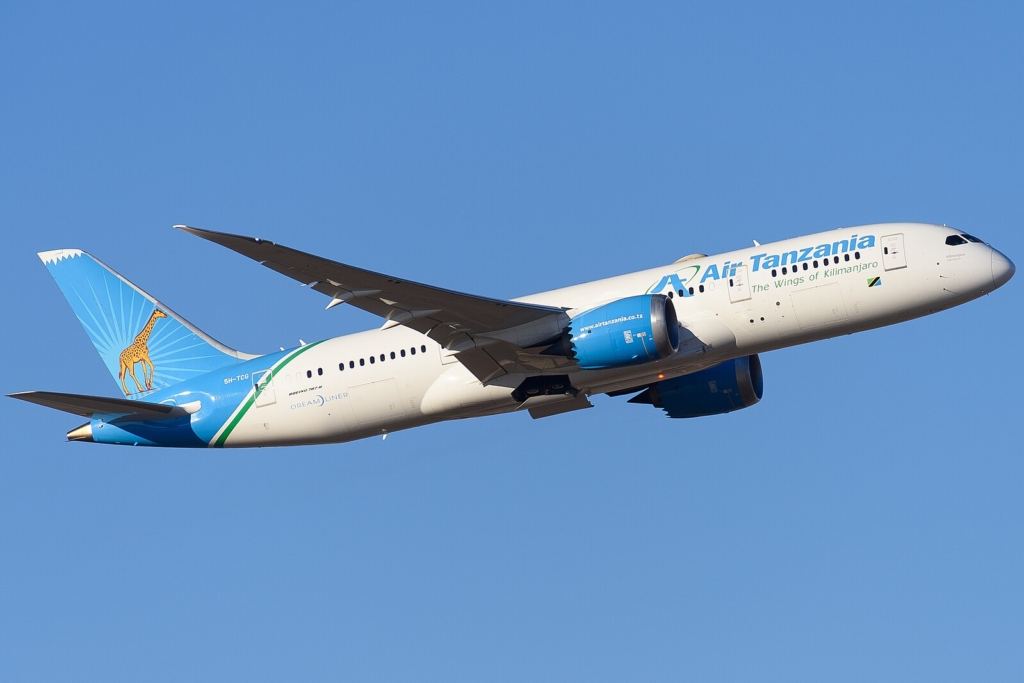
Perhaps the most important thing to understand is that resuming flights doesn’t mean the story is over. Airlines can reverse decisions quickly when conditions shift. Air Tanzania’s suspension earlier this month of its Dar es Salaam-Moscow route is a case in point. A routine risk assessment flagged an escalation in drone activity near the Russian capital, leading the airline to suspend its service on the affected link. However, days later, following a review with the relevant regulatory authorities, the route was deemed safe to resume.
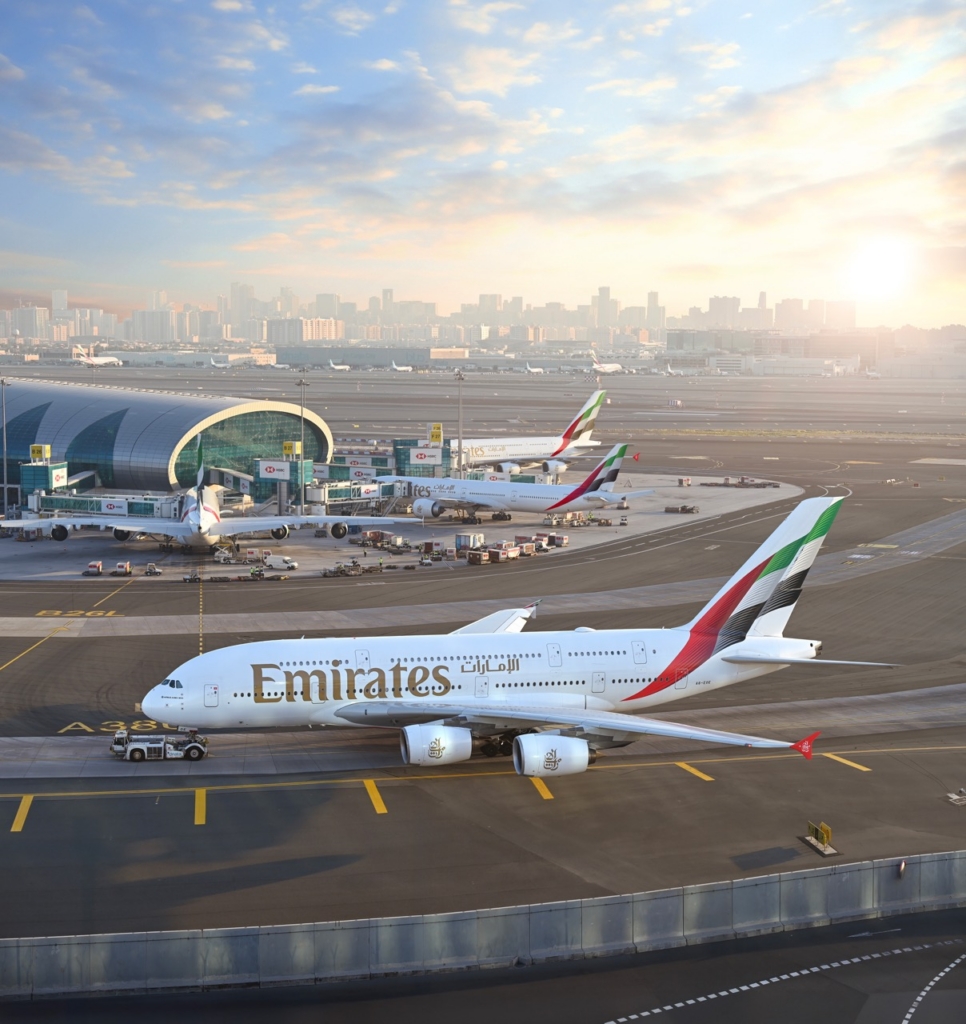
Similarly, while Emirates has resumed around 98% of its global network, it is still warning passengers that the situation remains fluid and they should keep an eye on their flight status, even after checking in.
The broader lesson is that a flight resuming doesn’t necessarily mean an airspace has been declared safe. Rather, it means the airline and relevant authorities have assessed the risk and determined it is acceptable for that particular operation at that particular time.