


Why does the A350F need a flight test programme when it is based on an existing aircraft?

7 min read
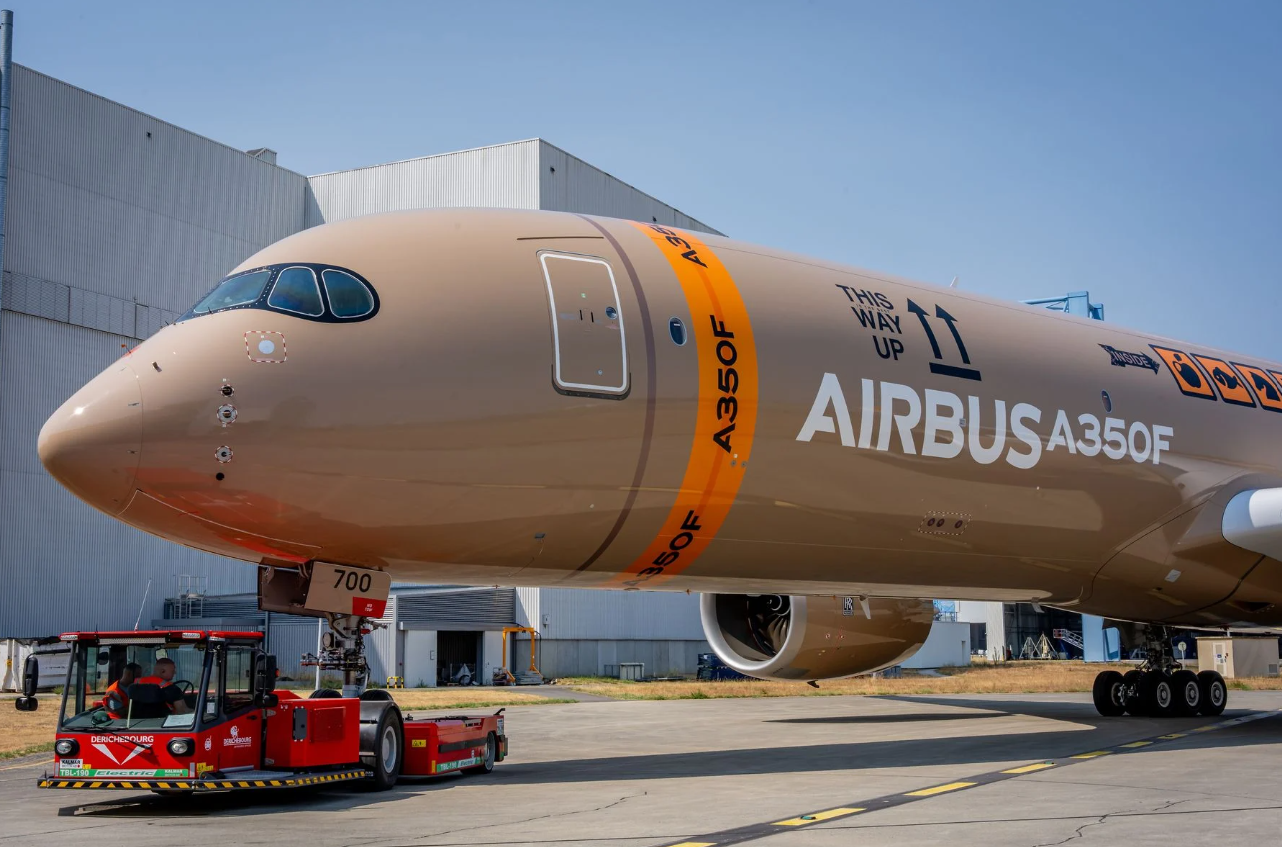
At first glance, the Airbus A350F might seem like an aircraft that should need relatively little flight testing. After all, the new freighter is derived from the existing A350 family, one of the most extensively tested and mature widebody aircraft in s=ervice.
Its engines, wings and much of its underlying technology are already proven on the passenger versions. So why does Airbus need a dedicated flight-test campaign lasting around nine months and involving some 400 flight hours before the A350F can enter service?
The answer is that an aircraft derivative can inherit a great deal from its predecessor but without inheriting its exact aerodynamic behaviour.
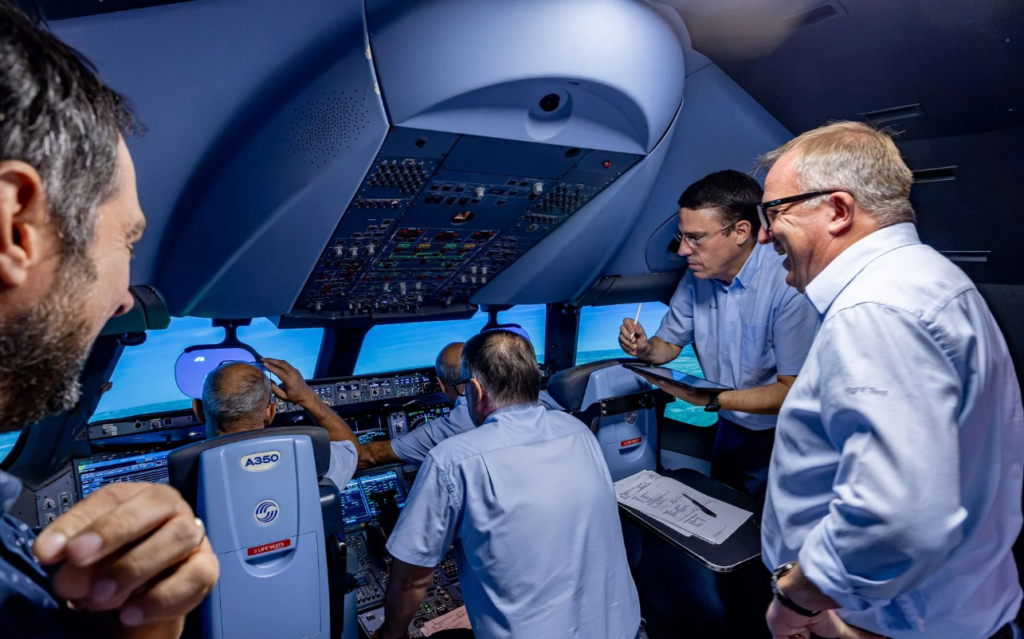
That distinction is at the heart of the A350F’s development. Airbus says the A350F freighter is neither simply an A350-1000 nor an A350-900. Instead, its configuration combines an A350-900-length forward fuselage with the longer rear fuselage of the A350-1000, while retaining the A350-1000’s wings.
That unusual combination gives the freighter a different overall geometry, and therefore a different aerodynamic model. For flight-test engineers, this makes the A350F a new aircraft in all the ways that matter when it comes to proving how it behaves in the sky, and hence why it requires a flight test campaign all of its own.
A familiar aircraft but with unfamiliar characteristics
The A350F is designed around the requirements of freight rather than passengers. Its most obvious differences are in the fuselage and cargo areas, where Airbus has introduced systems such as the main-deck cargo door and cargo-loading system needed to handle up to 111 tonnes of payload.
Other changes include a dedicated courier area, new air-distribution architecture, revised water and waste systems, oxygen equipment and fire and smoke detection systems. These modifications mean the aircraft has to be assessed not simply as a collection of proven components, but as an integrated machine.
Moving from a passenger aircraft to a freighter changes how weight is distributed, how the fuselage is configured and how the aircraft interacts with the air around it.
Even when individual components are familiar, putting them together in a new configuration can produce behaviour that has not previously been measured in flight.
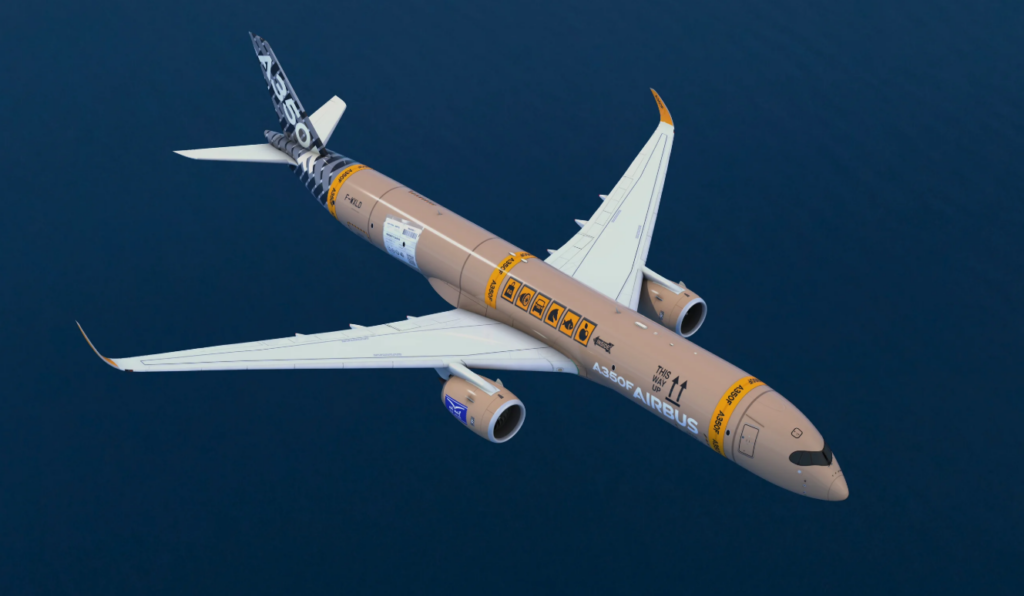
Airbus’ Laurent Bussiere, lead flight-test engineer for the A350F programme, described the result as a “unique model”.
The changed fuselage geometry affects the aircraft’s aerodynamics and, consequently, its flight-control behaviour. The new landing-gear geometry also affects how the aircraft manoeuvres on the ground.
That is why the A350F cannot simply inherit the flight characteristics of the A350-1000. The engineers need to demonstrate that their computer models are correct – and that the aircraft behaves as predicted when it is actually airborne.
The importance of the “Virtual First Flight”
“Long before the wheels of the first flight test A350F (MSN700) ever leave the runway, Airbus is effectively flying the A350F inside a simulator. The ‘Virtual First Flight’ is one of the most important milestones on the road to the real first flight”, explained Bussiere.
Rather than being a conventional pilot-training exercise, it is a comprehensive rehearsal involving the aircraft’s systems, flight-control laws, flight-test crew and potential failure scenarios.
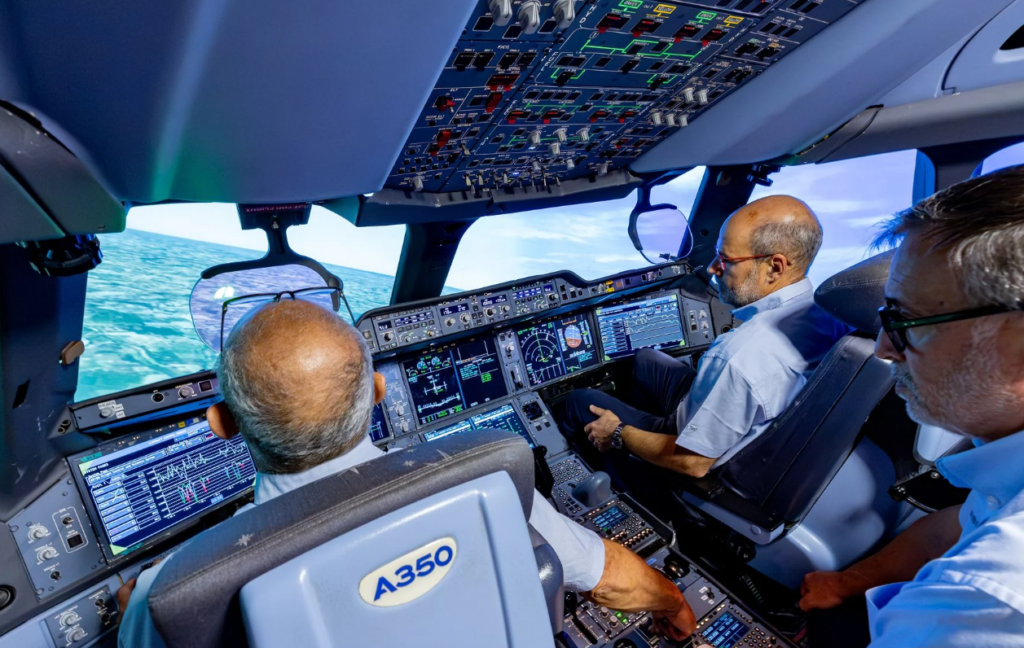
Airbus says the Virtual First Flight programme consists of 13 simulation sessions, each lasting around five hours.
Crucially, the development flight-test simulator is connected to real aircraft avionics test benches, including the actual flight controls and digital engine-control systems. Airbus describes the resulting setup as approximately 90% representative of the physical aircraft.
The remaining uncertainty is particularly important: the freighter’s specific aerodynamic model. This is where simulation and flight testing meet.
The simulator allows the team to test the aircraft’s systems and procedures before committing the real aircraft to the sky. It can also expose combinations of system failures that would be difficult or unsafe to reproduce during an initial flight.
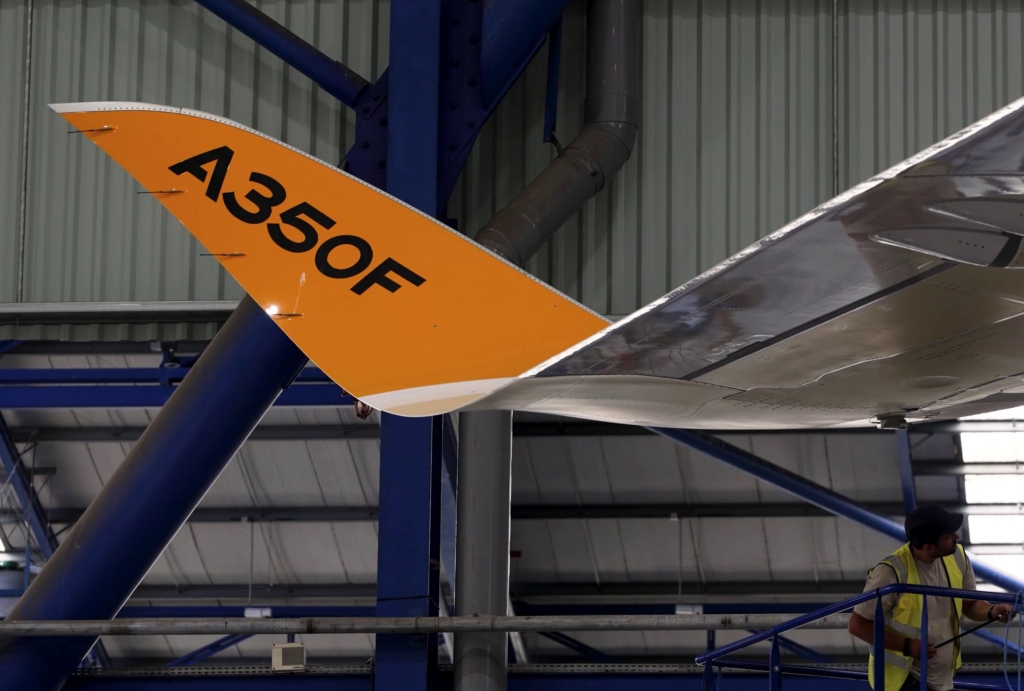
The exercise therefore helps answer questions such as: What happens if several systems fail at once? How serious is the failure? What should the crew do? And are the existing A350-1000 procedures appropriate for the freighter, or do they need to be changed?
The Virtual First Flight does not eliminate the need to fly the aircraft. Instead, it reduces the uncertainty before that flight takes place.
Proving the aircraft, not just its components
Another reason the flight-test campaign is necessary is that certification is about evidence. It is not enough for Airbus to demonstrate that the A350F uses systems derived from an already certified aircraft.
It must show that the particular configuration meets the applicable requirements for safety, performance and handling.
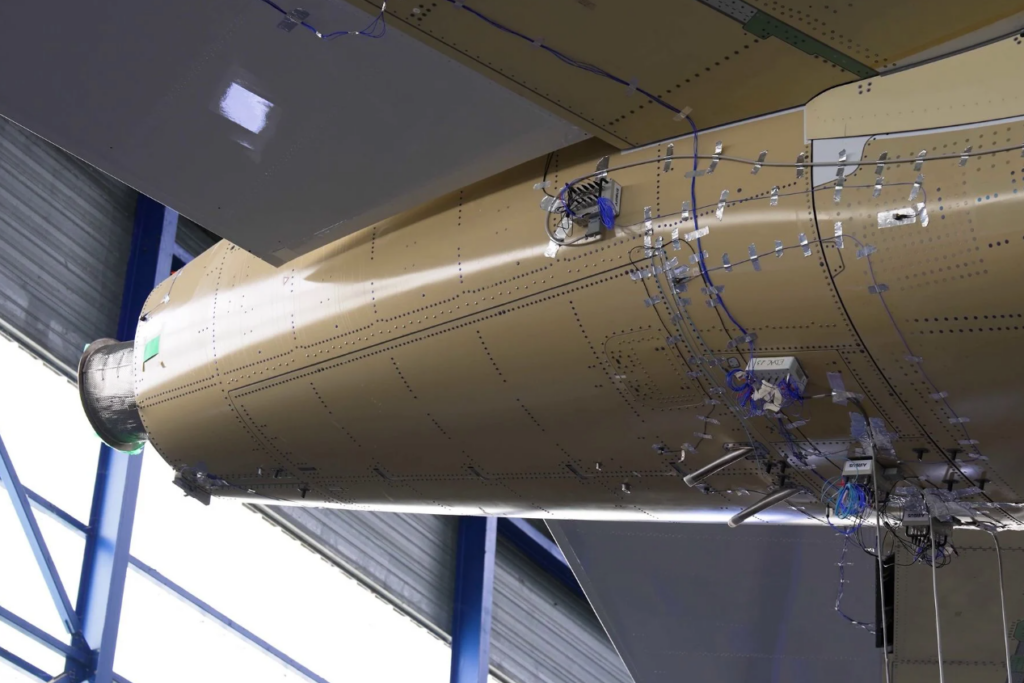
Ground testing provides an important part of that evidence. For example, the A350F has already undergone Ground Vibration Testing, in which engineers measured how the physical airframe responds to controlled vibrations.
Those measurements are used to refine structural and aeroelastic models before the aircraft’s flight envelope is opened further. The flight-test campaign then takes those models into the real environment.
The first aircraft, MSN700, will concentrate on areas including aerodynamic performance, handling qualities and autopilot systems.
A second test aircraft, MSN701, will focus more heavily on systems testing, including air conditioning and extensive fire-and-smoke testing. The two aircraft therefore provide complementary test platforms rather than simply repeating the same work.
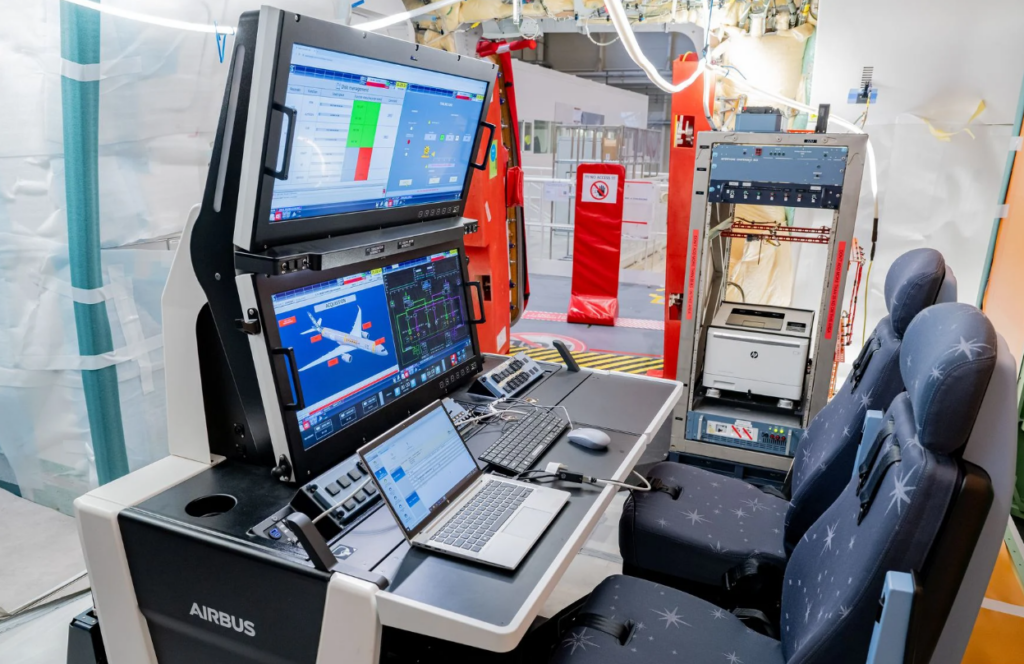
Some tests will be particularly specific to the freighter mission. Fire and smoke testing, for example, has implications for both aircraft systems and operational procedures.
Airbus notes that a cargo-deck fire may require the aircraft to depressurise the cargo area and operate at around 20,000 feet as part of the procedure for extinguishing the fire.
Cargo itself also has to become part of the flight-test programme. Airbus intends to assess loading and unloading operations with representative containers and payloads and eventually involve operators using their own pallets and unit load devices.
In other words, the A350F is not merely being tested to establish whether it can fly. It is being tested to establish whether it can perform its job safely and reliably.
Why derivatives still need flight testing
The A350F illustrates a broader truth about aircraft development: “based on” does not mean “identical to”. Modern aircraft are designed around highly integrated systems. Changing the shape or mission of one part of the aircraft can affect another.
A change in fuselage configuration can influence aerodynamics; changes in weight and balance can affect handling; new systems can alter operational procedures, and a new cargo mission introduces requirements that simply do not exist on a passenger aircraft. That is why derivative aircraft routinely undergo their own certification and flight testing.
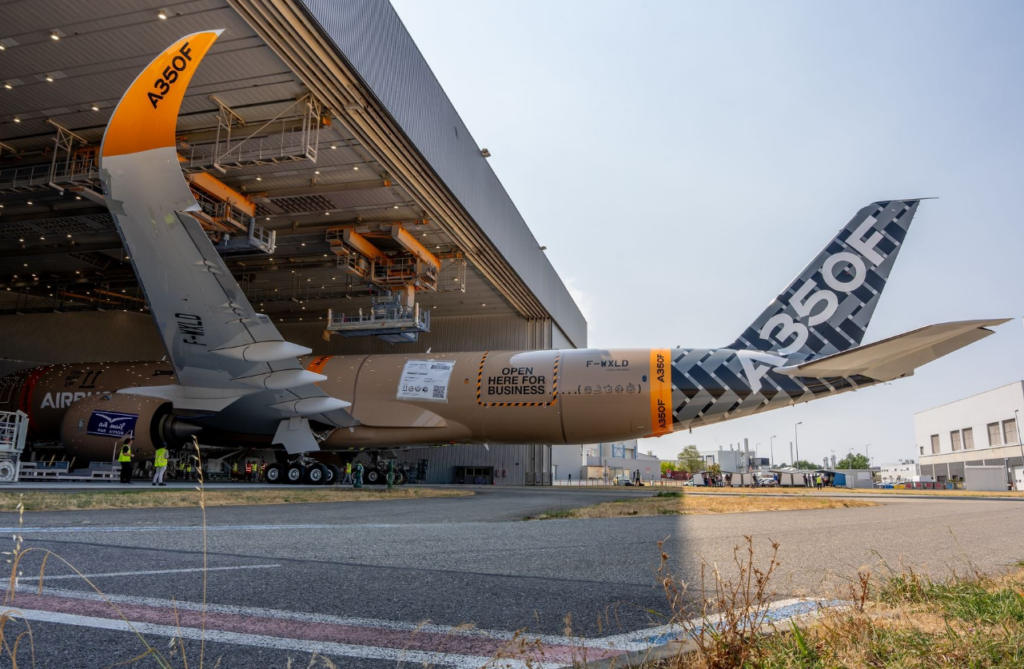
The A350F benefits enormously from the experience accumulated through the development and operation of the existing A350 family. Engineers do not have to start from a blank sheet of paper.
They can carry over proven technology, procedures, models and systems wherever the configuration allows. But flight testing is where those assumptions are confronted with reality.
The objective is not to prove that Airbus’ previous A350s were safe. That has already been established. The objective is to demonstrate that this particular combination of structure, aerodynamics, systems, controls and cargo equipment behaves safely as one aircraft.
That distinction explains why the A350F can be both a derivative and, for flight-test purposes, a new aircraft.
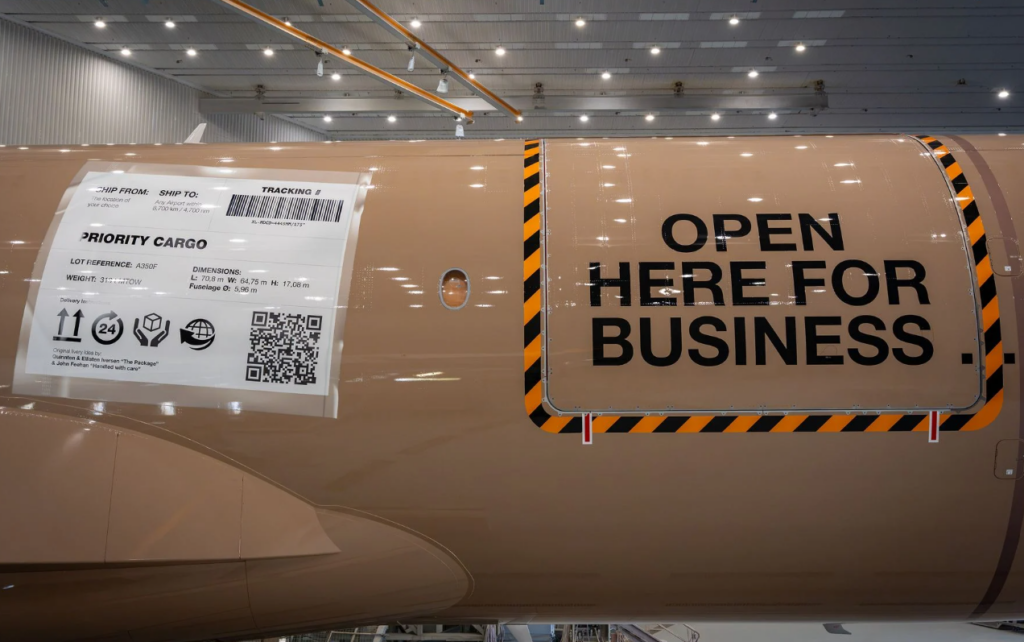
The first flight, expected later this year, will therefore be more than a ceremonial moment. It will mark the transition from an aircraft that has been extensively modelled, tested on the ground and flown virtually to one whose remaining questions can only be answered in the sky.
And although the A350F inherits much of the technology that made the A350 family successful, its flight-test campaign exists to prove something different in that all those familiar pieces work together in an unfamiliar configuration – and that the result is ready to carry freight into commercial service.


