


Airbus asks A330neo operators to inspect aircraft for stray tools

5 min read
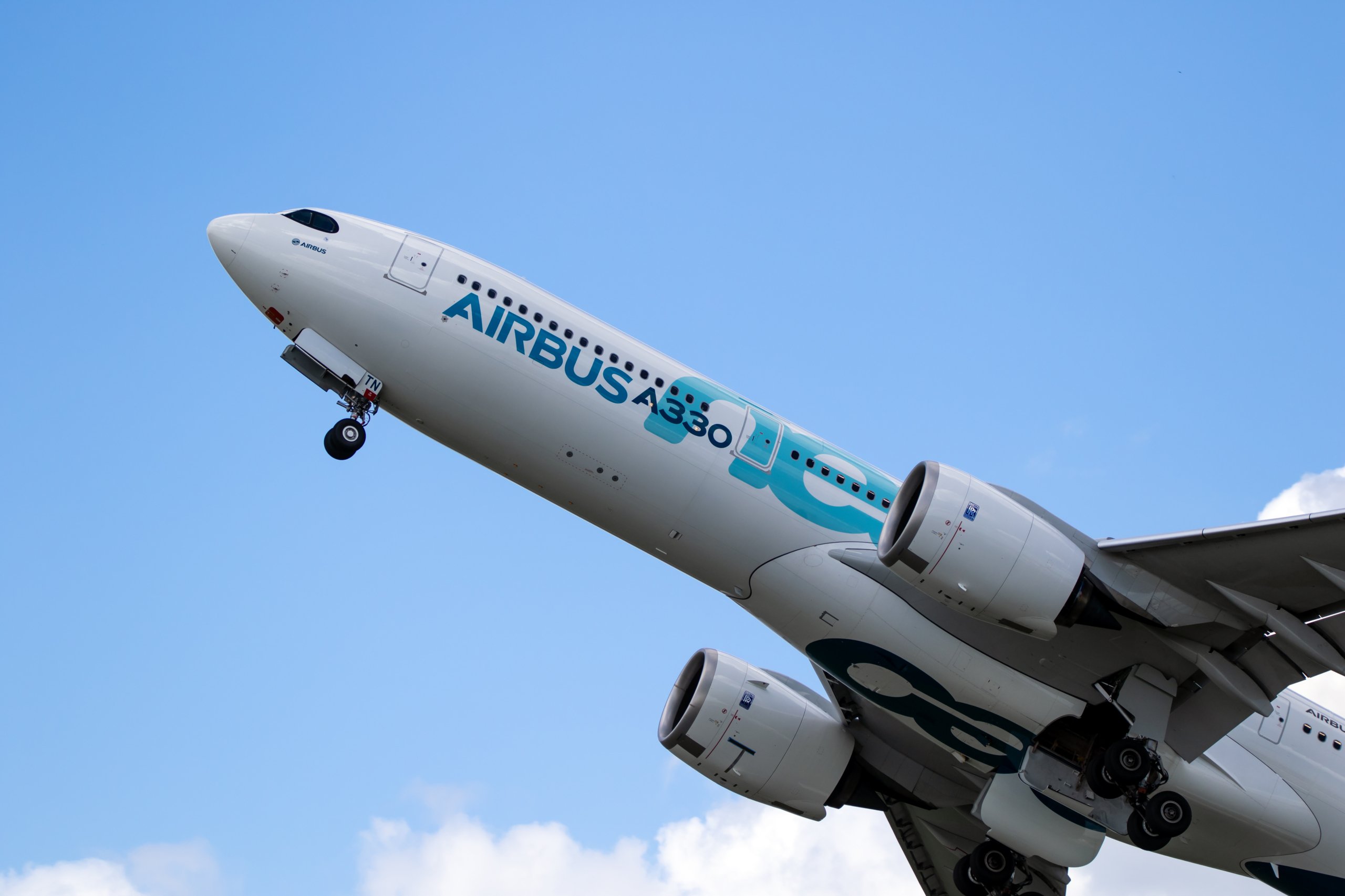
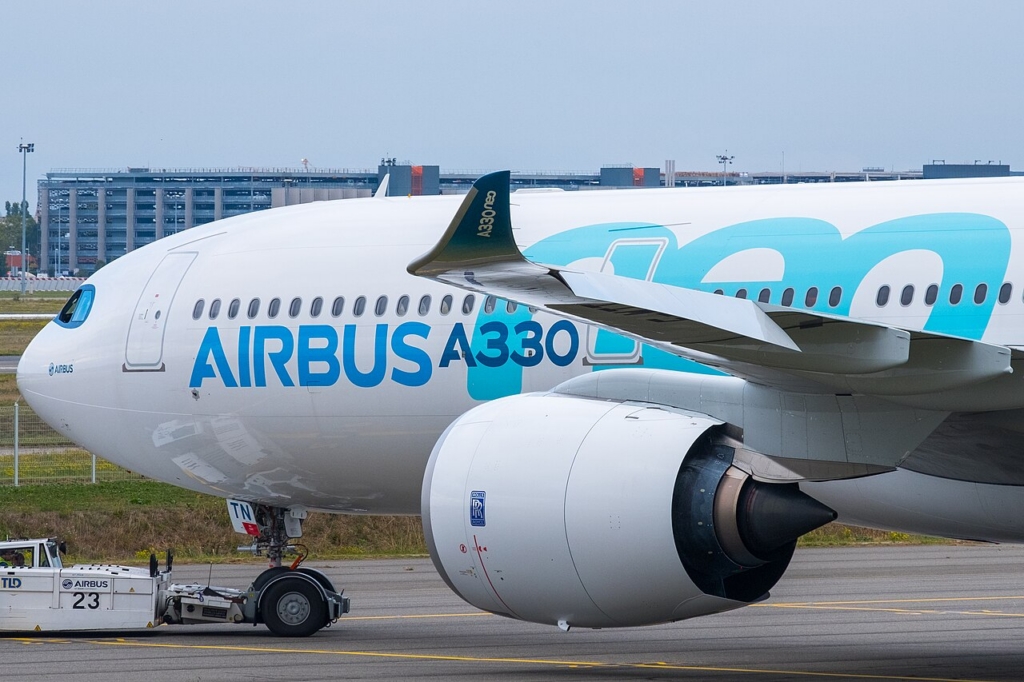
Airbus has asked operators of certain A330neo family aircraft to check for tools or other loose objects that may have been inadvertently left inside the aircraft, following the discovery of a stray tool in an A330 horizontal tailplane.
The request, first reported by Bloomberg and subsequently confirmed by Airbus, follows an industrial quality issue that temporarily disrupted A330neo deliveries during the summer. Airbus said the issue was isolated and that its root cause had been identified.
Aircraft currently coming off the production line have already been inspected.
Checks required on around 160 aircraft
According to Reuters, Airbus has recommended checks on A330 aircraft delivered between January 2021 and July 2026. The population is understood to include about 160 aircraft, including 15 A330-based military tanker and transport aircraft. The recommendation could precede a regulatory order later in 2026.
The immediate concern arose after a tool was found inside the horizontal tailplane of an A330 during a pre-delivery inspection. The horizontal tailplane is part of the aircraft’s empennage and contributes to pitch control.

Airbus subsequently inspected aircraft still in production and slowed deliveries while the issue was investigated. Deliveries have since resumed.
“After having spotted an isolated finding in an aircraft in production, we are committed to discounting similar findings in aircraft currently in service,” Airbus told Bloomberg.
Airbus’ delivery data for June and July showed that no A330neo aircraft were delivered over these two months of the summer as the issue unfolded.
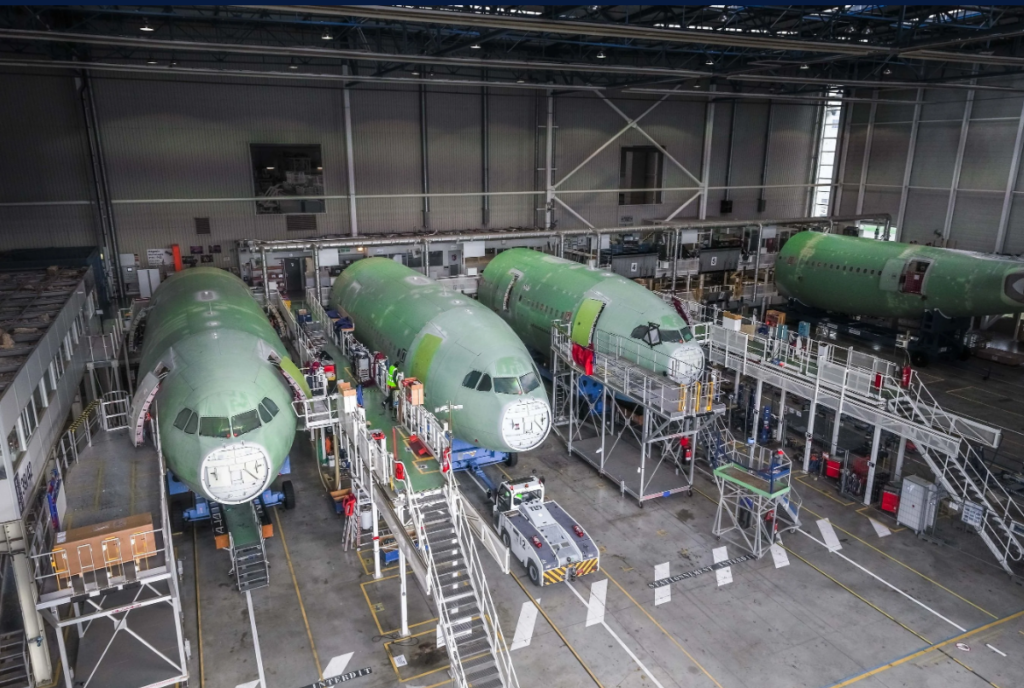
In August 2026, deliveries resumed with a single A330neo being handed over to STARLUX Airlines of Taiwan. Before August, Airbus had delivered nine A330neos so far in 2026.
While there were no A330neo deliveries in the first two months of this year, Airbus delivered three of the type in March 2026, two in April 2026 and four in May 2026.
No signs of a wider issue
There is no suggestion that the Airbus discovery represents a widespread in-service safety problem, nor that A330neo aircraft currently flying are inherently unsafe.
Rather, the incident illustrates why manufacturers and airlines maintain elaborate systems for controlling tools throughout maintenance and production.
Those systems matter because a forgotten object can have consequences ranging from no effect whatsoever to serious engine damage.

The episode is another reminder of an unglamorous but fundamental aspect of aviation safety – that is, making sure every tool taken onto an aircraft during manufacturing or maintenance comes back off it.
The problem is generally described as foreign object debris (FOD). While the term can refer to anything from loose hardware to pieces of runway material, tools and maintenance equipment are a particularly important category because they can be deliberately introduced into areas of an aircraft that are normally inaccessible once work is complete.
Sometimes a tiny tool can cause major damage
The risks are not confined to large objects. In October 2020, a Jetstar Airbus A320 taking off from Brisbane suffered an engine power loss and surge.
The crew felt severe vibration and heard increasingly loud popping noises as the aircraft accelerated, prompting a rejected take-off. Investigators later found a screwdriver tip inside the engine.
The ATSB determined that the small tool component had been left behind during maintenance and had remained inside the engine for more than 100 flights.
It caused impact damage to compressor blades and vanes, with fatigue cracks eventually developing. One blade subsequently failed during the take-off, causing further engine damage and a surge.

The incident demonstrates why tool-control procedures cannot simply concentrate on obvious objects such as large wrenches.
The ATSB specifically warned that apparently insignificant items such as screwdriver tips and drill bits also need to be accounted for.
Qantas A380: two cases of forgotten equipment
Qantas has experienced two recent incidents involving equipment inadvertently left aboard its Airbus A380s.
In December 2023, a 1.25-metre nylon turning tool was left inside the engine inlet of A380 VH-OQI during maintenance at Los Angeles International Airport. It was missed during foreign-object inspections, and the appropriate lost-tool procedure was not completed.
The aircraft subsequently flew 34 cycles and around 294 hours before the tool was discovered during another maintenance check on 1 January 2024. It had become lodged in the low-pressure compressor area but, fortunately, caused no engine damage.
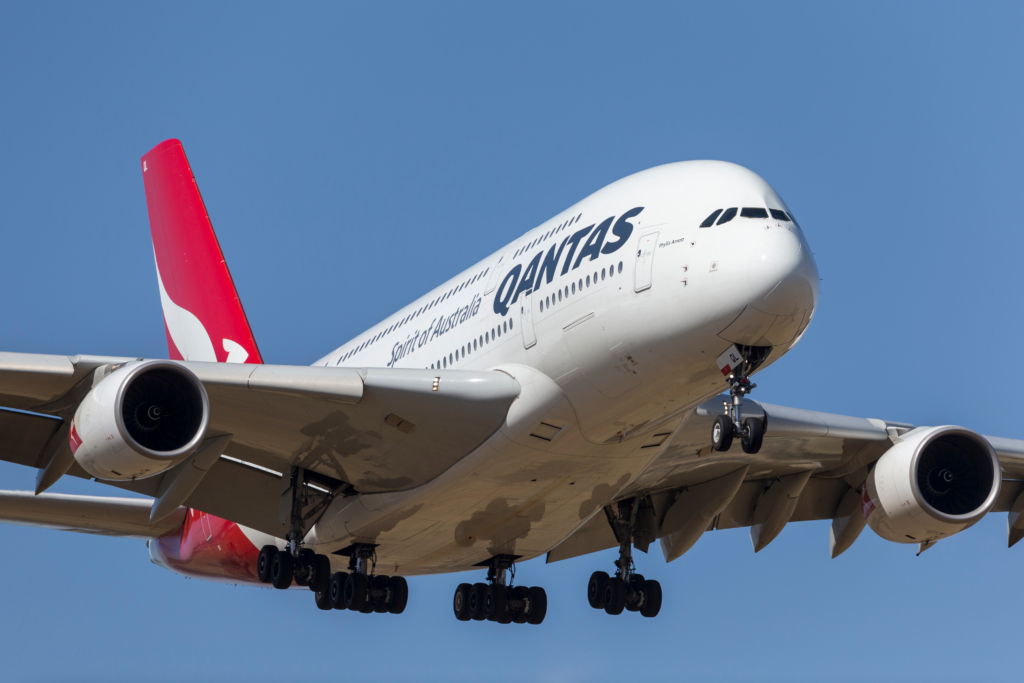
A second incident occurred in January 2026, when a portable work light was left inside the wing of A380 VH-OQK during maintenance in Sydney.
The aircraft flew to Dallas/Fort Worth and back before the light was found. The Australian Transport Safety Bureau found that neither the inspection process nor Qantas’ maintenance information system detected the missing item.
Following the incidents, Qantas strengthened its tool-control procedures and established a working group to examine further safeguards, including technology-based solutions.
Why the Airbus checks matter
This latest A330neo situation therefore sits within a much broader aviation safety principle. Modern aircraft are extraordinarily complex machines, assembled and maintained through thousands of individual tasks. Engineers work inside wings, engines, fuselage sections and tail structures where an object can become difficult to see once panels are replaced.
Tool-control systems are designed to create a chain of accountability: an item is issued to a particular engineer, associated with a particular aircraft or maintenance task, and then recorded when it is returned. Physical inspections provide another layer of protection.
But the Qantas cases show that procedures can fail when they depend entirely on human memory or manual checks. The ATSB has emphasised that maintenance takes place in demanding environments and that safety systems need safeguards capable of detecting and recovering from human error.
That is the significance of Airbus’s request to A330 operators. A stray tool may sound trivial compared with the sophisticated systems aboard a modern widebody jet. In aviation maintenance, however, something as simple as a missing tool can become a serious safety concern.
Sign up for our newsletter and get our latest content in your inbox.


More from


October 4, 20264 min read


