


Air India Boeing 787 diverted in third squawk 7500 hijack alert in three weeks

4 min read
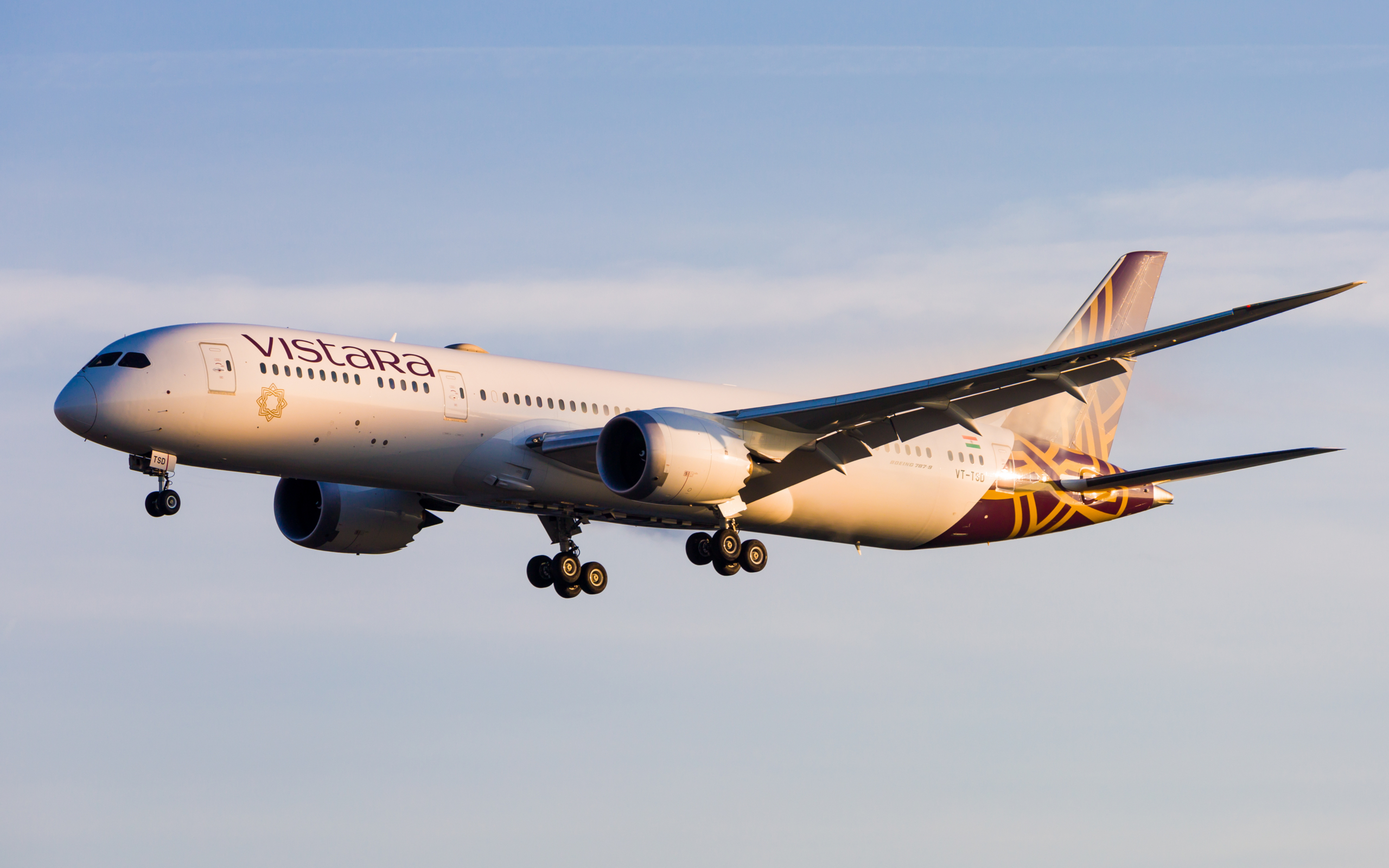
An Air India Boeing 787 was diverted to Jaipur today after sending out an alert for a possible hijacking.
The aircraft was operating from Frankfurt to Delhi as AI2030 when it squawked 7500, the code indicating interference in the cockpit or a hijack attempt.
The flight was diverted and landed safely at Jaipur at around 09:35 local time (04:05 UTC). Passengers and the aircraft were screened, and after receiving clearance, it set off for Delhi, arriving just before 15:30 local time.
It’s the third instance of a 7500 squawk in recent weeks, after Corendon’s erroneous alert yesterday and flydubai’s very real one in late September.
Air India Dreamliner makes emergency landing in Jaipur
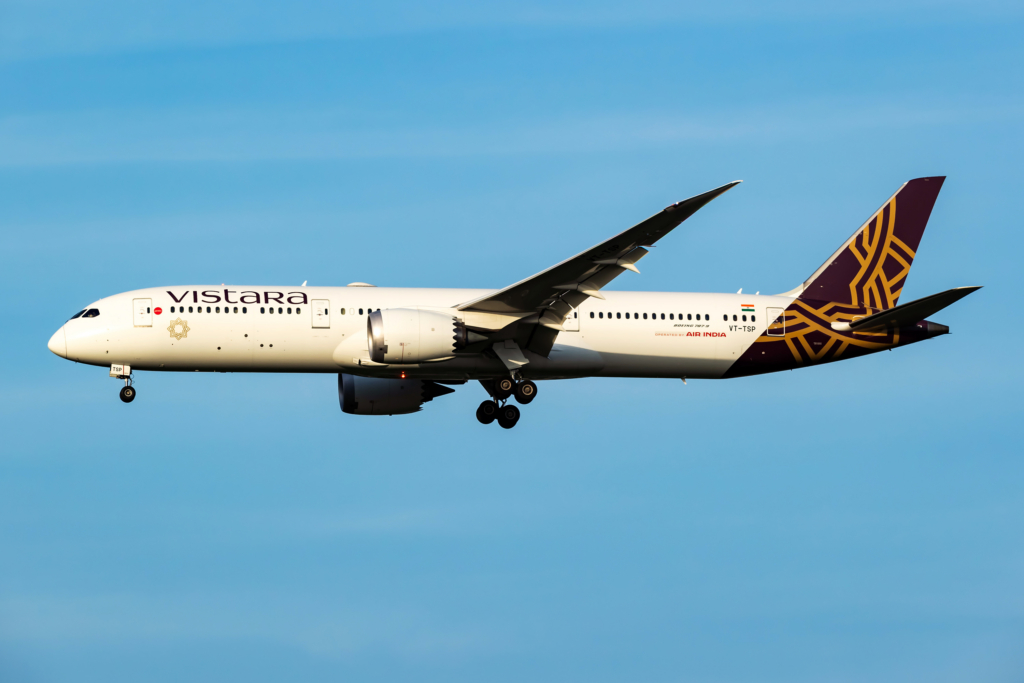
The Air India service was operated today, 14 October, by a six-year-old Boeing 787-9 Dreamliner still in full Vistara livery. The Vistara brand was merged into Air India in November 2024.
The flight was several hours into the journey when Ahmedabad Air Traffic Control reportedly received the Squawk 7500 signal.
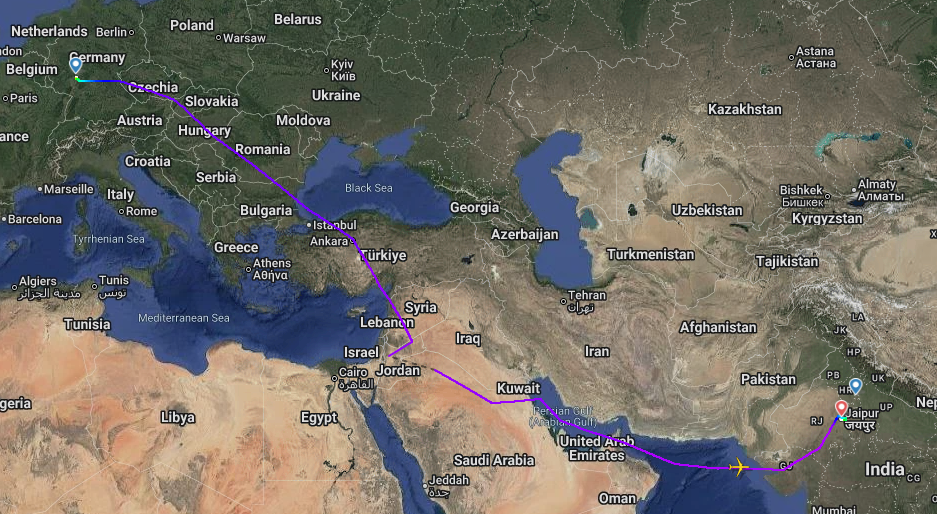
Following touchdown, the aircraft was moved to an isolation bay for security sweeps to take place. Passengers were disembarked and put through security processes again before being allowed to reboard several hours later.
This is Air India 2030 from Frankfurt to Delhi, diverted to Jaipur after the pilot’s hijacking call 7500. All passengers were deboarded and anti-sabotage checks are underway. After clearance, the flight will be allowed to operate further. No word from the airline company. https://t.co/t4wGJoaTwu
— Ashoke Raj (@Ashoke_Raj) October 14, 2026
In a statement, the airline said,
“Air India flight AI2030 operating from Frankfurt to Delhi on 14 October was diverted to Jaipur following a perceived security concern. The aircraft landed safely in Jaipur.
“The relevant security agencies carried out the necessary checks and have cleared the aircraft and crew. All passengers were disembarked, underwent security checks, and have since reboarded the aircraft.
“Air India teams worked proactively with authorities to minimise passenger inconvenience.
“We sincerely regret the inconvenience caused to our passengers due to this unforeseen disruption and appreciate their patience and understanding.
“The safety and security of our passengers and crew remain Air India’s highest priority.”
Why Squawk 7500 raises concerns
Squawk 7500 signals unlawful interference with an aircraft, typically a hijacking. It allows pilots to alert air traffic control through the aircraft’s transponder without having to explain the threat over the radio.
A transponder normally sends a four-digit identification code that helps controllers distinguish one aircraft from another. Selecting 7500 changes the meaning of that signal: controllers must consider whether someone is threatening the crew or attempting to take control of the aircraft.
The difficulty is that controllers cannot immediately know whether the signal is genuine or accidental. They also need to consider whether pilots can speak freely.
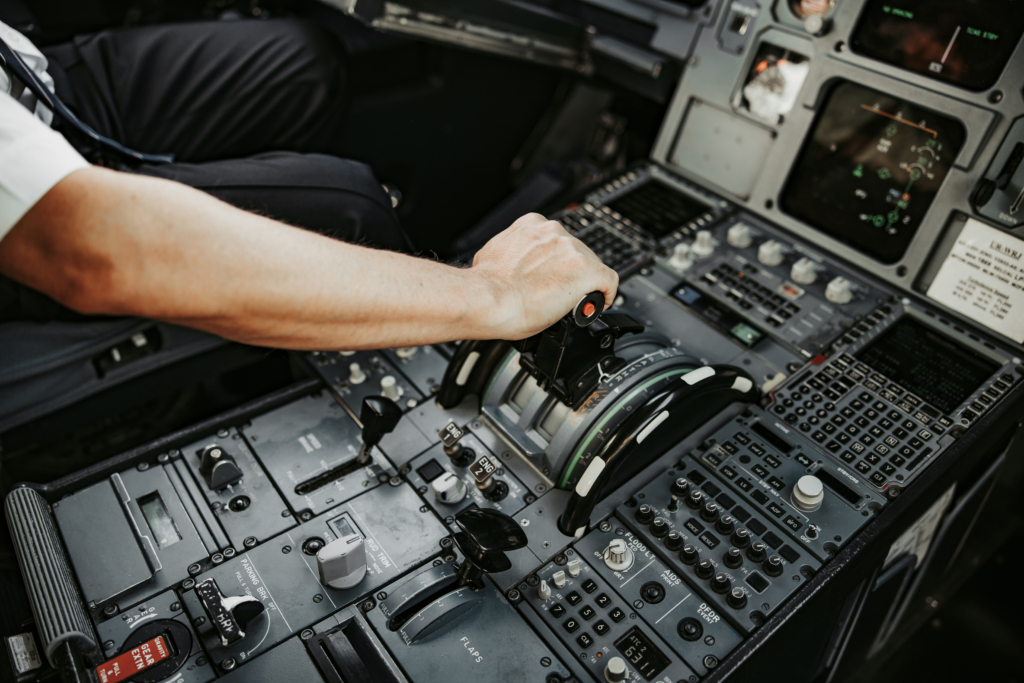
Under published FAA procedures, controllers ask the crew to verify the code. If pilots confirm it, or do not respond, controllers notify the appropriate authorities and continue monitoring the flight. If the crew denies unlawful interference, controllers ask them to check and change the transponder setting.
While a 7500 alert demands investigation, it does not prove a hijacking occurred.
The Air India incident is the third widely reported hijack alert in three weeks, following Corendon’s October 13 flight to Nuremberg and flydubai flight FZ1073 on September 30.
Corendon attributed its false alarm to a communications-system malfunction. The flydubai incident involved a genuine cockpit attack: UAE prosecutors said the co-pilot attacked the captain with an axe and intended to seize the aircraft and crash it into a terminal at Tel Aviv’s Ben Gurion Airport.
Investigation into Air India flight’s squawk 7500 alert
India’s Directorate General of Civil Aviation is reportedly investigating what triggered the 7500 alert, with conflicting preliminary accounts leaving its cause unresolved.
Jaipur airport chief Charan Singh told the Indian Express that initial information suggested the pilot might have issued the alert accidentally. However, the same report noted that the pilot denied transmitting an emergency code when contacted by air traffic controllers.
A separate Times of India report said aviation and security agencies were examining how the indication appeared despite the pilots reporting normal operations. It raised questions about a possible ground-system error, although no fault involving either the aircraft or ATC equipment has been confirmed.
While the immediate security concern has been handled, the origin of the alert remains a mystery. Investigators still need to establish whether the aircraft transmitted 7500 and, if so, whether it resulted from cockpit selection or a technical problem.
Sign up for our newsletter and get our latest content in your inbox.




More from


October 13, 202612 min read






