


ULA’s Vulcan rocket set for return to flight with 40 Amazon satellites

5 min read
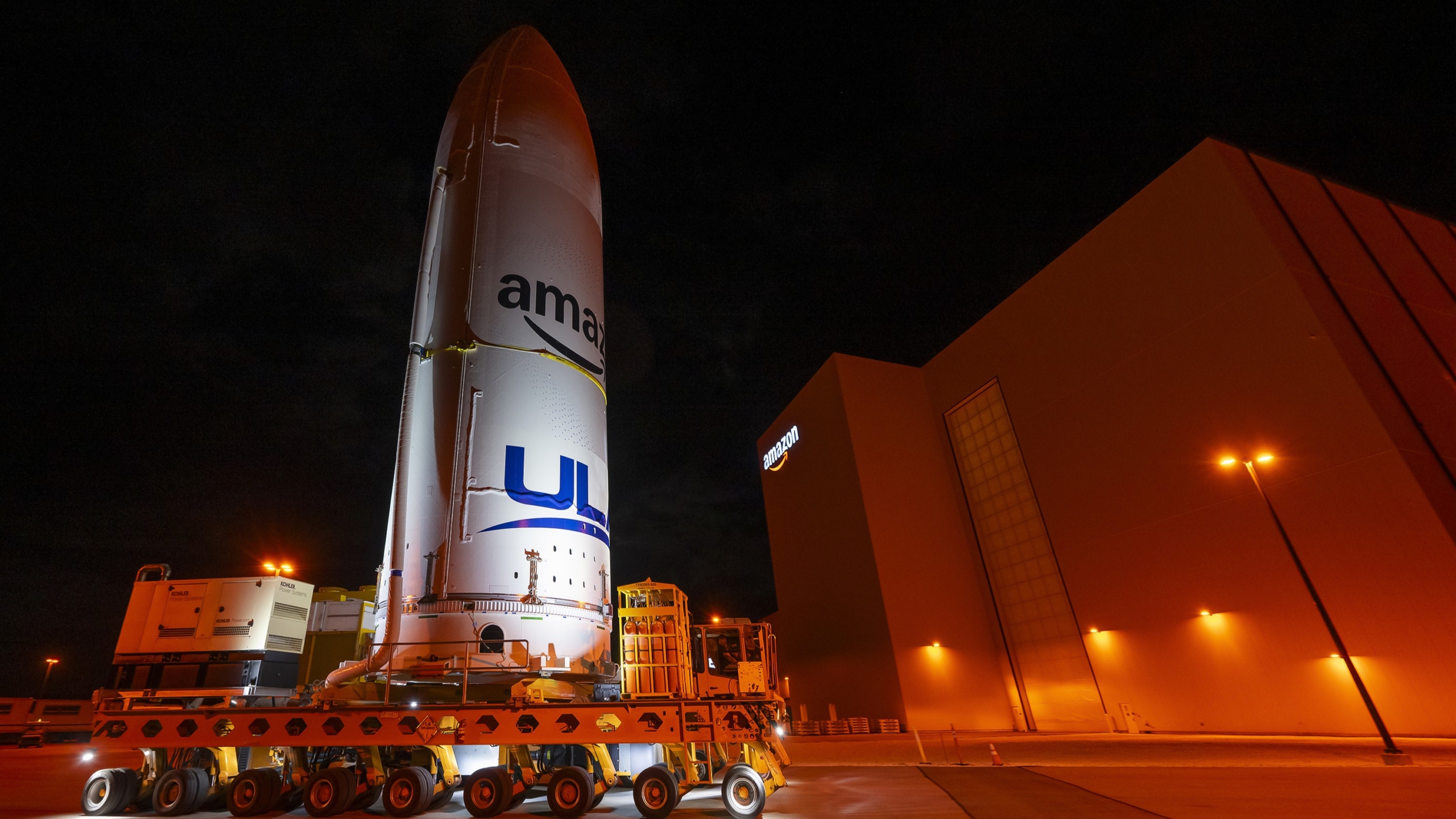
United Launch Alliance (ULA) is preparing to launch 40 Amazon Leo broadband satellites aboard its Vulcan rocket today (13 November), marking the vehicle’s return to flight after a nine-month gap following an anomaly during a US military mission.
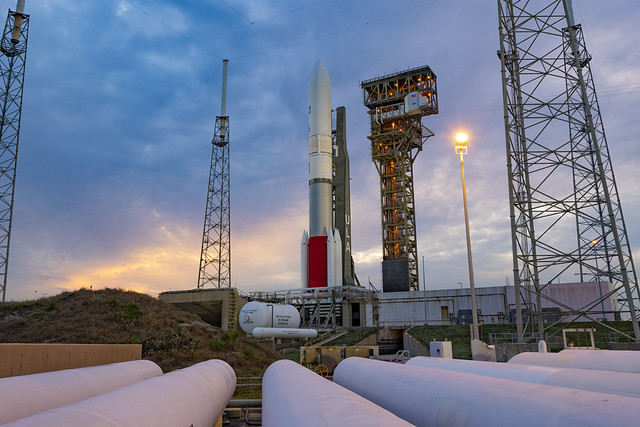
The launch, scheduled for 12:54 p.m. Eastern Time (17:54 UTC) from Cape Canaveral Space Force Station in Florida, will be Vulcan’s fifth flight and its first carrying satellites for Amazon’s planned internet constellation.
It will also be the first Vulcan launch using six solid rocket boosters, the maximum number the vehicle can accommodate.
The configuration provides the additional thrust needed to carry heavier payloads into orbit.
The mission, designated Leo Vulcan 1 (LV-01), is the first of 38 Vulcan launches Amazon has contracted with ULA to help build its satellite network.
The flight comes at an important time for both companies. ULA, a joint venture between Boeing and Lockheed Martin, is working to establish Vulcan as its principal rocket for commercial and US national security missions. Amazon, meanwhile, needs frequent launches to deploy thousands of satellites for a broadband service intended to compete with SpaceX’s Starlink.
Vulcan returns after February anomaly
Vulcan last flew on 12 February, when it carried out a national security mission for the US Space Force.
Although the rocket delivered its payload, an anomaly was observed during the flight, prompting a prolonged gap before its next launch.
“As with any new rocket, there are risks associated with every launch, and particularly as we are early in this phase of introduction of Vulcan to the market and working to a regular operational tempo. Every flight generates data and every flight teaches us something.
“And we’re going to look to this flight to get some more useful data in a flight environment on the effectiveness of the corrective action that we’ve implemented,” said Mark Peller, ULA president and CEO.
The February mission was Vulcan’s fourth flight. Its first two missions took place in 2024, followed by national security launches beginning in August 2025.
“During our first four Vulcan missions, the robustness of Vulcan served us well. It flew through some difficult environments associated with the SRB anomalies and successfully completed all of those missions, giving the spacecraft both a smooth ride and precise, bullseye orbital injections,” Peller noted.
The rocket is intended to succeed ULA’s Atlas V and Delta IV families. Delta IV was retired in April 2024, while Atlas V remains operational and has already carried Amazon satellites on eight missions.
The November 13 launch will therefore be an important test of Vulcan’s ability to resume operations while taking on a larger share of ULA’s commercial launch commitments.
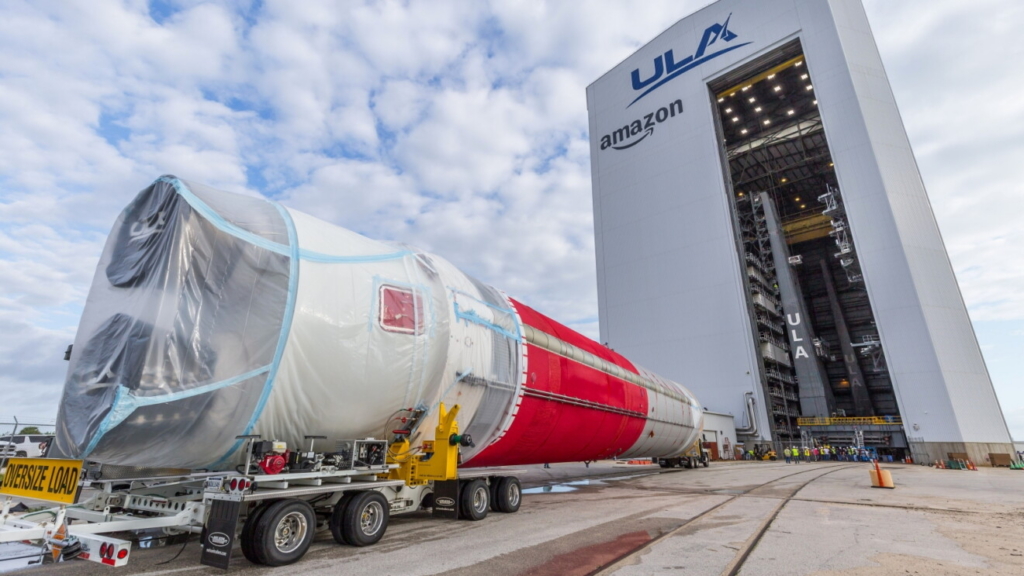
The vehicle selected for LV-01 is designated VC6L. Its six solid rocket boosters provide additional power alongside two BE-4 main engines developed by Blue Origin.
The engines burn liquefied natural gas and liquid oxygen, while the six Northrop Grumman-built solid boosters provide further thrust during the initial ascent.
ULA says the configuration can carry more than 22,700kg of payload on an Amazon Leo mission.
The rocket also features a modified Centaur V upper stage, optimised for launches into low Earth orbit. The shorter version is intended to increase the number of satellites Vulcan can carry on each mission.
Its two RL10 engines use liquid hydrogen and liquid oxygen to place payloads into their intended orbits.
Amazon expects subsequent Vulcan missions to carry larger satellite batches as further improvements to the rocket are introduced.
Amazon prepares to accelerate launches
The 40 satellites aboard LV-01 represent the largest single batch yet launched for Amazon Leo, previously known as Project Kuiper.
The network is designed to provide high-speed internet access to homes, businesses and communities, particularly in areas poorly served by terrestrial broadband infrastructure.
Amazon’s initial constellation is planned to comprise more than 3,000 satellites operating in coordinated low Earth orbits.
The company said it completed production of its 1,000th satellite in early September and now has hundreds of flight-ready spacecraft awaiting launch.
However, manufacturing satellites is only part of the challenge. Getting them into orbit quickly enough requires a sustained launch schedule involving several rocket operators.
Amazon has contracted launches with ULA, Arianespace, Blue Origin and SpaceX. Vulcan is expected to carry more than 1,500 first-generation Amazon Leo satellites across its 38 contracted missions.
“Larger rockets and more frequent launches are critical to scaling our constellation and getting service to customers, and the Vulcan program is designed to deliver on both dimensions,” said Melissa Wuerl, director of launch systems for Amazon Leo.
“Vulcan will launch close to half our first-generation constellation, making it our primary workhorse over the next several years, and we’re looking forward to kicking off the sprint with our partners at ULA.”
New facilities to shorten launch turnaround
Amazon has also invested in dedicated launch infrastructure at Cape Canaveral to reduce the time needed between Vulcan missions.
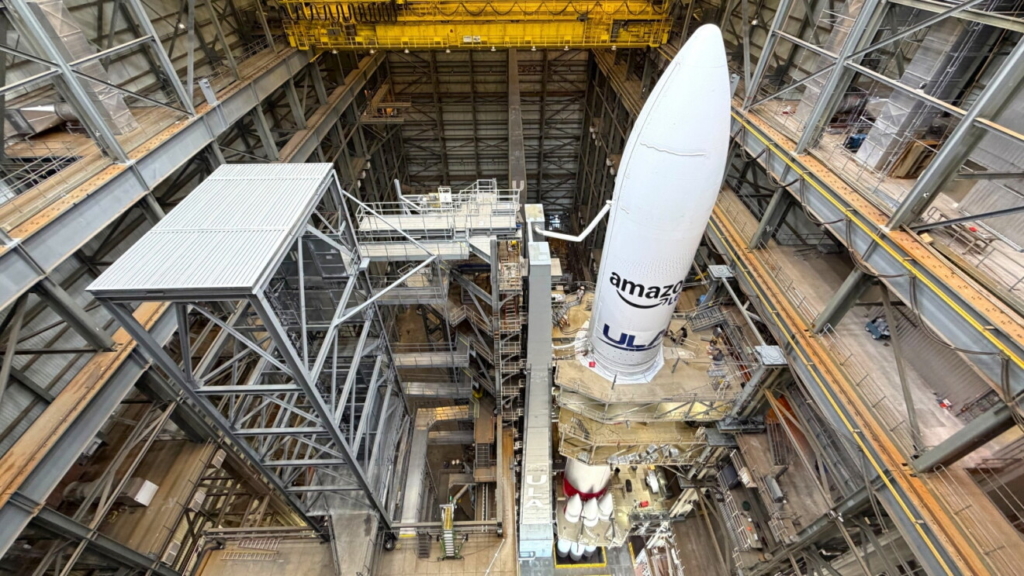
The facilities include a new Vertical Integration Facility, known as VIF-A, and a dedicated mobile launch platform.
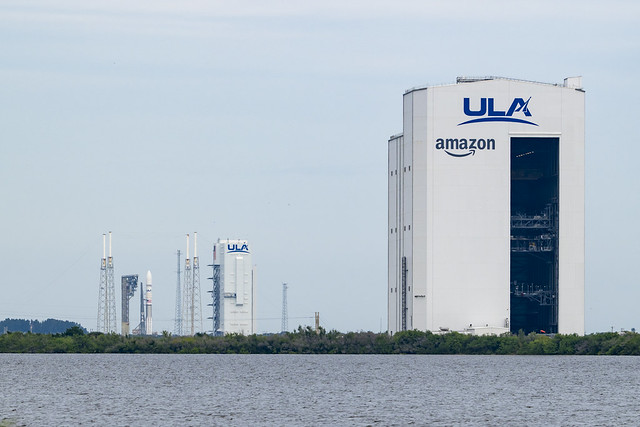
They allow ULA to prepare two Vulcan rockets simultaneously rather than completing preparations for one before beginning work on another.
The second Amazon Vulcan mission, LV-02, is already undergoing preparations in another integration facility and could launch within weeks of LV-01, provided the first mission proceeds successfully.
Amazon is also preparing another Ariane 6 launch, designated Leo Europe 4, from Europe’s Spaceport in French Guiana no earlier than November 23.
The company expects to begin an initial rollout of its satellite broadband service later this year, with further launches expanding coverage and capacity.
Vulcan’s return will be closely watched by both the commercial launch industry and the US Space Force, which is counting on the rocket for future national security missions.
A successful flight would give ULA a route back to regular launches while providing Amazon with the heavy-lift capacity it needs to expand its satellite network.


